

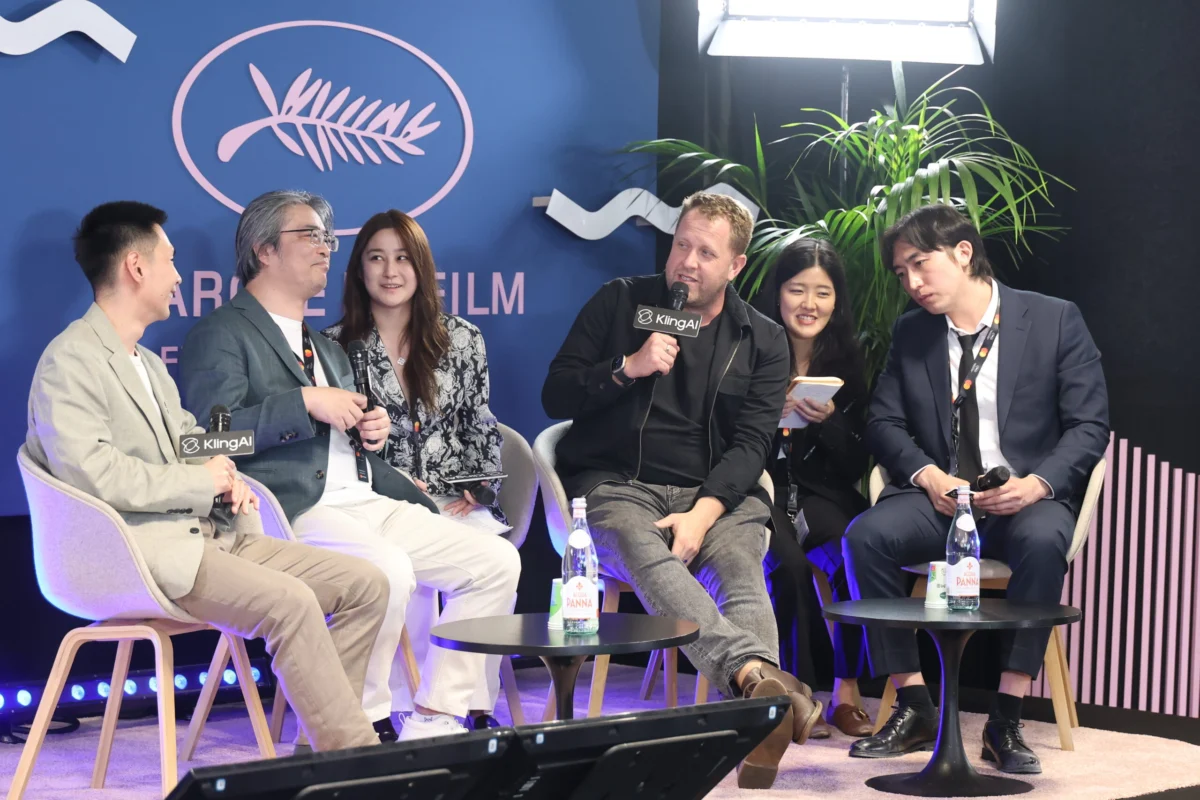
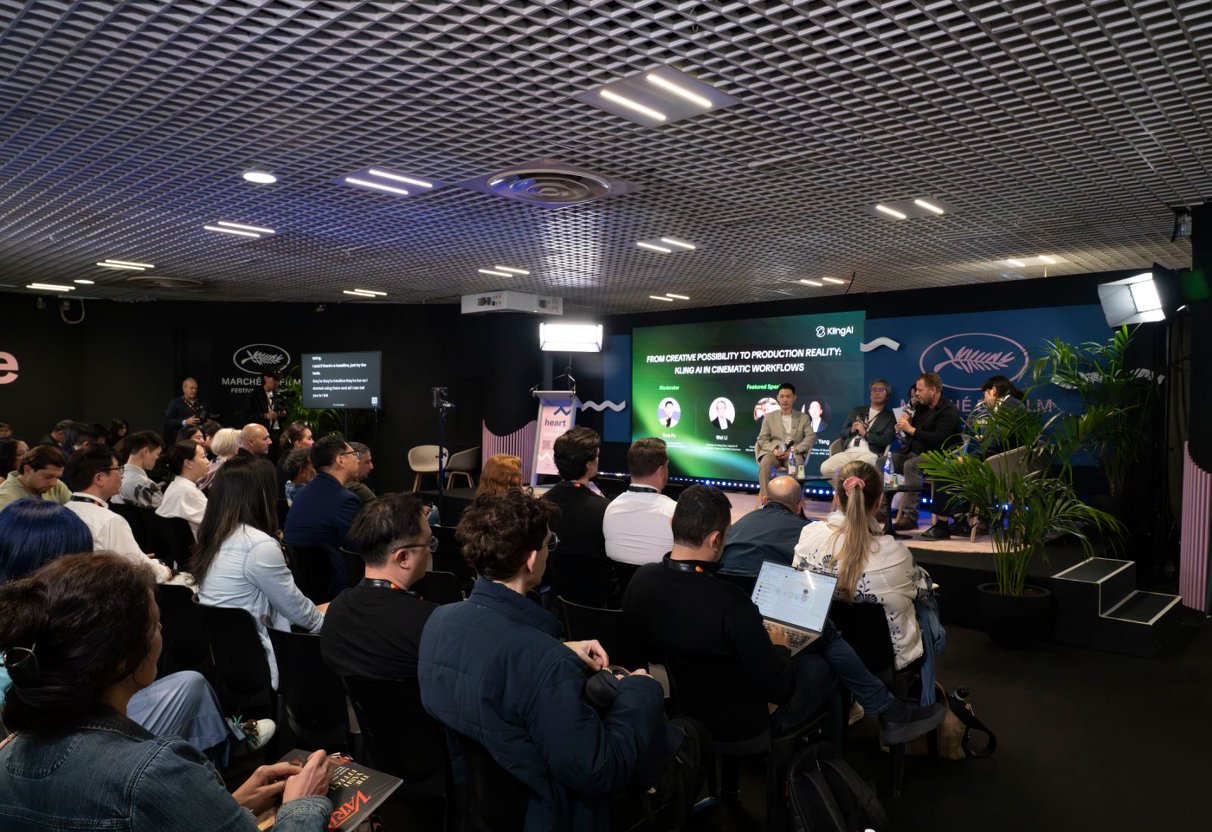
The burgeoning integration of artificial intelligence into the film industry took a significant leap forward at the Marché du Film during the Cannes Film Festival, where Kling AI emerged as a pivotal force. A dedicated panel, aptly titled "From Creative Possibility to Production Reality: Kling AI in Cinematic Workflows," served as a high-profile platform to unveil the transformative impact of the AI technology on global filmmaking. The event highlighted three ambitious projects that are pushing the boundaries of cinematic creation, demonstrating that AI is not merely a tool for efficiency but a catalyst for realizing previously unimaginable artistic visions. These pioneering works—"Raphael," South Korea’s first AI-generated feature film; "House of David," a biblical epic series from Wonder Project; and "Born of the Tide," a Chinese animation epic celebrating the Tanka community—collectively illustrate the expanding creative horizons enabled by Kling AI.
The panel discussion, held amidst the bustling international film market, underscored Kling AI’s advanced capabilities, emphasizing its native 4K generation, sophisticated emotional expressiveness, and remarkable realism. Crucially, the technology’s capacity to maintain stylistic consistency across extensive and complex visual sequences was a key takeaway, a critical factor for projects intended for large-scale theatrical exhibition and demanding the highest fidelity. This focus on technical prowess, combined with creative potential, positions Kling AI as a foundational element in the evolution of cinematic production pipelines.
Pushing Creative Boundaries: Case Studies in AI-Powered Filmmaking
The Marché du Film presentation provided an in-depth look at how Kling AI is empowering filmmakers to transcend traditional limitations. The three showcased projects offer compelling evidence of this paradigm shift:
"Raphael": A New Dawn for South Korean AI Cinema
Mateo AI Studio’s "Raphael" is poised to make history as South Korea’s inaugural full-length feature film produced entirely through generative AI. Currently in production with an anticipated theatrical release in 2026, the film has leveraged Kling AI throughout its development to achieve distinctive visual effects and a cinematic aesthetic suitable for the silver screen.
Eekjun Yang, Co-Founder and Director of Mateo AI Studio and Director at MBC C&I AI Content Lab, articulated the profound impact of Kling AI on "Raphael." He noted, "Raphael started using the Kling 1.0 model from 2024, and from then on, we realized that Kling is exceptional in its emotional expression. Also, because movies like ‘Raphael’ really aim for theatrical screening, features of Kling AI, such as the 4K capabilities, are absolutely necessary."
Yang also addressed a prevalent misconception within the industry: that generative AI is primarily adopted for cost reduction or accelerated production timelines. For emerging directors, he argued, AI is not a shortcut but often the sole viable pathway to bringing a feature-length project to fruition. "A director like myself, who was not famous yet, or has never had experience making feature films, it was very difficult for me to obtain any investment in the first place. Therefore, AI tool used was in fact not a choice but a necessity for myself," Yang stated, highlighting the democratizing potential of AI in filmmaking. This sentiment resonates with a growing cohort of independent creators who find AI tools indispensable for securing funding and realizing ambitious projects that would otherwise remain conceptual.
"House of David" and "The Old Stories: Moses": Redefining Biblical Epics with AI
Wonder Project, a studio at the forefront of innovative storytelling, presented its groundbreaking biblical series "House of David" and its latest endeavor, "The Old Stories: Moses," which features Oscar winner Ben Kingsley in the titular role. Jon Erwin, writer and producer of "House of David" and founder and Chief Creative Officer of Wonder Project, shared his insights on Kling AI’s role in their productions.
"For ‘House of David,’ we did it for a third of what the studios told us we needed," Erwin revealed, underscoring the economic advantages without compromising artistic integrity. Kling AI served as the core foundation model and a critical benchmark tool for the series’ production. The second season of "House of David" significantly amplified its use of AI-assisted shots, employing more than four times the number used in the first season, which had already incorporated 72 such shots. This escalating adoption signifies a growing confidence in and reliance on AI within established production workflows.
Building on this success, "The Old Stories: Moses" adopts a hybrid production method, seamlessly integrating live-action footage with AI-enhanced virtual production workflows. The project specifically leverages Kling AI’s native 4K capabilities, a feature long sought after by filmmakers aiming for high-definition cinematic output. "Native 4K was something that we’ve been asking for for a long time, native to the foundation model, and Kling is the first to deliver that, and then the results are staggering, they’re beautiful," Erwin enthused.
Erwin further positioned Kling AI as an instrument for expanding access to scale and scope in visual storytelling, championing its democratizing effect on the industry. "I am very excited about the democratization of scope and scale to filmmakers everywhere. I think our industry will be better for it, and I think that there will be an explosion of creativity and originality, as these tools are induced and adopted," he added. This vision suggests a future where geographical and financial barriers to producing visually spectacular films are significantly reduced, fostering a more diverse and innovative global cinema landscape.
"Born of the Tide": An AI-Generated Epic of China’s Tanka Community
The third project highlighted was "Born of the Tide," an ambitious animated cinematic epic that delves into the rich cultural heritage of China’s Tanka community, often referred to as "sea nomads" due to their traditional floating lifestyle. This production exemplifies Kling AI’s capacity to render intricate, large-scale sequences, including dynamic dragon boat races, bustling fish market explosions, and dramatic mountain battles, all while maintaining the high fidelity required for theatrical release.
Director Wei Li, who also served as Executive Director of the acclaimed animated film "Big Fish & Begonia," lauded Kling AI’s mastery of atmospheric elements, weather phenomena, lighting, and texture. "Kling AI faithfully preserves the director’s intended color tones without losing stylistic consistency during the video generation process," Wei Li stated. "The platform also delivers rare realism in rendering waves, torrential rain, and the intricate, glistening reflections of firelight across wet wooden ship planks. Textures that stand out as unmatched among AI models."
Wei Li also drew a contrast with earlier AI tools, which often constrained creators to storyboard-level experimentation due to limitations in rendering detail, particularly in wide shots or close-ups. He explained that Kling AI’s native 4K generation liberates directors to pursue greater visual ambition, providing the necessary resolution for cinematic screens. His previous work, "Jiang Ziya: Legend of Deification," a critical and commercial success that earned over $228 million worldwide and was an official Annecy 2021 selection, sets a high bar for his current AI-assisted project. The success of "Born of the Tide" could further solidify AI’s role in large-scale animation production in China.
Strategic Partnerships and Industry Standards
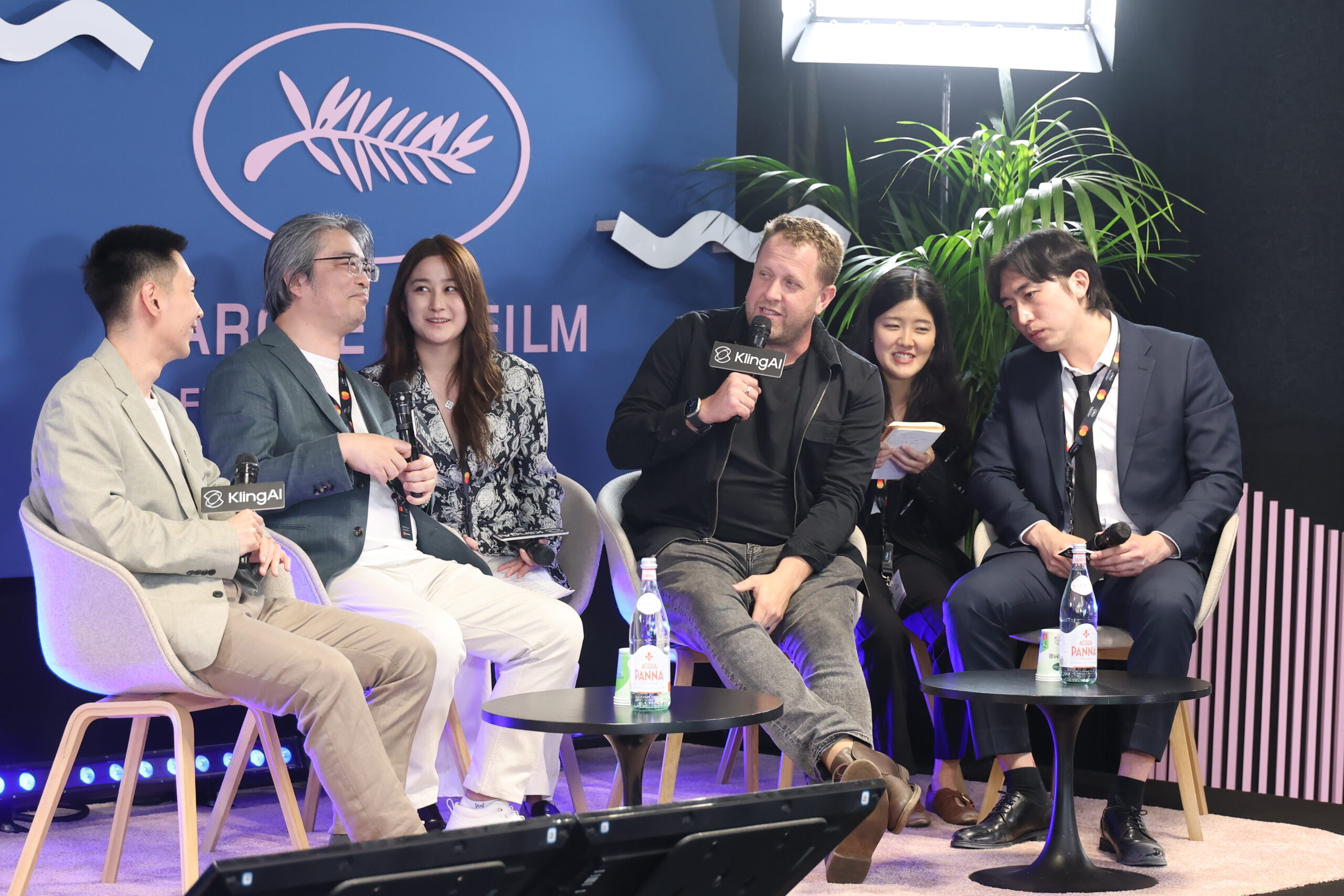
Beyond the project showcases, the panel also served as a venue for significant business announcements. Kling AI unveiled an exclusive worldwide partnership with UK-based production company Evolutionary Films for the upcoming animated feature "MINIBOTS." Under this agreement, Kling AI will act as the exclusive global Technological Brand Partner, providing comprehensive production support, platform access, and a dedicated Creative Partnership Programme for the film’s internationally recognized AI artist team.
A notable aspect of this partnership is the adoption of a "performance-first AI charter." This charter ensures that all performances within "MINIBOTS" remain human-created and actor-owned, addressing potential ethical concerns surrounding AI-generated performances. The project has reportedly already attracted interest from prominent voice talent, indicating a positive reception to this human-centric approach within an AI-driven production.
The Broader Implications: Democratization and the Future of Filmmaking
The discussions at Cannes underscored a significant shift in the perception and application of AI in filmmaking. While cost savings and efficiency remain attractive, the primary narrative emerging is one of expanded creative possibilities and the democratization of cinematic production.
Supporting Data and Industry Context:
The global film industry is a multi-billion dollar enterprise, with production budgets for major Hollywood blockbusters often exceeding hundreds of millions of dollars. The ability of AI tools like Kling AI to significantly reduce these costs, as demonstrated by Wonder Project, could fundamentally alter the economic landscape of filmmaking, making large-scale productions accessible to a wider range of creators and studios. Furthermore, the growing demand for high-resolution content, driven by advancements in display technology and audience expectations, makes Kling AI’s native 4K generation a critical feature for future-proofing productions.
Chronological Development:
The integration of AI in creative fields has been accelerating rapidly over the past decade. While early AI tools focused on specific tasks like editing or visual effects enhancement, platforms like Kling AI represent a more comprehensive approach, capable of generating entire visual sequences. The progression from early AI models to the sophisticated capabilities showcased at Cannes, such as native 4K generation and nuanced emotional expression, reflects a rapid iterative development cycle within the AI research and development community. The mention of Kling 1.0 being used from 2024 suggests a relatively recent, yet impactful, evolution of the platform.
Analysis of Implications:
The widespread adoption of advanced AI tools like Kling AI portends a significant restructuring of the film industry.
- Democratization of Scale: As Jon Erwin highlighted, AI can level the playing field, enabling independent filmmakers and smaller studios to compete with larger entities by achieving cinematic scope and scale that were previously unattainable. This could lead to a more diverse range of stories and perspectives being brought to the screen.
- Innovation in Storytelling: The ability to rapidly prototype and generate complex visual scenarios may encourage greater experimentation with narrative structures and visual styles, pushing the boundaries of cinematic language.
- Economic Shifts: While AI can reduce production costs, it also raises questions about the future of certain traditional roles within the film industry. However, the emphasis on hybrid workflows and AI charters suggests a collaborative future where AI augments human creativity rather than replacing it entirely. The "performance-first" approach in "MINIBOTS" is a proactive step towards ensuring that human artistry remains central.
- Ethical Considerations: The increasing sophistication of AI in generating realistic visuals necessitates ongoing dialogue and the establishment of clear ethical guidelines, particularly concerning copyright, attribution, and the potential for misuse. The performance-first charter is a positive indication of industry efforts to address these concerns.
Kling AI, described as one of the world’s leading AI creative platforms focused on next-generation tools for visual storytelling, cinematic workflows, and production innovation, has reportedly empowered over 60 million creators globally since its inception. Its prominent presence at Cannes and the caliber of projects it has facilitated signal a new era where artificial intelligence is not just a supplementary tool but an integral partner in the art and business of filmmaking, promising an explosion of creativity and originality for audiences worldwide.