The cinematic landscape of the mid-1990s was defined by a surge in independent filmmaking that sought to deconstruct American icons and explore the dark underbelly of fame. Standing at the forefront of this movement was Mary Harron’s directorial debut, I Shot Andy Warhol. Originally released in 1996, the film provided a searing, naturalistic portrait of Valerie Solanas, the radical feminist whose obsession with the pop art patriarch culminated in a near-fatal shooting in 1968. Nearly three decades after its initial premiere at the Sundance Film Festival, the film is returning to the cultural conversation through a comprehensive 4K restoration, offering a renewed opportunity to examine its historical accuracy, its aesthetic contributions to the "New Queer Cinema" era, and the enduring volatility of the SCUM Manifesto.
The restoration, supervised by the film’s original cinematographer Ellen Kuras, aims to preserve the grit and "poetic realism" that Harron intended. By utilizing contemporary digital tools to enhance the 16mm and 35mm footage, the new version highlights the contrast between the grimy reality of Solanas’s life in New York’s flophouses and the "magical world" of Warhol’s Factory. This revival comes at a time when feminist discourse is undergoing a period of intense re-evaluation, making Harron’s nuanced, non-judgmental exploration of radicalism more pertinent than ever.
Historical Context: The 1968 Shooting and the SCUM Manifesto
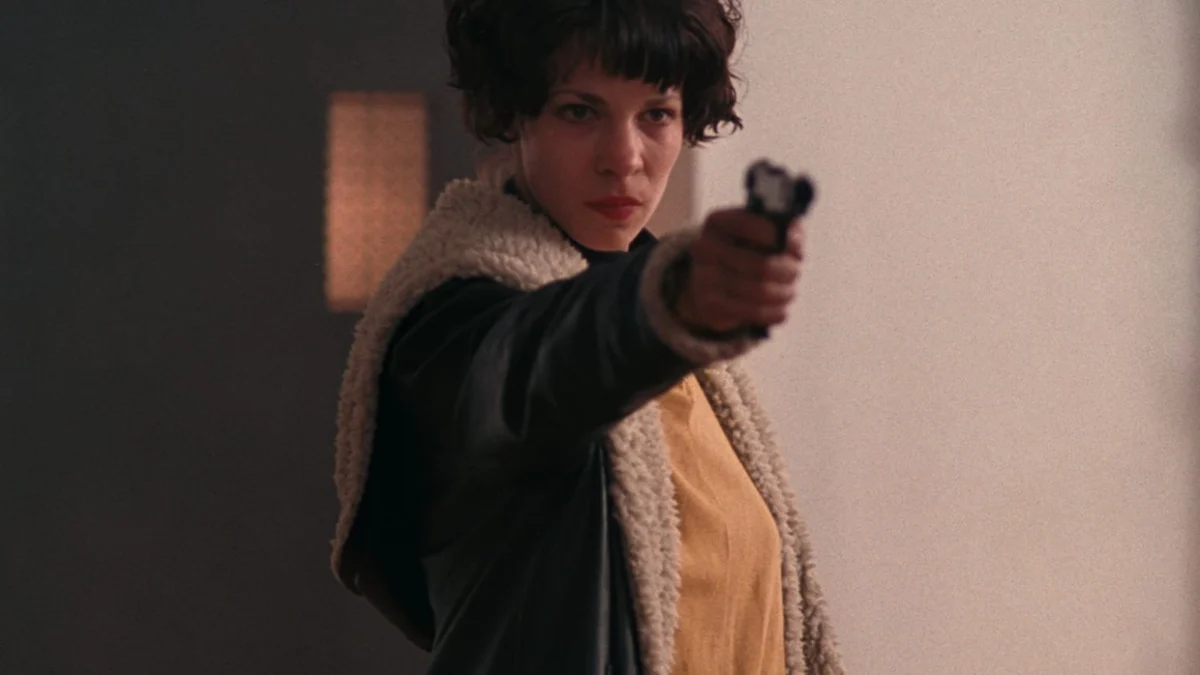
To understand the weight of Harron’s film, one must look at the historical timeline of the events it depicts. On June 3, 1968, Valerie Solanas entered the sixth-floor studio of Andy Warhol at 33 Union Square West. Carrying a .32-caliber automatic, she fired three shots. The first two missed, but the third passed through Warhol’s lungs, spleen, stomach, liver, and esophagus. Warhol was briefly pronounced clinically dead before a five-hour surgical intervention saved his life. Solanas surrendered to a traffic officer later that evening, famously stating, "He had too much control over my life."
Prior to the shooting, Solanas was a peripheral figure in the downtown New York scene, known primarily for her self-published SCUM Manifesto (Society for Cutting Up Men). The document, which Harron’s film treats as a central character in its own right, is a polarizing piece of 20th-century literature. It argues for the elimination of the male sex and the establishment of a female-led utopia. While often dismissed as the ramblings of a paranoid schizophrenic—Solanas was later diagnosed with the condition—the text has been reclaimed by various waves of feminism as a brilliant work of satirical provocation akin to Jonathan Swift’s A Modest Proposal.
Harron’s film traces the trajectory of Solanas from her arrival in New York to her descent into the violent disillusionment that led to the shooting. By focusing on the "pre-history" of the event, Harron avoids the tropes of the standard biopic, instead delivering a character study of a woman who was "too much trouble" for even the most avant-garde circles of the 1960s.
The Production and Creative Vision of Mary Harron
The journey of I Shot Andy Warhol to the screen was a five-year process that began while Harron was working as a researcher for the BBC. Influenced by her work on documentaries, Harron sought to create a film that felt like a "living document" rather than a period reconstruction. The project gained momentum when she partnered with producers Christine Vachon and Tom Kalin, key figures in the New York independent film scene of the 1990s.
One of the most significant challenges during production was the acquisition of music rights. Lou Reed, a core member of the Velvet Underground and a close associate of Warhol, denied Harron permission to use the band’s music, reportedly due to his protective stance over Warhol’s legacy. In response, Harron enlisted John Cale, another founding member of the Velvet Underground, to compose an original score. This decision ultimately benefited the film, as Cale’s avant-garde sensibilities provided a haunting, atmospheric layer that avoided the nostalgia often associated with 1960s soundtracks.
The casting of Lili Taylor as Solanas was a pivotal moment for the production. Taylor, a "patron saint" of 1990s indie cinema, brought a "deadpan swagger" to the role, portraying Solanas not as a monster, but as an intellectual outsider struggling with poverty and social invisibility. Opposite her, Jared Harris delivered a performance as Andy Warhol that was lauded for its vulnerability. Eschewing the robotic caricature often seen in portrayals of the artist, Harris captured Warhol’s fragility and his "elusive" nature—traits Harron had observed firsthand during her own interviews with Warhol in the 1970s.
Technical Excellence: The 4K Restoration Process
The 4K restoration process, led by Ellen Kuras, represents a technical milestone for the film. Kuras, who would later go on to shoot Eternal Sunshine of the Spotless Mind, utilized the restoration to refine the "available light" aesthetic that defined the film’s visual identity. During the playback of the restored version, Harron noted that the absence of sound allowed for a deeper appreciation of Kuras’s lighting choices, which balanced the "grittiness" of the New York streets with the "dream-like" quality of the Factory.
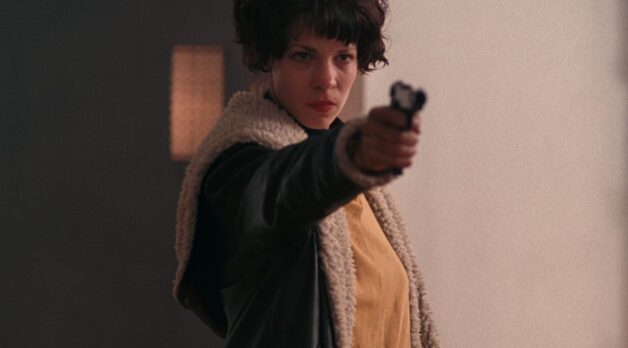
The visual style of I Shot Andy Warhol was heavily influenced by documentary photography of the 1960s. Harron and Kuras looked to the works of Diane Arbus for the hotel sequences, emphasizing negative space and a sense of isolation. They also drew inspiration from Larry Clark’s Kids (1995) to achieve a sense of "poetic realism." By avoiding the stylized tropes of Hollywood period pieces and instead relying on magazines and archival footage, the production team created a world that felt authentic to the period’s sensory experience.
The Evolution of the SCUM Manifesto’s Cultural Standing
A significant portion of the film’s narrative is dedicated to the dissemination of the SCUM Manifesto. In the late 1980s and early 90s, when Harron was developing the script, the manifesto was a "weirdo outlier," known only to a small circle of radical feminists and Factory obsessives. However, the film played a major role in bringing the text back into the public consciousness.
Since the film’s release, the manifesto has undergone several cycles of reclamation. In the 1990s, it was viewed through the lens of "angry feminism" during a period characterized by a conservative backlash against the movement. Today, the text is frequently discussed in the context of internet culture, where its extreme rhetoric and sharp irony resonate with a younger generation accustomed to "shitposting" and radical online discourse.
Harron observes that Solanas might have been more "successful" in the modern era, where social media allows outsiders to bypass traditional gatekeepers and find an audience directly. In 1968, Solanas was dependent on figures like Warhol and the publisher Maurice Girodias—men who, while providing her with a platform, also exerted a level of control that Solanas found intolerable.
Critical Analysis and Broader Implications
The rerelease of I Shot Andy Warhol arrives at a moment of heightened sensitivity regarding gender politics and the ethics of the "gendered economy." The film highlights how Warhol’s Factory functioned similarly to a Hollywood studio, where "superstars" like Edie Sedgwick or Candy Darling were celebrated and then discarded once they became "too difficult."
Harron’s refusal to assign simple labels of "hero" or "villain" to her subjects remains one of the film’s most provocative features. While she sympathizes with Solanas’s longing to be heard, she does not shy away from the "disturbing and awful" elements of her philosophy. This ambiguity forces the audience to engage with the material on a deeper level, questioning the boundaries between madness and radicalism, and between artistic expression and violence.
Furthermore, the film’s conclusion, which notes that the SCUM Manifesto has become a "classic radical feminist text," reflects the shifting reality of Solanas’s legacy. When the film was first released, this statement was seen by some as an ideological stretch. Today, given the text’s widespread publication and its inclusion in academic curricula, the statement has become a factual reality.
Conclusion: The Enduring Legacy of the Outsider
I Shot Andy Warhol remains a definitive work of the 1990s independent film movement, not only for its subject matter but for its commitment to a specific, uncompromising aesthetic. As the 4K restoration brings the film to a new generation of viewers, its exploration of the "pathology" of fame and the desperation of the outsider continues to resonate.
By centering the narrative on Valerie Solanas—a woman the culture could not "easily metabolize"—Mary Harron created a film that transcends the biopic genre. It stands as a testament to the power of the marginal voice and a reminder of the complex, often violent intersections between art, politics, and personhood. In an era where the "backlash" against feminism has become increasingly visible, the return of I Shot Andy Warhol serves as both a historical mirror and a timely provocation.