Diamond, the feature directorial debut of acclaimed actor Andy Garcia, plunges audiences into a modern Los Angeles steeped in the shadows and sensibilities of classic film noir. The film, running at 118 minutes, stars Garcia himself as Joe Diamond, a private investigator whose anachronistic lifestyle and keen deductive skills set him apart in a city of angels that harbors its own brand of darkness. The ensemble cast includes notable talents such as Brendan Fraser, Dustin Hoffman, Bill Murray, Robert Patrick, Rosemarie DeWitt, Danny Huston, and Vicky Krieps. Garcia also helmed writing duties for the project, which reportedly has been in development for nearly two decades.
A Detective Adrift in the Modern Age
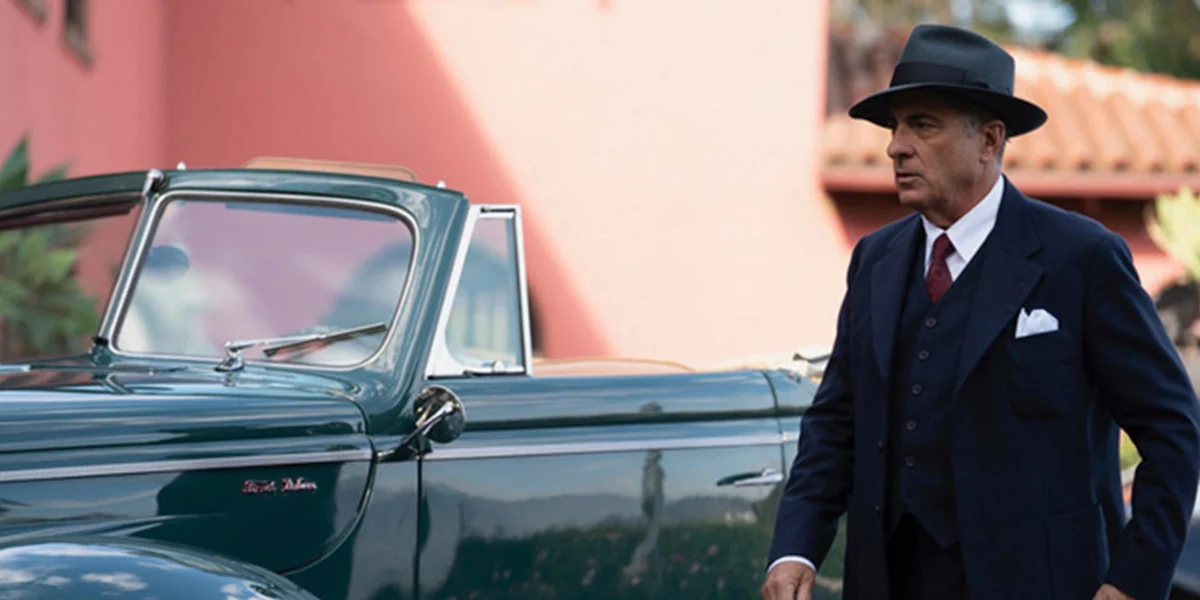
The narrative centers on Joe Diamond, a character who appears to exist in a temporal anomaly. From the opening scenes within his sparse, brick-walled Los Angeles apartment, Diamond meticulously prepares for his day in a manner reminiscent of mid-20th-century gumshoes. Donning a suit and fedora, taking a measured sip of whiskey, and playing records on a vintage player, he eschews modern conveniences like cellphones. This deliberate choice to disconnect from contemporary technology is starkly contrasted with the urban landscape he navigates. The realization of Diamond’s psychological detachment from the present day dawns as he encounters modern vehicles and cityscapes, highlighting his self-imposed exile from the 21st century. His private office, complete with a secretary and older communication devices, further solidifies his persona as an urban legend, a throwback detective whose methods and demeanor belong to a bygone era. Despite his unconventional approach, Diamond possesses an uncanny ability to solve crimes that elude law enforcement, relying on his sharp wit, street smarts, and an old-fashioned charm that disarms those he encounters.
The Sharon Cobbs Murder: A Case of Instinct vs. Evidence
The central plotline of "Diamond" revolves around the murder of wealthy socialite Sharon Cobbs, portrayed by Vicky Krieps. The Los Angeles Police Department, spearheaded by Detective Danny McVicar (Brendan Fraser), quickly identifies Cobbs as the prime suspect. However, Joe Diamond, hired by Sharon and guided by his own unwavering instincts, believes her innocence. This divergence from the official narrative sets the stage for Diamond’s investigation, which, while framed by the conventions of a murder mystery, primarily serves as a vehicle for exploring the emotional complexities of its characters and paying homage to the atmospheric qualities of classic noir cinema. The film uses the detective framework not for intricate plot twists, but to foster engaging character interactions and to delve into the melancholic undertones beneath Diamond’s carefully constructed persona.
A Stellar Ensemble Supporting a Singular Vision
Andy Garcia has meticulously curated a cast that complements his vision for "Diamond." Brendan Fraser’s portrayal of Detective McVicar offers a fascinating dynamic with Diamond, oscillating between professional skepticism and an almost grudging admiration for the private investigator’s unconventional success. McVicar’s dry amusement at Diamond’s methods and his willingness to accept assistance when it yields results underscores the film’s focus on character relationships over strict procedural accuracy.
Adding to the rich tapestry of characters are Bill Murray as Jimbo, Diamond’s ostensibly legal advisor and bartender, and Dustin Hoffman as Dr. Harry Kleiman, a local coroner with a penchant for dark humor. These supporting roles are integral to establishing the film’s unique milieu, where each character accepts Diamond at face value, recognizing his effectiveness despite his eccentricities. The film also features Demián Bichir as Alberto Echevarria, the Cobbs’ gardener; Yul Vazquez as Sharon Cobbs’ butler; and Rosemarie DeWitt as Angel, a mysterious woman with an apparent fascination for Diamond. While these actors may not deliver career-defining performances, they seamlessly integrate into Garcia’s carefully crafted world, contributing to the film’s overall aesthetic and thematic resonance.
Roots in Classic Noir and a Two-Decade Journey
The genesis of "Diamond" traces back nearly twenty years, stemming from Garcia’s involvement in a high school project with his daughter that explored the storytelling techniques of Raymond Chandler and the noir genre. This prolonged gestation period has imbued the film with a deeply personal touch, evident in the character of Joe Diamond, who feels less like a constructed protagonist and more like an extension of Garcia’s own creative spirit. Some of the improvised dialogue and narrative elements from that early exercise have even found their way into the final cut, underscoring the character’s organic development.
Garcia’s profound connection to Los Angeles is also a palpable force in "Diamond." The city is not merely a backdrop but an active participant, its diverse locations captured with an affectionate gaze. Shot across numerous sites in a relatively swift twenty-five-day production period, the cinematography by Tim Suhrstedt aims to evoke the visual language of classic noir. Drawing inspiration from the evocative works of Edward Hopper and the atmospheric photography of Fan Ho, the film employs natural lighting and practical light sources to create a visual palette that oscillates between the past and the present. These efforts succeed in rendering downtown Los Angeles with a distinct sense of place, a city caught in a perpetual state of nostalgia and modern urgency.
A Score That Transports and a Narrative Lacking Momentum
The film’s auditory landscape is as crucial to its temporal displacement as its visuals. The jazzy score, a collaboration between Arturo Sandoval and Garcia himself, effectively transports the audience to a different era. Sandoval’s nuanced trumpet melodies and classic jazz arrangements contribute to a dreamlike atmosphere, further emphasizing Joe Diamond’s psychological distance from the contemporary world. The film’s pacing is deliberately light and comforting, eschewing graphic violence and overt darkness for a more introspective tone.
However, despite Garcia’s earnest efforts to craft a nostalgic and distinctive cinematic experience, "Diamond" grapples with narrative momentum. Certain plot developments, such as a significant physical altercation Diamond endures that is revealed only in retrospect, disrupt the film’s flow and raise questions about its storytelling choices. The film’s structural integrity falters in its latter half, failing to build towards a compelling climax. The potential for increased stakes, driven by the machinations of characters like Danny Huston’s Bruce Tenenbaum, the Cobbs’ lawyer, and Detective McVicar, never fully materializes. Instead, "Diamond" ultimately reveals itself to be a character study focused on the theme of escapism. While this thematic shift holds promise, its execution lacks the impact it might have achieved with a more refined narrative arc. The film’s affinity for genre conventions, while a source of its charm, sometimes clashes with its more experimental inclinations, leading to a somewhat uneven final product.
A Director’s Affection and a Character’s Vulnerability
Despite the structural challenges, Andy Garcia delivers a captivating performance as Joe Diamond. His portrayal of the titular detective is imbued with a delightful charisma in moments of pure Diamond persona, and later, with a palpable sadness as he navigates Joe’s internal struggles. This vulnerability, expressed with nuance and heartbreaking sincerity, almost elevates "Diamond" beyond its narrative shortcomings. While the film may be unevenly assembled and lose its footing in places, Garcia’s evident affection for his idiosyncratic detective and the classic Hollywood world he inhabits is undeniable. Much like Joe Diamond himself, the film often feels out of sync with its time, occasionally disoriented and imperfect, yet possesses an enduring charm that makes it difficult not to champion. The film’s commitment to its anachronistic protagonist and its affectionate nod to a bygone cinematic era offer a unique, if flawed, cinematic journey.