Makoto Ueda, a celebrated playwright and the visionary behind the acclaimed theatre troupe Europe Kikaku, has consistently pushed the boundaries of narrative storytelling, particularly within the realm of short, location-based science fiction. His distinctive approach, characterized by a limited cast and a potent blend of humor and speculative fiction, has previously captivated audiences in feature films such as "Summer Time Machine Blues," "Beyond the Infinite Two Minutes," and "River." These works, often produced with micro-budgets, have showcased Ueda’s remarkable ability to translate complex, imaginative concepts into engaging cinematic experiences. This year marks a significant milestone for Ueda as he steps behind the camera for his directorial debut with "You are the Film," a project that promises to further solidify his reputation as a master of inventive, character-driven science fiction. The film, which recently premiered and garnered significant attention, offers a fresh exploration of interconnected realities and the unexpected connections that can form across seemingly disparate spaces.
The Genesis of a Multiverse: From Stage to Screen
Ueda’s foray into directing is not a departure from his established thematic interests but rather a natural evolution of his artistic voice. Europe Kikaku’s theatrical productions have long been a breeding ground for Ueda’s signature style: concise narratives, often confined to specific locales, that leverage the inherent limitations of stagecraft to amplify their imaginative scope. This philosophy has translated seamlessly to film, where he has demonstrated a keen understanding of how to maximize limited resources for maximum narrative impact. "Beyond the Infinite Two Minutes," for instance, masterfully employed a single-location setting and a ticking clock to generate suspense and humor, while "Summer Time Machine Blues" utilized a confined space and a time-traveling device to create a delightful comedic chaos. "River" continued this trend, showcasing Ueda’s continued ability to craft compelling stories within a focused framework.
"You are the Film" appears to be a culmination of these cinematic explorations, building upon the foundations laid in his previous screenwriting endeavors. The film’s premise, which centers on two individuals who discover they can communicate across separate cinema screens, is a testament to Ueda’s enduring fascination with unconventional conduits of connection. This concept echoes the thematic threads of his earlier works, where technology or fantastical devices served as bridges between different times or dimensions. In "You are the Film," the cinema itself becomes the nexus, a metaphorical space where individual experiences can bleed into one another, blurring the lines between reality and fiction.
A Tale of Two Theaters and an Unforeseen Connection
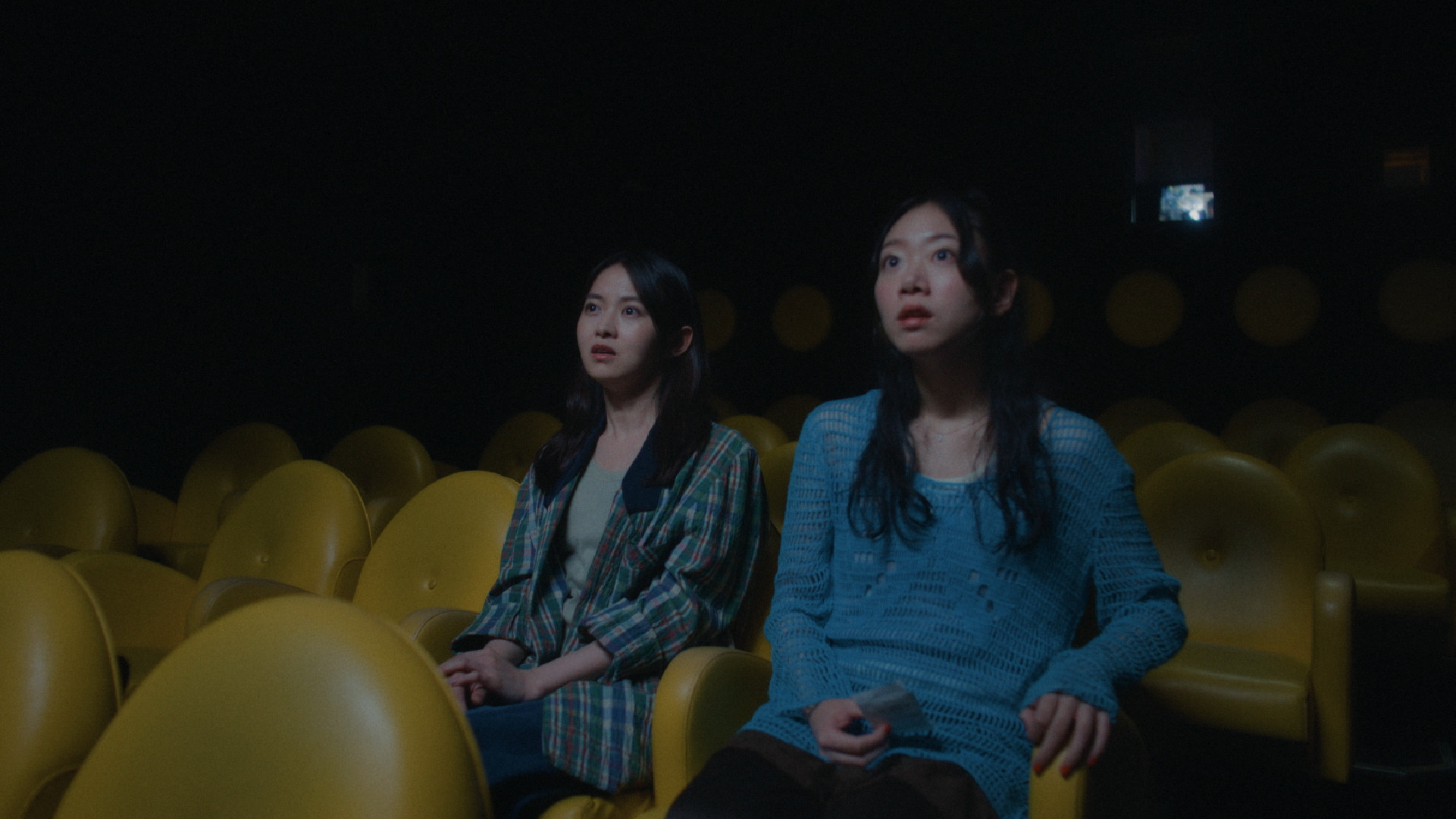
The narrative of "You are the Film" is intricately woven around the serendipitous encounter of two individuals within the vibrant cultural landscape of Tokyo’s Shimokitazawa district. Madoka, a playwright associated with the theatre troupe Europe Kikaku, is initially drawn to a local indie cinema, Tollywood, at the suggestion of a manager at the nearby Good Heavens pub. Her intended viewing is "Sangenjaya Escape," a film that promises to offer a respite from her own creative endeavors.
Simultaneously, Kazuma, the frontman of a struggling band, finds himself at a similar crossroads. Frustrated by his bandmates’ lack of success and influenced by the recommendation of a restaurant manager, he seeks solace in a movie at a small theater adjacent to his usual haunts. The film he chooses is "Shimokitazawa Exodus," a new release playing in the very same area. The narrative twist unfolds when Kazuma arrives at the cinema and discovers that the film’s star, Madoka, is depicted on screen, seated in a theater that mirrors his own current location. This uncanny parallel sets in motion a series of events where both Madoka and Kazuma, independently experiencing their respective films, realize they can communicate with each other through the very screens they are watching. This unique interdimensional dialogue forms the core of the film’s compelling science fiction premise.
The film’s runtime of 68 minutes, a characteristic of Ueda’s concise storytelling, suggests a tightly plotted narrative that prioritizes forward momentum. The absence of explicit explanations for the characters’ extraordinary situation further enhances the sense of mystery and invites the audience to embrace the inherent absurdity of the premise. Ueda’s established knack for reinventing narrative tropes, even within familiar concepts like time travel and loops, indicates that "You are the Film" will likely offer surprising twists and turns, pushing the story into unpredictable and potentially exhilarating territory. While past works have often concluded with a sense of neat resolution, Ueda’s decision to opt for a different kind of ending in his directorial debut hints at a more nuanced or perhaps open-ended conclusion, one that is still designed to leave a lasting positive impression on the viewer.
A Signature Style in Directorial Debut
For those familiar with Makoto Ueda’s previous cinematic contributions, "You are the Film" is replete with the hallmarks that define his distinctive style. The film’s thematic exploration of interconnectedness, facilitated by unconventional means, directly parallels the narrative devices employed in "Beyond the Infinite Two Minutes" (computer screens linking past and future) and "Summer Time Machine Blues" (a time machine connecting different eras). In "You are the Film," the theater room and the cinema screen serve as the central conduits, creating a unique multiverse where individual realities can intersect. This creative use of setting and premise allows Ueda to explore the inherent chaos, confusion, and ultimately, the brilliance that often arises from such whimsical and speculative concepts.
The film’s kinetic pace and engaging narrative, despite the inherent challenges of its premise, have been noted for their ability to fully immerse the audience in the characters’ peculiar predicament. Ueda’s mastery lies in his capacity to imbue even repetitive or cyclical narrative structures with a sense of fresh invention. This approach ensures that "You are the Film" avoids the pitfalls of becoming monotonous, instead propelling the story into unexpected directions, particularly in its latter half. The film’s transition into more pronounced science fiction elements, coupled with its hilariously absurd moments, is a testament to Ueda’s skillful navigation of the multiverse he has established. While his previous works have often culminated in a neatly tied-up, optimistic conclusion, "You are the Film" deviates slightly, offering an ending that, while perhaps not as conventionally resolved, is still crafted to elicit a smile and leave a positive, memorable impression.
The Ensembles of Europe Kikaku and Rising Stars
The acting ensemble in "You are the Film" mirrors the distinctive, quirky style often associated with Europe Kikaku productions. The performances are characterized by a delightful blend of slight exaggeration and grounded authenticity, creating a playful viewing experience that perfectly complements the fantastical nature of the story. Marika Ito, a former member of the popular idol group Nogizaka46, takes on the role of Madoka, portraying her with a wide-eyed confusion that effectively conveys her character’s bewilderment. Kai Inowaki embodies Kazuma, and the chemistry between Ito and Inowaki is palpable, even though their primary interactions occur through the mediated experience of cinema screens. Ito, in particular, is noted for her ability to explore dramatic nuances amidst the film’s absurdity, particularly as her character’s dynamics with her theatre troupe members evolve.
The supporting cast is populated by familiar faces from the Europe Kikaku repertoire, further reinforcing the troupe’s collaborative spirit. Notably, Munenori Nagano appears as a stranger who traverses the multiverse, a role that solidifies his status as a consistent collaborator across Ueda’s cinematic projects. Nagano’s presence in all three of Ueda’s aforementioned feature films, as well as this directorial debut, underscores the strong creative bonds within the Europe Kikaku community. This consistent ensemble allows for a deep understanding of Ueda’s directorial vision and contributes to the unique, cohesive tone of his films.
Cinematographic Prowess and Thematic Resonance
"You are the Film" further distinguishes itself through its fluid and dynamic camera work, a characteristic shared with Ueda’s previous cinematic endeavors. The prevalent use of long takes and tracking shots contributes to a sense of immersion and immediacy, drawing the audience deeper into the narrative. The film’s primary settings—the theater, a pub, a restaurant, and a clothing store—are strategically chosen to facilitate these continuous camera movements. This deliberate choice allows the camera to effectively follow the two lead characters through their interconnected journeys, creating a dizzying effect that heightens the sense of madness and confusion inherent in their situation. This visual approach not only enhances the storytelling but also amplifies the thematic exploration of characters navigating disorienting and interconnected realities.
The film’s visual language, therefore, is not merely aesthetic but integral to the narrative’s impact. The seamless tracking shots and prolonged takes can be interpreted as a cinematic representation of the interconnectedness that the characters experience. They create a continuous flow, mirroring how their individual realities begin to merge and influence one another. This technical execution, combined with the inherent intimacy of the film’s limited locations, fosters a palpable sense of shared experience, even as the characters remain physically separated.
A Promising Directorial Debut and the Future of Micro-Budget Sci-Fi
In conclusion, "You are the Film" stands as a strong and compelling directorial debut for Makoto Ueda. It is a testament to his enduring talent for crafting inventive, inspired, and remarkably humorous micro-budget science fiction. The film reaffirms his position as a filmmaker who can consistently deliver engaging narratives that push creative boundaries. Ueda’s ability to translate complex, often abstract, concepts into accessible and entertaining cinematic experiences is a rare gift. "You are the Film" not only showcases his prowess as a director but also reinforces his standing as a writer capable of evolving his signature style. As he continues to explore the possibilities of genre filmmaking, "You are the Film" signals a bright future for both Ueda and the independent science fiction landscape, demonstrating that compelling storytelling and imaginative concepts can thrive even within significant budgetary constraints. The film’s success is likely to inspire further exploration of these unique narrative avenues, proving that ingenuity and a strong vision can indeed be the most powerful tools in filmmaking. The enduring appeal of Ueda’s work lies in its ability to tap into fundamental human experiences of connection and discovery, even when framed within the most extraordinary of circumstances.