

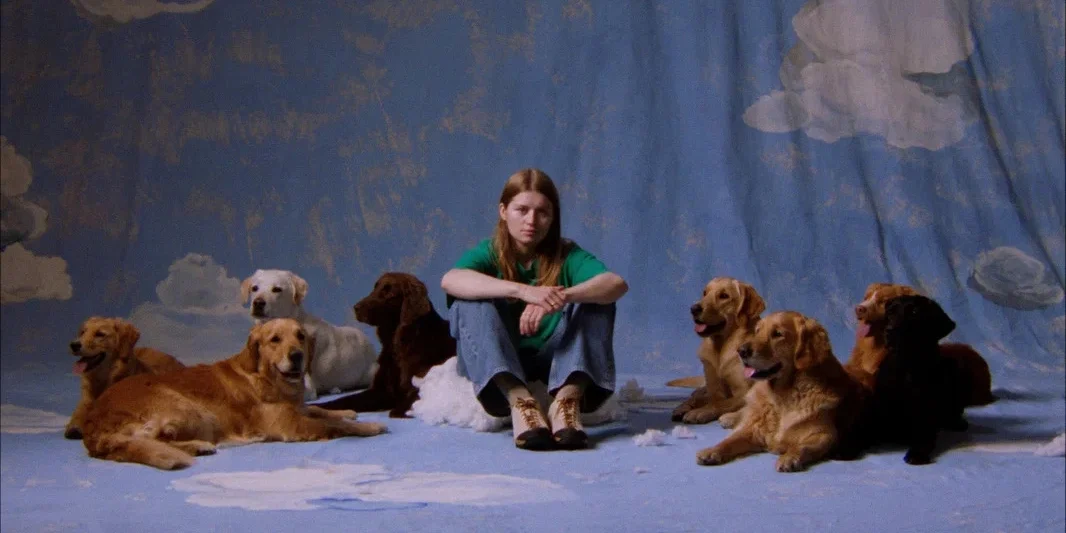
The emergence of established pop music artists venturing into independent filmmaking represents a compelling contemporary trend, offering a fresh perspective on career trajectories beyond the conventional music industry. This phenomenon, particularly noticeable within queer-coded music scenes, is gaining traction, with artists like Charli XCX collaborating with acclaimed independent directors. Now, Norwegian artist Marie Ulven, widely known as girl in red, makes her significant foray into the cinematic world with "Low Expectations," a film that delves into the personal struggles of a fictionalized musician. Directed and written by Eivind Landsvik, the 105-minute dramedy explores themes of artistic burnout, depression, and the arduous path to self-discovery.
The Genesis of "Low Expectations": From Bedroom Pop to the Silver Screen
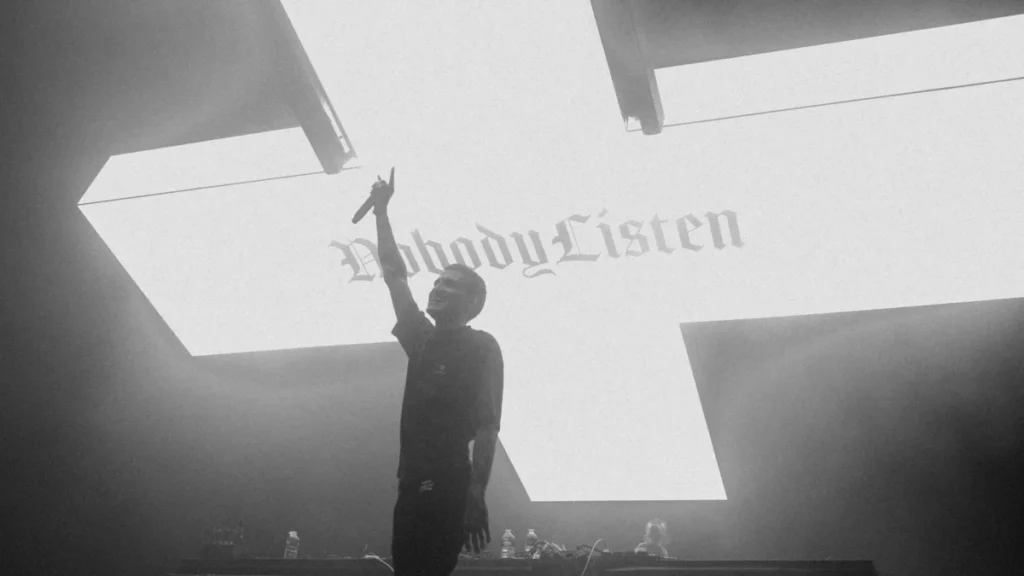
Marie Ulven’s journey to "Low Expectations" is rooted in her remarkable ascent as girl in red. Her career began organically, with early tracks uploaded to SoundCloud resonating deeply with a burgeoning online community. Her breakout hit, "I Wanna Be Your Girlfriend," became an anthem for many, particularly within the LGBTQ+ community, establishing her as a voice for adolescent heartbreak and identity. This grassroots success story, built from a bedroom studio, mirrors the trajectory of her character, Maja, in "Low Expectations."
The film’s narrative centers on Maja, a celebrated musician whose career implodes under the weight of fame and personal demons. Suffering from depression and financial ruin, Maja is forced to retreat to her childhood home and her mother’s care. Her days are spent working a part-time job at a local high school, a stark contrast to the dazzling lights of the music industry she once inhabited. It is within this unexpected quietude, surrounded by the gentle rhythms of everyday life and the support of her mother, that Maja begins her slow, delicate process of healing and rediscovery.
A Glimpse into the Creative Team and Production
The creative forces behind "Low Expectations" are central to its unique appeal. Eivind Landsvik, a newcomer to feature filmmaking, takes on the dual role of director and writer. His personal connection to Ulven’s experiences, as suggested by the film’s thematic resonance, appears to be a driving force behind the narrative. The cast features Marie Ulven in the leading role, supported by Anders Danielsen Lie, Tone Mostraum, Embla Berntsen, Snorre Kind Monsson, and Clara Dessau. The film’s runtime of 105 minutes positions it as an intimate character study, allowing ample space for the exploration of Maja’s internal landscape.
Thematic Depth: Burnout, Identity, and the Social Media Mirror
"Low Expectations" is not merely a fictionalized account of a musician’s fall from grace; it is a poignant examination of the pressures inherent in the modern entertainment industry, particularly for artists who have cultivated a strong online presence. The film boldly confronts the dark side of fame, showcasing Maja at her lowest ebb. The opening scene, depicting Maja in a state of disarray, vomiting beside a toilet, immediately establishes the raw and unflinching nature of the film’s portrayal of addiction and its consequences.
The narrative cleverly navigates the complexities of Maja’s relapse into substance abuse, a direct byproduct of her career implosion. Her return to her family home signifies a forced hiatus from the relentless demands of celebrity, providing a space for introspection. The film highlights how Maja, leveraging her mother’s influence, secures a substitute teaching position at a local school, a role she approaches with a noticeable lack of enthusiasm. This setting provides a backdrop for her gradual re-engagement with the world, far from the curated image often demanded by the public.
A significant aspect of "Low Expectations" is its exploration of Maja’s public persona versus her private reality. Landsvik introduces a compelling parallel narrative thread through the character of Aida, a teenage dancer in Maja’s class. This narrative device allows the film to examine Maja’s public image through the lens of adolescent perception, offering a nuanced critique of celebrity in the age of social media. The film interrogates the sacrifices artists make and the potential for these sacrifices to lead to self-destructive behaviors. Landsvik’s patient approach to storytelling is evident in scenes where Maja, through her craft, begins to find solace. Her graceful piano performances serve as moments of quiet rehabilitation, as she slowly reintegrates into a semblance of her former life, albeit on her own terms. The interweaving of Aida’s experiences with Maja’s struggles creates a dynamic balance between optimism and a more somber reflection on the student-teacher relationship, and the broader impact of artistic idols on young minds.
Marie Ulven’s Performance: Authenticity and Vulnerability
Central to the film’s success is Marie Ulven’s performance as Maja. Drawing from her own experiences as girl in red, Ulven delivers a performance characterized by a naturalistic authenticity. She embodies the pressures of maintaining a public image in an industry that thrives on constant attention, offering a tender and believable portrayal of an artist grappling with her vulnerabilities. Her subtle yet commanding presence on screen anchors the narrative, lending credibility to the emotional arc of her character.
Directorial Style: Echoes and Innovations
While Ulven’s performance is widely lauded, director Eivind Landsvik’s stylistic choices have been a subject of observation. His directorial debut exhibits influences from the established aesthetic of Oslo Pictures, a Norwegian production company known for its distinctive visual style. The film’s color palette, featuring lush pastels, evokes a sense of quiet contemplation, reminiscent of recent works by acclaimed directors such as Joachim Trier ("The Worst Person in the World") and his collaborators. Furthermore, the editorial approach, with its quick cuts and fast-paced B-roll used for dramatic emphasis, bears a resemblance to the techniques employed by Kristoffer Borgli.
However, the article notes that while these stylistic elements are present, their integration into Landsvik’s narrative feels less impactful. The article suggests that Landsvik is still in the process of forging his distinct artistic voice, and while "Low Expectations" showcases his potential, some of the borrowed techniques do not fully serve the narrative’s core message.
Thematic Resolution and Artistic Expression
Despite potential stylistic critiques, "Low Expectations" is praised for its compassionate engagement with Maja’s internal struggles. The film underscores the idea that artistic expression, in its purest form, often begins in youth. Aida’s passion for dance serves as a powerful narrative tool, providing a visual and thematic counterpoint to Maja’s internal reckoning.
The film’s conclusion, while acknowledged as didactic by some, offers a mature wrap-up to Maja’s journey of self-acceptance. The article points out that the ending aims to provide a clear resolution for audiences seeking definitive conclusions. However, the penultimate scene is highlighted as particularly impactful and artistically resonant. This sequence features a montage that intercuts Aida’s expressive dance routine with Maja’s return to the recording studio. This juxtaposition beautifully illustrates the solace and catharsis found in their respective artistic practices. The hypnotic visual of movement, amplified by a captivating score blending piano, strings, and electronic beats, offers a powerful, albeit brief, conclusion before a final epilogue ties up any remaining narrative threads.
Broader Implications: The Artist’s Journey in the Digital Age
"Low Expectations" arrives at a time when the lines between public and private life for artists have become increasingly blurred. The film’s exploration of Maja’s experience resonates with the broader societal discourse surrounding mental health, addiction, and the relentless scrutiny faced by public figures, especially those who build their careers on platforms like social media. The success of girl in red, a testament to the power of authentic connection with an audience, provides a unique foundation for this narrative. The film’s narrative choice to fictionalize Ulven’s experiences allows for an exploration of hypothetical challenges and triumphs, offering a fictionalized yet relatable exploration of the artist’s often-solitary journey toward healing and self-realization.
The film’s success in depicting the harsh realities of artistic burnout and the subsequent path to recovery highlights the need for greater understanding and support within the creative industries. By showcasing Maja’s journey from the depths of despair to a place of cautious optimism, "Low Expectations" offers a hopeful, albeit unvarnished, perspective on the resilience of the human spirit and the enduring power of artistic expression. The film’s critical reception, particularly regarding Ulven’s performance, suggests a promising future for artists seeking to transcend their primary creative domains and engage with new forms of storytelling. As this trend of musicians entering the film world continues to evolve, "Low Expectations" stands as a significant early example, demonstrating the potential for deeply personal narratives to find resonance on the silver screen.