


Quarter Up Games, the development studio behind the highly anticipated fighting title Invincible Vs, has officially addressed the widespread issue of player "rage quitting" that surfaced during the game’s recent open beta phase. In an extensive post-beta recap published this week, the development team provided a transparent look into the technical hurdles and behavioral trends observed during the testing period, while simultaneously detailing the rigorous systems being implemented to ensure competitive integrity ahead of the game’s scheduled launch on April 30, 2026. The announcement follows a period of intense community feedback where participants noted a high frequency of mid-match disconnections, particularly in the ranked competitive ladder, which threatened to undermine the game’s progression systems.
Contextualizing the Invincible Vs Development Cycle
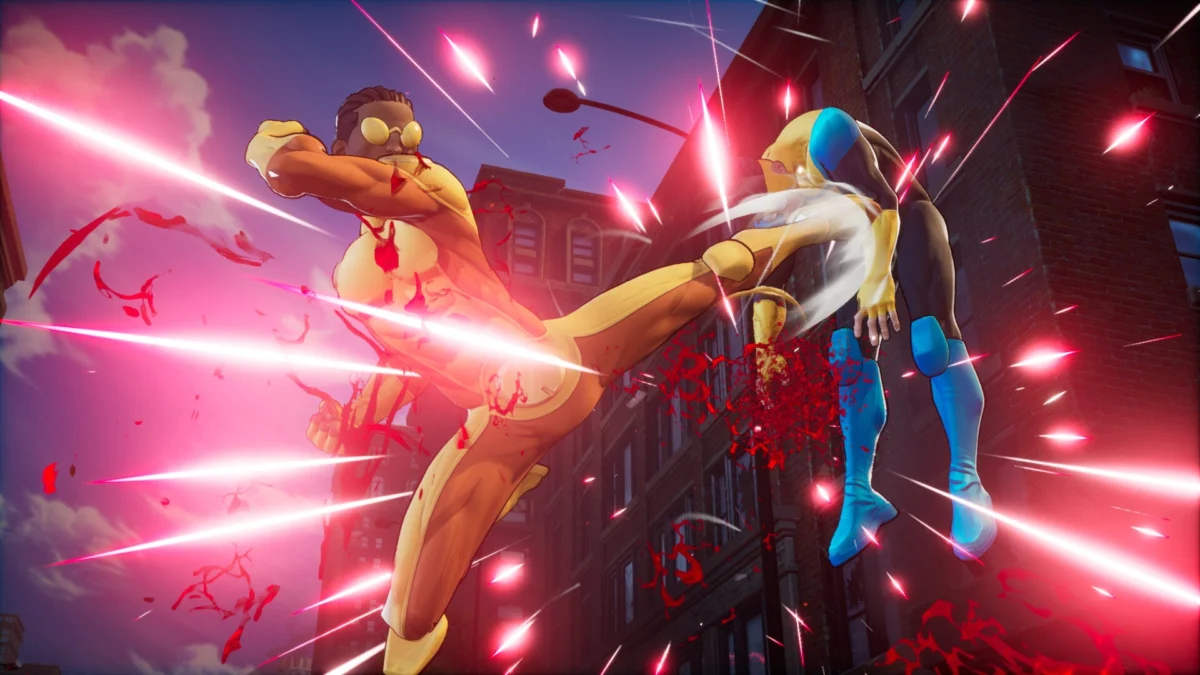
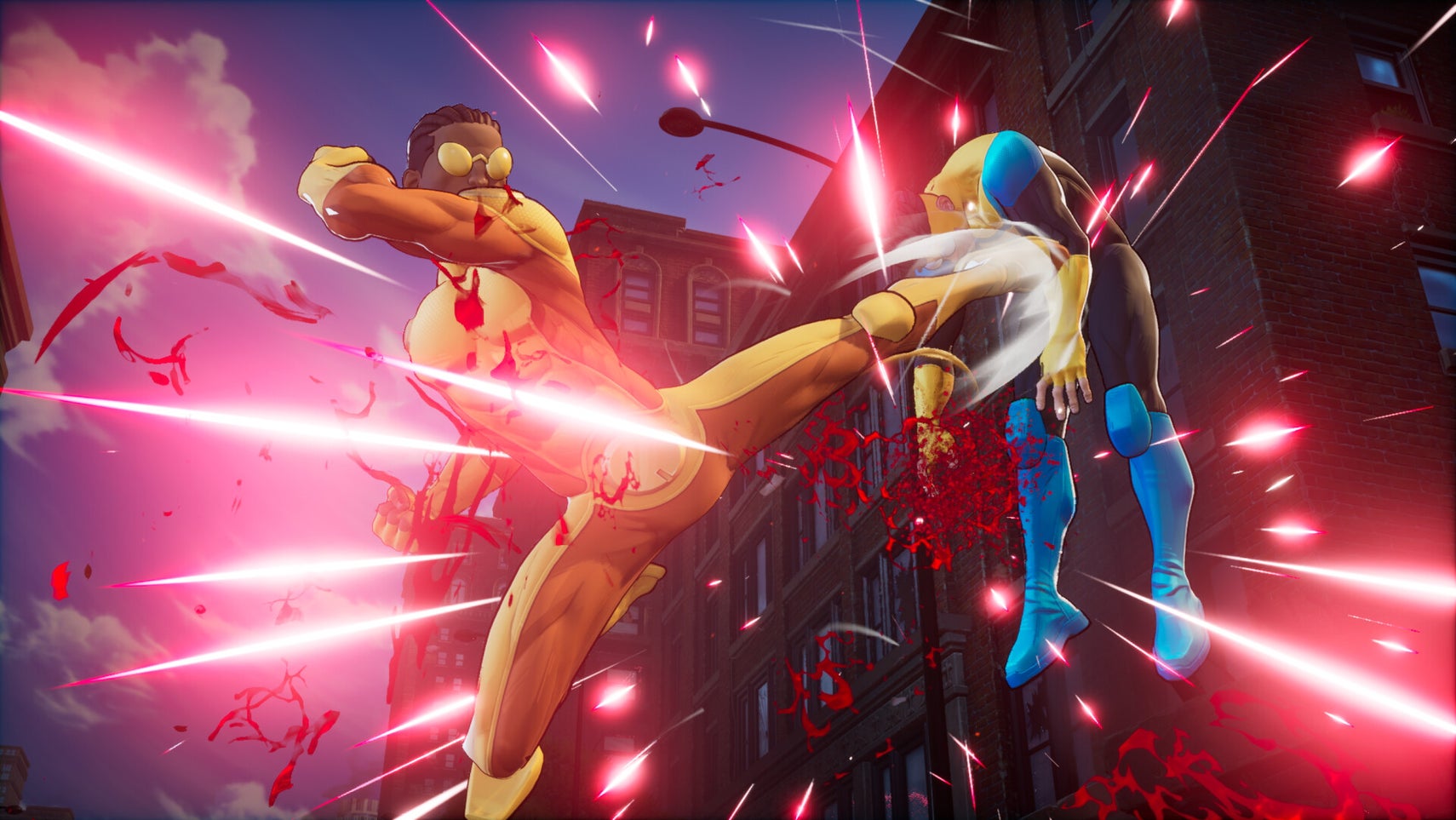
Invincible Vs represents a significant expansion of the Invincible intellectual property, moving from the acclaimed comic series by Robert Kirkman and the hit Amazon Prime Video animated series into the realm of high-fidelity, competitive fighting games. Utilizing a striking cel-shaded art style designed to mimic the aesthetic of modern comic book illustration, the game emphasizes the visceral, high-stakes violence for which the franchise is known. Quarter Up Games first unveiled a playable build of the title in 2025, receiving early praise for its mechanical foundations and its faithful recreation of characters like Omni-Man, Mark Grayson, and Allen the Alien.
The recent open beta was designed specifically to stress-test the game’s infrastructure, specifically its matchmaking algorithms and ranked point distribution. However, the data gathered during this period highlighted a significant friction point: players were frequently exiting matches prematurely when faced with an impending loss. This phenomenon, colloquially known in the fighting game community (FGC) as "rage quitting," not only ruins the experience for the winning player but also skews the accuracy of the ranking system.
Analysis of the Beta Bottlenecks and Player Behavior
In their technical breakdown, Quarter Up Games admitted that much of the frustration leading to rage quitting was exacerbated by internal system delays. The studio identified two primary "bottlenecks" that contributed to a suboptimal competitive environment during the beta.
The first was a "rank point bottleneck." According to the developers, the system responsible for updating a player’s Elo rating or rank points was not refreshing in real-time immediately following a match. This lag in visual feedback led many players to believe that leaving a match would not result in a penalty, or that the system was not tracking their losses accurately. In a competitive environment, the perception of a lack of consequences often emboldens players to bypass the natural conclusion of a match to protect their win-loss ratio.
The second issue was a "ranked data bottleneck." This flaw impacted the matchmaking service’s ability to pair players of equivalent skill levels efficiently. During the beta, some players found themselves matched against opponents far above their skill bracket. The resulting "stomps"—matches where one player has no viable path to victory—led to increased frustration and a higher propensity for players to disconnect rather than finish the set. Quarter Up Games acknowledged that without a casual queue available during the beta, players who were new to the genre or simply looking to explore character move sets were forced into high-pressure ranked matches, further compounding the issue.
Implementing the 1.0 Disciplinary Framework
To combat these issues, Quarter Up Games has overhauled the game’s back-end infrastructure for the version 1.0 release. The studio confirmed that both the rank point and data bottlenecks have been resolved. In the retail version of the game, point updates will be near-instantaneous, providing immediate visual confirmation of rank changes.
More importantly, the developers are introducing a strict penalty system for intentional disconnections. Starting at launch, any player who disconnects from a ranked match—regardless of the reason—will be automatically assessed a loss. This loss will be reflected in their public win-loss record and will result in a significant deduction of ranked points. This "forced loss" mechanic is a standard in modern competitive titles like Street Fighter 6 and Tekken 8, intended to ensure that the winning player is credited for their performance while the quitter faces the appropriate setback.
Looking beyond the immediate launch, the studio revealed a roadmap for a "Player Conduct Patch," which is slated to arrive shortly after the game’s release. This update will introduce "matchmaking cooldowns" for habitual offenders. Players who demonstrate a pattern of frequent disconnections will be temporarily barred from entering the ranked queue. These cooldowns will scale in severity, starting with short durations and potentially leading to long-term bans for those who consistently disrupt the competitive ecosystem.
Expanding Game Modes for Player Retention
A central theme of the developer’s address was the philosophy that "Invincible VS is for everyone." The studio noted that the lack of variety in the beta may have contributed to the "sweaty" or overly intense atmosphere that drove some players to quit. By providing a wider array of modes at launch, Quarter Up Games hopes to funnel different types of players into environments suited to their goals.
The full release on April 30 will include:
- Story Mode: A narrative-driven experience allowing players to engage with the Invincible lore while learning character mechanics in a low-stakes environment.
- Arcade Mode: A classic ladder-style mode for single-player practice.
- Casual Matchmaking: A non-ranked online queue where players can test new strategies without risking their standing on the leaderboard.
- Lobbies: Dedicated spaces for friends and communities to host private sessions and "winner-stays" rotations.
- Local Versus: The core competitive experience for offline tournaments and couch play.
- Progression Systems: Unlockable cosmetic items and profile badges that reward time played across all modes, not just ranked wins.
By offering these alternatives, the developers believe that the ranked queue will naturally become a more focused environment for those who are prepared for high-level competition, while casual players will have the "lab" space they need to improve without the pressure of a public ranking.
Broader Implications for the Fighting Game Genre
The proactive stance taken by Quarter Up Games reflects a growing trend in the gaming industry to prioritize "player health" and community management. For a new entry in the fighting game market, establishing a fair and functional online environment is critical for longevity. The FGC is notoriously discerning; titles that fail to address netcode issues or griefing early in their lifecycle often struggle to maintain a viable player base.
The decision to address these issues transparently before launch is seen by industry analysts as a strategic move to build trust. By admitting that the beta’s flaws were "on us," the developers have mitigated some of the community’s vitriol and shifted the focus toward the solutions being implemented. This level of transparency is becoming increasingly necessary as games-as-a-service (GaaS) models become the standard, requiring constant communication between creators and consumers.
Final Countdown to Launch
As the April 30, 2026, release date approaches, the focus for Quarter Up Games shifts from infrastructure repair to final polish and balance tuning. The studio expressed confidence that the lessons learned from the ranked beta have fortified the game’s foundations.
In the concluding remarks of their blog post, the developers issued a direct message to the participants of the beta: "The next time you get caught in a match-ending move, you’ll feel confident enough to run the set or go back to the lab and come back better." This sentiment captures the competitive spirit the studio hopes to foster—one where defeat is viewed as a learning opportunity rather than a reason to pull the plug.
With its high-profile IP, unique visual style, and now a reinforced competitive framework, Invincible Vs is positioning itself as a major contender in the 2026 gaming calendar. Whether the new penalties and matchmaking fixes will be enough to curb the "rage quitting" culture remains to be seen, but Quarter Up Games has made it clear that they are committed to defending the integrity of the fight.