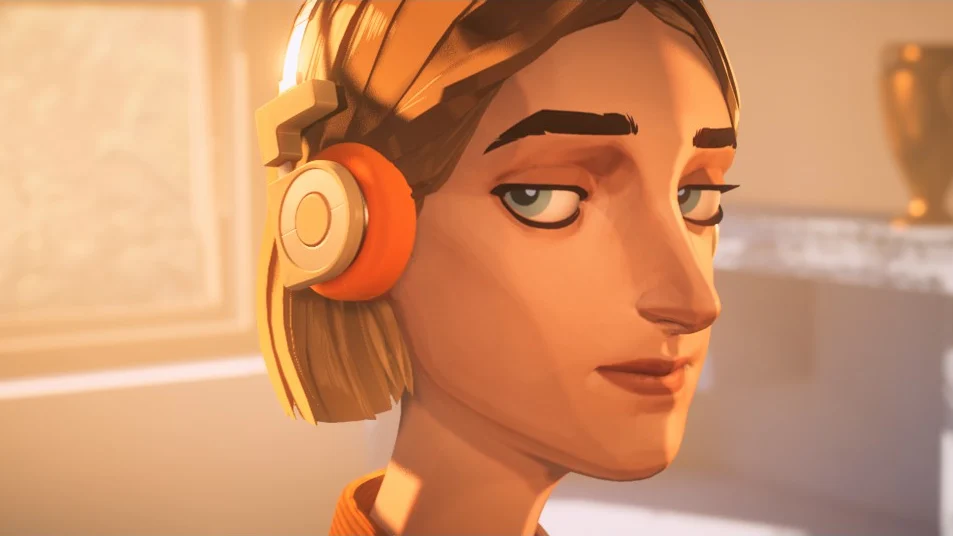
Developed by Beethoven & Dinosaur, the creative studio behind the critically acclaimed title The Artful Escape, Mixtape represents a significant evolution in narrative-driven gaming. Published by Annapurna Interactive, the game serves as a kaleidoscopic exploration of adolescence, utilizing music as both a structural foundation and a narrative catalyst. Set against the backdrop of a fictional Northern California town during the 1990s, Mixtape follows three friends—Stacey Rockford, Slater, and Cassandra—on their final day together before transitioning into adulthood. The title functions as a series of playable vignettes, each triggered by a specific musical track, effectively bridging the gap between traditional rhythm games and cinematic adventure titles. By focusing on the "universal" feelings of teenage life rather than mere chronological nostalgia, the studio has created a work that resonates across generational divides.
The Evolution of Beethoven & Dinosaur: From The Artful Escape to Mixtape
The development of Mixtape is deeply rooted in the personal and professional history of Johnny Galvatron, the studio’s founder and director. Galvatron, formerly the lead singer of the Australian rock band The Galvatrons, has long integrated his experiences in the music industry into his digital creations. His debut project, The Artful Escape, was described by the director as "therapy for my experience in the rock industry," focusing on the psychedelic and transformative power of performance. With Mixtape, the studio shifts its focus from the stage to the suburban bedroom, exploring the formative years that precede artistic discovery.
During the 2025 Summer Game Fest, Galvatron detailed the studio’s "soundtrack-first" development philosophy. Unlike most titles where the score is composed to fit existing gameplay, Mixtape was built around a pre-selected list of licensed tracks. The development team created what Galvatron termed a "horizontal slice"—a skeletal version of the entire narrative mapped out to the rhythm and emotional beats of the music—before fleshing out the mechanical and visual elements. This methodology ensures that every gameplay sequence feels intrinsically linked to the audio, mirroring the way teenagers often define their identities through the media they consume.

Narrative Structure and the "Anecdote Generator" Mechanics
Mixtape eschews a traditional linear progression in favor of a vignette-based structure. The game centers on Stacey Rockford, an aspiring music supervisor who has decided to move to New York City. As she spends her final day with Slater and Cassandra, the trio encounters various objects—a cassette tape, a photo booth, a specific brand of snack—that trigger "playable memories." These memories are not mere cutscenes but interactive sequences that the developers describe as an "anecdote generator."
The mechanical variety within these vignettes is extensive, preventing the game from falling into the "walking simulator" category that has occasionally polarized narrative game audiences. Players transition seamlessly between diverse gameplay styles, including:

- Third-Person Navigation: Skateboarding through autumnal suburban streets.
- 2.5D Side-Scrolling: High-energy running sequences that mirror the frantic pace of teenage rebellion.
- Tactile Mini-Games: Activities such as skimming stones, taking polaroid photos, and engaging in rhythmic hand-clapping games.
- Abstract Sequences: Surreal moments where characters float through the night sky or engage in metaphorical physical interactions, representing the "huge deal" that every minor emotional event feels like during puberty.
This rapid shifting of perspectives and mechanics is supported by sophisticated cinematic techniques. The game utilizes match cuts, crash zooms, and transitions between different aspect ratios and film formats to mimic the frantic, often disjointed nature of memory.
Technical Execution and Visual Identity
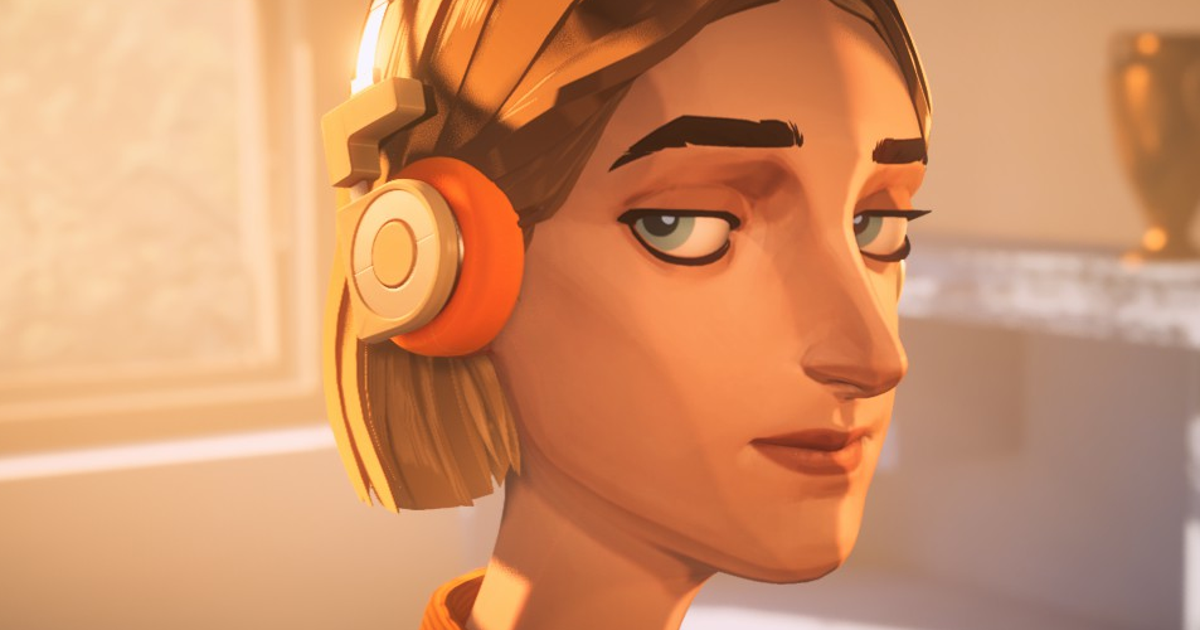
Visually, Mixtape employs a bold, stylized aesthetic that emphasizes the "forever-autumn" atmosphere of its 1990s setting. While the game features period-accurate technology—such as Blockbuster-style video stores, chunky physical media, and cassette players—the developers have stated that the goal was not historical documentation but emotional resonance. The use of archival footage blended with virtual environments creates a sense of "remembered reality" rather than objective history.

The animation quality is a particular point of technical merit. Beethoven & Dinosaur utilized lavish detail in character poses and idle animations to convey personality. For instance, in photo booth sequences, the way characters’ limbs and heads "knot together" reflects the awkward yet intimate bonds of teenage friendship. On platforms such as the Steam Deck, the game maintains its visual integrity through a vibrant color palette and high-contrast lighting, ensuring that the "powder-pink" bedrooms and neon-lit parties feel immersive and tangible.
The Role of Licensed Music and Sound Design
The soundtrack of Mixtape is a curated collection of cult favorites and era-defining tracks. The game opens with "That’s Good" by Devo, setting a tone of subversive energy. Galvatron’s selection process focused on songs that evoke a sense of "bigness"—the feeling that the future is both strange and disconnected from the present. This reliance on licensed music serves a dual purpose: it acts as a cultural touchstone for older players while providing a rhythmic framework for the gameplay.

The sound design extends beyond the music. The voice acting utilizes heavy 1990s California accents, which, while occasionally leaning into caricature, serve the game’s "unserious" and "unashamed" tone. This stylistic choice aligns with the game’s central theme: that being a teenager is an inherently performative and often "cringe-inducing" experience.
Addressing the Nostalgia Debate and Critical Reception
Since its announcement and subsequent previews, Mixtape has been the subject of significant online discourse regarding the nature of nostalgia in modern media. Some critics have argued that the game’s 1990s California setting is "millennial bait" or an inauthentic representation of the era, especially given the developer’s Australian origins. However, the studio has countered these claims by asserting that the game is about the experience of being a teenager, which is a universal phenomenon.

Johnny Galvatron has been vocal about avoiding the "Remember the Game Boy Advance?" style of nostalgia. Instead, he intended to capture the "over-sincerity" and "misplaced certainty" of youth. The game’s protagonists are intentionally portrayed as occasionally insufferable, reflecting the reality of adolescent arrogance. This radical honesty about the flaws of youth is what distinguishes Mixtape from more sentimental period pieces. The narrative acknowledges that while teenagers can be arrogant and dramatic, those traits are essential to the human process of self-determination.
Broader Implications for the Narrative Game Genre
Mixtape arrives at a time when the "narrative adventure" genre is seeking to redefine itself. By integrating high-variety mechanics with a soundtrack-driven structure, Beethoven & Dinosaur is challenging the boundaries between cinema and interactive media. The game’s success or failure may influence how other independent studios approach licensed content and non-linear storytelling.

Furthermore, the game’s publication by Annapurna Interactive reinforces the publisher’s reputation for supporting "auteur-driven" projects that prioritize emotional impact over traditional gaming tropes. In an industry increasingly dominated by live-service models and massive open-world titles, Mixtape represents a commitment to the "short-form" narrative—a tightly paced, 6-to-8-hour experience that focuses on thematic depth and artistic cohesion.
Chronology of Development and Release
- 2021: Following the release of The Artful Escape, Beethoven & Dinosaur begins conceptualizing a project focused on teenage life and mixtape culture.
- 2023: Initial soundtrack selection is finalized, and the "horizontal slice" of the narrative is completed.
- 2024: Mixtape is officially announced, showcasing its unique visual style and musical focus.
- 2025 (Summer Game Fest): Johnny Galvatron provides a deep-dive into the game’s mechanics and the "universal" nature of its themes.
- Release Window: The game is scheduled for a multi-platform release, targeting PC, Xbox Series X/S, and PlayStation 5, with optimized performance for handheld PCs like the Steam Deck.
Conclusion: An Ode to Sincerity in a Cynical Age
Ultimately, Mixtape is a defense of sincerity. In its conclusion, the game suggests that the "excessive cynicism" of adulthood can lead to a shrinking of one’s world. By encouraging players to revisit their most dramatic, awkward, and "over-the-top" selves, the game acts as a curative for the weariness of modern life. It posits that the intensity of the teenage years—the "headbanging in the car" and the "meltdowns over nothing"—is not something to be ashamed of, but something to be remembered as a period of profound "bigness." Through its sophisticated blend of music, mechanics, and memory, Mixtape stands as a definitive exploration of the transition from who we were to who we are becoming.