

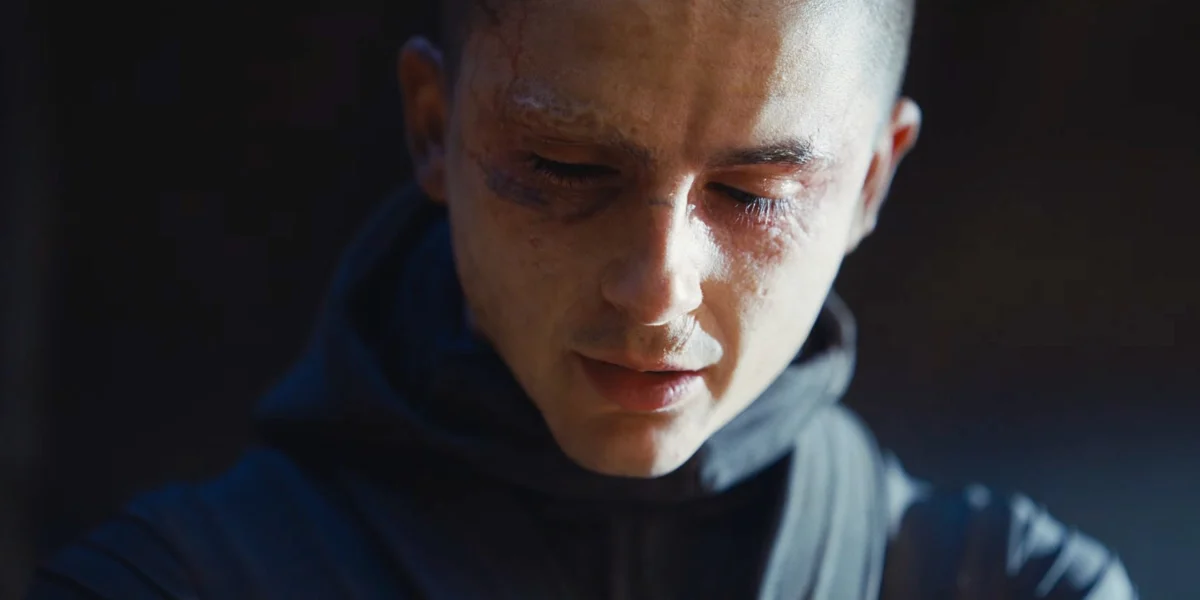
Warner Bros. has officially unveiled the trailer for Denis Villeneuve’s highly anticipated "Dune: Part Three," slated for a December 18th, 2026, theatrical release in North America, with international previews beginning December 16th, 2026. The film, a direct continuation of Villeneuve’s critically acclaimed adaptation of Frank Herbert’s seminal science fiction novels, features a star-studded ensemble cast that includes Oscar nominee Timothée Chalamet reprising his role as Paul Atreides, alongside Zendaya, Jason Momoa, Oscar nominee Florence Pugh, Rebecca Ferguson, Isaach de Bankolé, Oscar nominee Charlotte Rampling, Anya Taylor-Joy, Robert Pattinson, and Oscar winner Javier Bardem. The trailer offers a tantalizing glimpse into the complex narrative that will conclude this chapter of the Dune saga, promising a visually stunning and thematically rich cinematic experience.
A Glimpse into the Emperor’s Reign
The newly released trailer for "Dune: Part Three" plunges audiences back into the intricate political and spiritual landscape of Arrakis, nearly two decades after Paul Atreides ascended to the Imperial throne. The synopsis reveals a Paul Atreides transformed into a formidable Emperor, now grappling with the profound and often brutal consequences of his absolute power. This era is marked by the return of long-standing allies, the emergence of formidable new adversaries, and a pervasive atmosphere of treachery. The narrative appears to be deeply intertwined with Paul’s internal struggles, as he is haunted by premonitions of the Imperium’s eventual collapse and the re-emergence of a lost love, hinting at a deeply personal and high-stakes conflict. Chani is positioned at the epicenter of a sprawling conspiracy, suggesting her role will be pivotal in the unfolding events. As dissent simmers and enemies draw nearer, Paul is compelled to confront the true cost of his imperial dominion and the ultimate fate of those closest to him.
The Creative Force Behind the Spectacle
Denis Villeneuve returns to direct "Dune: Part Three," co-writing the screenplay with Brian K. Vaughan, based on the foundational novels by Frank Herbert. This marks Villeneuve’s third directorial venture into the expansive Dune universe, building upon the critical and commercial success of "Dune" (2021) and "Dune: Part Two" (2024). The production is spearheaded by a team of seasoned industry professionals. Oscar nominees Mary Parent, Cale Boyter, Villeneuve himself, and Tanya Lapointe, alongside Joe Caracciolo, serve as producers. The extensive executive producer list includes Joshua Grode, Thomas Tull, Herbert W. Gains, Brian Herbert, Byron Merritt, Kim Herbert, Kevin J. Anderson, Richard P. Rubinstein, John Harrison, and Jessica Derhammer, underscoring the significant collaborative effort involved in bringing Herbert’s complex world to the screen.
The film’s visual and auditory grandeur is further assured by an array of celebrated talents. Oscar-winning director of photography Linus Sandgren, known for his work on "La La Land" and "No Time to Die," is expected to deliver breathtaking cinematography. The imaginative world-building will be realized by Oscar-winning production designer Patrice Vermette, who previously collaborated with Villeneuve on "Arrival" and "Blade Runner 2049." Oscar-winning editor Joe Walker, a frequent collaborator with Villeneuve, will shape the narrative’s pacing and flow. The distinctive aesthetic will be further defined by Oscar-nominated costume designer Jacqueline West and Oscar-nominated casting director Francine Maisler. The sonic landscape of Arrakis will once again be masterfully crafted by Oscar-winning composer Hans Zimmer, whose iconic score has become synonymous with the Dune franchise.
A Timeline of Cinematic Achievement
The journey to "Dune: Part Three" has been a meticulously planned and executed endeavor, reflecting the ambitious scope of Frank Herbert’s literary masterpiece.

- 2016: Legendary Pictures secures the rights to adapt Frank Herbert’s "Dune" novels, signaling a renewed commitment to bringing the epic saga to the big screen after previous attempts.
- 2017: Denis Villeneuve is officially announced as the director for the first "Dune" film, a move that immediately generated excitement among fans and critics due to his proven track record with visually stunning and thematically complex science fiction, notably "Arrival" and "Blade Runner 2049."
- October 2019: Warner Bros. Pictures partners with Legendary Entertainment to co-finance and distribute the film, ensuring a broader global reach and substantial marketing support.
- April 3, 2021: "Dune" premieres in theaters and on HBO Max, receiving widespread critical acclaim for its ambitious storytelling, visual fidelity to the source material, and Villeneuve’s masterful direction. It garners significant box office success, grossing over $402 million worldwide against a $165 million budget, despite its simultaneous streaming release.
- October 2021: Following the success of the first film, Warner Bros. and Legendary officially greenlight "Dune: Part Two."
- March 1, 2024: "Dune: Part Two" is released in theaters, exceeding expectations and earning even greater critical adoration and commercial success, with a worldwide gross surpassing $711 million. It is widely lauded as a monumental achievement in modern blockbuster filmmaking.
- November 2024: Following the immense success of "Dune: Part Two," Warner Bros. and Legendary confirm that development has begun on a third film, adapting Frank Herbert’s "Dune Messiah."
- July 16, 2026: The official trailer for "Dune: Part Three" is released, providing the first substantial look at the film’s narrative and visual direction.
- December 16-18, 2026: "Dune: Part Three" is scheduled for its global theatrical release.
Distribution and Exhibition
Warner Bros. Pictures will handle the worldwide distribution of "Dune: Part Three." In China, the film will be distributed by Legendary East, a testament to the significant market appeal of the franchise in the region. The film is slated for a premium theatrical experience, with showings planned in IMAX theaters across North America, emphasizing the grand scale and immersive visual design intended by Villeneuve. The staggered international release, beginning two days prior to the North American premiere, reflects a common strategy to build global momentum and cater to diverse audience release schedules.
Box Office Performance and Critical Reception of Predecessors
The financial and critical success of "Dune" (2021) and "Dune: Part Two" (2024) laid a robust foundation for the continuation of the saga. "Dune" grossed over $402 million worldwide, a significant achievement given its simultaneous release on the HBO Max streaming platform. "Dune: Part Two" dramatically outperformed its predecessor, raking in over $711 million globally, solidifying its status as a major box office hit and a critical darling. The films have collectively earned numerous accolades, including ten Academy Award nominations for "Dune" (winning six) and eight for "Dune: Part Two" (winning four), including wins for Best Cinematography, Best Film Editing, Best Sound, and Best Visual Effects for the latter. This consistent critical praise and commercial viability underscore the franchise’s strong appeal and the audience’s hunger for Villeneuve’s visionary interpretation of Herbert’s universe.
Analysis of "Dune Messiah" as Source Material
Adapting "Dune Messiah," the second novel in Frank Herbert’s series, presents unique narrative challenges and opportunities. Unlike the more straightforward hero’s journey presented in "Dune," "Dune Messiah" delves into the darker, more complex consequences of Paul Atreides’ rise to power. The novel explores themes of religious fanaticism, political manipulation, the dangers of charismatic leadership, and the moral compromises inherent in wielding immense authority. It famously depicts Paul as a figure increasingly burdened by his prescient visions and the devastating jihad waged in his name. The potential for divisiveness among viewers, as alluded to in early reactions, stems from the novel’s critical examination of Paul’s messianic status and its rejection of a simple, triumphant narrative. Villeneuve’s demonstrated ability to navigate these thematic complexities, as evidenced in his handling of the first two films, suggests a thoughtful and nuanced approach to this more mature and challenging narrative. The trailer’s emphasis on Paul’s internal conflict and the looming specter of Imperial collapse indicates that the film will likely remain faithful to the novel’s introspective and often unsettling tone.
Potential Oscar Contention and Villeneuve’s Vision
The visual grandeur and thematic depth showcased in the trailer, coupled with the established critical success of the first two installments, strongly position "Dune: Part Three" as a significant contender in the upcoming awards season. Industry observers and critics have long speculated about Denis Villeneuve’s potential for an Academy Award for Best Director, a nomination he has surprisingly yet to receive for his work on the "Dune" films despite their widespread acclaim. The complex narrative and directorial mastery required to adapt "Dune Messiah" could finally earn him this recognition. Furthermore, the film has the potential to secure repeat wins for its technical departments, including cinematography, editing, visual effects, and sound design, while also opening doors for new Oscar victories for its ensemble cast, particularly given the potential for powerful dramatic performances exploring the characters’ internal and external struggles. The prospect of the trilogy concluding with a strong awards presence represents a significant culmination of Villeneuve’s ambitious cinematic undertaking.
Industry and Fan Reactions
While direct quotes from specific industry parties or fan groups are not provided in the initial release, the enthusiastic tone of the appended commentary suggests a highly positive reception. Phrases like "IT’S SO PEAK!!" and "this is the film of the year" indicate a strong emotional response and high expectations. The comparison to other anticipated films, such as Christopher Nolan’s "The Odyssey," further contextualizes the perceived significance of "Dune: Part Three" within the current cinematic landscape. The commentary expresses a deep faith in Villeneuve’s directorial prowess and his ability to translate Frank Herbert’s intricate world to the screen, calling his adaptation "a miracle." This sentiment, amplified across social media platforms and fan forums, underscores the considerable anticipation surrounding the film’s release. The call for audience engagement in the comments section and on X (formerly Twitter) signals Warner Bros.’ strategy to foster a strong pre-release buzz and gather public sentiment.
"Dune: Part Three" is poised to be a landmark cinematic event, continuing Denis Villeneuve’s ambitious vision for Frank Herbert’s iconic saga. With a stellar cast, a critically acclaimed creative team, and a narrative that promises to explore the profound consequences of power, the film is set to deliver a conclusion that is both visually spectacular and thematically resonant. The trailer’s release marks a significant milestone, igniting fervent anticipation for what is widely expected to be another triumph for the "Dune" franchise and a formidable contender in the landscape of prestige cinema.