ZA/UM Studio, the developer recognized for the 2019 breakout hit Disco Elysium, has officially announced a workforce reduction impacting approximately 32 employees across all departments. The decision follows the recent release of the studio’s latest title, Zero Parades: For Dead Spies, which management stated failed to meet the commercial targets necessary to sustain the organization’s current operational scale. Despite receiving high praise from critics for its narrative depth and artistic execution, the game’s financial returns have proven insufficient to support a studio that had grown to approximately 100 staff members.
The announcement was made via the studio’s social media channels on Friday, marking another turbulent chapter for a developer that has been embroiled in internal legal disputes and public controversies for several years. According to the official statement, the studio has issued redundancy or at-risk notices to staff members whose contributions were described as having left a "lasting difference" on both the latest project and the studio’s overall legacy. ZA/UM management emphasized that they have been in consultation with the ZA/UM Workers’ Alliance, a representative body for the studio’s employees, throughout the process.
The Disconnect Between Critical Acclaim and Market Performance
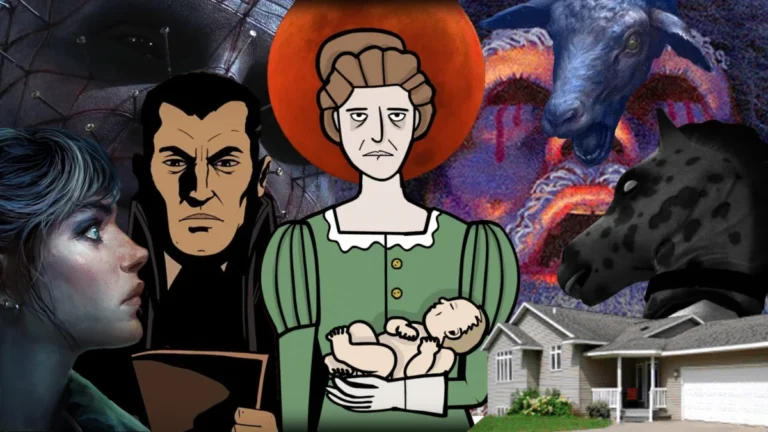
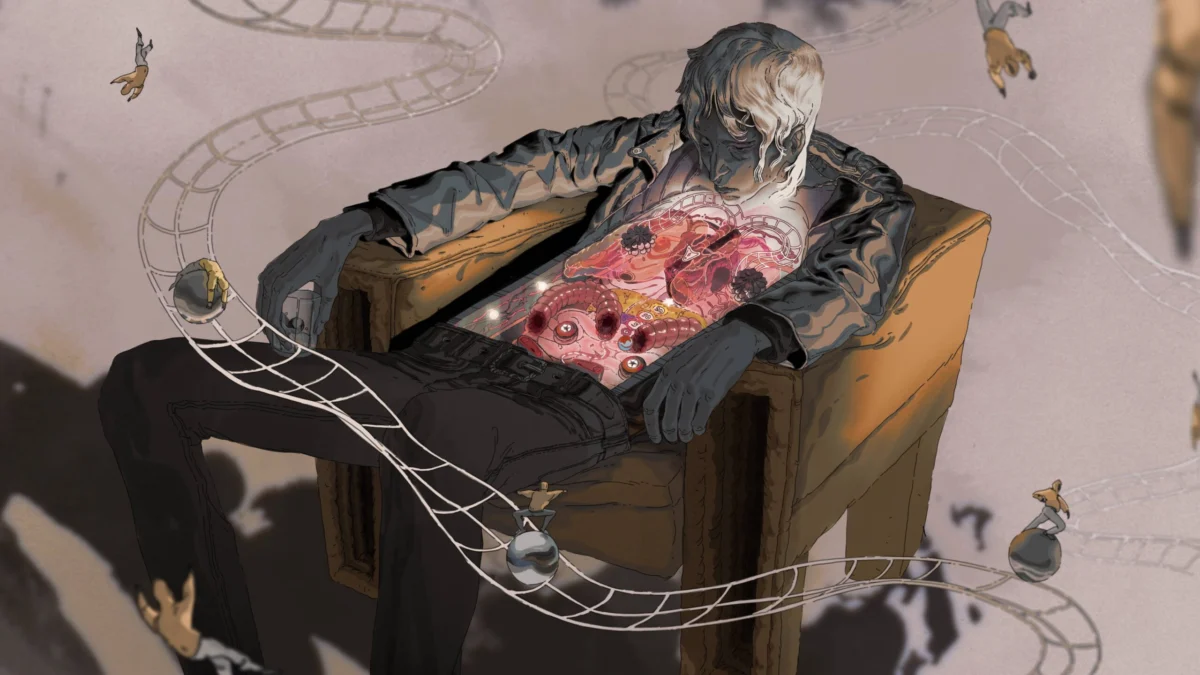
Zero Parades: For Dead Spies was released just two months ago, positioned as a spiritual successor to the mechanics and atmosphere established in Disco Elysium. The game features a complex web of espionage and philosophical inquiry, utilizing a high-prose narrative style that earned it five-star reviews from several major gaming publications. Critics praised the title for its "bristling reactivity" and its ability to weave a "messy, painful journey" through a cinematic yet mundane caricature of the human psyche.
However, critical success in the niche genre of narrative-heavy, non-combat role-playing games (RPGs) does not always translate into the high-volume sales required to maintain a large-scale development team. ZA/UM’s statement explicitly linked the layoffs to this commercial shortfall, noting that the studio’s "current size" was built on the expectation of higher revenue. This development highlights an ongoing challenge within the AA and AAA gaming sectors, where the cost of high-fidelity narrative production often exceeds the purchasing power of the target audience for experimental or "literary" games.
A Chronology of Internal Conflict and Legal Disputes
To understand the current state of ZA/UM, it is necessary to examine the timeline of events following the success of Disco Elysium. The studio’s trajectory has been defined by a protracted and public battle between its founding creative leads and its current management.
In 2019, Disco Elysium was released to near-universal acclaim, winning multiple Game of the Year awards and establishing ZA/UM as a major force in the industry. However, by late 2021, the internal culture began to fracture. In October 2022, it was revealed that the game’s director, Robert Kurvitz, art director Aleksander Rostov, and lead writer Helen Hindpere had been "summarily fired" and disconnected from the intellectual property (IP) they had spent a decade developing.
The fallout led to a series of legal actions. Kurvitz and Rostov accused the studio’s majority shareholders, Ilmar Kompus and Tõnis Haavel, of acquiring control of the studio and the Disco Elysium IP through fraudulent means. They alleged that funds intended for the development of a sequel were instead used to buy out previous shareholders, effectively using the company’s own money to seize control.
Conversely, ZA/UM management denied all allegations of financial malfeasance. They issued counter-claims alleging that the fired creators had created a "toxic work environment," engaged in verbal abuse, and attempted to illegally sell ZA/UM’s intellectual property to other gaming firms. While some of these legal battles were settled or dismissed in Estonian and UK courts, the verbal and legal sparring has continued to overshadow the studio’s creative output.
The Precedent of the 2024 Layoffs and Project Cancellations
The current round of redundancies is not the first time ZA/UM has downsized its workforce in the wake of internal restructuring. In February 2024, reports surfaced that the studio had cancelled a standalone expansion for Disco Elysium, internally referred to as "Project C." This cancellation resulted in approximately 24 employees facing redundancy, nearly a quarter of the staff at that time.
During the 2024 layoffs, reports emerged from within the studio describing a workplace "rife with crunch, burnout, and conflict." Employees alleged that the management’s focus had shifted toward aggressive commercialization, which clashed with the artistic and anti-capitalist themes that had originally defined the studio’s identity. The cancellation of Project C was seen by many industry analysts as a sign that the studio was struggling to find its footing without its original creative visionaries.
Labor Relations and the ZA/UM Workers’ Alliance
One of the more unique aspects of ZA/UM’s corporate structure is its relationship with organized labor. In late 2023, ZA/UM staff formed the first recognized video game developers’ union in the United Kingdom, represented by the Independent Workers Union of Great Britain (IWGB). This move was a direct response to the instability caused by the management disputes and the high-pressure environment of modern game development.
In the wake of the latest layoff announcement, ZA/UM has made a point to mention its ongoing consultation with the ZA/UM Workers’ Alliance. While the union provides a platform for employees to negotiate severance and support, the structural reality of the studio’s finances has seemingly rendered these protections secondary to the necessity of cost-cutting. The union’s presence remains a critical factor in how these layoffs are managed, ensuring that "at-risk" notices and redundancy procedures follow strict legal and ethical guidelines.
The Rise of Spiritual Successors and a Fragmented Legacy
The turmoil at ZA/UM has led to a fragmentation of the "Disco-like" genre. As the original studio struggles with commercial viability and internal morale, former employees have branched out to form their own independent entities. Currently, at least four separate studios have been established by ex-ZA/UM staff, each aiming to capture the spirit of the original 2019 masterpiece.
These include:
- Longdue Games: A studio composed of several original Disco Elysium veterans focused on narrative-driven RPGs.
- Dark Math Games: An independent developer working on a "detective RPG" that shares thematic DNA with the Revachol setting.
- Matterlight: A studio formed by former ZA/UM writers and artists.
- Summer Trip Cruise (and associated projects): While smaller in scope, this group represents another branch of the creative exodus.
The irony of this fragmentation is not lost on the gaming community. While ZA/UM retains the legal rights to the Disco Elysium IP, the creative soul of the project has been dispersed across the industry. This has created a competitive environment where ZA/UM’s Zero Parades: For Dead Spies had to compete not only with the broader market but also with the looming shadow of its own creators’ future projects.
Broader Industry Trends and the 2024 Economic Climate
The layoffs at ZA/UM do not occur in a vacuum. The video game industry has faced a massive wave of redundancies throughout 2023 and 2024. Major corporations including Sony, Microsoft, Electronic Arts, and Unity have collectively laid off tens of thousands of workers. The reasons cited across the board include a post-pandemic market correction, rising interest rates, and the escalating costs of development.
For a mid-sized studio like ZA/UM, these economic pressures are amplified. Without the safety net of a massive corporate parent, a single underperforming title can threaten the entire organization’s survival. The commercial failure of Zero Parades: For Dead Spies, despite its critical success, underscores a growing trend where mid-tier "prestige" games find it increasingly difficult to break even in a market dominated by live-service giants and blockbuster sequels.
Future Outlook for ZA/UM Studio
Despite the reduction in staff, ZA/UM has stated that its "artistic standards remain unchanged" and that the studio will "persist" in its purpose. The remaining team will likely pivot toward smaller-scale projects or focus on leveraging the existing Disco Elysium IP in new ways to generate revenue. However, the loss of 32 more staff members—on top of those lost in early 2024—leaves the studio significantly diminished in capacity.
The response from the gaming public has been largely critical, reflecting a deep-seated resentment toward the management’s handling of the studio’s original founders. For many fans, the commercial struggle of Zero Parades is viewed as a direct consequence of the "poisoned brand" resulting from years of legal warfare. As the impacted employees enter a difficult job market, the industry at large continues to watch ZA/UM as a cautionary tale of how internal corporate conflict can erode even the most successful artistic foundations.
The studio concluded its announcement by urging other developers to consider hiring the departing staff, a standard but somber acknowledgment of the talent being lost. For now, ZA/UM remains operational, but its path forward is narrower than ever, defined by the need to reconcile its high-concept artistic ambitions with the harsh realities of the global gaming economy.