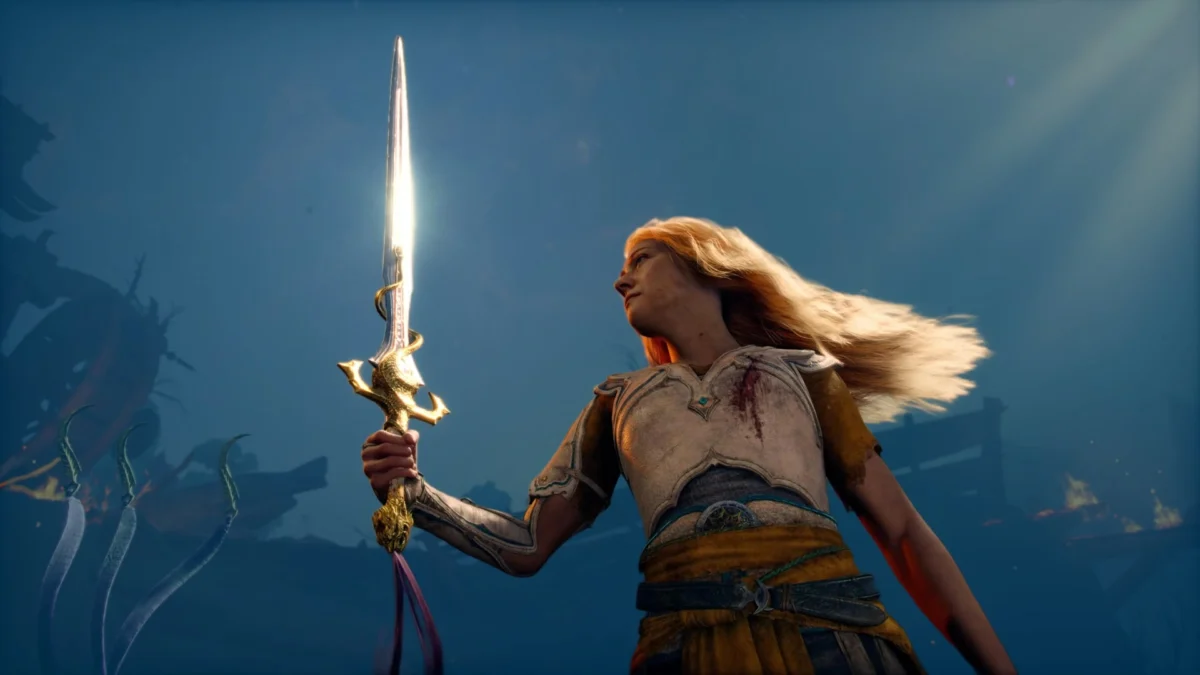
The announcement of God of War Laufey at the June State of Play presentation was intended to be a milestone moment for Sony Interactive Entertainment and Santa Monica Studio, marking a narrative expansion for one of the most successful franchises in modern gaming. However, the reveal has been met with a surprising wave of online criticism, much of it directed at the game’s protagonist and the actress portraying her, Deborah Ann Woll. Woll, who provided the voice and motion capture for the character in the 2018 God of War reboot, has recently broken her silence regarding the negativity, expressing a steadfast confidence in the project’s creative direction and final quality.
During an appearance at Florida Supercon, Woll engaged in a candid discussion with TikTok influencer quinnphobic, addressing the "anguish" expressed by certain segments of the gaming community. Despite the intensity of the remarks—many of which have targeted the character’s visual design and Woll’s own appearance—the actress revealed she remains "totally unbothered" by the situation. Her perspective offers a rare glimpse into the resilience required of high-profile actors in the digital age, particularly those stepping into lead roles within established, often protective, fanbases.
The Nature of the Backlash and Woll’s Response
The criticism surrounding God of War Laufey began almost immediately after the debut trailer aired. While some fans expressed excitement at the prospect of playing as Laufey—the legendary Frost Giant and mother of Atreus—others focused their attention on the character’s aesthetic. A subset of the community has voiced dissatisfaction with the in-game model, leading to a broader, often toxic, discourse regarding female character designs in AAA titles.
Woll’s response to this environment has been one of professional detachment and internal certainty. "Genuinely, I thought I was going to be much more offended by it, but one, I’m not on social media, so that helps, and two, I don’t know, I feel totally unbothered," Woll stated during the interview. She emphasized that her confidence stems from her firsthand knowledge of the game’s development and the narrative depth being explored. "Because I just know it’s great. It’s okay if it’s not your cup of tea, but in no universe is it bad."
This "zen" approach, as observers have described it, highlights a growing trend among industry professionals who choose to distance themselves from the immediate, often reactionary, feedback loops of social media platforms like X (formerly Twitter) and Reddit. By focusing on the craft rather than the commentary, Woll maintains that the quality of the work will eventually speak for itself when the game launches.
Chronology of Development: From Pitch to Production
The journey of God of War Laufey is not a recent development but rather the realization of a concept that has been circulating within Santa Monica Studio for several years. Internal documents and retrospective interviews suggest that the project was first pitched as early as 2018, shortly after the release of the Norse saga’s first installment.
At that time, the studio was exploring various ways to expand the lore of the "Just-In-Time" storytelling method used for Laufey (also known as Faye). In the 2018 game, Faye is a central figure whose death triggers the entire plot, yet she is never seen alive. The decision to create a standalone title centered on her life before meeting Kratos was seen as a way to flesh out the history of Jotunheim and the Aesir-Vanir war.
One of the more technical anecdotes to emerge from the early development phase involves the "controversial jelly cube." Early builds of the game used a translucent cube as a placeholder for complex environmental physics and Laufey’s unique magical abilities. This internal tool became a symbol of the game’s iterative process, representing the studio’s efforts to blend traditional God of War combat with the more ethereal, giant-based magic inherent to Laufey’s character.
Evolution of Combat and Gameplay Mechanics
A significant point of discussion for fans has been the mechanical direction of God of War Laufey. While the 2018 and 2022 (Ragnarök) titles utilized a tight, over-the-shoulder camera perspective and a deliberate, methodical combat system, the new title is reportedly pivoting back toward the franchise’s roots.
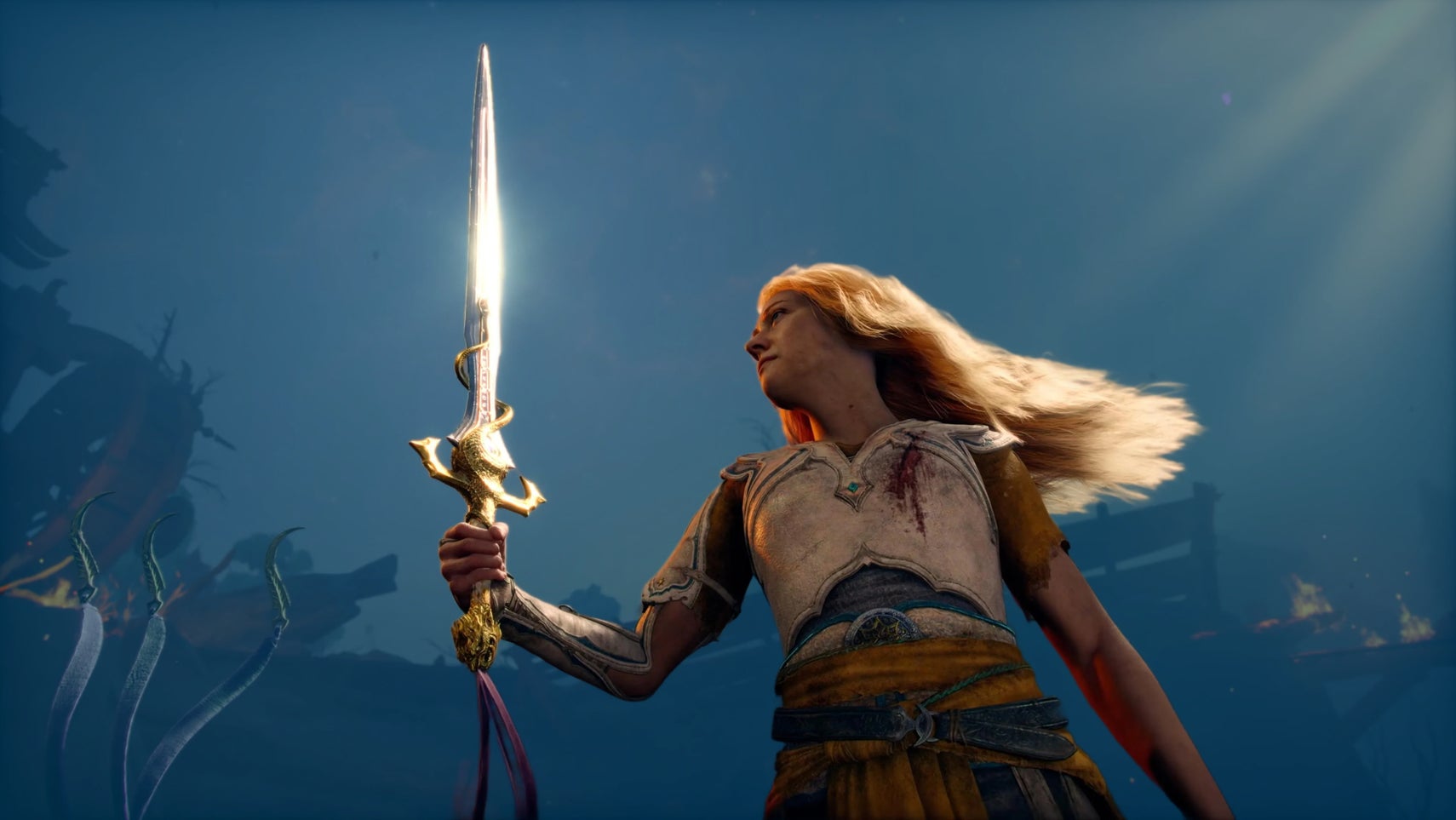
Sources close to the development team have confirmed that God of War Laufey will feature a "classic-modern meld." This approach aims to bring back the high-speed, wide-angle hack-and-slash combat characteristic of the original PlayStation 2 and PlayStation 3 trilogy, while maintaining the cinematic storytelling and character depth of the Norse era. Laufey’s primary weapon, a legendary sword seen in the promotional materials, will allow for a range of motion and aerial combat maneuvers that were largely absent from Kratos’ recent outings.
This shift in gameplay is viewed by analysts as an attempt to satisfy "legacy" fans who miss the frantic pace of the Greek era, while still appealing to the millions of new players who joined the franchise during its 2018 reinvention. The return to a more traditional combat style also serves a narrative purpose, reflecting Laufey’s reputation as a fierce and agile warrior of the Jotnar.
Physical Media and Market Strategy
In an era where the gaming industry is increasingly moving toward a digital-only future, Sony’s strategy for God of War Laufey has raised eyebrows. Despite recent corporate messaging from PlayStation suggesting a winding down of physical media support, it has been confirmed that the game will receive a full physical disc release.
This decision is seen as a nod to the "collector" demographic and a recognition of the God of War brand’s prestige. For many fans, owning a physical copy of a flagship Sony title is a tradition, and the decision to provide a disc for Laufey suggests that Sony still views physical retail as a viable component for its "tentpole" exclusives. This move contrasts with other recent industry trends, such as the digital-only launches of high-profile titles like Alan Wake 2, and reaffirms Sony’s commitment to providing consumer choice for its most significant intellectual properties.
The Broader God of War Universe: TV and Future Games
The discussion surrounding Deborah Ann Woll and the new game comes at a time of significant transition for the God of War franchise as a whole. Sony is not only expanding the series through interactive media but also through a high-budget television adaptation currently in development at Amazon Prime Video.
The TV series recently made headlines following an unfortunate on-set accident involving actor Ryan Hurst. Originally cast to play a significant role (after his acclaimed performance as Thor in the games), Hurst suffered an injury that has necessitated a recast. This development has added a layer of complexity to the production, as the showrunners seek to maintain the momentum of the adaptation while ensuring the safety and health of the cast.

Furthermore, Santa Monica Studio has signaled that God of War Laufey is not the end of the road for the series’ original protagonist. While the new game focuses on Faye, the studio has reassured fans that "more Kratos games are coming." This multi-pronged approach—prequel titles, television expansions, and future sequels—indicates that Sony intends to transform God of War into a sprawling, interconnected universe similar to the Marvel Cinematic Universe or Star Wars.
Fact-Based Analysis of Implications
The backlash against God of War Laufey and Deborah Ann Woll serves as a case study for the current state of fan-developer relations. While constructive criticism is a standard part of any product launch, the shift toward personal attacks and aesthetic policing presents a challenge for studios attempting to diversify their narratives and protagonist rosters.
From a business perspective, the success of God of War Laufey will likely determine the feasibility of future spin-offs within the franchise. If the game performs well despite the initial online friction, it will validate Sony’s strategy of exploring secondary characters. If the backlash translates into poor sales, it may lead to a more conservative approach in the future, potentially tethering the franchise more strictly to the character of Kratos.
However, the historical data for the franchise suggests a high level of brand loyalty. The 2018 God of War sold over 23 million copies, and God of War Ragnarök surpassed 15 million units in a fraction of that time. Given this track record, industry experts predict that the "silent majority" of players will likely embrace the new title regardless of the social media discourse, provided the gameplay and story meet the high standards established by Santa Monica Studio.
Looking Ahead to 2027
While God of War Laufey currently lacks a specific release date, internal projections and industry leaks point toward a 2027 launch window. This timeline would allow for a full development cycle on the PlayStation 5, potentially pushing the console’s hardware to its limits before the eventual transition to next-generation hardware.
As the industry waits for more gameplay footage and story details, the focus remains on the resilience of the creative team. Deborah Ann Woll’s refusal to be swayed by online negativity sets a professional precedent, suggesting that the team is prioritizing the artistic vision over the volatile winds of internet trends. For fans of the series, the promise of returning to the brutal, beautiful world of Midgard—this time through the eyes of the woman who started it all—remains a compelling prospect that transcends the current controversy.