The independent film circuit has long served as a laboratory for directors seeking to challenge the boundaries of conventional storytelling, and Georgia Bernstein’s feature debut, Night Nurse (2026), represents a significant entry into this tradition. Premiering in the NEXT competition at the Sundance Film Festival—a category specifically designed to highlight innovative, forward-thinking works—the film has garnered attention for its refusal to adhere to the "safe" narrative structures often found in contemporary festival programming. Scheduled for a wide release on July 10 via IFC Films, Night Nurse explores the intersection of elder fraud, memory-care ethics, and complex psychosexual power dynamics, marking a distinct shift in the portrayal of domestic and institutional spaces in independent cinema.
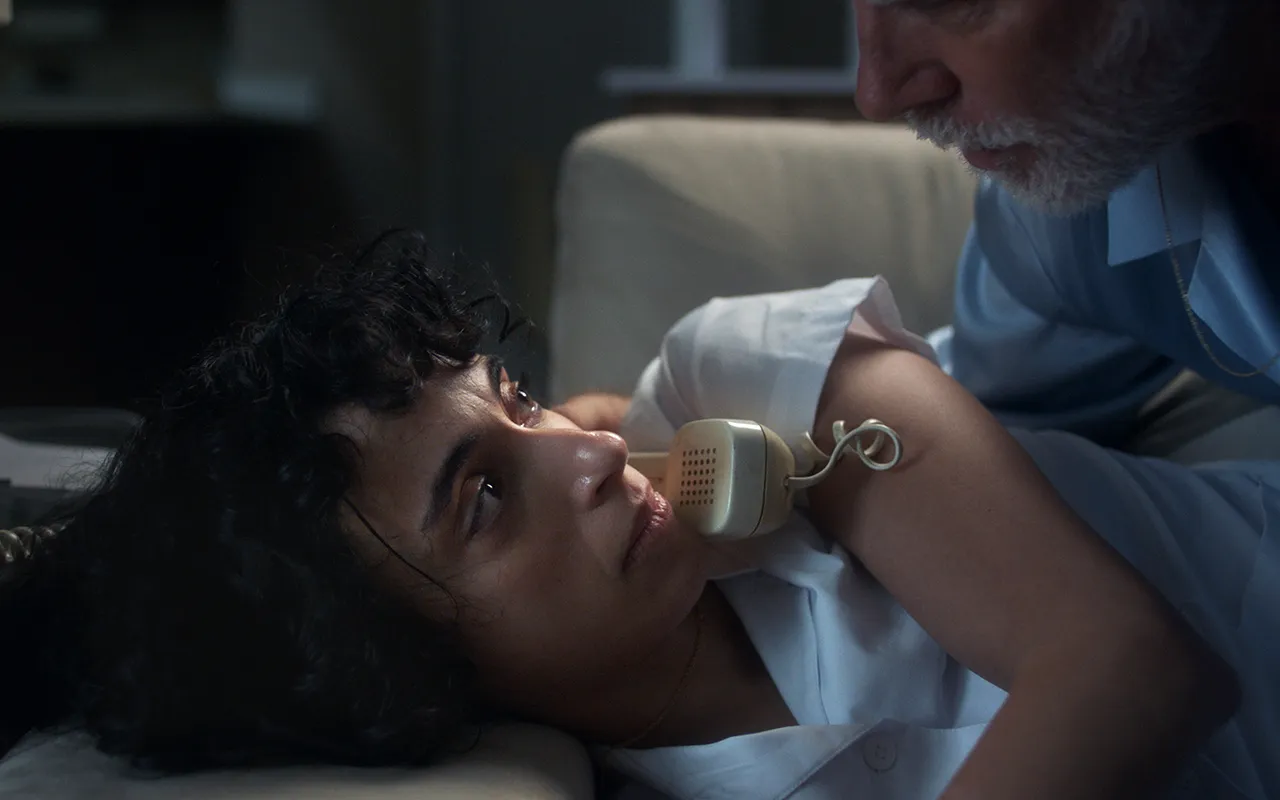
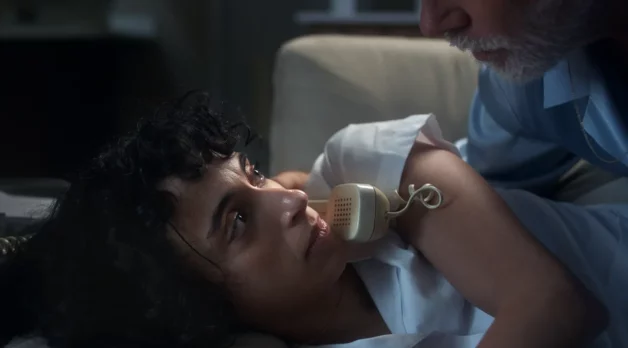
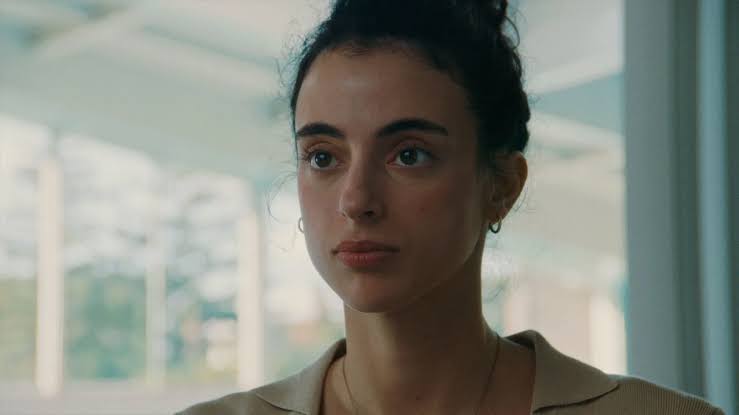
Set within the languid, often disorienting environment of a suburban Chicago retirement community, the film follows Eleni (Cemre Paksoy), a newly hired nurse working the overnight shift in a memory-care unit. Her primary charge is Douglas (Bruce McKenzie), a patient undergoing evaluation for early-onset Alzheimer’s disease. The narrative engine is ignited when Eleni falls under Douglas’s influence, transitioning from a medical provider to an accomplice in a sophisticated phone scam targeting other elderly individuals. By posing as the distressed granddaughters of their victims, Eleni and Douglas extract quick cash, a process that provides them with both financial gain and a transgressive psychological thrill.
The Production Genesis: From Academia to the Big Screen
The development of Night Nurse is as unconventional as its subject matter. The project was born out of a unique pedagogical experiment at Northwestern University. Producer Eddie Linker, a veteran of the Chicago independent film scene, collaborated with Bernstein and producer Veronica Barbosa to build a curriculum around the film’s pre-production. This "how-to" approach allowed students to witness and participate in the logistical birth of a feature film, covering essential industry skills such as establishing an LLC, managing a production budget, and navigating state tax credits.
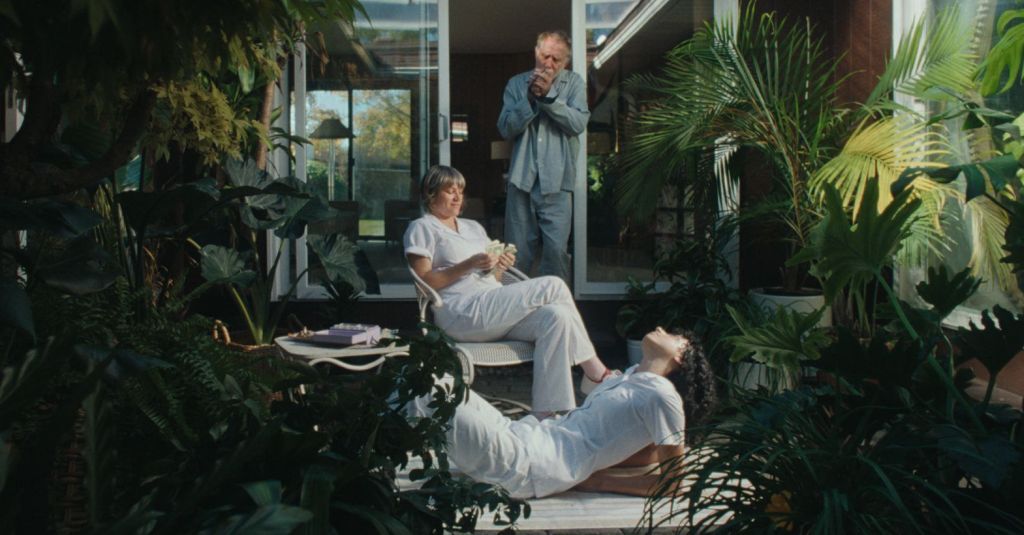
By the end of the academic quarter, the film had moved through much of its pre-production phase, rooted deeply in the Chicago filmmaking community. This localized approach extended to the filming locations; the majority of the movie was shot in Bernstein’s own grandmother’s house. This choice was both a practical necessity and an artistic catalyst. The house, featuring 1970s-era wallpaper and an atrium, provided a "out-of-time" aesthetic that mirrors the cognitive disorientation experienced by the characters. The absence of modern technology, such as smartphones, in favor of last-generation landlines and older currency, further contributes to a sense of suburban malaise that is central to the film’s atmosphere.
Cinematic Influences and the "Nurseploitation" Legacy
While the title Night Nurse may evoke the 1931 Barbara Stanwyck classic, Bernstein has clarified that her work is not a remake but rather a thematic offshoot of the "nurseploitation" genre popularized by Roger Corman’s productions in the 1970s. Specifically, Bernstein cites Stephanie Rothman’s The Student Nurses (1970) as a touchstone. However, where the 1970s cycle often focused on social upheaval and overt exploitation, Night Nurse pivots toward a more cerebral, psychological exploration.
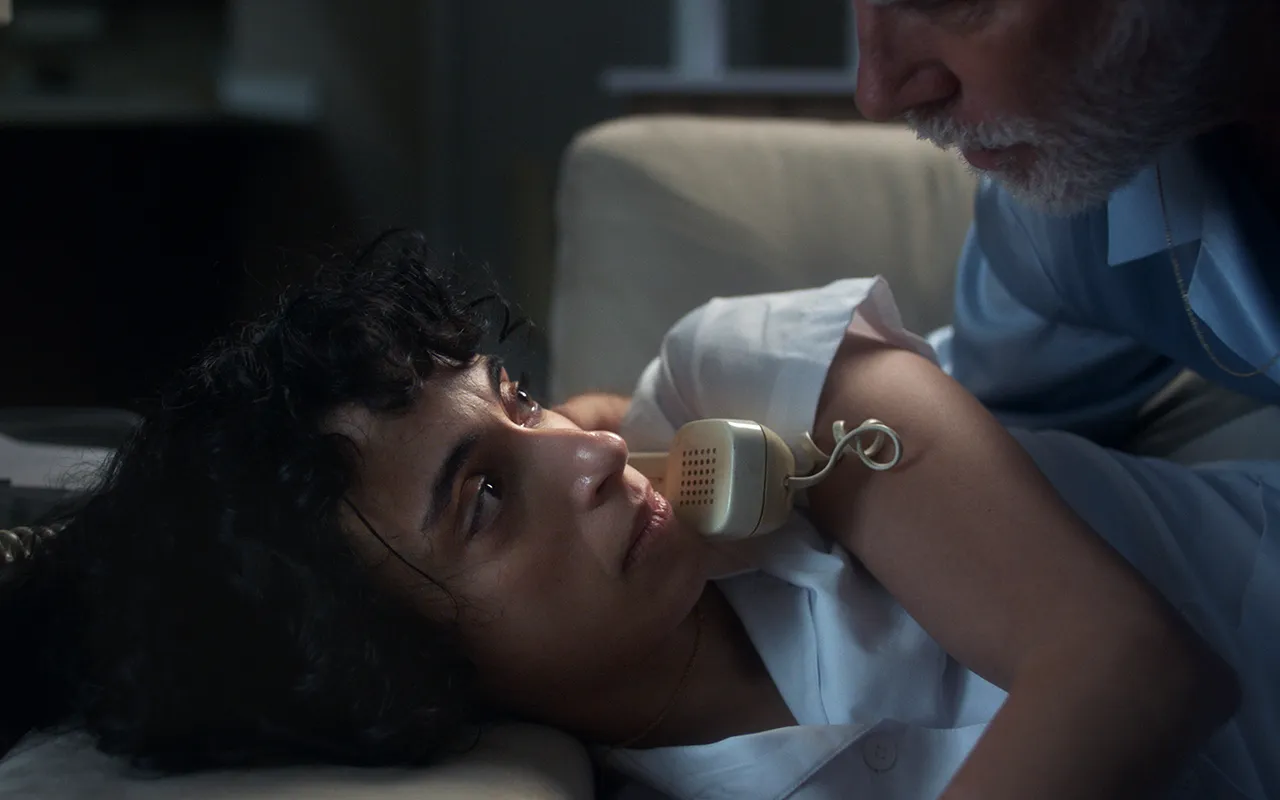
Critics and scholars have drawn parallels between Bernstein’s direction and the works of Canadian masters Atom Egoyan and David Cronenberg. The film’s lighting and pacing reflect the influence of Cronenberg’s Crash (1996), particularly in its depiction of gray, bleak suburban landscapes that transcend their geographical reality to become psychological states. The watery, claustrophobic suburban settings of Egoyan’s The Adjuster (1991) and Exotica (1994) also serve as clear precursors to the "watery malaise" Bernstein captures in the retirement community’s pool and memory-care units. Furthermore, the film’s exploration of troubling power dynamics draws comparisons to the works of French director Catherine Breillat, known for her uncompromising look at the agency and manipulation inherent in relationships between young women and older men.
Technical Execution and the Weight of the Dolly
One of the most praised aspects of Night Nurse is its visual confidence, a feat achieved through a rigorous technical approach. Working with cinematographer Lidia Nikonova, Bernstein made the deliberate decision to eschew the common independent film practice of using Steadicams or handheld cameras. Instead, the production utilized a heavy dolly system, even within the cramped confines of a residential home.
The "weight" of the dolly movement is central to the film’s pacing. The slow, deliberate tracks through the house’s hallways create a sense of inevitable, circular movement, mimicking the "endless circles" patients walk around the facility’s pool. This choice was intended to elevate the film’s production value, moving away from a "low-budget" aesthetic toward a more formalist, Fassbinder-inspired look. The choreography required for these long takes was meticulously rehearsed, with Bernstein, Paksoy, and McKenzie spending days blocking scenes in the actual filming location before the full crew arrived. This preparation allowed the production to tackle its most intimate and psychologically demanding scenes during the first week of shooting, establishing a high-stakes tone for the remainder of the schedule.
Thematic Analysis: The "Need to Be Needed" and Elder Fraud
At the core of Night Nurse is a profound inquiry into the human desire for purpose. This is encapsulated in a pivotal exchange between Eleni and another character, Mona (Eléonore Hendricks), who suggests that by scamming the elderly, Eleni is actually giving them a sense of "purpose" and "meaning" in an otherwise numb existence. This moral ambiguity is the film’s most challenging element, as it forces the audience to confront the predatory nature of the characters’ relationship alongside their mutual emotional needs.
The film’s focus on phone scams also taps into a real-world epidemic. According to data from the Federal Bureau of Investigation’s (FBI) Internet Crime Complaint Center (IC3), elder fraud cases have seen a dramatic increase in recent years. In 2023 alone, total losses reported by victims over the age of 60 exceeded $3.4 billion, a significant rise from previous years. The "Grandparent Scam," which involves a caller posing as a relative in financial or legal trouble, remains one of the most common tactics. By integrating this specific form of criminality into a psychosexual thriller, Night Nurse grounds its heightened drama in a very real, very contemporary anxiety regarding the vulnerability of an aging population.
The Sound of Circles: A Score Influenced by The Conversation
The auditory landscape of Night Nurse was crafted by composers Steven B. Jackson and Samm Clapp, who previously collaborated with Bernstein on her produced features All Jacked Up and Full of Worms (2022) and Anything That Moves (2025). The score for Night Nurse is characterized by its use of flute and piano, instruments chosen to evoke a sense of circularity and repetition.
Drawing inspiration from David Shire’s iconic score for Francis Ford Coppola’s The Conversation (1974), Jackson and Clapp employed a "live-to-picture" recording method. This old-fashioned approach involved musicians improvising based on established themes while watching the film, ensuring that the music responded organically to the pacing of the dolly shots and the actors’ performances. The result is a score that reinforces the film’s theme of being trapped in a loop, unable to escape the psychological gravity of the retirement community.
Industry Implications and Distribution
The acquisition of Night Nurse by IFC Films for a wide release is a testament to the film’s potential to reach an audience beyond the festival circuit. IFC has a long history of championing challenging, auteur-driven cinema, and the July 10 release date positions the film as a sophisticated alternative to traditional summer blockbuster fare.
The film’s success at Sundance and its subsequent distribution deal also highlight the strength of the Chicago independent film ecosystem. By leveraging local resources, academic partnerships, and a tight-knit community of collaborators, Bernstein has demonstrated that high-concept, technically proficient cinema can be produced outside the traditional hubs of Los Angeles and New York.
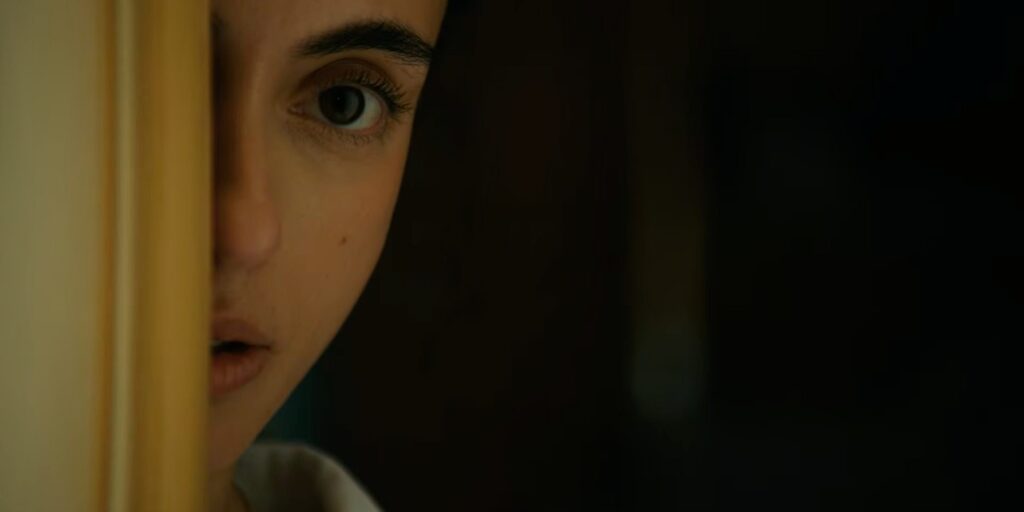
As Night Nurse moves toward its public debut, it stands as a provocative exploration of the darker corners of caregiving and the human psyche. By blending the stylistic hallmarks of 20th-century psychological thrillers with contemporary social concerns, Georgia Bernstein has established herself as a director capable of navigating complex moral terrain with precision and confidence. The film’s focus on the "need to be needed"—no matter the cost—is likely to spark significant discussion among audiences and critics alike, ensuring its place as one of the most discussed independent releases of the year.