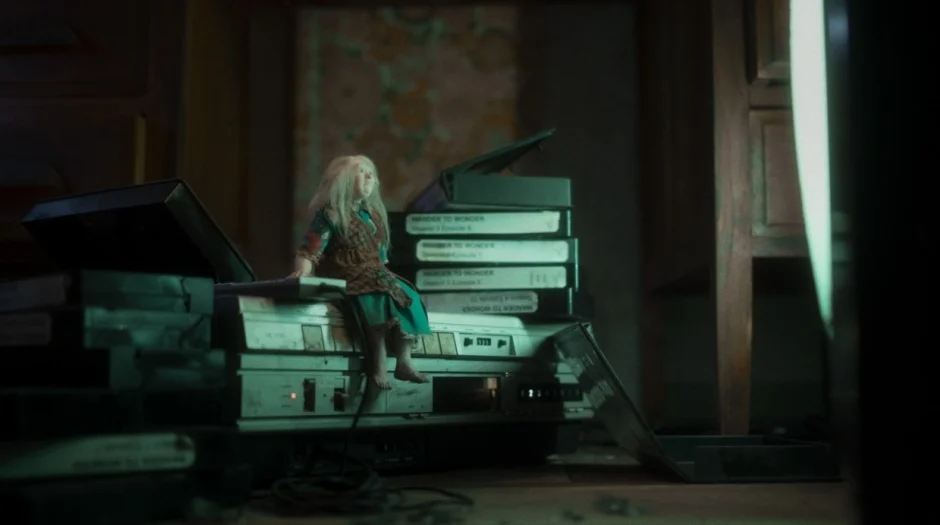



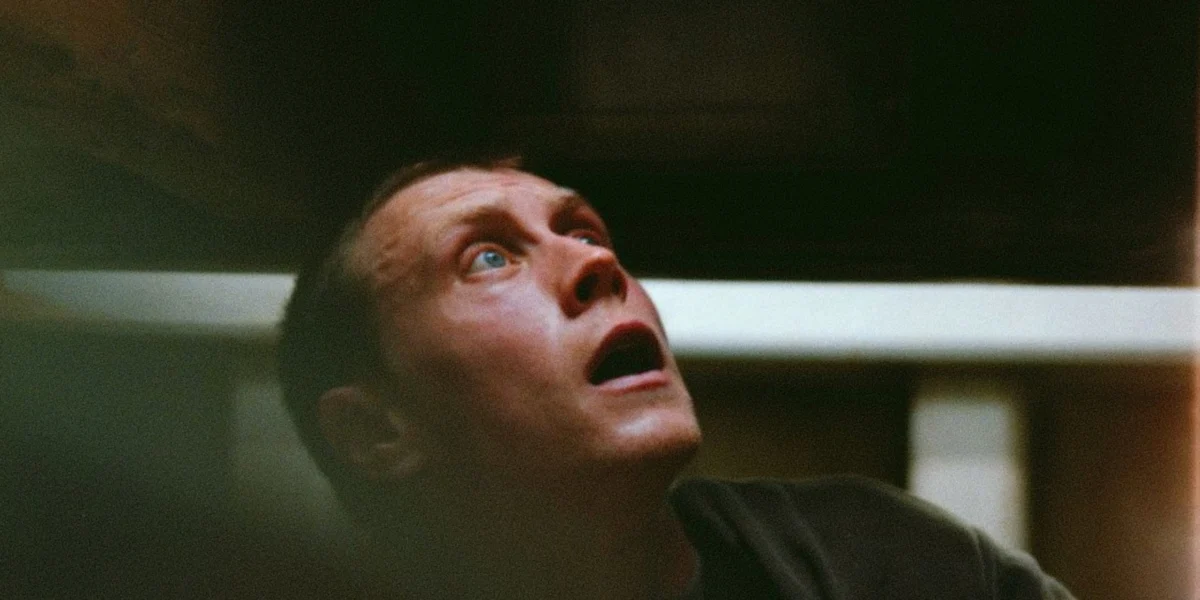
The cinematic landscape of 2025 is set to be profoundly marked by the arrival of "Rose Of Nevada," a British science fiction drama that delves into themes of memory, loss, and the unsettling nature of the unexplained. Penned, edited, scored, and masterfully directed by Mark Jenkin, the film has already garnered significant critical attention following its world premiere at the prestigious 82nd Venice International Film Festival. Starring the compelling talents of George MacKay, Callum Turner, and Francis Magee, "Rose Of Nevada" presents a narrative that is as intellectually stimulating as it is emotionally resonant.
At its core, the film unravels the enigma of a fishing vessel that vanished without a trace thirty years prior, only to inexplicably reappear in the harbor of a quiet, coastal fishing village. This premise immediately invites a deep dive into the psychological and societal impact of such an event, raising questions about the passage of time, the persistence of the past, and the fragile boundaries between reality and the unknown. The film’s reception at Venice, particularly within the Orizzonti section dedicated to new trends in cinema, was overwhelmingly positive, with critics lauding its distinctive 16mm cinematography, evocative sound design, nuanced performances, and the deeply intellectual and haunting conceptual framework.
The creative forces behind "Rose Of Nevada," director Mark Jenkin and lead actor George MacKay, recently shared insights into their collaborative process and the genesis of this unique project. Their discussion, available through the Next Best Picture Podcast, offers a rare glimpse into the meticulous craft and artistic vision that shaped the film. This interview serves as a crucial companion piece to the viewing experience, illuminating the thematic depths and technical innovations that have positioned "Rose Of Nevada" as a significant cinematic achievement of the year.
The Premise: A Ghost Ship Returns
The narrative of "Rose Of Nevada" centers on a community grappling with the sudden, inexplicable return of a vessel that had become a spectral legend. Thirty years is a considerable span, long enough for the event of the ship’s disappearance to have solidified into a deeply ingrained local myth, a cautionary tale passed down through generations. The reappearance of this tangible piece of the past shatters the present, forcing the villagers to confront unresolved grief, lingering questions, and the unsettling possibility that what was lost may not have truly gone.
George MacKay, known for his powerful portrayals in films like "1917" and "Pride," takes on a central role that demands a profound exploration of character under extraordinary circumstances. Callum Turner, whose recent work includes "The Capture" and "The Boys in the Boat," and veteran actor Francis Magee, whose extensive career spans numerous acclaimed projects, round out a cast that is clearly adept at navigating the film’s nuanced emotional terrain. The dynamic between these actors is crucial in conveying the weight of the past and the disruption of the present.
World Premiere and Critical Acclaim at Venice
The selection of "Rose Of Nevada" for the Orizzonti section of the 82nd Venice International Film Festival is a testament to its artistic merit and its alignment with contemporary cinematic innovation. The Orizzonti program is renowned for showcasing groundbreaking and forward-thinking cinema from around the globe, making it an ideal platform for a film that challenges conventional storytelling.
Reviews emerging from Venice consistently highlighted several key aspects that contributed to the film’s success:
- 16mm Cinematography: In an era dominated by digital filmmaking, Jenkin’s choice to shoot on 16mm film lends "Rose Of Nevada" a distinctive visual texture. This analogue format often imparts a sense of timelessness, grit, and a unique aesthetic quality that can enhance the mood and atmosphere of a film, particularly one dealing with themes of memory and the past. The grainy, tactile nature of 16mm can evoke a sense of historical authenticity or a dreamlike, impressionistic quality, both of which are likely assets for a film about a thirty-year-old mystery. Supporting data from film studies often points to the enduring appeal of film stocks for their unique rendering of light and shadow, and their ability to create a palpable sense of atmosphere that digital often struggles to replicate without significant post-production manipulation.
- Sound Work: The film’s sound design has been singled out for its effectiveness in creating an immersive and haunting experience. In a story that hinges on mystery and the unknown, sound plays a pivotal role in building tension, conveying emotion, and shaping the audience’s perception of the environment and the events unfolding. The careful manipulation of ambient sounds, dialogue, and score can transport viewers into the world of the film and amplify the psychological impact of the narrative.
- Performances: The strong performances from MacKay, Turner, and Magee are credited with anchoring the film’s complex themes and bringing depth to the characters’ emotional journeys. The ability of the actors to convey internal turmoil, subtle shifts in understanding, and the profound impact of the inexplicable is crucial for the film’s success.
- Intellectual and Haunting Concept: Beyond the technical merits, the film’s conceptual foundation has been widely praised. The idea of a lost vessel returning after three decades is inherently thought-provoking, prompting audiences to consider notions of time dilation, unresolved trauma, and the enduring power of the past. The "haunting" aspect suggests an exploration of the psychological and perhaps even supernatural ramifications of such an event.
The Director’s Vision: Mark Jenkin’s Unique Approach
Mark Jenkin is an emerging voice in British cinema known for his distinctive filmmaking style, which often blends genre elements with a raw, observational approach. His previous work, such as "Bait" (2019), also shot on 16mm and lauded for its unique aesthetic and authentic portrayal of working-class Cornish life, established him as a filmmaker with a singular vision. This dedication to analogue filmmaking and a focus on character-driven narratives set within specific communities are hallmarks of his directorial approach.

In his conversation with Next Best Picture, Jenkin likely elaborated on his deliberate choices regarding the 16mm format, discussing how it contributes to the film’s thematic concerns. He may have spoken about the challenges and rewards of working with film stock, including the need for meticulous planning and the unique aesthetic it provides. Furthermore, his insights into composing the score would offer valuable context for the film’s emotional resonance, as music is a powerful tool for shaping atmosphere and guiding audience interpretation.
The Actor’s Perspective: George MacKay on Character and Collaboration
George MacKay’s involvement in "Rose Of Nevada" signifies a commitment to projects that push artistic boundaries. His participation in the interview suggests a deep engagement with the character he portrays and the thematic underpinnings of the film. MacKay is known for his immersive acting style, often undergoing significant physical and psychological transformations for his roles.
In discussing his work on "Rose Of Nevada," MacKay likely touched upon the process of inhabiting a character who is directly impacted by the return of the lost ship. He may have explored how he approached conveying the character’s internal state, their wrestling with the past, and their reaction to the disruption of their reality. The collaboration with director Mark Jenkin would also be a key point of discussion, highlighting how their shared vision translated into the final performance. The synergy between director and actor is often the bedrock of compelling cinematic storytelling, and in a film as conceptually driven as "Rose Of Nevada," this relationship is particularly significant.
Supporting Data and Context: The Impact of Lost Time
The concept of a vessel lost at sea for an extended period carries profound implications, both historically and psychologically. Throughout history, maritime disasters have left indelible marks on communities, fostering legends and inspiring countless narratives. The mystery surrounding such disappearances often fuels speculation about what truly transpired.
- Historical Precedents: While fictional, the premise of "Rose Of Nevada" echoes real-world maritime mysteries. The disappearance of the Mary Celeste in 1872, found adrift and abandoned with its crew missing, remains one of history’s most enduring enigmas. Similarly, the loss of the USS Cyclops in 1918 with over 300 souls aboard is another poignant example of a vessel vanishing without a trace. These historical events underscore the human fascination with the unknown and the enduring impact of unexplained loss.
- Psychological Ramifications: For the community in "Rose Of Nevada," the return of the ship is not just an event; it’s a resurrection of unresolved trauma. The passage of thirty years means that many who were directly affected by the disappearance may have aged, moved on, or passed away, adding layers of complexity to the reappearance. The film likely explores how different generations within the village process this return, with older residents perhaps confronting long-dormant grief and younger ones grappling with a history they only know through stories.
- The Nature of Time and Memory: The film’s science fiction element can be interpreted as a metaphorical exploration of how the past continues to haunt the present. The reappearing ship could symbolize the inescapable nature of memory, or the way unresolved events can linger and resurface, disrupting the perceived linearity of time. This aligns with philosophical discussions about the subjective experience of time and the persistent influence of past events on our present consciousness.
Broader Impact and Implications
"Rose Of Nevada" enters the cinematic sphere at a time when audiences are increasingly drawn to thought-provoking and genre-bending narratives. Its success at a major international festival like Venice suggests a strong potential for critical and commercial appeal, particularly among cinephiles who appreciate artisanal filmmaking and intellectually stimulating stories.
The film’s thematic depth, exploring the complexities of loss, memory, and the uncanny, positions it as a work that will likely spark considerable discussion and debate. Its positive reception for its unique aesthetic and conceptual rigor indicates a growing appreciation for filmmakers who dare to experiment with form and content.
The availability of the interview with Mark Jenkin and George MacKay further enhances the film’s cultural footprint. By providing direct access to the creators’ insights, Next Best Picture is facilitating a deeper understanding and appreciation of the artistic decisions that shaped "Rose Of Nevada." This engagement with the audience beyond the theatrical experience is a hallmark of modern film promotion and critical discourse.
As "Rose Of Nevada" begins its theatrical run in New York and Los Angeles, audiences are invited to experience this haunting and intellectually rich science fiction drama. The film’s commitment to a distinctive visual style, coupled with its compelling narrative and strong performances, promises a cinematic journey that lingers long after the credits roll, solidifying its place as a noteworthy film of 2025. The continued engagement with the Next Best Picture Podcast and its network signifies the growing importance of multimedia platforms in disseminating and contextualizing contemporary cinema.