Hollywood Mourns the Loss of a Versatile Filmmaker Known for Blockbusters and Genre-Defining Works
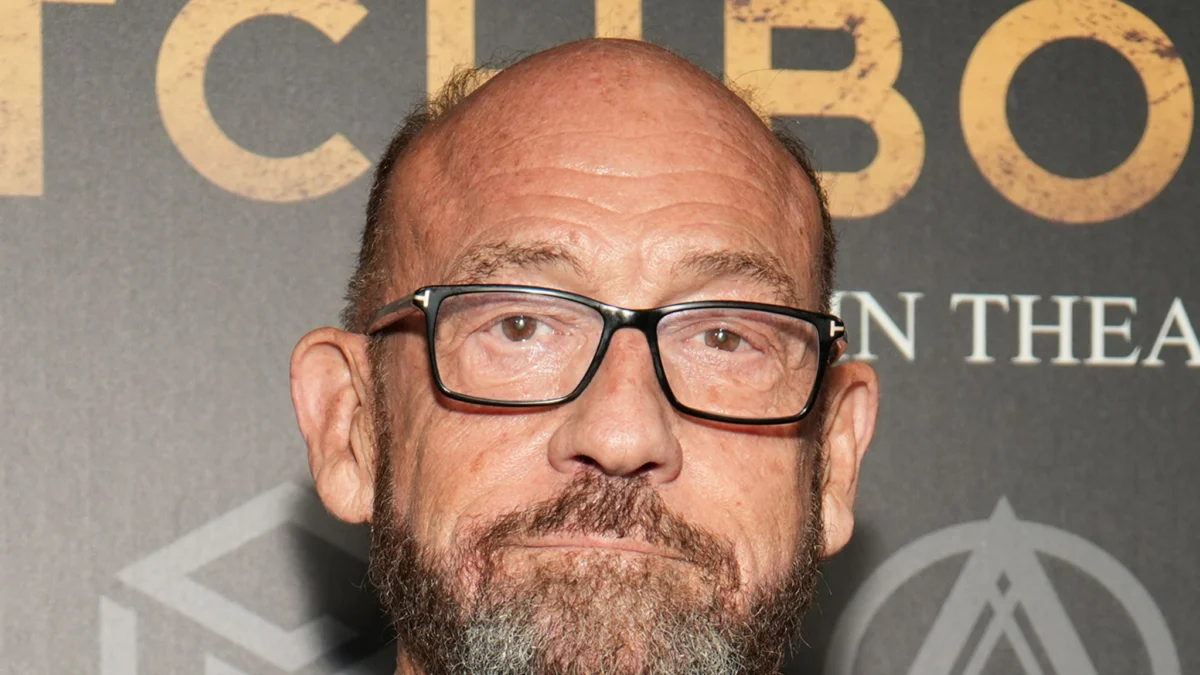
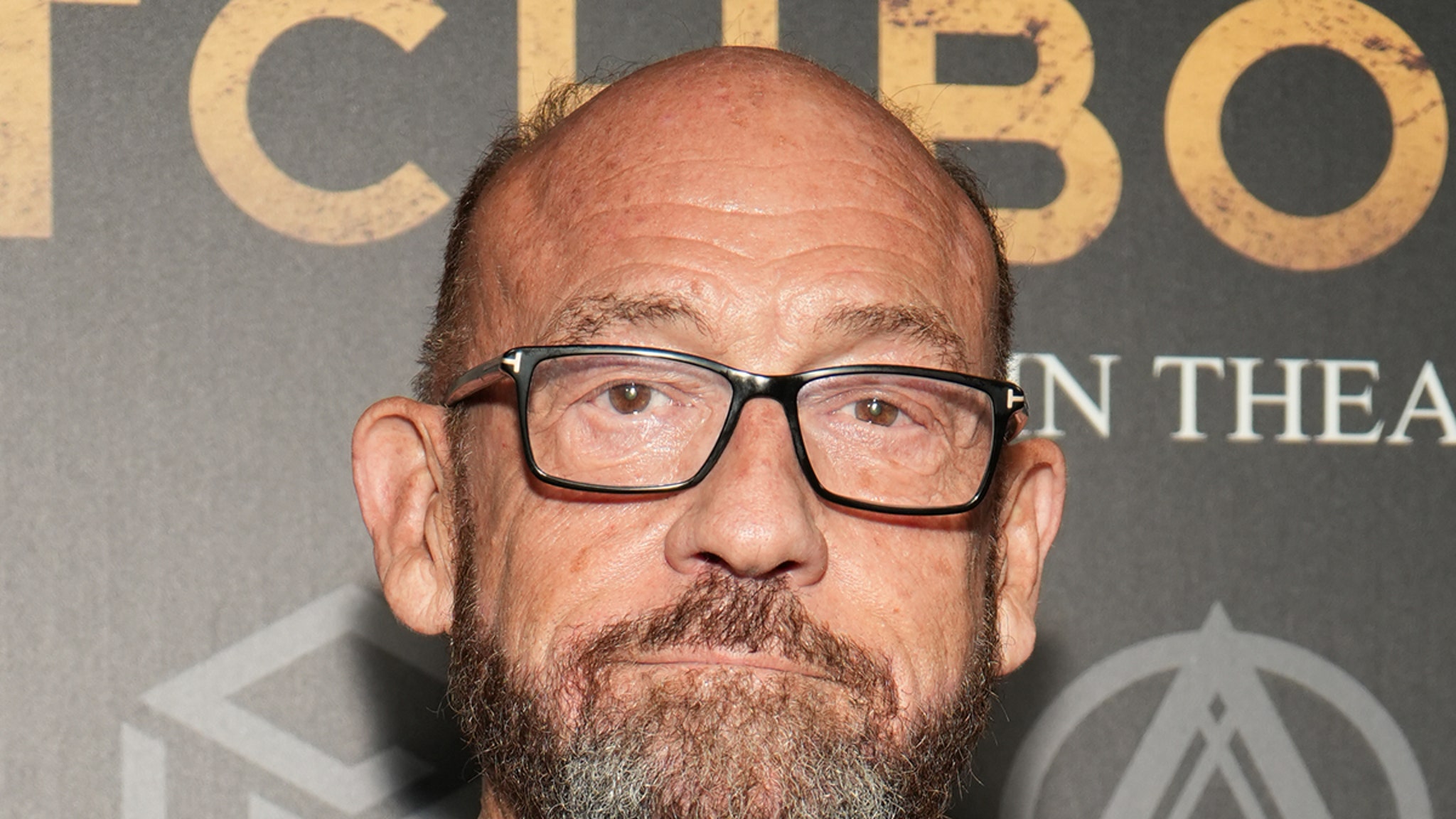
Chuck Russell, the acclaimed director, screenwriter, and producer whose diverse filmography included the groundbreaking visual effects comedy "The Mask" and the revitalizing horror classic "A Nightmare on Elm Street 3: Dream Warriors," has passed away unexpectedly at the age of 74. Russell, born Charles Raymond Russell, died at his San Diego-area home on Wednesday, July 23, 2026, his family confirmed to TMZ. The precise cause of death remains undisclosed, with family members reportedly en route to California to seek further clarity regarding the circumstances surrounding his sudden passing. Local emergency services, including the fire department, responded to a report of a medical emergency involving an unconscious male at Russell’s residence Wednesday afternoon, indicating the unexpected nature of his demise.
Russell’s career spanned several decades, leaving an indelible mark across various genres, from horror and action to fantasy and comedy. His work was characterized by a keen eye for engaging narratives and a willingness to push technical boundaries, particularly evident in his Oscar-nominated efforts on "The Mask." The news of his death has sent ripples through the entertainment industry, prompting reflections on his significant contributions to cinema and the careers of numerous stars he helped shape.
Early Career and a Resurgence in Horror
A distinguished alumnus of the University of Illinois Urbana-Champaign, Russell embarked on his filmmaking journey with a clear vision and a passion for storytelling. He made his directorial debut in 1987 with "A Nightmare on Elm Street 3: Dream Warriors," a film that is widely credited with reinvigorating the slasher franchise. Collaborating on the screenplay with horror maestro Wes Craven and future Academy Award nominee Frank Darabont, Russell injected fresh ideas and a darker, more imaginative tone into the Freddy Krueger saga. The film was a critical and commercial success, earning over $44 million domestically on a modest budget and becoming the highest-grossing film in the series at the time. It not only solidified Freddy Krueger’s status as a horror icon but also showcased Russell’s ability to craft compelling narratives within established universes, blending genuine scares with inventive dream sequences. This early success established his reputation as a director capable of handling intense genre material with nuance and creativity.
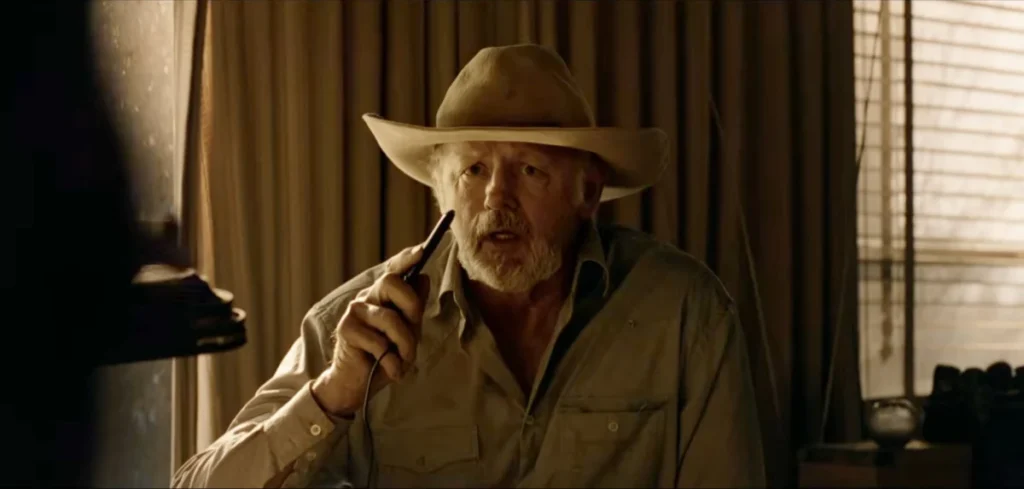
Following "Dream Warriors," Russell continued to explore the horror genre with the 1988 remake of "The Blob." Co-written with Darabont, the film was a visceral, effects-driven reimagining of the 1958 cult classic. While not a box office juggernaut, "The Blob" garnered a loyal following over the years for its practical creature effects, gruesome sequences, and commitment to delivering a truly terrifying experience. It further demonstrated Russell’s aptitude for special effects and his dedication to practical filmmaking techniques, even as the industry began its pivot towards digital advancements. His early horror work cemented his place as a significant voice in late 1980s genre cinema, showcasing a director unafraid to confront dark themes and push visual boundaries.
The Breakthrough: ‘The Mask’ and Visual Effects Innovation
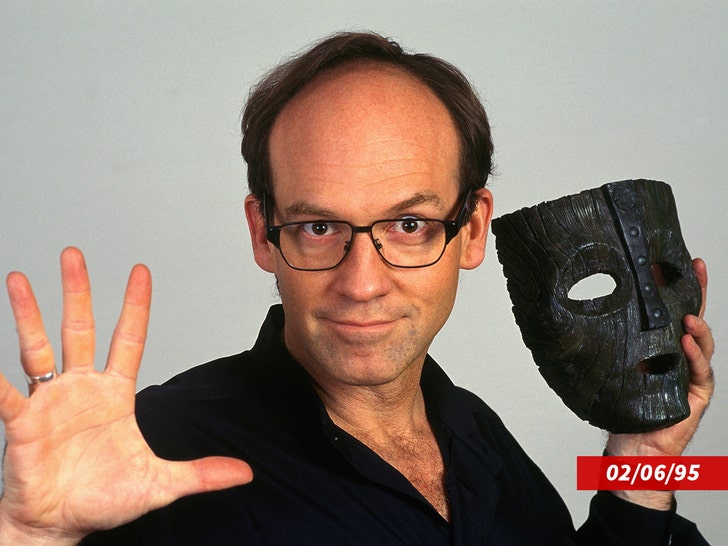
The pinnacle of Chuck Russell’s career undoubtedly arrived in 1994 with the release of "The Mask." This vibrant, effects-laden comedy not only became a massive global phenomenon but also served as a pivotal moment in the careers of its stars and in the evolution of digital visual effects in Hollywood. Starring Jim Carrey in a role that perfectly showcased his elastic physicality and comedic genius, the film told the story of a mild-mannered bank clerk who transforms into a zany, green-faced, cartoonish superhero when he dons an ancient Norse mask.
Russell’s direction on "The Mask" was lauded for its seamless integration of live-action performance with cutting-edge digital animation. Recognizing the ambitious scope of the character’s transformations, Russell collaborated extensively with George Lucas’s Industrial Light & Magic (ILM), a studio synonymous with groundbreaking visual effects. This partnership was instrumental in developing "groundbreaking digital technologies" that allowed for unprecedented levels of character distortion and fantastical movement, effectively bringing a live-action cartoon to the screen. The film’s innovative use of CGI for Carrey’s exaggerated expressions and rubbery movements was revolutionary for its time, setting new benchmarks for character animation and comedic visual effects. This pioneering work earned "The Mask" an Academy Award nomination for Best Visual Effects, a testament to Russell’s vision and the technical prowess he brought to the project.
Beyond its technical achievements, "The Mask" was a cultural touchstone. It grossed over $351 million worldwide against a $23 million budget, establishing Jim Carrey as a bona fide superstar and influencing countless comedic performances and animated productions. Its success spawned an animated television series and further cemented Russell’s reputation as a director who could deliver both commercial appeal and artistic innovation. The film remains a beloved classic, remembered for its infectious energy, Carrey’s iconic performance, and its enduring legacy in the realm of visual effects.
Action Blockbusters and Launching Superstars
Following the immense success of "The Mask," Chuck Russell pivoted to the action genre, demonstrating his versatility and ability to helm large-scale productions. In 1996, he directed "Eraser," an explosive action thriller starring Arnold Schwarzenegger. The film showcased Schwarzenegger in his prime, playing a U.S. Marshal specializing in witness protection who must protect a woman (played by Vanessa Williams) who uncovered a conspiracy involving advanced weaponry. "Eraser" was another commercial success for Russell, grossing over $242 million globally. It was praised for its intense action sequences, including an iconic mid-air fight, and its blend of espionage thrills with high-octane spectacle, further cementing Russell’s ability to work with Hollywood’s biggest stars and deliver popular genre fare.
Russell continued his foray into big-budget action with "The Scorpion King" in 2002. This fantasy adventure film was a spin-off from "The Mummy Returns" and marked a crucial turning point in the career of Dwayne "The Rock" Johnson. "The Scorpion King" provided Johnson with his first leading role, a move that would ultimately pave the way for his transformation from a professional wrestling phenomenon into one of Hollywood’s highest-grossing actors. Russell’s direction capitalized on Johnson’s charisma and physical presence, crafting an entertaining origins story that resonated with audiences. The film performed strongly at the box office, grossing over $180 million worldwide, and solidified Johnson’s potential as a leading man. Russell’s keen eye for talent and his ability to guide actors in transitioning into new roles proved invaluable in launching what would become one of the most successful careers in modern cinema.
A Period of Hiatus and a Return to Filmmaking
After "The Scorpion King," Chuck Russell entered a period of relative quiet, taking a 14-year hiatus from directing major studio productions. This extended break saw the landscape of Hollywood shift dramatically, with the rise of franchise filmmaking and streaming platforms. However, Russell eventually returned to the director’s chair in 2016 with "I Am Wrath," an action-thriller starring John Travolta. The film, a more modest production often released directly to video-on-demand platforms, saw Russell exploring themes of vigilante justice.
He later reunited with Travolta for "Paradise City," which also featured Bruce Willis in one of his final roles before his retirement due to health issues. Released in 2022, "Paradise City" brought together two action icons under Russell’s direction, showcasing his continued interest in the action genre. While these later films operated on a different scale than his earlier blockbusters, they demonstrated Russell’s enduring commitment to filmmaking and his ability to work with seasoned talent.
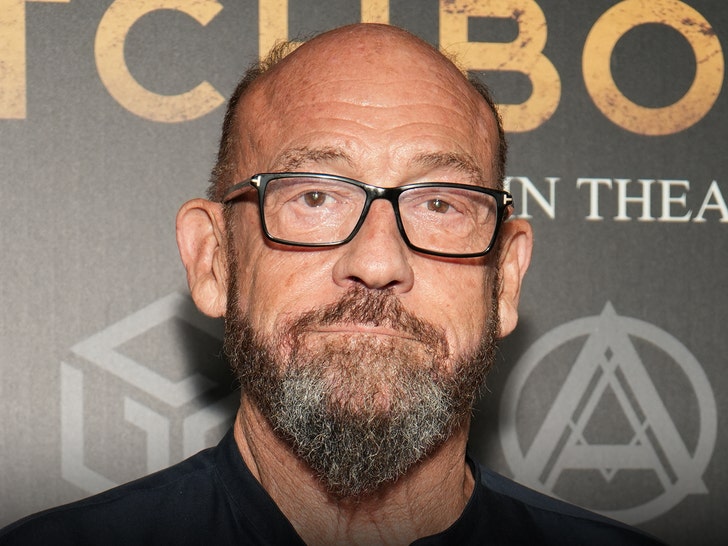
His final directorial effort, a remake of the 1986 horror film "Witchboard," saw Russell returning to his roots in the horror genre. He not only directed but also wrote the screenplay for the 2024 film, which served as a poignant full circle moment in his career, reconnecting him with the genre where he first made his mark. This last project underscored his continuous passion for storytelling and his versatile engagement with different cinematic styles throughout his life.
Industry Reactions and Enduring Legacy
The news of Chuck Russell’s unexpected passing is expected to evoke widespread sorrow and tributes from across the film industry. Colleagues, actors, and fans who admired his work are likely to remember him for his collaborative spirit, his visionary approach to special effects, and his ability to craft entertaining films that resonated with broad audiences. Directors often struggle to achieve success across multiple genres, but Russell masterfully navigated horror, comedy, and action, leaving behind a diverse and impactful body of work.
His legacy is multifaceted: he revitalized a major horror franchise, pushed the boundaries of digital visual effects, and played a crucial role in the ascendance of two of Hollywood’s most bankable stars, Jim Carrey and Dwayne Johnson. Russell’s ability to blend commercial appeal with technical innovation was a hallmark of his filmmaking, and his contributions to cinematic storytelling will be remembered for years to come. The Academy Award nomination for "The Mask" remains a testament to his technical ambition and success, placing him among the innovators who shaped modern visual storytelling.
Personal Life and Final Farewell
Chuck Russell is survived by his wife of 19 years, Ania; his three children, Logan, Riley, and Carlyn; his former wife, Patti Rao; and his sister, Anne Jacob. The family’s journey to California underscores the suddenness and shock surrounding his death, as they seek to understand the circumstances of their profound loss.
At 74, Chuck Russell’s passing marks the end of a prolific career that enriched the cinematic landscape with memorable characters, thrilling narratives, and pioneering technical achievements. His work will continue to entertain and inspire new generations of filmmakers and audiences, solidifying his place as a versatile and visionary director in Hollywood history.