


The evocative short film "Ramen Maro: Where Our Paths Crossed," a touching narrative centered on friendship, nostalgia, and the comforting embrace of a humble ramen shop, is currently making waves on the international film circuit, gracing the esteemed selections of both the Hokkaido Foovie Festival 2025 and the Short Shorts Film Festival & Asia 2026. This 23-minute production, born from the creative vision of producer Takumi Saitoh, and brought to life through the screenplay of Koji Hashimoto and the production efforts of Michiko Ogoh, offers a poignant exploration of human connection forged against the backdrop of shared experiences and culinary delight. The film’s inclusion in the "Culinary Program: Memories of Flavor" at Short Shorts Film Festival & Asia underscores its ability to transcend typical genre boundaries, resonating with audiences through its universal themes of memory and belonging.
A Director’s Diverse Palette: Takumi Koyama’s Cinematic Journey
The directorial helm of "Ramen Maro: Where Our Paths Crossed" is helmed by Takumi Koyama, a filmmaker whose career trajectory showcases a remarkable versatility and an adeptness in navigating both the digital and tangible realms of visual storytelling. Koyama’s early career was forged in the dynamic landscape of Los Angeles, where he honed his craft as a video director. His portfolio from this period is diverse, encompassing the energetic pulse of music and dance videos, the fluid grace of surfing films, and the shadowy allure of behind-the-scenes material for Hollywood’s prominent horror productions. This foundational experience in crafting compelling narratives across various visual mediums undoubtedly informed his later work.
A significant chapter in Koyama’s career involved his contribution to the highly acclaimed "Resident Evil" franchise. He was an integral part of the direction teams responsible for the cinematic sequences in "Resident Evil 5" and "Resident Evil 6." These blockbuster titles, known for their immersive storytelling and high-stakes action, provided Koyama with invaluable experience in delivering visually stunning and emotionally impactful moments within large-scale productions. His ability to translate narrative tension and character development into impactful visual sequences is a testament to his skill.
Upon his return to Japan, Koyama transitioned back to live-action production, embracing a wide spectrum of genres. His work in Japan has since included directing commercials that capture the essence of brands, music videos that amplify artistic expression, dramas that delve into human relationships, and documentaries that shed light on compelling stories. This broad range of experience has equipped him with a nuanced understanding of different storytelling demands, allowing him to adapt his vision to suit the unique requirements of each project. The critically acclaimed "Ramen Maro: Where Our Paths Crossed" stands as a testament to this accumulated expertise, demonstrating Koyama’s ability to craft a deeply personal and universally resonant story with a distinctive visual style.
The Genesis of "Ramen Maro: Where Our Paths Crossed"
The narrative of "Ramen Maro: Where Our Paths Crossed" is rooted in an original concept conceived by producer Takumi Saitoh. Saitoh, a recognized figure in the film industry, envisioned a story that would explore the enduring power of friendship and the comfort found in shared memories, particularly those tied to simple, yet profound, culinary experiences. His initial idea provided the fertile ground upon which Koji Hashimoto would build the screenplay, meticulously weaving together the threads of character development and plot. The collaborative effort between Saitoh and Hashimoto, overseen by producer Michiko Ogoh, resulted in a 23-minute production that has garnered significant attention for its emotional depth and artistic merit.
A Culinary Anchor: The Narrative of "Ramen Maro"
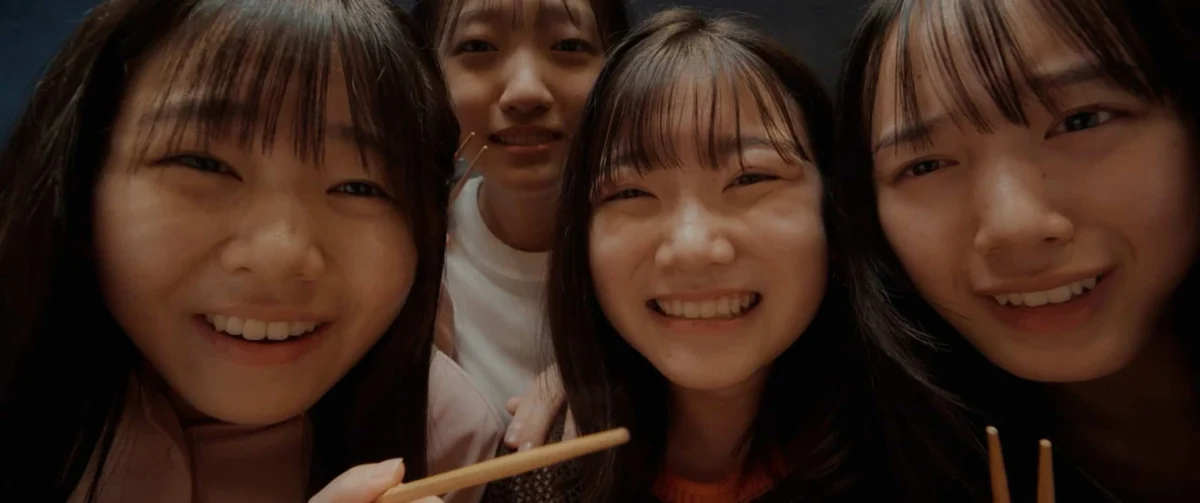
The film centers on the intertwined lives of four young women: Mai, Sakura, Mana, and Kikuno. Their formative junior high school years were indelibly marked by the profound disruptions and pervasive isolation brought about by the COVID-19 pandemic. Despite the physical distances that separated them and the inherent uncertainties that clouded their educational journeys, these four friends discovered solace and moments of joy in their shared experiences. In the face of adversity, they cultivated a profound and enduring friendship, a bond that would later serve as a beacon of connection.
Following their graduation, the narrative unfolds with their reunion at a modest yet significant ramen shop in Shibuya, Tokyo. This gathering is not merely a casual encounter but a fulfillment of a promise made during the challenging pandemic period, a symbolic act of reaffirming their commitment to one another. The ramen shop, "Mendokoro Maro," thus becomes more than just a setting; it transforms into a physical manifestation of their shared past and a tangible link to their future.
The film opens with a contemporary scene, introducing a boisterous livestreamer navigating the bustling streets of Shibuya. His monologue is animated, detailing his anticipation for a visit to a specific ramen establishment. This vibrant opening immediately immerses the viewer in the energetic atmosphere of the city and sets the stage for the film’s exploration of the ramen shop. Upon arriving at Mendokoro Maro, the influencer engages with the owner, Hiroshi Asahina, a man who is not only a proprietor but also an actor. The interaction is characterized by the influencer’s characteristic exuberance and playful teasing, particularly directed towards a young woman already dining at the establishment. However, the narrative takes a turn when the influencer takes his first bite of the shio ramen. The palpable shift in his demeanor – a moment of stunned silence and visible impression – immediately communicates the exceptional quality of the food, hinting at the profound impact it holds.
Following this initial scene, the film transitions to a series of vignettes showcasing various patrons enjoying their meals at the ramen shop, further emphasizing its appeal. The narrative then gracefully shifts its focus backward in time, transporting the audience to the year 2021. This chronological leap allows for an intimate exploration of how the four central friends initially forged their connection. The story begins with Mai, her relocation to an idyllic seaside town marking the catalyst for her integration into the existing trio of Sakura, Mana, and Kikuno. Their early bonding moments are depicted with a gentle nostalgia, often centered around shared meals, such as enjoying ice cream while engaging in heartfelt conversations. They develop a unique, almost secret, form of communication, a peculiar linguistic code that further solidifies their camaraderie. Singing and dancing become recurring elements of their shared activities, underscoring their youthful exuberance and the deepening of their friendship. However, as life often dictates, Mai eventually returns to Tokyo. The film culminates with a poignant reunion years later, bringing all four friends back to the capital, and specifically to Mendokoro Maro, to honor their past and celebrate their enduring bond.
Mendokoro Maro: A Real-World Culinary Landmark
Mendokoro Maro is not a fictional construct but a genuine ramen restaurant located in the vibrant district of Shibuya, Tokyo. The establishment is renowned for its specialization in shellfish broth ramen, a distinctive culinary offering that sets it apart. This authenticity lends a tangible layer to the film’s narrative, grounding its emotional resonance in a real-world experience. The film’s promotional aspect is, therefore, intricately woven into its storytelling, with significant emphasis placed on showcasing the restaurant and its surrounding locale. The production adopts a quasi-tour guide style when depicting the areas where the girls first connected, offering viewers a glimpse into the charm of these locations.
Beyond its promotional elements, the film is a visual feast, thanks to the exceptional cinematography by Rakuda. Rakuda masterfully captures the serene beauty of the seaside town, employing sweeping panoramic shots that evoke a sense of expansive tranquility. Equally impressive is the rendering of the ramen itself. Through Rakuda’s lens, the steaming bowls of ramen are presented in a manner that is both appetizing and artful, highlighting the textures, colors, and subtle details that contribute to its appeal. This visual storytelling elevates the culinary aspect of the film beyond mere sustenance, transforming it into an integral component of the emotional narrative.
The Narrative Interplay: Influencer, Friendship, and Flavor
At the heart of "Ramen Maro: Where Our Paths Crossed" lies a compelling interplay between seemingly disparate elements. The buffoonish yet ultimately endearing influencer, whose initial skepticism gives way to profound admiration for the ramen, provides a touch of levity and serves as an unexpected catalyst for appreciating the culinary experience. Simultaneously, the genuine and evolving relationship among the four girls forms the emotional core of the movie. Their friendship is depicted as a multifaceted entity, built upon their invented linguistic code, a shared sense of playful banter, and, crucially, their mutual appreciation for food.
Ryosuke Fujimoto’s editing plays a pivotal role in seamlessly connecting these diverse narrative threads. His skillful transitions and pacing ensure a smooth flow between the contemporary scenes and the nostalgic flashbacks, creating a cohesive and engaging viewing experience. The musical score, imbued with a sense of dreaminess and nostalgia, further enhances the film’s emotional resonance, evoking a tender reflection on the passage of time and the enduring power of cherished memories. This carefully crafted synergy of elements ensures that the film is both entertaining and emotionally impactful.
A Cast that Shines
The young actresses portraying the four friends – Ririka, Ruri Hirano, Mito Ichimada, and Kaetsu Ono – deliver performances that are brimming with youthful energy and authenticity. They embody their characters with gusto, maintaining a feisty and fun-loving spirit throughout the film, which is crucial for capturing the essence of their shared experiences during their formative years.
Buchigire Ujihara provides an equally memorable performance as the eccentric influencer. His comedic timing and over-the-top persona add a significant layer of amusement to the film, providing a delightful contrast to the more heartfelt moments.
Hiroshi Asahina, appearing as the owner of Mendokoro Maro, brings an understated yet captivating presence to the screen. His role as the proprietor of this significant establishment is amplified by his own background as an actor. Notably, several characters within the short film make casual observations about his muscular physique, adding a subtle yet engaging detail that contributes to his memorable portrayal. This ensemble cast, each contributing their unique talents, collectively elevates "Ramen Maro: Where Our Paths Crossed" into a truly engaging cinematic experience.
Broader Implications and Festival Recognition
Despite its clearly defined promotional premise, "Ramen Maro: Where Our Paths Crossed" transcends its origins to emerge as a remarkably appealing short film. The production skillfully leverages its presentation of authentic ramen, the picturesque seaside city, and the girls’ endearing shenanigans to maintain a high level of entertainment from its opening moments to its conclusion. The film’s success at both the Hokkaido Foovie Festival and Short Shorts Film Festival & Asia highlights a growing appreciation for short-form cinema that can deliver profound emotional impact and artistic merit within a condensed runtime.
The inclusion in the "Culinary Program: Memories of Flavor" at Short Shorts Film Festival & Asia is particularly significant. This curated program suggests a broader trend in film festivals to recognize and celebrate films that explore the intersection of food, culture, and personal narratives. Such programs acknowledge that food is not merely sustenance but a powerful vehicle for memory, connection, and cultural identity. "Ramen Maro: Where Our Paths Crossed" exemplifies this, using the shared experience of enjoying a bowl of ramen to explore themes of friendship, resilience, and the comfort of familiar places and people.
The film’s narrative, set against the backdrop of the COVID-19 pandemic, also resonates with audiences on a deeper level, offering a cathartic reflection on a period of global isolation and the subsequent yearning for connection. The way the film portrays the girls forging friendships despite social distancing measures and finding joy in small, shared moments is a testament to the enduring human need for community. The reunion at Mendokoro Maro symbolizes the triumph of these connections over adversity.
In an era where cinematic experiences are increasingly diverse, "Ramen Maro: Where Our Paths Crossed" stands out as a testament to the power of simple storytelling, heartfelt performances, and exquisite visual craft. Its recognition at prominent film festivals suggests that audiences and critics alike are drawn to narratives that offer both sensory pleasure and emotional depth, proving that a well-told story, even a short one, can leave a lasting and flavorful impression. The film’s success also bodes well for future collaborations between culinary establishments and filmmakers, potentially paving the way for more authentic and engaging cinematic explorations of food culture.