

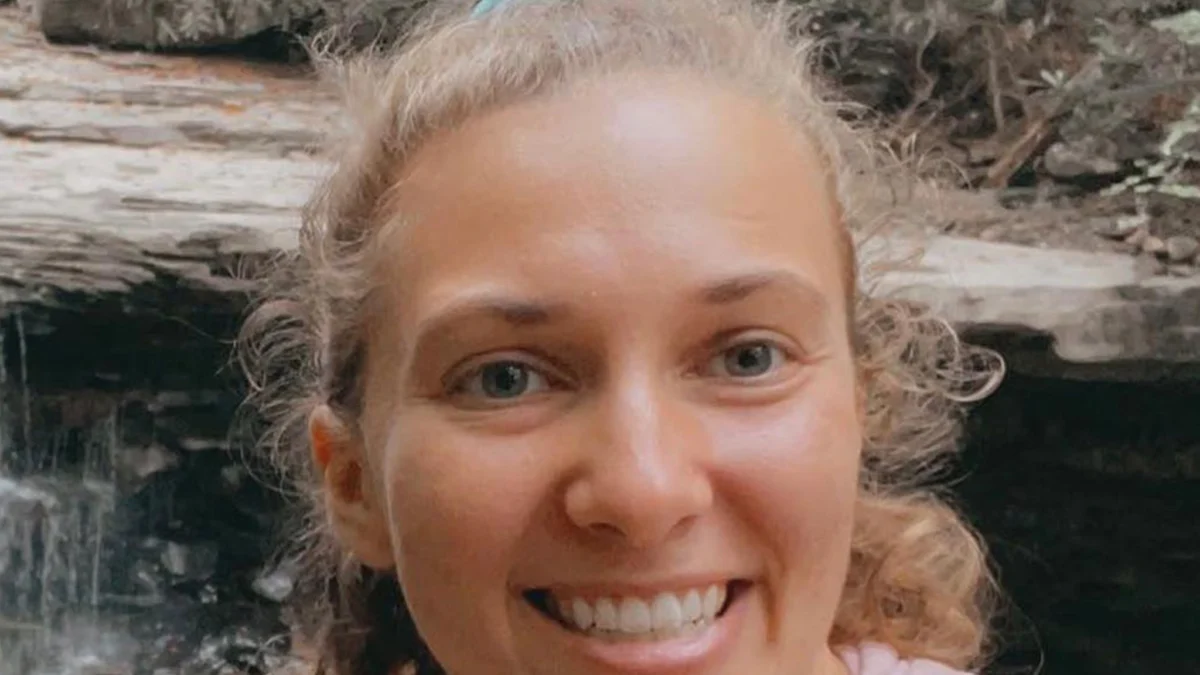
The promising career of rising boxing star Hannah Rapp, 26, was tragically cut short on Saturday, July 18, 2026, when she was killed in an alleged road rage incident in Brazos County, Texas. Authorities report that Charles Medina, 38, has been arrested and charged with manslaughter after he allegedly intentionally backed his vehicle into Rapp while she was riding her bicycle. The devastating loss has sent shockwaves through the boxing community, her university, and the broader public, highlighting the escalating dangers of aggressive driving and the vulnerability of cyclists.
Tragic Incident Unfolds on Texas Roads
According to reports from the Brazos County Sheriff’s Office, the fatal incident occurred on a seemingly ordinary Saturday afternoon. Hannah Rapp was engaged in a cycling activity, a common practice for athletes maintaining peak physical condition. Details released by investigators indicate that Charles Medina, driving a pickup truck, allegedly passed Rapp on the road. What transpired next, as described by law enforcement, points to a deliberate act of aggression. Medina is accused of stopping his vehicle ahead of Rapp, then intentionally reversing, striking the cyclist with his truck. The impact proved fatal, leading to Rapp’s immediate death at the scene.
Emergency services were dispatched swiftly, but Rapp’s injuries were too severe. Brazos County Sheriff’s deputies quickly secured the area, initiating an investigation that led to Medina’s arrest shortly thereafter. He was taken into custody and subsequently charged with manslaughter, a felony offense in Texas. The specific circumstances leading up to Medina’s alleged actions – whether there was a prior altercation, a perceived slight, or another catalyst – remain under investigation, but authorities have been clear in stating that the act of reversing into Rapp was intentional. This distinction is crucial in the legal framework, elevating the incident beyond a mere accident to a criminal act of vehicular homicide.
A Promising Career Cut Short: The Life of Hannah Rapp
Hannah Rapp was more than just a boxer; she was a vibrant, multi-talented individual with a unique blend of athletic prowess, academic achievement, and dedication to public service. Born and raised in Indiana, Rapp first made a name for herself as a track athlete at Purdue University, a Division I institution renowned for its strong athletic programs. Her time at Purdue honed her discipline, competitive spirit, and physical endurance – qualities that would later serve her well in the demanding world of professional boxing.
After her collegiate career, Rapp relocated to College Station, Texas, a move that marked a new chapter in her life. It was there, in 2024, that she officially turned professional in boxing, embarking on a path that many believed would lead to stardom. Her early career was marked by impressive success, quickly accumulating an undefeated record of 8 wins, 0 losses, and 1 draw. This remarkable start positioned her as one of the sport’s most exciting "up and coming prospects," particularly in the burgeoning field of women’s boxing.
Beyond the boxing ring, Rapp led a remarkably full and impactful life. She worked full-time as a fire and life safety inspector at Texas A&M University, a testament to her commitment to community safety and her ability to balance demanding professional responsibilities with her rigorous athletic training. Her colleagues at Texas A&M remember her as diligent, compassionate, and inspiring, embodying the university’s values of integrity and excellence. This dual career showcased her extraordinary work ethic and her desire to contribute meaningfully both inside and outside the ring. Her dedication to both her professional career and her athletic aspirations painted a picture of a young woman driven by passion and purpose, making her untimely death even more heartbreaking for those who knew her and followed her journey.
Her most recent high-profile fight, just last month, was a challenging bout for the WBC women’s featherweight title against seasoned veteran Tiara Brown. While Rapp ultimately lost by unanimous decision, the fight was a testament to her skill, grit, and ability to compete at the highest level. Her performance against Brown, a respected champion, solidified her reputation as a formidable contender and signaled her readiness for future title challenges. The boxing world watched keenly, anticipating her continued ascent.
Tributes Pour In From The Boxing Community
The news of Hannah Rapp’s death elicited an outpouring of grief and tributes from across the boxing world, a testament to her impact both as an athlete and a person. Tiara Brown, her last opponent and the reigning WBC women’s featherweight champion, was among the first to express her profound sorrow. In a heartfelt post on Instagram, Brown referred to Rapp as "the best dance partner I have ever faced as a pro," a poignant compliment from a competitor. Brown recalled a moment before their fight when Rapp asked for her autograph, a gesture that "filled my heart because we were getting ready for war." She emphasized the quality of their contest, stating, "We fought a GREAT fight for the fans from the 1st bell to the last! It was my honor to share the ring with her." Her words painted a picture of a respectful rivalry and a shared passion for the sport, underscoring the deep camaraderie that often exists between professional fighters despite their competitive nature.
Mauricio Sulaiman, President of the World Boxing Council (WBC), also issued a statement mourning Rapp’s passing. Speaking on behalf of the global boxing organization, Sulaiman conveyed the community’s collective grief, stating that the WBC was "heartbroken" by the loss. He lauded Rapp as "an exceptional boxer" and "an invaluable member of our boxing family," highlighting her contributions and potential within the sport. Sulaiman’s message underscored the sense of loss felt by an entire global community that had watched Rapp’s career blossom.
Beyond official statements, social media platforms became a canvas for tributes from countless fighters, trainers, promoters, and fans. Fellow female boxers expressed solidarity and grief, many remembering Rapp’s infectious enthusiasm and determination. Coaches spoke of her unwavering dedication in the gym, and fans recounted memorable moments from her fights. Colleagues from Texas A&M University shared memories of her professionalism and positive spirit, while former Purdue track teammates recalled her competitive drive and camaraderie. The consensus was clear: Hannah Rapp was a talent whose light shone brightly and was extinguished far too soon, leaving a void that will be deeply felt.
The Growing Threat of Road Rage and Cyclist Vulnerability
Hannah Rapp’s death tragically highlights two pressing societal issues: the alarming rise of road rage incidents and the persistent vulnerability of cyclists on public roads. Road rage, defined as aggressive or angry behavior exhibited by a driver, has become an increasingly prevalent and dangerous phenomenon. According to data from the AAA Foundation for Traffic Safety, nearly 80% of drivers admitted to expressing significant anger, aggression, or road rage at least once in the past year, with a significant percentage engaging in more extreme behaviors such as intentionally tailgating, yelling at other drivers, or even purposely ramming another vehicle. The National Highway Traffic Safety Administration (NHTSA) also reports a disturbing upward trend in traffic fatalities involving aggressive driving. The anonymity and perceived impunity of being inside a vehicle can embolden individuals to act on impulses they might otherwise suppress, turning ordinary commutes into potentially deadly encounters.
Cyclists, by their very nature, are among the most vulnerable road users. Lacking the protective shell of a car, they are directly exposed to the dangers posed by larger vehicles, distracted drivers, and aggressive behavior. Despite growing advocacy for cycling infrastructure and "share the road" campaigns, incidents involving cars and bicycles remain tragically common. The National Safety Council (NSC) indicates that cyclist fatalities have seen an increase in recent years, with a significant portion occurring in urban and suburban areas where interactions with motor vehicles are frequent. Factors contributing to these incidents often include driver inattention, failure to yield, and, as in Rapp’s case, aggressive or intentional acts.
Texas, like many states, has laws designed to protect cyclists, including requirements for drivers to maintain a safe distance when passing and to yield the right-of-way when appropriate. However, enforcement and public awareness remain critical challenges. Rapp’s death serves as a stark reminder that even when cyclists follow all safety precautions, they can fall victim to the unpredictable and often violent actions of others. This incident is likely to reignite calls for stricter penalties for road rage, enhanced driver education, and greater investment in infrastructure that safely separates cyclists from vehicular traffic.
Legal Ramifications and Ongoing Investigation
The legal proceedings following Charles Medina’s arrest will be closely watched, not only by those connected to Hannah Rapp but also by the wider community concerned about road safety and justice. Medina has been charged with manslaughter, a second-degree felony in Texas. Under Texas Penal Code, a person commits manslaughter if they recklessly cause the death of an individual. The key element here is "recklessly" – meaning the person was aware of but disregarded a substantial and unjustifiable risk that their conduct would cause death. The allegation that Medina intentionally reversed his vehicle into Rapp elevates the severity of the act, moving it beyond mere negligence. If convicted of a second-degree felony, Medina could face a prison sentence of 2 to 20 years and a fine of up to $10,000.
The Brazos County Sheriff’s Office, in conjunction with local prosecutors, will continue its comprehensive investigation. This will involve gathering forensic evidence from the scene, reviewing any available surveillance footage, interviewing witnesses, and examining Medina’s vehicle and Rapp’s bicycle. Prosecutors will meticulously build their case to demonstrate that Medina’s actions meet the legal threshold for manslaughter, emphasizing the intentionality and recklessness of his alleged conduct.
This case could potentially set a precedent or at least contribute to public discourse on road rage prosecutions. While many road rage incidents involve assault or property damage, those resulting in death often lead to charges like vehicular homicide or manslaughter, depending on the jurisdiction and specific circumstances. The outcome of Medina’s trial will not only bring a measure of justice for Hannah Rapp and her family but also send a powerful message about the consequences of aggressive driving and intentional violence on public roadways. The investigation remains ongoing, with authorities urging anyone with further information to come forward.
A Call for Safer Roads
The tragic death of Hannah Rapp serves as a poignant and urgent call for greater vigilance and responsibility on our roads. Her story resonates deeply because it underscores the fragility of life and the devastating consequences of unchecked aggression. Beyond the legal proceedings against Charles Medina, this incident should prompt a broader societal reflection on how we share public spaces and interact with one another.
Advocates for road safety are likely to use Rapp’s case to push for several key changes. These include enhanced public awareness campaigns aimed at curbing road rage, promoting empathy among drivers, and highlighting the severe penalties for aggressive driving. There will likely be renewed calls for better infrastructure for cyclists, such as dedicated bike lanes and protected paths, especially in areas where cycling is popular. Furthermore, the incident may spark discussions around legislative measures to impose harsher sentences for vehicular crimes motivated by aggression, serving as a stronger deterrent.
For the cycling community, Rapp’s death is a painful reminder of the dangers they face daily. It underscores the need for continued advocacy for their rights and safety, emphasizing that roads are for everyone, not just motorists. For the boxing world, the loss of Hannah Rapp is a stark reminder of the human cost of violence, even that which occurs outside the ring. Her potential, both as an athlete and a humanitarian, was immense, and her absence will be deeply felt.
The Legacy of Hannah Rapp
While Hannah Rapp’s life was tragically cut short, her legacy will undoubtedly endure. She will be remembered not just as a talented boxer with a bright future, but as a dedicated public servant, a tenacious athlete, and an inspiring individual who balanced multiple passions with grace and determination. Her story will serve as a powerful reminder of the importance of promoting civility and safety on our roads, ensuring that other promising lives are not lost to senseless acts of aggression.
Her impact on the sport of boxing, particularly women’s boxing, will be remembered. She was part of a generation of female athletes who were breaking barriers and elevating the sport to new heights. Her fight against Tiara Brown, despite the loss, showcased the fierce competition and growing respect in women’s professional boxing. She demonstrated that it was possible to pursue an elite athletic career while also contributing meaningfully to the community through her work at Texas A&M.
As the boxing community mourns and the legal process unfolds, Hannah Rapp’s name will stand as a symbol of both the incredible potential within each individual and the critical need for a more respectful and safer society. Her memory will undoubtedly inspire efforts to prevent similar tragedies, ensuring that her untimely death serves as a catalyst for positive change. The ongoing investigation will aim to bring clarity and justice, but the profound loss of Hannah Rapp will resonate for years to come, a testament to the life she lived and the potential she represented.