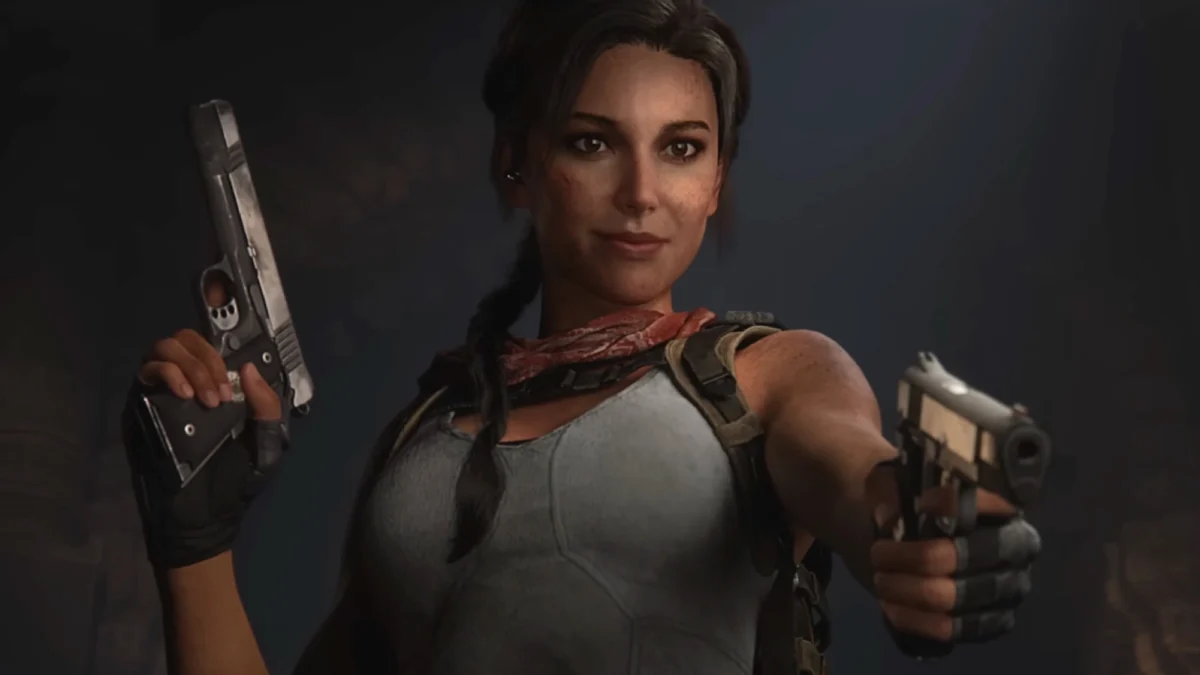
Amazon’s ambitious strategy to revitalize the Tomb Raider intellectual property has encountered a significant scheduling setback, with the upcoming title Tomb Raider: Catalyst now officially delayed until 2028. The announcement, made by Amazon’s Head of Gaming, Jeffrey Gattis, marks the latest in a series of production hurdles for the franchise, which currently includes a major remake, a high-budget live-action television series, and a new mainline entry in the long-running video game series.
The disclosure occurred during a discussion between Gattis and Chris Dring of The Game Business, where the executive outlined Amazon’s broader gaming portfolio and the recent relaunch of the Luna streaming platform. In a statement regarding the release cadence of the studio’s high-profile partnerships, Gattis confirmed that Tomb Raider: Legacy of Atlantis—a ground-up remake of the original 1996 title—is slated for February 12, 2027, with the subsequent project, Tomb Raider: Catalyst, following a year later in 2028. This timeline represents a notable shift from previous internal expectations, which had initially positioned both titles for earlier windows.
The Strategic Partnership and Project Scope
The current era of Tomb Raider began in 2022 when Amazon Games announced a landmark partnership with Crystal Dynamics, the studio that has served as the steward of the franchise since 2003. Under the agreement, Amazon serves as the global publisher for future entries in the series, providing the financial backing and infrastructure necessary for Crystal Dynamics to develop what has been described as the most expansive Tomb Raider experiences to date.
The roadmap revealed in December 2023 detailed a two-pronged approach to the gaming side of the franchise:
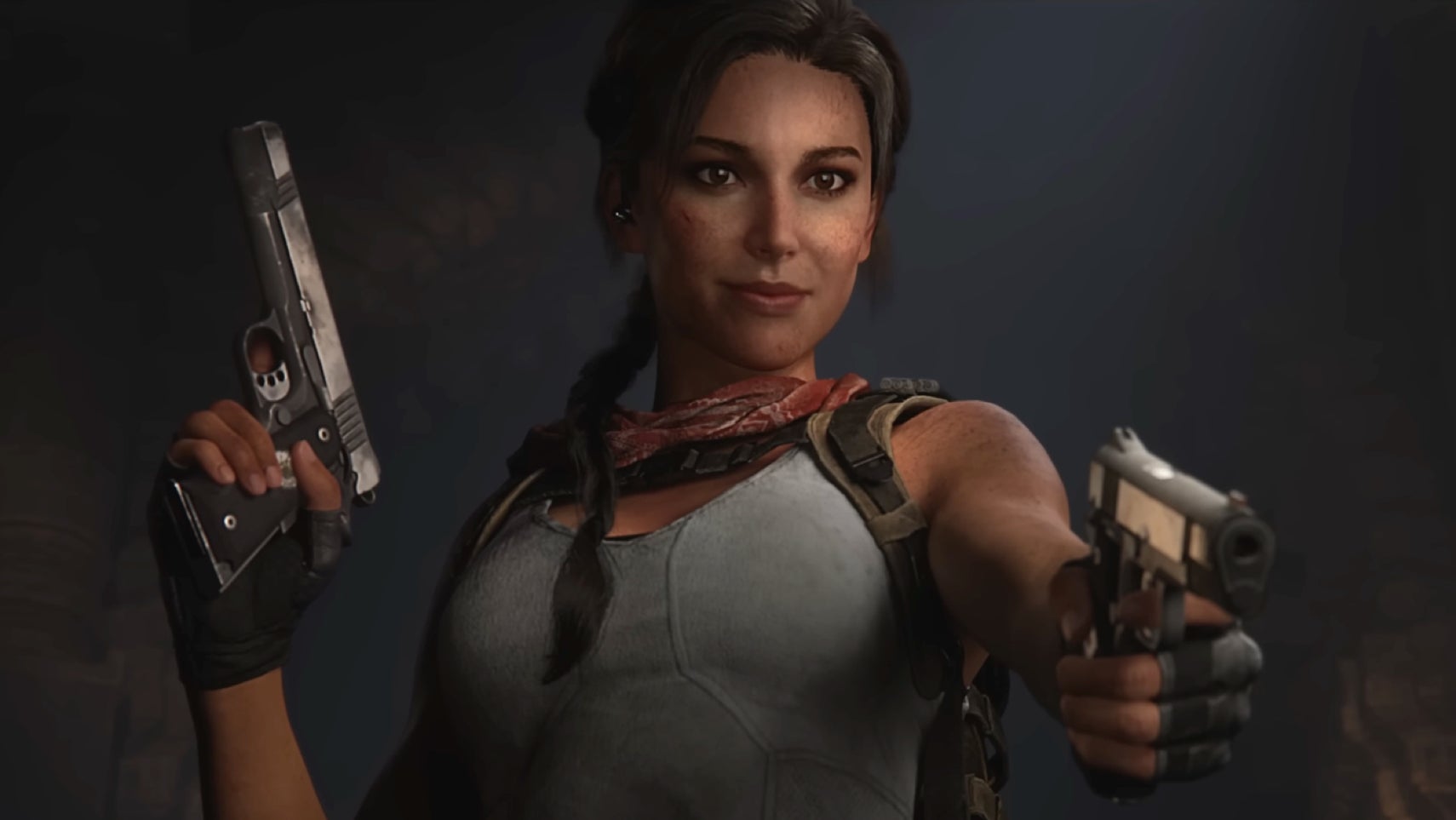
- Tomb Raider: Legacy of Atlantis: Described as a "reimagining" rather than a simple remaster, this project seeks to rebuild the foundational 1996 adventure using modern engine technology. It aims to bridge the gap between the classic "tank control" era of Lara Croft and the grittier, survival-focused "Survivor Trilogy" that concluded in 2018.
- Tomb Raider: Catalyst: A brand-new narrative entry that transitions the protagonist to India. This title is intended to be the definitive "next step" for the character, potentially unifying the various timelines and iterations of Lara Croft into a single cohesive canon.
The delay of Catalyst to 2028 means that by the time the game reaches consumers, a full decade will have passed since the release of the last mainline entry, Shadow of the Tomb Raider.
Chronology of Production Challenges
The path toward the 2027 and 2028 release windows has been fraught with logistical and creative complications. The following timeline illustrates the series of events leading to the current production status:
- December 2022: Amazon Games and Crystal Dynamics officially announce their publishing partnership.
- December 2023: The titles Legacy of Atlantis and Catalyst are revealed to the public, with Legacy of Atlantis initially targeted for a late 2024 or early 2025 release.
- June 2024: Crystal Dynamics confirms a delay for Legacy of Atlantis, pushing the release to February 2027. During this period, early previews of the game drew mixed reactions, with some critics describing the production quality as "double-A" rather than the "triple-A" standard expected of a premier Amazon-backed title.
- Late 2024: Production on the Amazon Prime live-action Tomb Raider series, starring Sophie Turner, is temporarily suspended following a back injury sustained by the lead actress during filming at the "Croft Manor" sets.
- December 2024: Jeffrey Gattis confirms that Tomb Raider: Catalyst will not arrive until 2028, effectively spacing the two major game releases a year apart but pushing the overall franchise revival further into the future.
Artificial Intelligence and Development Methodology
One of the most significant points of contention during the development of Legacy of Atlantis has been the integration of artificial intelligence tools. In June 2024, it was revealed that the project utilized an AI disclaimer in its development documentation. Jeff Adams, the Director of Experience at Crystal Dynamics, defended the use of the technology, suggesting that AI assisted the development team in arriving at "right answers faster" during the creative process.
However, the specific application of these tools—whether for asset generation, coding, or narrative scripting—remains opaque. During press inquiries intended to clarify the extent of AI involvement, Amazon’s public relations team intervened to halt further questioning. This lack of transparency has fueled industry debate regarding the balance between technological efficiency and the preservation of traditional craftsmanship in high-stakes game development.
Institutional Stability and Human Capital
The delays are occurring against a backdrop of significant corporate restructuring at Crystal Dynamics. The studio, which was acquired by the Embracer Group from Square Enix in 2022, has been subjected to the broader volatility affecting the gaming industry.

In June 2024, Crystal Dynamics confirmed its fourth round of layoffs within a twelve-month period. This most recent wave impacted 20 staff members across various departments. While the studio has maintained that development on both Legacy of Atlantis and Catalyst continues despite the reduction in force, the loss of institutional knowledge and the impact on team morale are factors that industry analysts believe may be contributing to the shifting release dates. The pressure to deliver a "perfect" revival is high, particularly as Amazon seeks to justify its massive investment in the IP.
Transmedia Ambitions and the Role of Amazon Prime
Amazon’s interest in Tomb Raider extends beyond the interactive medium. The company is currently developing a live-action series for its Prime Video platform, with Phoebe Waller-Bridge serving as writer and executive producer. The strategy is to create a "connected universe" where the events of the games, television shows, and potential future films inform one another.
The synergy required for such an undertaking is immense. The injury to Sophie Turner and the subsequent filming delay have likely impacted the synchronization of marketing efforts. If the television series is intended to launch alongside or shortly before the games to maximize "cross-pollination" of the audience, delays in one medium frequently necessitate adjustments in the other.
Market Analysis and Industry Implications
The decision to delay Tomb Raider: Catalyst to 2028 reflects a growing trend in the video game industry toward longer development cycles for high-fidelity titles. As hardware capabilities increase, the cost and time required to produce "Triple-A" content have ballooned, often leading to development periods exceeding six or seven years.
For Amazon Games, the success of the Tomb Raider franchise is a cornerstone of its identity as a publisher. Following the mixed reception of earlier internal projects like Crucible and the niche success of New World, the company requires a massive, mainstream hit to solidify its position alongside industry veterans like Sony, Microsoft, and Nintendo.

The 2027 and 2028 windows also place the Tomb Raider titles in direct competition with a likely new generation of console hardware. Analysts suggest that by 2028, the industry may be transitioning toward the successors of the PlayStation 5 and Xbox Series X/S. This raises questions about whether Crystal Dynamics will need to pivot development to target "next-gen" specifications, potentially adding further complexity to the production pipeline.
Official Responses and Future Outlook
While Crystal Dynamics and Amazon Games have remained relatively quiet regarding the specifics of the Catalyst delay, the sentiment from leadership emphasizes quality over speed. The "reimagining" of Legacy of Atlantis is currently the priority, as it serves as the litmus test for the new direction of the franchise.
The 2028 date for Catalyst provides the development team with a four-year window from the current date to refine the India-based adventure. For fans of the series, the news is a mixture of disappointment and cautious optimism. While the wait for a new Lara Croft adventure continues to grow, the extended timeline may provide the necessary breathing room for Crystal Dynamics to overcome its internal staffing challenges and deliver a product that meets the high expectations associated with one of gaming’s most iconic figures.
As the industry moves toward 2025, further updates on the status of the Amazon Prime series and the technical progress of Legacy of Atlantis will be critical indicators of whether this new timeline is realistic or if the "curse" of the Tomb Raider revival will continue to manifest in further postponements. For now, Lara Croft remains in a state of extended archaeological stasis, with her next major expedition still years over the horizon.