

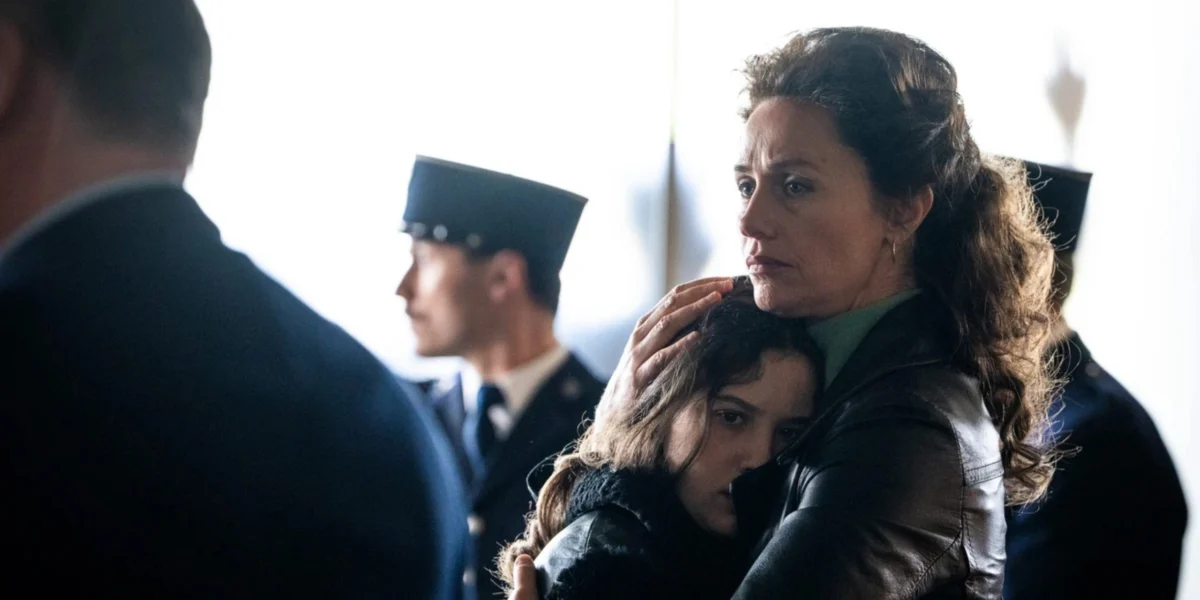
In 1972, a seismic legal battle erupted in France, known as "L’Affaire Marie-Claire," a landmark trial that would reverberate through the nation’s legal and social landscape, challenging deeply entrenched patriarchal structures. The case centered on 16-year-old Marie-Claire Chevalier, who faced prosecution for undergoing an illegal abortion. Her mother, Michèle, and two other women – the back-street abortionist Micheline and Michèle’s friend Lucette who facilitated the connection – were also defendants. The prosecution painted a stark picture of illegality, with the inevitable outcome appearing to be prison for the women, while the perpetrator of the rape that led to Marie-Claire’s pregnancy remained unpunished. Their only recourse was the formidable Gisèle Halimi, a lawyer renowned for her fearless advocacy against the systemic oppression of women and her unwavering commitment to challenging a justice system that often protected perpetrators while condemning victims. This film, "Women On Trial," directed and written by Lauriane Escaffre and Yvo Muller, meticulously chronicles this pivotal moment, not only seeking to alter the fate of the accused but, against formidable odds, aiming to fundamentally transform the societal standing of women in France.
The Genesis of a Landmark Trial: Bobigny, 1972
The film vividly recreates the charged atmosphere of the Bobigny courthouse in 1972. The northern Parisian suburb of Bobigny became the epicenter of a national debate on reproductive rights and women’s autonomy. Marie-Claire Chevalier, a young girl traumatized by rape, found herself not only facing the legal ramifications of seeking an abortion but also the deeply conservative societal judgment of the era. The illegality of abortion in France at the time meant that women in desperate situations often resorted to dangerous, clandestine procedures. The prosecution’s focus on the "crime" of abortion, rather than the circumstances that led to it, highlighted the systemic failure to protect victims of sexual assault and the punitive measures disproportionately levied against women seeking to control their reproductive destinies.
The legal team, led by Gisèle Halimi, recognized that this was not merely a case of an illegal procedure but a profound indictment of a legal and social system that rendered women vulnerable and voiceless. Halimi, a formidable figure in French feminist legal circles, understood the broader implications of the trial. Her strategy was not simply to defend the accused but to put the very laws and societal attitudes that created their predicament on trial. This approach was audacious, particularly in a courtroom dominated by men, where the established order was rarely questioned.
A Narrative Unfolding: Chronology and Key Players
"Women On Trial" adopts a narrative structure that opens in medias res, plunging the audience directly into the unfolding trial. However, the film skillfully employs chronological storytelling, interspersed with carefully placed flashbacks, to provide essential context. These narrative devices are crucial for understanding the intricate web of events leading to the courtroom drama.
The Timeline of Events:
- The Rape: The foundational event is the sexual assault of 16-year-old Marie-Claire Chevalier by a classmate. This act of violence initiated the chain of events that would culminate in the trial.
- Marie-Claire’s Pregnancy and Decision: Following the rape, Marie-Claire found herself pregnant. Facing the profound personal and societal implications, she made the difficult decision to seek an abortion.
- Michèle’s Role: Marie-Claire’s mother, Michèle, a single mother working as a transport worker, played a pivotal role in arranging the illegal abortion. Her actions, driven by maternal concern and a desire to protect her daughter from further trauma and societal stigma, placed her in legal jeopardy.
- The Facilitation: Michèle’s friend and co-worker, Lucette, connected her with Micheline, a back-street abortionist. This connection highlights the desperate measures women had to take due to the lack of legal and safe options.
- The Abortion Procedure: Micheline performed the clandestine abortion, further implicating her in the illegal act.
- The Arrest and Prosecution: The group was subsequently arrested and charged with procuring and performing an illegal abortion. The rapist, meanwhile, faced no legal repercussions, a stark illustration of the systemic bias.
- Gisèle Halimi’s Involvement: Gisèle Halimi, a renowned feminist lawyer, took on the case, recognizing its potential to challenge the status quo. Her involvement galvanized support and brought national attention to the plight of the accused and the broader issue of women’s rights.
- The Trial: The film meticulously details the proceedings of the Bobigny trial, showcasing Halimi’s strategic brilliance and the courage of the defendants.
Performances That Resonate: The Human Element
The success of "Women On Trial" hinges significantly on its stellar cast, who imbue the historical figures with profound humanity and conviction. Charlotte Gainsbourg delivers a powerhouse performance as Gisèle Halimi, capturing the lawyer’s unwavering resolve, intellectual rigor, and righteous anger. Gainsbourg embodies Halimi’s commitment to justice, her fiery speeches and strategic maneuvers forming the emotional and intellectual core of the film.
Cécile de France shines as Michèle, Marie-Claire’s mother. Her portrayal is one of quiet strength, maternal love, and the immense burden of navigating a system that judges her for protecting her child. De France masterfully conveys Michèle’s vulnerability and resilience, particularly during her impactful testimony on the witness stand. Saül Benchetrit as Marie-Claire offers a compelling portrayal of a young woman grappling with trauma and the harsh realities of the legal system, conveying a powerful mix of vulnerability and an emerging inner strength.
Supporting performances are equally crucial. Florence Loiret Caille as Micheline, the abortionist, and Sarah Suco as Lucette, the facilitator, add depth to the ensemble, representing the various women caught in the legal and social crossfire. Grégory Gadebois provides a welcome portrayal of Claude, Gisèle Halimi’s supportive husband, offering a counterpoint to the societal pressures and successfully avoiding cliché in their relationship. Farida Uchani is particularly effective as Fritna, Gisèle Halimi’s mother, whose disapproval highlights the generational and cultural divides surrounding women’s autonomy and societal roles.
Strategic Brilliance: Putting the Law on Trial
Gisèle Halimi’s legal strategy was revolutionary. Recognizing that a direct defense within the existing legal framework might prove futile, she opted to challenge the legitimacy of the laws themselves. This meant shifting the focus from the defendants’ alleged crimes to the societal conditions that necessitated their actions. A key element of this strategy involved a carefully orchestrated media campaign. Halimi understood the power of public opinion and sought to sway it by bringing influential figures into the courtroom, not necessarily as witnesses to the facts of the case, but as testaments to the prevailing injustices.
The film highlights the controversial yet effective tactic of having prominent men and celebrities, including actress Delphine Seyrig, testify. These individuals, by lending their voices and reputations, implicitly challenged the prevailing patriarchal norms and underscored the societal responsibility in the circumstances faced by Marie-Claire and her mother. The decision to re-title the film "Women On Trial" for English-speaking audiences, while practical for distribution, arguably dilutes the impact of the original French title, which directly referenced the specific case and its significance.
Beyond the Courtroom: Broader Context and Implications
The Bobigny trial was not an isolated incident but a flashpoint in a larger, ongoing struggle for women’s rights in France. The year 1972 marked a period of significant social upheaval, with feminist movements gaining momentum and challenging traditional gender roles and legal frameworks. The trial became a rallying cry for these movements, bringing the issue of reproductive freedom to the forefront of national discourse.
The ultimate impact of the Bobigny trial, and by extension the film "Women On Trial," is profoundly significant. The legal victory, though not immediately leading to full decriminalization, paved the way for the landmark Veil Act of 1975, which legalized abortion in France. This legislative change was a monumental step forward, granting women greater control over their bodies and reproductive choices. The film serves as a potent reminder of the arduous journey towards achieving such rights and the courage of those who fought for them.
Supporting Data and Historical Context:
- Pre-1975 Legal Landscape: Prior to the Veil Act, abortion in France was a criminal offense, carrying severe penalties. This led to an estimated 300,000 to 1 million illegal abortions annually, many performed under unsafe conditions, resulting in significant morbidity and mortality among women.
- The Manifesto of the 343: In 1971, a year before the Bobigny trial, the "Manifesto of the 343" was published, where 343 prominent women declared they had undergone illegal abortions. This act of civil disobedience significantly raised public awareness and contributed to the climate that made the Bobigny trial so impactful.
- The Veil Act (1975): Named after Simone Veil, the then Minister of Health, this law legalized abortion under specific conditions, marking a turning point in French women’s reproductive rights. The Bobigny trial is widely considered a crucial catalyst for its passage.
- Contemporary Relevance: The film’s exploration of reproductive rights and bodily autonomy remains acutely relevant in contemporary global debates. Issues of access to safe abortion, the criminalization of women seeking reproductive healthcare, and the ongoing struggle against patriarchal legal systems continue to resonate across the world.
Production Design and Direction: Crafting the Atmosphere
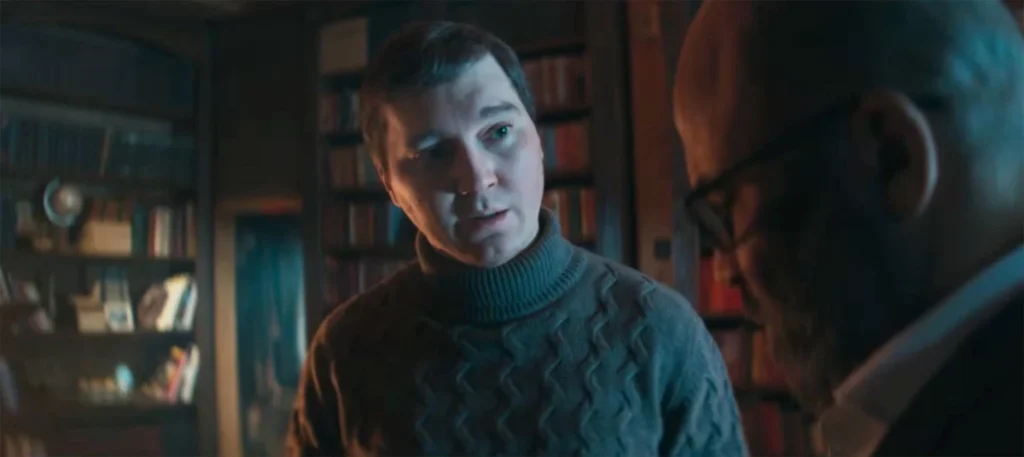
The film’s aesthetic complements its thematic depth. Stéphane Taillasson’s production design effectively captures the muted, yet charged, atmosphere of 1970s France, transporting the audience to the era. Emmanuelle Youchnovski’s costume design, particularly Michèle’s distinctive high-neck jumpers, serves not only as a stylistic element but also subtly contributes to character portrayal, as noted in the film when judges scrutinize her appearance and character.
Co-directors Lauriane Escaffre and Yvo Muller navigate the delicate balance between courtroom drama conventions and the weight of historical significance. Their direction is described as solid and efficient, striking an appropriate tone of righteous indignation while implicitly acknowledging the ongoing fight for gender equality in legal systems. The film’s quiet effectiveness is underscored by its poignant final scene, which transitions from the courthouse steps to a powerful photograph of the real-life individuals, grounding the narrative in historical reality and honoring their legacy.
"Women On Trial" is more than just a courtroom drama; it is a compelling historical account and a powerful testament to the transformative power of legal advocacy and collective action. It meticulously details a pivotal moment that not only altered the lives of the individuals involved but also fundamentally reshaped the legal and social landscape for women in France, leaving an enduring legacy on the ongoing global discourse surrounding women’s rights and bodily autonomy. The film’s strength lies in its superb performances, its faithful yet engaging depiction of historical events, and its potent reminder that the fight for justice and equality is a continuous, vital endeavor.