

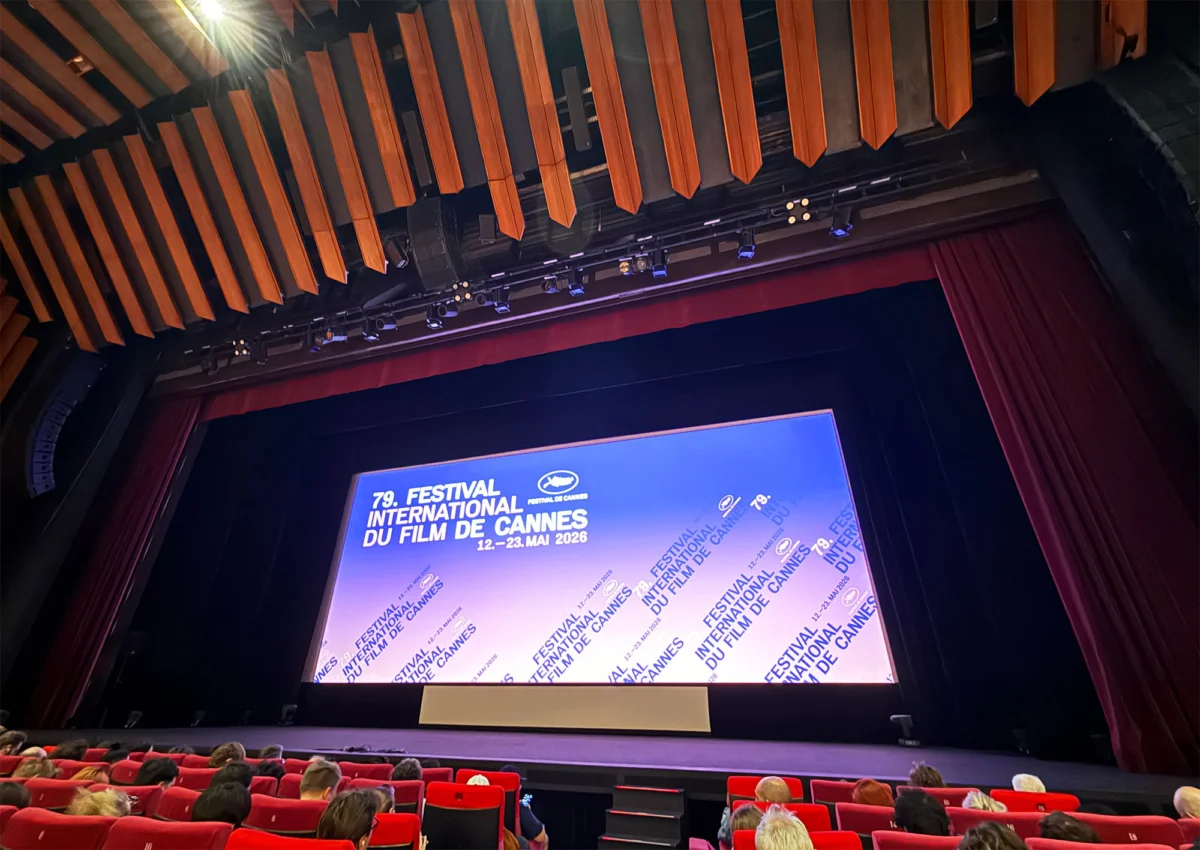
The 79th Cannes Film Festival, which concluded on May 25, 2026, has once again ignited intense debate within the global film community regarding the relevance and vitality of major cinematic showcases in a rapidly evolving industry. While some observers from outside the hallowed Croisette expressed concerns about a perceived lack of groundbreaking films and an overall muted atmosphere, festival veterans and dedicated critics who attended the event offered a more nuanced perspective, acknowledging certain challenges but ultimately reaffirming Cannes’ indelible status as the preeminent global film festival. This year’s edition, a prelude to its landmark 80th anniversary in 2027, served as a critical barometer for the health of international cinema, raising profound questions about creativity, financing, and audience engagement in the mid-2020s.
The Enduring Legacy and Unique Role of Cannes
Since its inception in 1946, the Cannes Film Festival has consistently stood as a beacon of cinematic artistry, a glamorous marketplace, and a crucial platform for both established auteurs and emerging talents. Nestled on the French Riviera, it annually transforms the picturesque city of Cannes into the epicenter of the film world for nearly two weeks, drawing thousands of filmmakers, producers, distributors, critics, and cinephiles. Its Official Selection, particularly the Palme d’Or competition, is widely regarded as the most prestigious showcase for international cinema, often dictating the critical discourse and awards season trajectory for the year ahead. Beyond the glitz of the red carpet, Cannes serves as a vital economic engine for the independent film sector, with its Marché du Film facilitating countless deals and co-productions that shape the global film landscape. The festival’s programming, spearheaded by General Delegate Thierry Frémaux, is renowned for its curation of diverse voices and challenging narratives, often championing films that might otherwise struggle to find a global audience. The festival’s commitment to celebrating cinema as an art form, rather than solely a commercial product, is a defining characteristic that has cemented its legendary status over decades, from showcasing the French New Wave to launching the careers of countless international masters.
A Festival Under Scrutiny: The 2026 Edition
The 2026 edition, held from May 14 to May 25, opened with a sense of anticipation, yet it quickly became a focal point for broader anxieties plaguing the film industry. Initial reports from critics not physically present at the festival suggested a disappointing lineup, lacking the usual "breakout" titles or a universally acclaimed masterpiece that often defines a strong Cannes year. This sentiment, however, was largely contested by many who were immersed in the festival experience. While acknowledging that the sheer volume of "outstanding" films might have been slightly lower than in previous banner years, attendees pointed to a solid core of critically acclaimed works. The consensus among many insiders was that while 2026 might not be remembered as an all-time great year for Cannes, it was far from a failure, still delivering a compelling and diverse slate of films. This divergence in opinion underscored a growing disconnect between the on-the-ground festival experience and external perceptions, often shaped by limited access or pre-conceived notions of what constitutes a "successful" festival.
The Hollywood Question: Relevance Without Blockbusters?
One of the most persistent questions swirling around the 2026 festival, and indeed many major festivals in recent years, was whether Cannes requires major Hollywood studio projects to maintain its relevance and star power. This debate intensified in 2026 due to a notable absence of high-profile American blockbusters or celebrity-laden studio dramas in the main competition. Historically, Cannes has occasionally hosted significant Hollywood premieres, such as Francis Ford Coppola’s Apocalypse Now (1979) or Quentin Tarantino’s Pulp Fiction (1994), which not only brought international media attention but also underscored the festival’s global reach. However, the prevailing sentiment among Cannes leadership and many critics is that the festival’s core mission is to champion cinematic art, irrespective of its origin or budget.
Industry analysts often point out that Hollywood’s increasing reliance on tentpole franchises and direct-to-streaming strategies has naturally reduced the number of studio films suitable for a Cannes premiere. The festival, therefore, proactively prioritizes auteur-driven international cinema, often independently financed, which aligns more closely with its artistic ethos. Thierry Frémaux and his programming team have consistently articulated a vision where "good cinema" is the sole criterion, emphasizing that a film’s artistic merit should outweigh its commercial pedigree or star wattage. The 2026 selection, by largely eschewing Hollywood, thus reaffirmed Cannes’ commitment to its artistic independence, proving that its prestige is derived from the quality of its curated films, not from external market forces. This strategic stance allows Cannes to remain a vital platform for diverse cinematic voices, ensuring that global independent cinema continues to find its spotlight.
A Broader Industry Malaise: Cinema in a Rut
While the debate around Cannes’ specific programming choices is perennial, a more profound and unsettling conversation emerged during the 2026 festival: the idea that the perceived "mid-tier" quality of cinema is not a festival-specific issue, but rather a reflection of a broader malaise affecting the entire global film industry. Veteran critics, including those with decades of festival attendance, observed that the current era feels less creatively vibrant compared to previous decades. This perspective suggests that if Cannes, with its unparalleled curatorial power and access to global submissions, is presenting a lineup described as merely "good, not great," it signals deeper systemic problems within filmmaking itself.
This "rut" is attributed to a confluence of factors:

- Financing Woes: Securing funding for independent and artistically ambitious projects has become increasingly challenging. Investors are more risk-averse, favoring established formulas or commercially safer bets, often leaving innovative or experimental films struggling to get off the ground. Data from global film commissions in 2025 indicated a significant downturn in independent film production financing compared to pre-pandemic levels, exacerbating the pressure on filmmakers.
- Stagnant Creativity: The economic pressures, coupled with a cautious approach from studios and distributors, can lead to a homogenization of storytelling. Filmmakers, even acclaimed ones, might find themselves constrained by commercial expectations or market trends, leading to less adventurous or groundbreaking work.
- Changing Audience Tastes and Consumption Habits: The rise of streaming services, coupled with declining theatrical attendance for non-tentpole films, has drastically altered how audiences discover and consume cinema. This shift impacts production decisions, distribution strategies, and ultimately, the types of films that get made.
- Global Economic and Sociopolitical Instability: Broader geopolitical tensions, economic downturns, and social anxieties can indirectly affect the film industry. Strikes in major production hubs like Los Angeles, corporate mergers leading to consolidation and layoffs, and fluctuating box office revenues globally all contribute to an unstable environment that makes risk-taking in filmmaking less viable. For instance, the lingering effects of the 2023-2024 Hollywood strikes continued to ripple through production schedules and talent availability well into 2026, impacting the global film supply chain.
These intertwined challenges suggest that the current moment represents a period of profound transition for cinema, where the traditional models of creation, distribution, and consumption are being fundamentally reshaped. Festivals like Cannes, therefore, become crucial not just for showcasing films, but for initiating critical dialogues about the future direction of the art form itself.
The Highlights and Disappointments of 2026
Despite the broader industry concerns, the 79th Cannes Film Festival still presented a compelling selection of films, many of which are poised to become significant entries in the 2026 cinematic canon. Ryusuke Hamaguchi’s All of a Sudden (aka Soudain) emerged as a critical darling, hailed by many as an instant masterpiece and a soulful exploration of human connection, further solidifying Hamaguchi’s reputation following his Palme d’Or nomination for Drive My Car. Andrey Zvyagintsev’s Minotaur also garnered significant praise, with many critics suggesting it was a strong contender for the Palme d’Or, lauded for its trenchant social commentary and masterful direction.
Other notable films that received strong positive reception included:
- Jordan Firstman’s Club Kid, praised for its vibrant energy and unique voice.
- Sandra Wollner’s Everytime, an introspective and thought-provoking drama.
- Abinash Bikram Shah’s Elephants in the Fog, lauded for its evocative storytelling.
- Marine Atlan’s La Gradiva and Jing Zou’s A Girl Unknown, both recognized for their distinctive artistic visions.
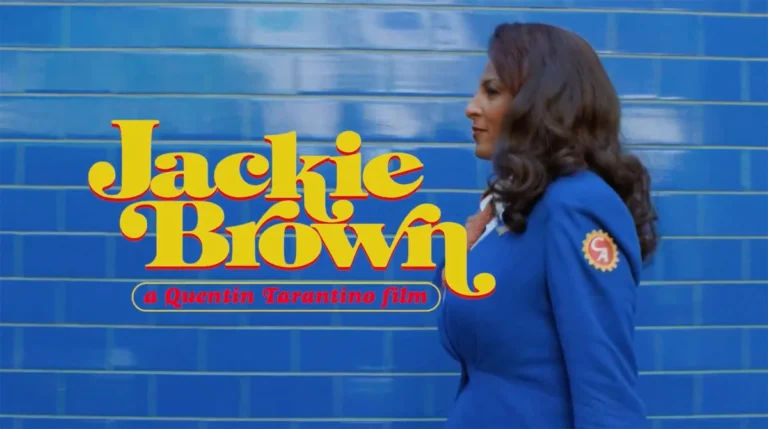
- Pierre Le Gall’s Flesh and Fuel, Lukas Dhont’s Coward, Javier Calvo & Javier Ambrossi’s The Black Ball (aka La Bola Negra), Ira Sachs’ The Man I Love, Paweł Pawlikowski’s Fatherland, and Leah Nelson’s Tangles, all contributed to a diverse and rich lineup across various sections. James Gray’s Paper Tiger also generated discussion, though with a more divided critical response, typical of a filmmaker known for challenging narratives.
However, the festival also saw some unexpected disappointments from highly celebrated directors. Pedro Almodóvar’s Bitter Christmas, Hirokazu Koreeda’s Sheep in the Box, and Asghar Farhadi’s Parallel Tales were cited as films that, despite their illustrious creators, failed to reach the high expectations set by their previous works. These instances, while not uncommon at festivals, further fueled the narrative of a broader creative struggle within the industry, where even established masters face challenges in consistently delivering groundbreaking material. This mix of triumphs and misfires is characteristic of any major festival, yet in 2026, it seemed to resonate more deeply with the prevailing discussions about the state of contemporary cinema.
Critical Divergence and Broader Implications
The critical reception of Cannes 2026 was notably polarized. While some, like the original author, maintained a positive outlook, emphasizing the discovery of true cinematic gems, others expressed profound dissatisfaction. Wellington Almeida’s recap, titled "Cannes Is In Crisis," and Blake Williams’ reflections for Mubi’s Notebook, lamenting "so few surprises," highlighted this divergence. These varied perspectives underscore the subjective nature of film criticism, but also point to differing expectations for what a major festival should deliver in the current climate.
The implications of this period of cinematic "rut" are significant. For filmmakers, it means navigating a more complex landscape for securing funding and distribution, potentially pushing them towards more commercially viable projects or niche independent platforms. For audiences, it places a greater onus on film festivals and dedicated critics to identify and champion truly exceptional works amidst a sea of content. The festival ecosystem itself, including Sundance, Berlinale, Venice, and TIFF, is grappling with similar challenges, adapting to new viewing habits and economic realities. The emphasis on fostering new talent and supporting international co-productions becomes even more critical in such an environment.
Looking Ahead: The 80th Anniversary and Beyond
Despite the introspection and challenges of 2026, the 79th Cannes Film Festival concluded with a prevailing sense of its undiminished importance. It remains the ultimate proving ground for cinematic ambition, a place where films are born into the global consciousness and subjected to intense critical scrutiny. The discussions on the Croisette, whether celebratory or critical, contribute to the ongoing evolution of film as an art form and an industry.
Anticipation is already building for the 80th anniversary in 2027, an occasion that many hope will mark a turning point for the festival and perhaps for cinema itself. Rumors of new films from cinematic titans like Terrence Malick and Ruben Östlund premiering at the 2027 edition suggest a potential revitalization and a renewed focus on attracting marquee auteurs. While the era of a consistently overwhelming slate of masterpieces may be temporarily subdued, Cannes continues to serve as an indispensable hub for discovery, discourse, and the celebration of cinema’s enduring power. Its role as the "reigning champ" of film festivals is not merely about showcasing the best, but also about facilitating the essential conversations needed to navigate the future of the moving image. As the industry grapples with profound shifts, Cannes stands as a testament to the resilience of cinematic art and its unwavering capacity to captivate and challenge global audiences.