



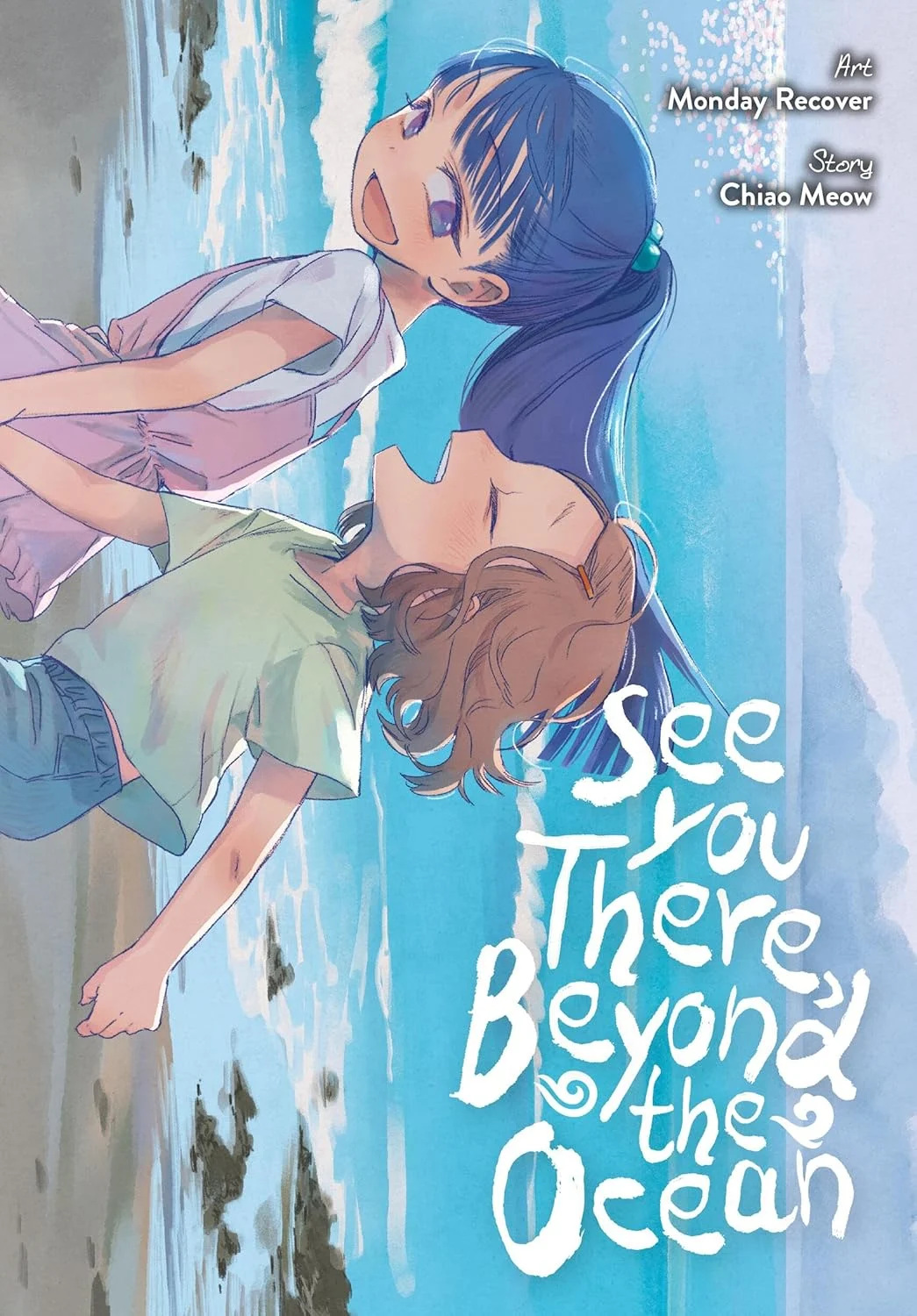
A poignant exploration of friendship, grief, and artistic legacy, "See You There, Beyond the Ocean," a critically acclaimed Taiwanese manga by artist Monday Recover and writer Chiao Meow, has captured international attention, offering a profound coming-of-age narrative that delicately navigates the intricate boundaries between deep affection and platonic intimacy, profound connection and emotional dependence. This work, arguably the most recognized Taiwanese manga on the global stage in recent years, delves into the complexities of adolescent relationships and the enduring impact of loss, all set against the backdrop of Taiwan’s evolving cultural and historical landscape.
A Tapestry of Friendship and Shared Dreams
The story centers on Hsiao-jung, a shy and unassuming middle school student who finds solace and belonging in the unexpected friendship of Ko-wei, her radiant and academically gifted classmate. Initially struggling with social interactions, Hsiao-jung blossoms under Ko-wei’s warm and encouraging presence. Their shared passion for manga becomes the bedrock of their bond, leading them to embark on a collaborative creative endeavor. Ko-wei, with her artistic prowess, and Hsiao-jung, with her storytelling talent, form a formidable duo, channeling their shared enthusiasm into the creation of their manga, "Voice of the Ocean." This collaborative project quickly garners acclaim within their school, becoming a testament to their burgeoning artistic synergy.
However, their creative journey is abruptly and tragically interrupted by Ko-wei’s sudden death in an accident. This devastating loss plunges Hsiao-jung into a profound abyss of grief and confusion. The unfinished manuscript of "Voice of the Ocean" becomes a stark reminder of her friend’s absence and a symbol of her own unresolved sorrow. The ensuing years of adolescence are marked by a struggle to reconcile with Ko-wei’s permanent departure and to find a path forward that honors her friend’s legacy without succumbing to the weight of despair. It is only in her university years that Hsiao-jung begins to forge a new equilibrium, a journey of healing that allows her to confront and ultimately overcome the trauma of her loss.
Artistic Innovation and Cultural Resonance
Monday Recover, the artist behind "See You There, Beyond the Ocean," is widely recognized for her innovative contributions to the Girls’ Love genre. Her work is celebrated not only for pushing beyond conventional gender representations but also for its remarkable ability to weave Taiwanese history and traditions into compelling narratives. This is exemplified in her previous work, "A Tale of Beautiful Flowers" (Qīngtíng wǒ xíng), which is set during the Japanese colonial era, offering a poignant reflection on that significant period in Taiwanese history.
In "See You There, Beyond the Ocean," the integration of national history serves a similar purpose, acting as a dynamic and living backdrop that underscores the passage of time and the interconnectedness of individual lives with larger societal shifts. This approach mirrors the narrative strategy employed in Sung Hsin-yin’s animated feature "On Happiness Road," where the protagonist’s personal journey is paralleled with Taiwan’s major historical transformations, viewed through the intimate lens of her neighborhood. Similarly, the 1999 Chi-Chi earthquake, a catastrophic natural disaster that profoundly impacted Taiwan, is strategically employed in "See You There, Beyond the Ocean" as a prelude to the personal "earthquake" in Hsiao-jung’s life – the devastating loss of Ko-wei. This juxtaposition of natural and personal cataclysms highlights the profound ways in which external events can shape individual experiences and underscore the fragility of life.
Echoes and Divergences: A Comparative Analysis
For aficionados of manga, the powerful depiction of an all-female creative partnership, forged through a shared passion for storytelling and illustration, inevitably evokes comparisons with Tatsuki Fujimoto’s critically acclaimed work, "Look Back." Published on Shonen Jump Plus a year prior to "See You There, Beyond the Ocean," Fujimoto’s manga also explores the complexities of a collaborative artistic relationship and the impact of loss. It is plausible that "Look Back" served as a significant reference point for Chiao Meow’s original narrative.
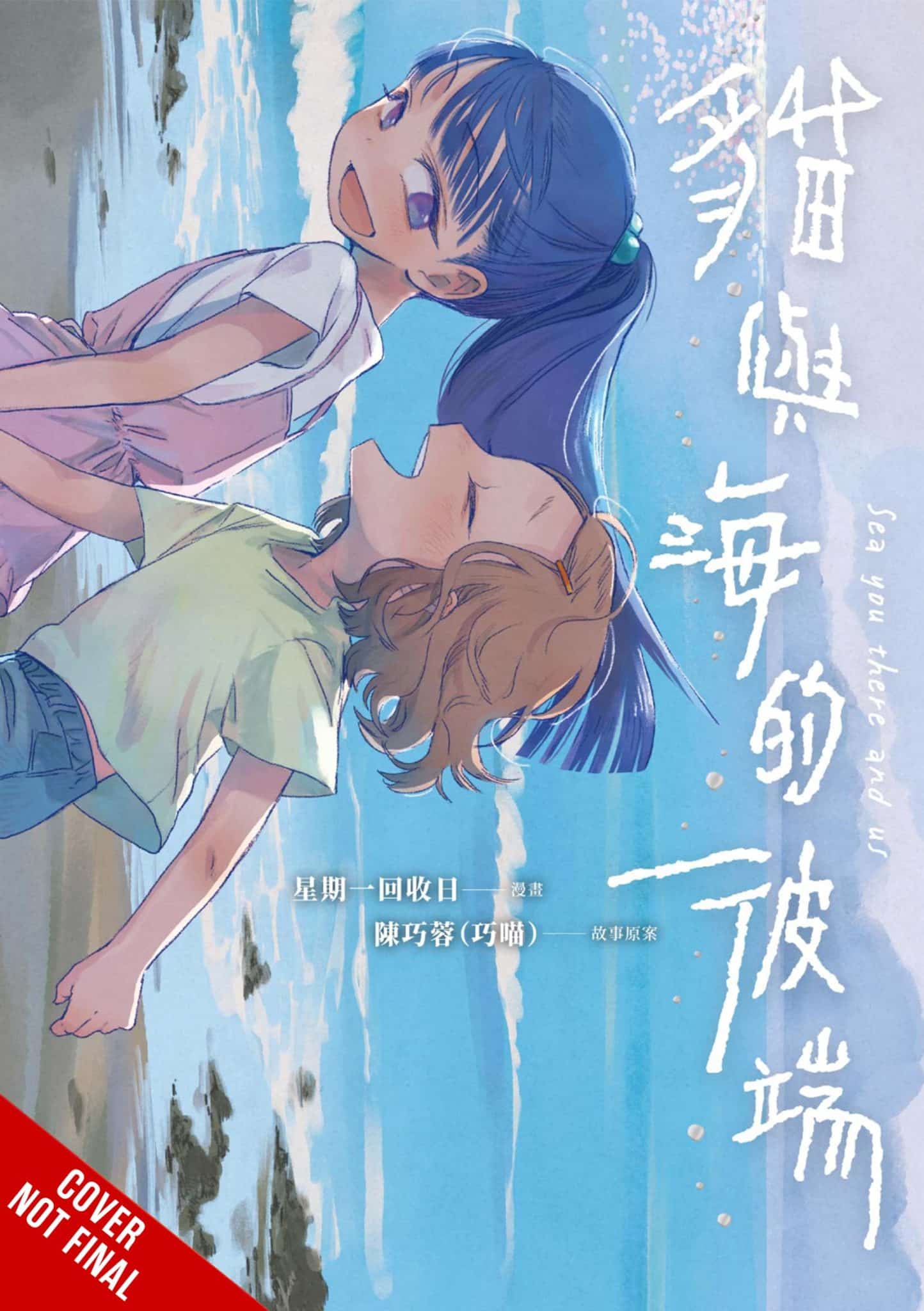
However, "See You There, Beyond the Ocean" distinguishes itself from its Japanese counterpart through a crucial divergence in its resolution. While "Look Back" leans towards the continuation and completion of the shared artistic vision, Hsiao-jung, in "See You There, Beyond the Ocean," ultimately makes the profound decision to leave "Voice of the Ocean" unfinished. This choice is not a surrender to grief but a deliberate act of self-preservation and growth. By embracing the incompleteness of their joint project, Hsiao-jung manages to escape the debilitating grip of depression and self-recrimination. She comes to understand that it is neither her responsibility nor her prerogative to perfectly fill the void left by Ko-wei. This realization is fundamental to her healing process, allowing her to move beyond the shadow of her past and forge her own artistic identity.
This narrative choice is further reinforced through the manga’s retrospective storytelling approach. The reader is introduced to Hsiao-jung as a mature, functional adult who has successfully navigated her trauma. Her artistic development has proceeded independently, diverging from any attempt to replicate Ko-wei’s style or vision. As the narrative implicitly suggests, imitation, however deeply understood, can never truly capture the essence of another’s creative spirit. The inherent impossibility of such replication becomes a catalyst for Hsiao-jung’s own artistic evolution.
Visual Storytelling and Emotional Nuance
The artistic style of "See You There, Beyond the Ocean" is characterized by its captivating visuals, which draw inspiration from classic Japanese children’s manga, such as the beloved "Doraemon" series. This influence is evident in the cute and endearing designs of the characters. However, Monday Recover imbues these charming figures with a remarkable degree of anatomical realism and an expansive range of facial expressions. This skillful blend of stylistic influences allows the artwork to convey a wealth of nuanced emotions and subtle interpersonal dynamics, often without the need for explicit dialogue. The visual language of the manga is thus a powerful tool in its own right, capable of communicating complex feelings and unspoken sentiments with profound impact.
Broader Implications for Taiwanese Comics
The international recognition and availability of "See You There, Beyond the Ocean," particularly through its English edition, hold significant promise for the broader Taiwanese comics industry. The publication of this work is anticipated to accelerate the translation and dissemination of Taiwanese manga into the English-speaking market. For too long, Taiwanese comics have remained relatively underrepresented compared to their Japanese and Korean counterparts, despite possessing a rich diversity and a vibrant creative landscape.
The success of "See You There, Beyond the Ocean" serves as a powerful testament to the unique storytelling capabilities and artistic talent emanating from Taiwan. It offers a compelling argument for increased investment in international distribution and translation initiatives, paving the way for a wider global audience to discover and appreciate the depth and breadth of Taiwanese graphic narratives. This increased visibility could foster greater cross-cultural understanding and appreciation for the unique perspectives and artistic innovations emerging from Taiwan, further solidifying its place on the global cultural map.
The manga’s ability to seamlessly blend universal themes of friendship and loss with specific Taiwanese cultural and historical contexts provides a unique and compelling narrative experience. This fusion of the personal and the collective, the intimate and the historical, is a hallmark of sophisticated storytelling and contributes significantly to the work’s enduring appeal. As more Taiwanese comics gain international traction, they have the potential to enrich the global literary and artistic conversation, offering fresh perspectives and diverse cultural insights that resonate with readers worldwide. The continued success of works like "See You There, Beyond the Ocean" is a crucial step in realizing this potential.