



The global gaming hardware landscape underwent a significant shift this week as Valve, the operator of the world’s largest digital PC gaming storefront and manufacturer of the Steam Deck, announced a substantial price increase for its high-end handheld models. This move, which specifically impacts the Steam Deck OLED variants, marks a rare departure from the traditional consumer electronics lifecycle, where hardware typically depreciates in value over time. In the United Kingdom, the price adjustments have been particularly stark, with the flagship 1TB Steam Deck OLED model jumping from £569 to £779—a sharp increase of £210. The 512GB mid-tier OLED model followed a similar trajectory, rising from £479 to £649, representing a £170 surge.
Valve’s decision to adjust its pricing structure is not an isolated event but rather a symptom of a broader, more systemic instability within the global technology supply chain. The company officially attributed the price hikes to the "rising cost of RAM and storage shortages," alongside "global logistical challenges across the industry as a whole." While the internal specifications of the Steam Deck remain unchanged, the cost to produce and distribute the units has evidently reached a threshold that Valve is no longer willing or able to subsidize at previous levels. This development has sent ripples through the gaming community, raising urgent questions about the affordability of future hardware, including the long-rumored and highly anticipated "Steam Machine" console-PC hybrid.
The Global Component Crisis: Why RAM and Storage are Soaring
To understand Valve’s pricing strategy, one must look at the volatile state of the semiconductor market. The primary drivers behind the current price surge are the skyrocketing costs of Dynamic Random-Access Memory (DRAM) and NAND Flash storage. Industry analysts have noted that major memory manufacturers, including Samsung, SK Hynix, and Micron, have significantly curtailed production output over the last eighteen months to stabilize prices following a post-pandemic glut. This intentional reduction in supply, coupled with a sudden explosion in demand for high-bandwidth memory driven by the artificial intelligence (AI) boom, has created a "perfect storm" for consumer electronics.
The Steam Deck OLED, which relies on high-speed LPDDR5 RAM and high-capacity NVMe SSDs, is particularly vulnerable to these market fluctuations. Unlike the original LCD model, which utilized slightly older and more plentiful components, the OLED version is built with premium parts that are currently in high demand across multiple sectors, from automotive technology to enterprise-level AI servers. Furthermore, logistical hurdles—including increased shipping costs due to geopolitical tensions in the Red Sea and rising labor costs in manufacturing hubs—have added layers of expense to every unit shipped from the factory to the consumer’s doorstep.
A Chronology of Valve’s Hardware Evolution
Valve’s journey into the hardware space has been characterized by both experimental failures and runaway successes. Understanding the current pricing predicament requires a look back at the company’s trajectory:
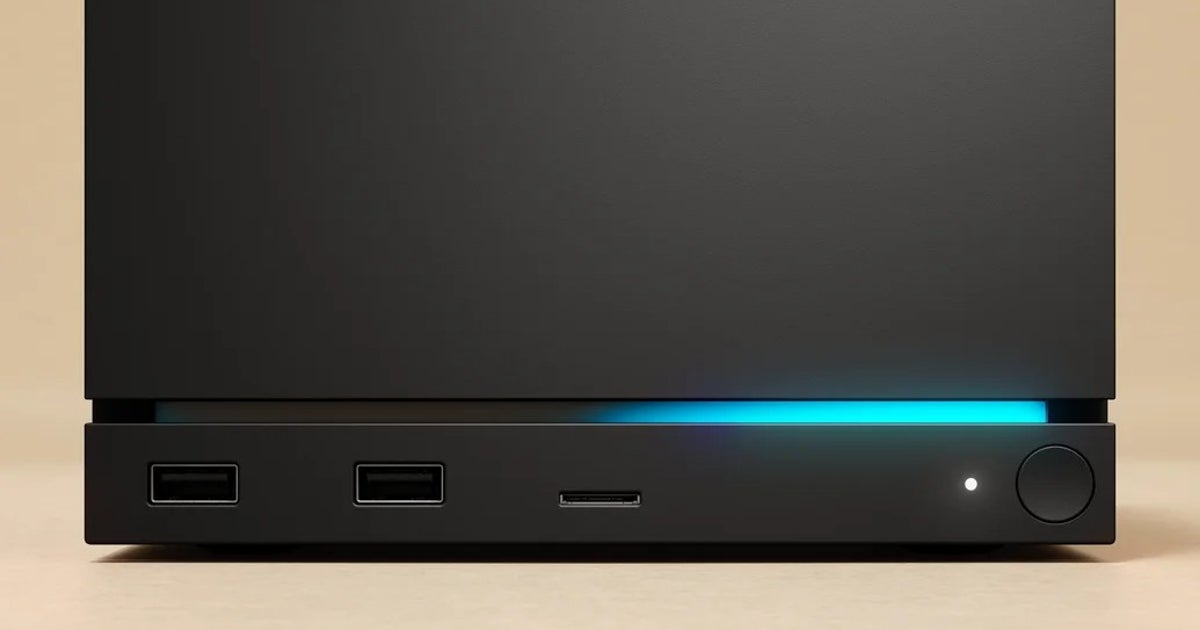
- 2013-2015: The Original Steam Machines. Valve first attempted to bridge the gap between PC gaming and the living room with "Steam Machines"—a series of pre-built small-form-factor PCs running SteamOS. However, the project struggled due to high price points, a fragmented hardware lineup from various third-party manufacturers, and the immaturity of Linux-based gaming at the time.
- 2015-2019: Peripheral Experiments. Valve released the Steam Controller and the Steam Link, aiming to refine the "couch gaming" experience. While the Steam Link eventually transitioned into a software-based app, the Steam Controller gained a cult following but was eventually discontinued.
- 2019: The Valve Index. The company entered the high-end VR market with the Index, setting a gold standard for fidelity but maintaining a premium $999 price tag that has remained largely static for years.
- 2022: The Steam Deck Launch. Valve revolutionized the market with the Steam Deck, proving that a handheld PC could be both powerful and affordable. The base LCD model was sold at a price point that many analysts believed was at or near a loss-leader level to drive software sales.
- 2023: The OLED Refresh. Valve introduced the OLED model, featuring improved battery life, a better screen, and faster memory, initially maintaining a competitive pricing structure that has now been upended by the current economic climate.
The Looming Shadow of the Next-Generation Steam Machine
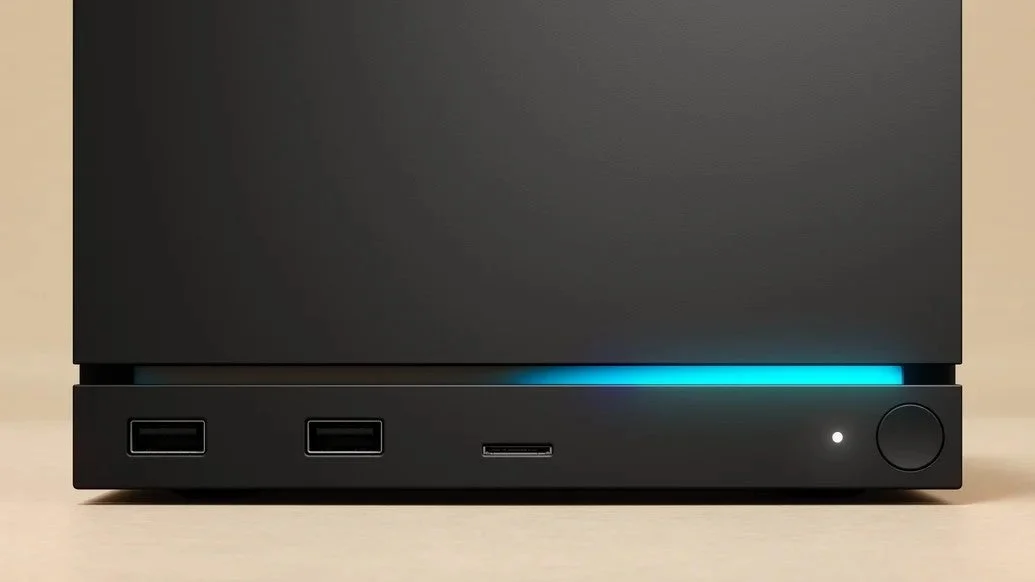
Perhaps the most significant casualty of this pricing volatility is the speculation surrounding Valve’s next major hardware project: a new iteration of the Steam Machine. Unlike the 2015 versions, this "console/PC hybrid" is expected to be a powerful, Valve-designed unit capable of running high-end PC games on a television with the same seamlessness as the Steam Deck’s interface.
Valve has remained tight-lipped regarding specific pricing for this new device, previously stating only that the cost would be "more in line with what you might expect from the current PC market." However, with the PC market currently trending toward luxury pricing, analysts are adjusting their forecasts. Mat Piscatella, a prominent industry analyst, suggested that the recent Steam Deck price hikes serve as a precursor for what is to come.
"My guess is that yesterday’s increase in Steam Deck prices signals that we’ll likely be seeing four-digit pricing for the Steam Machines," Piscatella noted. He suggested that a $1,200 USD (approximately £950) launch price for a base version is now a realistic assumption, though he cautioned that the market is "behaving abnormally." The "four-digit" barrier is a psychological hurdle for many gamers who are accustomed to the $499–$599 price range of traditional consoles like the PlayStation 5 or Xbox Series X. If Valve’s hybrid machine enters the market at over $1,000, it moves from a mass-market gaming device to a niche enthusiast product.
Industry-Wide Implications: Sony, Nintendo, and the "Banner Year"
Valve is not alone in its struggle against inflation and component costs. Sony recently announced price hikes for the PlayStation 5 in several global markets, and the upcoming "PS5 Pro" is rumored to carry a premium price tag to offset manufacturing expenses. Similarly, Nintendo has faced questions regarding the eventual successor to the Switch, with rumors suggesting that the "Switch 2" will likely be more expensive than its predecessor to account for the increased cost of modern NAND storage and more powerful processing units.
Chris Dring of The Game Business highlighted that these increases come at a precarious time for the industry. With the highly anticipated release of Grand Theft Auto 6 on the horizon, 2025 is expected to be a "banner year" for the sector. "GTA 6 is likely to attract an audience of new and lapsed players, and they’re in for a shock when they look at the price of the machines needed to play it," Dring observed.
If the entry-level cost for a high-performance gaming machine—whether it be a console or a Steam Machine—exceeds the average consumer’s discretionary budget, the industry may see a stagnation in hardware adoption. This "squeeze" is exacerbated by the broader cost-of-living crisis. As households prioritize essential spending on food, fuel, and housing, the appetite for high-priced luxury electronics diminishes.

The Rise of Alternatives: Cloud Gaming and Extended Generations
As hardware becomes more expensive, the industry may pivot toward alternative solutions. One potential outcome is the extension of the current console generation. If manufacturers cannot produce new hardware at a price consumers can afford, they may choose to support existing platforms for longer periods, focusing on software optimization rather than hardware iterations.
Furthermore, cloud gaming could see a renewed surge in interest. Services like Xbox Cloud Gaming and GeForce Now allow users to access high-end gaming experiences without the need for a $1,200 local machine. While cloud gaming still faces hurdles regarding latency and internet infrastructure, the "upfront hardware cost" of a Steam Machine or a PS5 Pro may drive budget-conscious gamers toward subscription-based streaming models.
Conclusion: A Market in Flux
The price hike for the Steam Deck OLED is more than just a local adjustment for UK consumers; it is a signal that the era of subsidized, low-cost gaming hardware may be coming to an end. Valve’s admission that logistical challenges and component costs are driving these decisions reflects a new reality where even the most consumer-friendly companies must yield to macroeconomic pressures.
As the industry looks toward the future of the Steam Machine and the next generation of consoles, the "prophecy" of high-end pricing seems increasingly likely to come true. For gamers, the "perfect storm of unpreparedness, panic, and greed" in the component market means that the barrier to entry for the "Master Race" of PC gaming is higher than ever. Whether Valve can find a way to balance performance with affordability in its next hybrid device remains to be seen, but for now, the "squeeze" shows no signs of relenting.