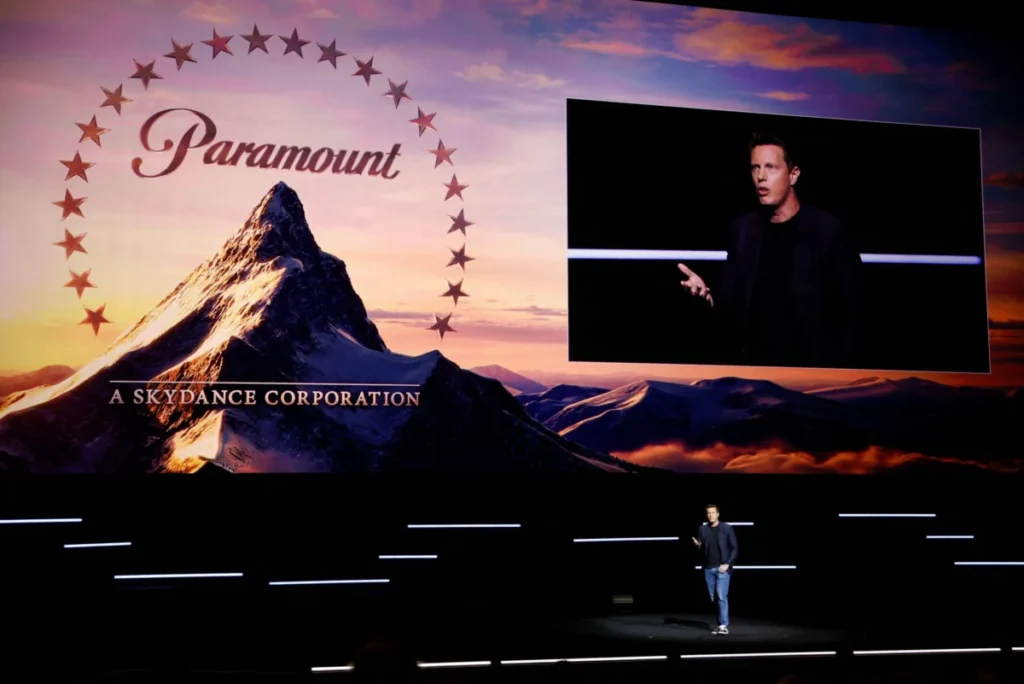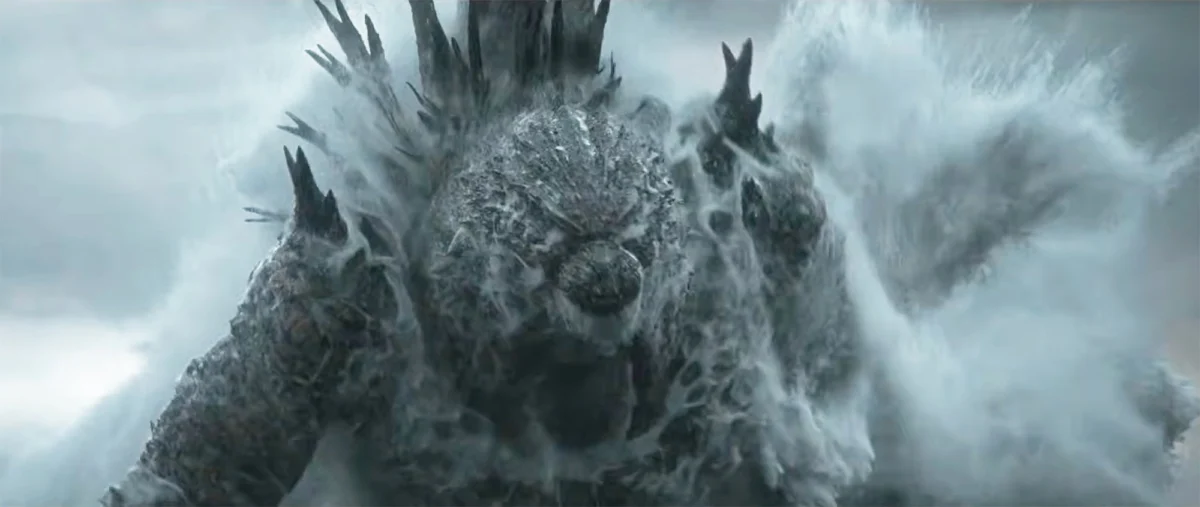
The highly anticipated sequel to Takashi Yamazaki’s globally acclaimed Godzilla Minus One has officially been announced, with Toho and GKids revealing the first teaser trailer for Godzilla Minus Zero. The unveiling occurred at CinemaCon in Las Vegas, generating significant buzz among industry professionals and fans alike, and confirming a worldwide release scheduled for November 2026. Director Takashi Yamazaki, whose previous work on Godzilla Minus One garnered historic critical acclaim and an Academy Award, returns to helm the follow-up, promising another compelling chapter in the iconic kaiju saga. The new film is set two years after the devastating events of its predecessor, situating the narrative in 1949 Japan, a period of profound national reconstruction and lingering post-war trauma. The "Minus Zero" in the title is understood to reflect this crucial juncture, as Japan grapples with rebuilding from a state of complete devastation.
The Unveiling: A Glimpse into ‘Godzilla Minus Zero’
The teaser trailer, initially showcased to an enthusiastic audience at CinemaCon, provided a series of quick, impactful glimpses into the impending catastrophe. While brief, the footage strongly suggested an escalation in both scale and narrative complexity. Director Yamazaki himself introduced the teaser, concluding with the evocative invitation, "See you at the movie theater!", a testament to his confidence in the cinematic experience Godzilla Minus Zero aims to deliver. Early reactions from those present at CinemaCon highlight a sense of heightened anticipation, with observations noting that the sequel appears "even bigger and better." A key detail emerging from the initial trailer description is the implication that Godzilla’s destructive path may extend beyond the borders of Japan, hinting at a broader international scope for the monster’s rampage. This potential expansion beyond Japan’s immediate coastline marks a significant departure from Godzilla Minus One, where the focus was intensely localized, deepening the allegory of post-war recovery. The teaser’s ominous tone, punctuated by the line, "If their operation fails, maybe we’ll finally get to use it…", suggests a desperate human response to the titan’s return, hinting at new defensive strategies or perhaps a more aggressive counter-measure being contemplated.
Narrative Foundations: Plot and Setting in Post-War Japan
Godzilla Minus Zero picks up the narrative thread in 1949, precisely two years after the tumultuous and harrowing events depicted in Godzilla Minus One. This specific timeframe is crucial, as it places the story within a Japan still deeply entrenched in the arduous process of post-World War II reconstruction, heavily influenced by the presence of American forces aiding in the rebuilding effort. The title "Minus Zero" itself carries profound significance, symbolizing a nation striving to claw its way back from a state of absolute devastation – "minus" in terms of infrastructure, morale, and national identity, aiming for a "zero" point of stability and normalcy. This period was characterized by immense hardship, resource scarcity, and a collective psychological burden, providing a fertile, emotionally charged backdrop for Godzilla’s return.

The story will continue to follow the Shikishima family, a central emotional anchor from the first film. Ryunosuke Kamiki is confirmed to return as Koichi Shikishima, the former kamikaze pilot haunted by his wartime experiences and his initial encounter with Godzilla. His portrayal in Godzilla Minus One was lauded for its depth and emotional resonance, grounding the fantastical monster spectacle in very human terms. Alongside him, Minami Hamabe reprises her role as Noriko Oishi, whose miraculous survival from Godzilla’s initial assault on Tokyo left a lasting impact on audiences. Their continued journey through this new calamity promises to explore themes of survival, recovery, and the enduring human spirit against overwhelming odds. The re-establishment of these characters allows for a direct continuation of the emotional arc, allowing viewers to reconnect with their struggles and triumphs in the face of renewed terror. The addition of Miou Tanaka to the cast in an undisclosed role further expands the human element of the story, hinting at new characters or expanded subplots that will intertwine with the Shikishima family’s narrative.
The Return of Key Players: Kamiki’s Perspective
The continuity of the core cast, particularly Ryunosuke Kamiki and Minami Hamabe, is a pivotal element for Godzilla Minus Zero. Kamiki’s return as Koichi Shikishima is especially significant, given the character’s profound journey and his direct, often traumatic, encounters with Godzilla in the first film. His portrayal was central to Godzilla Minus One‘s success, providing an intimate, human perspective amidst the colossal destruction. Kamiki himself expressed immense pride and anticipation regarding his involvement in the sequel.
In a statement released alongside the teaser, Kamiki shared his sentiments: "I am beyond happy to be able to participate in a film set two years after Godzilla Minus One, which is one of the most important works of my life. I also feel proud to have been able to work with Director Takashi Yamazaki and everyone on the team once again. The pressure of participating in a Godzilla work loved by so many people remains the same as in the previous film, but I have done my absolute best so that everyone who watches it, and everyone who loves Godzilla, can enjoy it." This statement underscores not only Kamiki’s personal connection to the role and the project but also the weight of expectation that accompanies a sequel to such a beloved and critically acclaimed film. His acknowledgment of the "pressure" highlights the immense responsibility felt by the cast and crew to deliver a follow-up that lives up to the high bar set by its predecessor, while also reassuring fans of their dedication to the project.
Maestro Behind the Monster: Takashi Yamazaki’s Vision
Takashi Yamazaki’s return as both writer and director, and crucially, as the lead VFX supervisor, is a cornerstone of the excitement surrounding Godzilla Minus Zero. His singular vision was instrumental in crafting Godzilla Minus One, leading it to unprecedented success. Yamazaki’s approach to Godzilla is characterized by a deep reverence for the character’s origins as an allegory for nuclear devastation and post-war trauma, combined with a modern sensibility for storytelling and visual effects. His ability to blend poignant human drama with breathtaking kaiju spectacle earned him widespread acclaim.

Yamazaki’s filmography prior to Godzilla Minus One showcases a diverse range of talents, from historical dramas to animated features, all marked by strong visual storytelling and emotional depth. His previous works include Space Battleship Yamato, The Fighter Pilot, the beloved animated films Stand by Me Doraemon and Lupin III: The First, and the live-action adaptations Parasyte: Part 1 & 2. This varied background has provided him with a unique toolkit for handling complex narratives and demanding visual effects. The fact that he personally oversees the visual effects for his Godzilla films is particularly noteworthy. This hands-on approach ensures a cohesive vision, where the narrative and visual spectacle are seamlessly integrated, resulting in the highly praised, visceral portrayal of Godzilla that captivated audiences worldwide. His dedication to practical effects blended with cutting-edge CGI creates a tangible sense of terror and scale, which will undoubtedly be a hallmark of Godzilla Minus Zero as well.
The Precedent: Godzilla Minus One‘s Global Phenomenon
The anticipation for Godzilla Minus Zero is largely fueled by the monumental success of its predecessor, Godzilla Minus One. Released in 2023, the film became an unexpected global sensation, resonating deeply with both long-time kaiju fans and new audiences. It garnered near-universal critical acclaim, with many praising its compelling human story, terrifying portrayal of Godzilla, and groundbreaking visual effects achieved on a remarkably modest budget. The film’s critical reception was stellar, boasting an impressive 98% approval rating on Rotten Tomatoes, with critics lauding its return to Godzilla’s roots as a terrifying force of nature rather than a hero.
Commercially, Godzilla Minus One defied expectations, grossing over $115 million worldwide, making it the highest-grossing Japanese Godzilla film in history and the highest-grossing foreign-language film in North America in 2023. Its success was further amplified by a highly lucrative re-release in "Minus Color" (black and white) which further solidified its cult status and box office performance. The pinnacle of its achievements came at the 96th Academy Awards, where it won the Oscar for Best Visual Effects. This was a historic win, marking the first time a non-English language film, and specifically a Japanese film, had received an Academy Award in that category. This triumph not only elevated Godzilla Minus One to an elite status but also brought renewed global attention to Japanese filmmaking and the kaiju genre. The victory was a powerful testament to Yamazaki’s innovative techniques and the dedication of Toho Studios and Robot Communications, who produced the film. The bar set by Godzilla Minus One‘s combination of critical adoration, commercial success, and prestigious awards has created a unique set of expectations for its sequel, Godzilla Minus Zero.
Toho’s Global Strategy and GKids Partnership
The global release strategy for Godzilla Minus Zero underscores Toho’s ambition to replicate and even surpass the international reach of Godzilla Minus One. The partnership with GKids for the North American distribution is particularly significant. GKids, an acclaimed distributor known for bringing critically lauded animated and foreign films to a wider audience, proved instrumental in the successful theatrical run of Godzilla Minus One in the US. Their expertise in curated releases and targeted marketing allowed the film to find its niche and then expand exponentially through strong word-of-mouth.

The decision to schedule Godzilla Minus Zero for a worldwide release in November 2026, specifically targeting November 6th for its US theatrical debut, indicates a deliberate strategy to position the film during a potentially lucrative holiday season. This timing also allows it to build momentum ahead of major awards considerations, mirroring the successful playbook of its predecessor. The official website, godzillaminuszero.com, has been launched to serve as a central hub for information, further demonstrating a concerted effort to engage a global fanbase. This strategic approach highlights Toho’s confidence in the film’s international appeal and its commitment to ensuring maximum exposure for Yamazaki’s latest creation. The global distribution model reflects a broader trend in Japanese cinema, where high-quality productions are increasingly finding substantial audiences beyond their domestic market, challenging traditional distribution paradigms for foreign-language films.
Broader Implications and Anticipation
The announcement of Godzilla Minus Zero carries significant implications for the future of the kaiju genre, Japanese cinema on the global stage, and the Godzilla franchise itself. The decision to continue the narrative and thematic depth established in Godzilla Minus One rather than pursue an entirely new standalone story or reboot, demonstrates a commitment to character-driven storytelling within the monster genre. This approach differentiates Toho’s Godzilla films from Hollywood’s MonsterVerse, which often prioritizes spectacle and interconnected universes over singular, emotionally resonant narratives.
The potential for Godzilla to venture outside Japan in Godzilla Minus Zero, as hinted by the teaser, could mark an evolution in Toho’s portrayal of the monster’s global impact, moving beyond its traditional role as a localized allegory for Japanese trauma. While still rooted in the post-war context, a broader scope could explore universal themes of destruction, human resilience, and international cooperation (or lack thereof) in the face of existential threats. This expansion could open new avenues for storytelling while maintaining the allegorical weight that has defined the character for decades.
For Japanese cinema, the continued global success of the Godzilla Minus series reinforces its capacity to produce world-class blockbusters that resonate universally. It inspires other filmmakers and studios to invest in high-concept, original stories, demonstrating that artistic integrity and technical excellence can yield significant international dividends. The anticipation surrounding Godzilla Minus Zero is not merely that of a sequel to a popular film, but for a continuation of a cinematic triumph that redefined expectations for what a monster movie could achieve, both critically and artistically. The return of music composer Naoki Satō, who crafted the impactful score for the first film, further assures fans of a consistent and powerful auditory experience that complements the visuals.

Release Schedule and Outlook
Godzilla Minus Zero is slated for release in Japan in November 2026, with GKids subsequently launching the film in US theaters starting November 6th, 2026. This staggered release allows for an initial domestic surge before transitioning to international markets, building excitement and critical momentum. The project, produced by Toho Studios and Robot Communications, with Kazuaki Kishida as producer, represents a concerted effort to deliver a sequel that not only honors the legacy of its predecessor but also pushes the boundaries of the kaiju genre further. As the world awaits more details and a full trailer, the initial teaser has successfully reignited the fervor for Takashi Yamazaki’s unique vision of Godzilla, promising another unforgettable cinematic experience. The journey from "Minus One" to "Minus Zero" signifies not just a chronological progression, but a deeper exploration of a nation’s struggle for existence and the enduring terror of its most iconic monster.