The planned "Freedom 250" concert series, intended to commemorate America’s 250th birthday, is facing significant organizational challenges and public scrutiny as a growing number of artists, including prominent names from the 1980s and 90s, have withdrawn from the lineup. The concert series, a public-private partnership backed by the Trump administration and slated to take place from June 25 to July 10 on the National Mall in Washington, D.C., has become a focal point for discussions about the intersection of art, politics, and national celebration, drawing satirical commentary from figures like comedian Bill Maher.
The Unraveling Lineup: A Chronology of Withdrawals
The initial announcement of the "Freedom 250" lineup aimed to generate excitement for the nation’s semiquincentennial celebrations, presenting a diverse roster of musical acts. However, the enthusiasm quickly waned as several artists, some reportedly surprised by their inclusion, began to publicly distance themselves from the event. This cascade of withdrawals has left organizers scrambling and raised questions about the viability and public perception of the entire endeavor.
One of the most vocal withdrawals came from Bret Michaels, the iconic frontman of the rock band Poison. On Friday, following earlier reports of his involvement, Michaels issued a comprehensive statement on his official website, clarifying his decision to step away. He articulated that what was initially presented as an inclusive celebration of American heritage had, in his view, "evolved into something much more divisive than what I agreed to be a part of." This sentiment echoed a broader concern among many artists and the public regarding the politicization of national events, particularly those associated with a specific presidential administration. Michaels further elaborated on the gravity of his decision, stating, "Concerns have also been raised regarding the safety of my fans, band, crew, family and myself, including threats that are completely unfounded and unforgivable." Citing these serious safety concerns, he concluded, "Because of that, I have made the difficult decision to step away from this performance." He underscored that his decision was not driven by political alignment but by his commitment to his beliefs and the safety of those around him, affirming, "This isn’t about politics. It’s about staying true to what I’ve always believed in. Everyone is entitled to their own opinions. That’s one of the freedoms our veterans fought for and something I’ve always respected. But as a father, friend and bandmate, I have to take threats and safety concerns seriously."
Michaels’ withdrawal was not an isolated incident. The Commodores, the legendary funk and soul group, also announced their departure from the concert series around the same time, though their public statement provided fewer specific details regarding their motivations. Their decision, however, further amplified the growing perception that the event was struggling to maintain its appeal to a broad spectrum of artists.
Earlier in the week, other notable acts had already signaled their disengagement. Rapper Young MC, known for his hit "Bust a Move," and Morris Day, the charismatic leader of The Time, both confirmed they would not be participating. Country music star Martina McBride also exited the Freedom 250 concert slate, adding another significant name to the list of artists opting out. These early withdrawals set a precedent, indicating a potential reluctance among artists to be associated with an event that, despite its patriotic premise, appeared to be mired in political controversy.
Perhaps one of the most striking revelations came regarding the Grammy-winning duo Milli Vanilli. The group had been prominently featured in promotional materials for the concert series, but Jodie Rocco, a member of the act, expressed her profound surprise and dismay. In an interview with the Associated Press on Thursday, Rocco stated she was "shocked" to see the Milli Vanilli name on the list, suggesting that their inclusion was made without proper consultation or agreement. This incident not only highlighted potential communication breakdowns but also cast a shadow over the credibility of the event’s initial artist announcements, implying that some names might have been listed prematurely or without explicit confirmation.
The Context of the Freedom 250 Celebration
The "Freedom 250" concert series is envisioned as a centerpiece of the broader celebrations for the United States’ 250th anniversary, known as the Semiquincentennial, which will culminate in 2026. The 250th anniversary marks a significant historical milestone, commemorating the Declaration of Independence in 1776 and the subsequent birth of the nation. Such anniversaries are typically occasions for national unity, reflection, and celebration, often involving large-scale public events, educational initiatives, and cultural programs designed to engage citizens from all walks of life.
The decision to host a major concert series on the National Mall in Washington, D.C., is historically resonant. The National Mall has served as America’s "front yard" for countless civic events, protests, inaugurations, and celebrations, symbolizing democratic ideals and national gathering. Its vast open space and iconic backdrop, including the Lincoln Memorial and Washington Monument, make it an ideal venue for large public assemblies. The involvement of a "public-private partnership" with backing from the Trump administration positioned the event with a distinct political flavor from its inception, a factor that likely contributed to the divisiveness that artists like Bret Michaels cited. Such partnerships often aim to leverage governmental support and private funding to achieve ambitious goals, but they also carry the risk of being perceived as extensions of the political agenda of the administration in power.
The timing of the event, running from late June into early July, aligns with traditional Independence Day festivities, suggesting an ambition to create an extended period of national celebration. However, the political climate preceding the event has been characterized by deep partisan divisions, making the task of organizing a universally appealing national celebration particularly challenging.
Comedic Commentary and Public Discourse
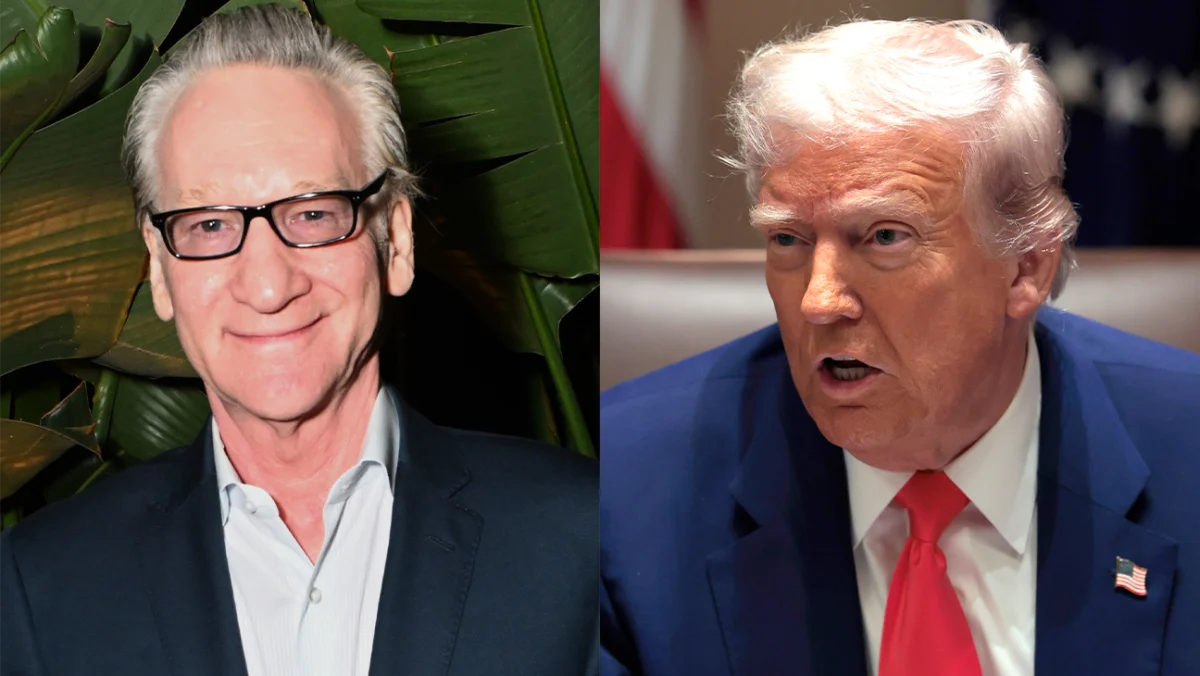
The unfolding situation with the "Freedom 250" concert series did not escape the keen eye of political satirists, most notably Bill Maher. During his monologue on Real Time Friday night, Maher seized upon the predicament, using humor to highlight the event’s struggles and the perceived caliber of its initial lineup.
Maher opened his segment by jokingly announcing the concert’s initial roster: "We’re having a big 250th birthday party for America, a concert. They announced the lineup. Vanilla Ice, Milli Vanilli, Morris Day, Bret Michaels." He then delivered a sharp punchline, satirizing the administration’s perceived priorities: "I think this is very admirable about the president, it shows he’s concerned for the unemployed." This quip played on the public perception of some of the listed artists as being past their commercial prime, implying that the event was a platform for lesser-known or nostalgic acts.
He continued to lampoon the situation as artists began to pull out: "And then, after they announced this all-star lineup, a lot of them said, ‘No, what are you talking about? We’re not playing.’" Maher’s ultimate comedic blow underscored the organizational difficulties and potential reputational damage for the event: "That’s got to hurt a lot when you can’t close the deal with Milli Vanilli." This line was particularly potent, referencing the infamous lip-syncing scandal that plagued Milli Vanilli’s career, suggesting that even an act with a controversial history was unwilling to participate, further diminishing the event’s appeal.
Maher’s commentary reflects a broader public sentiment that often views politically affiliated cultural events with skepticism, especially when they struggle to attract mainstream or highly respected talent. Satire, in this context, serves as a mechanism for processing and critiquing the intersection of celebrity, politics, and national identity. It highlights the perceived gap between the grand aspirations of a national celebration and the practical difficulties of executing it in a polarized environment.
Organizers’ Challenges and Official Responses
The rapid succession of artist withdrawals presents significant logistical and reputational challenges for the "Freedom 250" organizers and the Trump administration. Large-scale events of this nature require extensive planning, contractual agreements, security arrangements, and marketing campaigns, all of which are disrupted when headline acts pull out. The need to find replacement artists on short notice, especially for an event that has garnered negative publicity, can be exceptionally difficult and potentially more costly.
As of the latest reports, official statements from the "Freedom 250" organizers or representatives of the Trump administration regarding the artist withdrawals have been limited or have not directly addressed the specific reasons cited by artists like Bret Michaels. Typically, organizers of such events would either issue statements expressing regret while affirming their commitment to the event, or remain publicly silent while working behind the scenes to mitigate the damage. The lack of detailed public engagement from the organizers on the specific concerns raised by artists might be interpreted in various ways: an attempt to avoid further controversy, a focus on internal problem-solving, or a strategic decision to let the news cycle pass.
The incident with Milli Vanilli, where a group member expressed shock at their inclusion, suggests potential disorganization or premature announcements from the event’s public relations team. Such errors can severely undermine the credibility of the event and make it harder to attract future talent, as artists and their management teams become wary of being associated with an event that appears to misrepresent its lineup. The cumulative effect of these withdrawals and public missteps could significantly impact ticket sales (if applicable), sponsorship opportunities, and overall public engagement with the Semiquincentennial celebrations.
Broader Implications: Art, Politics, and National Unity
The saga of the "Freedom 250" concerts highlights several crucial implications regarding the role of art in politically charged environments and the challenges of fostering national unity through cultural events.
Firstly, it underscores the increasing pressure on artists to navigate the political landscape. In an era of heightened political polarization, artists often find themselves in a difficult position, where participation in events associated with a specific political figure or administration can be perceived as an endorsement, regardless of their personal intentions. Bret Michaels’ statement explicitly addressing the "divisive" nature of the event and clarifying his non-political stance reflects this dilemma. Artists, like any public figures, are increasingly scrutinized for their affiliations, and for many, maintaining a perceived neutrality or avoiding association with controversial political figures becomes a priority to preserve their fan base and public image.
Secondly, the safety concerns raised by Michaels are a stark reminder of the real-world consequences of political divisiveness. Threats, whether credible or not, can deter participation and force difficult decisions, demonstrating how political rhetoric can spill over into personal safety considerations for performers and their teams. This adds a layer of complexity to event planning that extends beyond artistic merit or logistical execution.
Thirdly, the incident raises questions about the effectiveness of public-private partnerships in national celebrations, especially when they are closely tied to a particular political administration. While such partnerships can bring significant resources, they also risk alienating segments of the population or the creative community if they are perceived as partisan. A truly national celebration for an event like the 250th anniversary often strives for broad appeal and non-partisanship, a goal that becomes challenging to achieve when the event is explicitly "backed by the Trump administration."
Finally, the satirical response from figures like Bill Maher reflects a broader cultural critique of attempts to unify a nation through events that may be perceived as lacking substance or genuine widespread appeal. The humor often stems from a disconnect between the lofty ideals of a national celebration and the practical realities of organizing it in a fragmented society.
Looking Ahead: The Future of the Event
With a significant portion of its initially announced lineup withdrawn and facing negative public sentiment, the future of the "Freedom 250" concert series remains uncertain. Organizers will need to decide whether to press forward with a revised lineup, significantly scale back the event, or potentially re-evaluate its entire premise. The challenge will be to salvage the celebratory spirit of the Semiquincentennial while navigating the political headwinds and artistic boycotts. Any future announcements will likely be met with increased scrutiny, as both the public and potential performers will be observing how the organizers address the issues of divisiveness, credibility, and safety that have plagued the event thus far. The incident serves as a cautionary tale for future national celebrations, highlighting the intricate balance required to create truly inclusive and unifying events in a deeply divided political landscape.