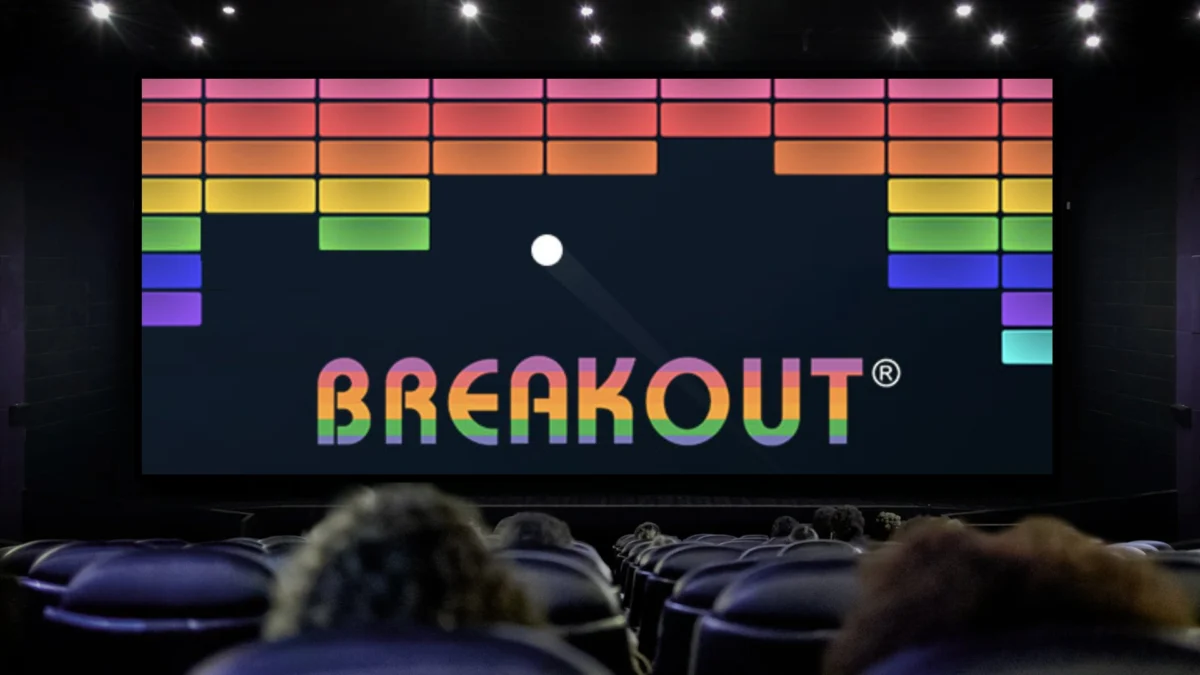
Universal Pictures has officially entered into a multi-year, ten-film development agreement with Atari and the production company Entertainment 360 to adapt a wide array of classic video game titles for the silver screen. This strategic alliance marks one of the most ambitious licensing deals in the history of video game adaptations, targeting some of the most foundational properties in the medium’s history. The partnership grants Universal the option to develop feature films based on ten specific intellectual properties from Atari’s expansive library: Asteroids, Adventure, Berzerk, Breakout, Centipede, Crystal Castles, Millipede, Missile Command, Pong, and Yars’ Revenge.
The collaboration aims to transform these early arcade and home console titles—many of which lack traditional narrative structures—into "big-scale action-adventure fare." While the specifics of the first project remain under wraps, reports indicate that a script is already in active development. This initial venture is being penned by screenwriters Matt Reilly and Carl Hampe, signaling that the production pipeline is moving forward immediately following the contractual finalization.
The Evolution of the Video Game Adaptation Market
This deal arrives at a pivotal moment for the film industry, which has increasingly turned to established video game franchises to fill the void left by fluctuating interest in traditional superhero cinema. Universal Pictures has been at the forefront of this trend, having recently distributed "The Super Mario Bros. Movie," produced in partnership with Nintendo and Illumination. That film shattered box office records, grossing over $1.36 billion worldwide and proving that retro gaming icons possess immense cross-generational appeal.
Universal also saw significant success with the 2023 release of "Five Nights at Freddy’s," a Blumhouse production that earned nearly $300 million on a modest budget. The studio’s decision to secure ten Atari properties suggests a long-term commitment to the "gaming cinematic universe" model, leveraging brand recognition that spans over five decades. By securing titles like "Pong" and "Asteroids," Universal is betting on the "nostalgia economy," targeting both older demographics who grew up in the golden age of arcades and younger audiences familiar with these titles through modern retro-collections and pop-culture references.
Historical Significance of the Atari Library
Atari, founded in 1972 by Nolan Bushnell and Ted Dabney, is widely credited with birth of the commercial video game industry. The titles included in the Universal deal represent the bedrock of interactive entertainment.
- Pong (1972): As the first commercially successful video game, "Pong" established the viability of the industry. While its gameplay consists of two paddles and a ball, its cultural status is unparalleled.
- Asteroids (1979): A vector-graphics masterpiece, this was Atari’s best-selling coin-operated game. Its premise of a lone pilot navigating a deadly debris field offers a natural foundation for a sci-fi survival thriller.
- Missile Command (1980): Born out of Cold War anxieties, this game tasked players with defending cities from incoming nuclear strikes. It is often cited for its surprisingly somber tone, as the game eventually becomes impossible to win, ending in "The End."
- Centipede (1981): Co-created by Dona Bailey, one of the few female programmers in the industry at the time, "Centipede" was a massive arcade hit known for its fast-paced gameplay and vibrant aesthetic.
- Yars’ Revenge (1982): Developed for the Atari 2600 by Howard Scott Warshaw, this title was unique for its time due to its complex lore involving an insectoid race seeking vengeance against an alien oppressor.
The challenge for Universal and Entertainment 360 will be "narrativizing" these properties. Unlike modern games like "The Last of Us" or "Uncharted," which feature cinematic scripts and developed characters, Atari’s classic titles are defined by abstract mechanics. This gives screenwriters significant creative liberty to build original worlds around basic concepts—a strategy previously seen in films like "Battleship" or "The Lego Movie."
Strategic Leadership and Corporate Vision
The deal is a significant milestone for Atari’s current leadership under CEO Wade Rosen. Since taking the helm, Rosen has focused on revitalizing the Atari brand by leaning into its heritage while expanding into modern hardware and software. Under his tenure, Atari has acquired numerous classic IPs and focused on high-quality "remaster" projects, such as the "Atari 50: The Anniversary Celebration."
"For more than five decades, Atari has created games and worlds that have remained part of popular culture long after their original release," Rosen stated during the announcement. "We are excited to work with Universal and Entertainment 360 to bring the spirit of our iconic brand and games to a new medium."
For Atari, this deal serves as a massive brand-building exercise. While the company no longer dominates the hardware market as it did in the late 1970s, its logo and titles remain some of the most recognizable symbols in global entertainment. A successful film franchise could lead to a resurgence in licensing revenue, merchandise sales, and interest in its modern gaming endeavors.
Production Partners and Creative Outlook
Entertainment 360, the production arm of Management 360, joins the partnership with a reputation for managing high-profile talent and developing complex properties. The involvement of Matt Reilly and Carl Hampe suggests that Universal is looking for a balance of action and contemporary storytelling.
The industry will be watching closely to see how Universal handles the tonal shifts required for such a diverse portfolio. While "Centipede" or "Missile Command" could easily translate into high-stakes action films, "Pong" and "Breakout" present more abstract challenges. Analysts suggest that the studio may opt for an anthology-style approach or a "meta-narrative" similar to 2015’s "Pixels," though Universal likely aims for a more grounded, high-budget execution to avoid the critical pitfalls of previous video game-themed comedies.
Timeline and Industry Implications
While no release dates have been set, the scale of a ten-film deal implies a decade-long roadmap. This move places Universal in direct competition with other major studios aggressively pursuing gaming IP. Sony Pictures has launched PlayStation Productions, resulting in the "Uncharted" film and "The Last of Us" television series. Meanwhile, Amazon MGM Studios and Netflix are investing billions into franchises like "Fallout" and "BioShock."
The "Atari-Universal" deal is unique because it focuses on "primitive" IP. By moving away from narrative-heavy modern games, Universal is essentially buying "concepts" rather than "scripts." This reduces the risk of alienating fanbases with lore changes, as the "lore" of a game like "Breakout" is virtually non-existent.
Economic and Cultural Impact
The financial terms of the deal were not disclosed, but industry experts suggest that the licensing fees, combined with backend royalties for Atari, could represent a significant capital influx for the gaming pioneer. For Universal, the deal secures a steady stream of content at a time when original ideas are often seen as risky by shareholders.
Culturally, this partnership represents the final stage of the "retro-renaissance." The aesthetics of the 1980s have dominated media for the last decade—seen in hits like "Stranger Things"—and the Atari library is the ultimate source material for that aesthetic. If successful, these films could redefine how the public perceives early digital art, transforming 8-bit pixels into 21st-century cinematic icons.
As the first project enters the scripting phase, the entertainment industry awaits further details on which Atari title will lead the charge. Whether it is a harrowing defense against an alien swarm in "Centipede" or a high-stakes geopolitical thriller based on "Missile Command," the collaboration between Universal and Atari signals a new chapter in the convergence of Hollywood and gaming history.