

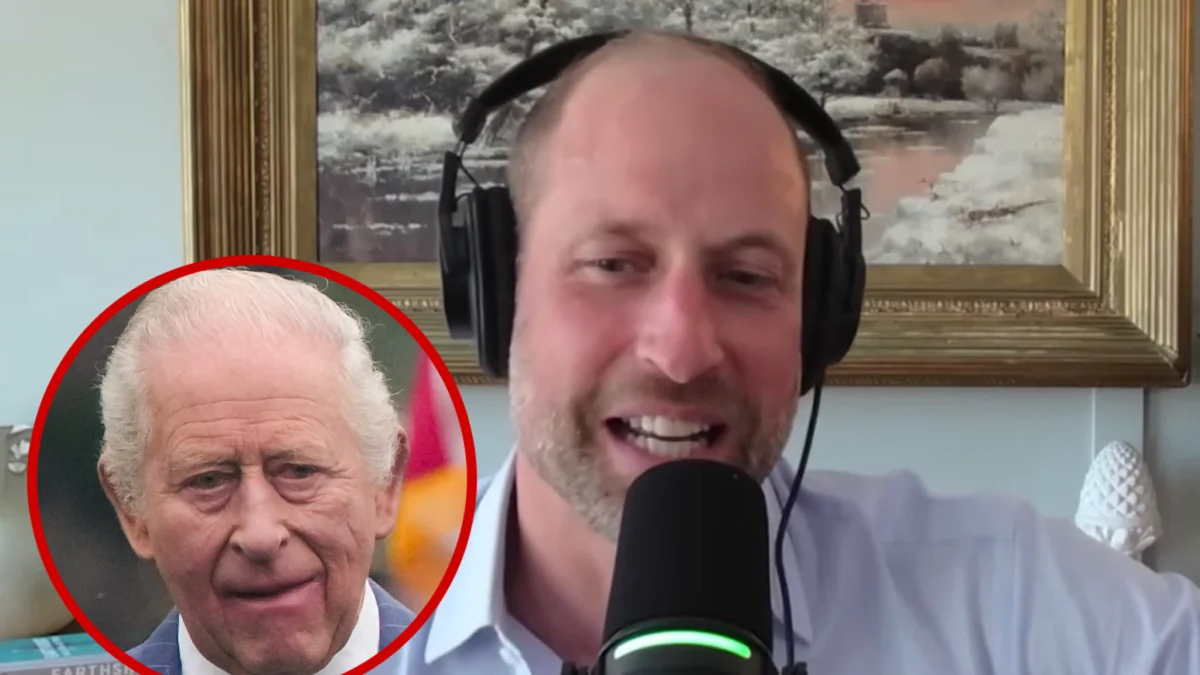
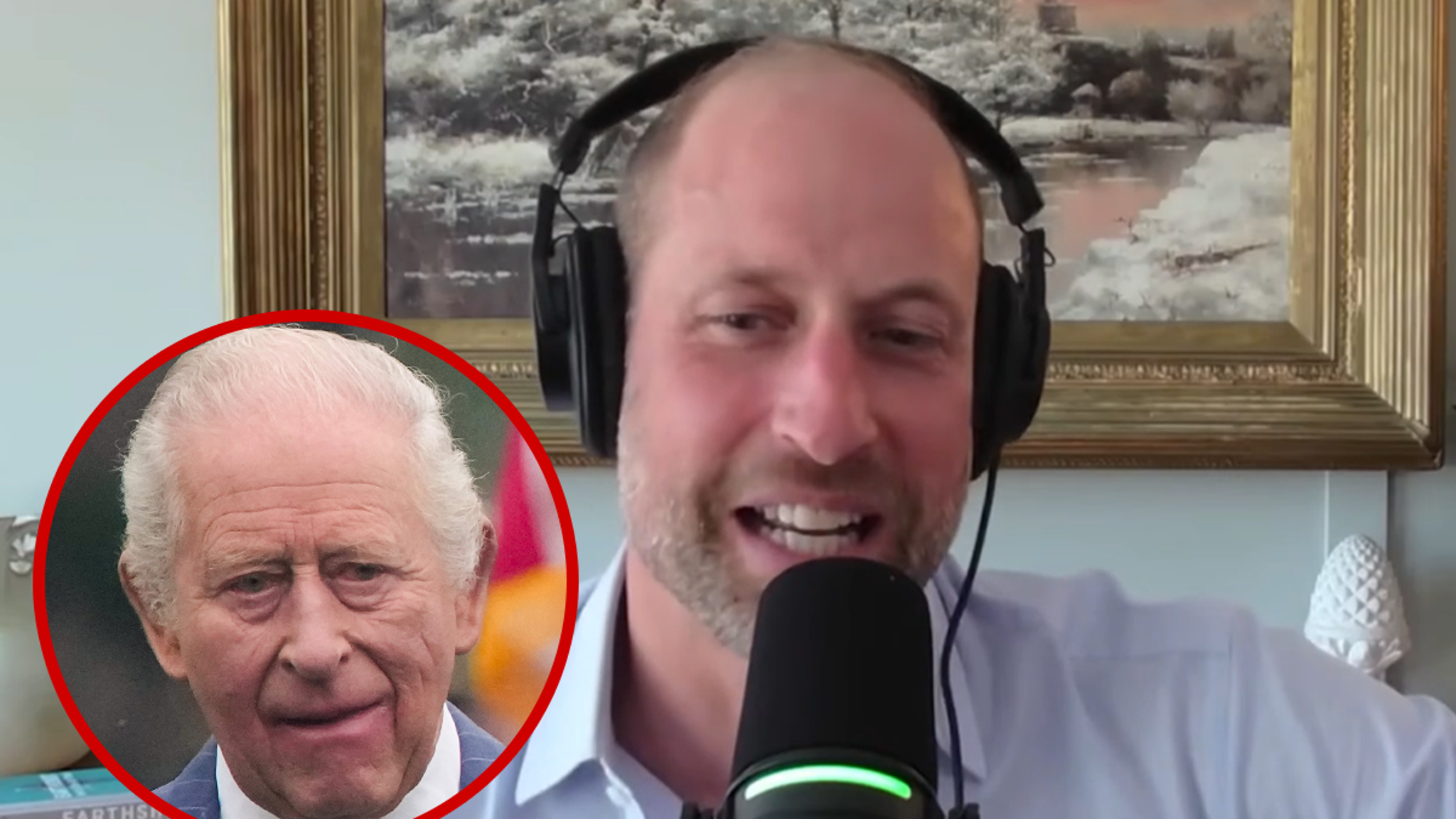
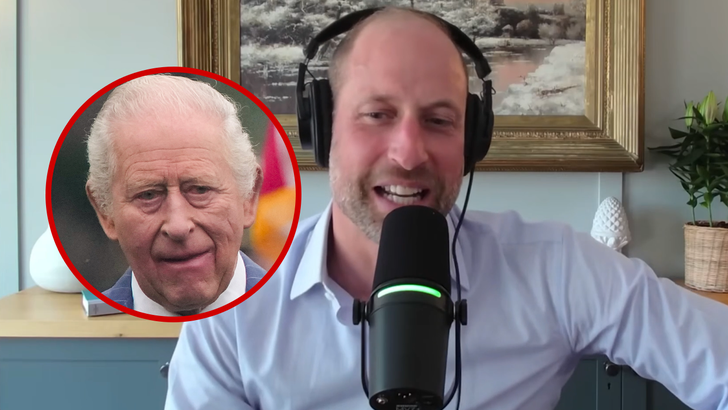
In a surprising and candid revelation that sent ripples through both royal circles and the global sports community, Prince William, the heir apparent to the British throne, openly disclosed his father King Charles III’s distinct lack of enthusiasm for football, even as the 2026 FIFA World Cup captivates billions worldwide. The extraordinary admission came during a guest appearance on the hugely popular "New Heights" podcast, co-hosted by American NFL stars Travis and Jason Kelce, which aired on July 3, 2026. The podcast, known for its unfiltered discussions and engaging banter, provided an unconventional platform for such a significant royal insight, particularly given Prince William’s prominent role as President of the Football Association.
The Unconventional Royal Confession on "New Heights"
The "New Heights" podcast, a weekly staple for millions of sports fans globally, has carved out a unique niche by offering a behind-the-scenes look into the lives and minds of professional athletes, coupled with broader cultural commentary. Travis Kelce, a tight end for the Kansas City Chiefs and a prominent figure in American pop culture, and his elder brother Jason Kelce, a recently retired center for the Philadelphia Eagles, have cultivated an environment of informality and genuine conversation. It was within this relaxed setting, far removed from the traditional solemnity of royal engagements, that Prince William chose to make his appearance, a move itself indicative of the evolving communication strategies of the modern monarchy.
During the wide-ranging discussion, which conspicuously avoided any mention of the highly anticipated (and much speculated upon) Taylor Swift wedding, the conversation naturally veered towards the ongoing FIFA World Cup. With matches unfolding across co-host nations the United States, Canada, and Mexico, the tournament dominates global headlines and cultural discourse. It was in this context that Prince William, a lifelong and vocal supporter of Aston Villa and a passionate advocate for the sport, shared a surprising detail about his father’s personal preferences. "My father, he hates soccer," William reportedly stated, the bluntness of the comment cutting through the usual guarded language associated with royal pronouncements. The Duke of Cornwall offered no specific reasons for the monarch’s reported aversion, leaving royal watchers and sports enthusiasts to ponder the underlying sentiments.
Prince William’s Enduring Passion for Football
The revelation stands in stark contrast to Prince William’s own well-documented and deeply ingrained love for football. From his early childhood, the sport has been a consistent fixture in his life, mirroring the experience of millions across the United Kingdom. "It was hard not to be [a fan] since in his youth, that’s pretty much all kids talked about," he explained on the podcast, highlighting the pervasive cultural influence of football in Britain. His patronage extends beyond mere fandom; as President of the Football Association since 2006, he plays a crucial role in promoting the sport at all levels, from grassroots initiatives to the professional leagues.
Prince William is frequently seen attending matches, particularly those involving his beloved Aston Villa, and has been a visible presence at FA Cup finals and England international games. His commitment to the sport is often cited as a key aspect of his public persona, helping to project an image of an approachable and relatable future monarch who shares common passions with the populace. This engagement serves not only to support a vital national institution but also to connect with the public on a deeply personal level, fostering a sense of shared identity and national pride. His active role in campaigns against racism in football and in promoting mental health awareness within the sport further underscores his profound dedication.
King Charles III: A Royal Sporting Anomaly?
King Charles III’s alleged dislike for soccer presents a curious divergence from the typical royal embrace of national pastimes. While many members of the Royal Family have historically lent their patronage to various sports – Queen Elizabeth II was famously passionate about horse racing, and Prince Philip was a keen polo player – Charles’s interests have largely gravitated towards different spheres. His public persona has long been associated with environmental advocacy, organic farming, traditional architecture, and the arts. He has been a long-standing patron of numerous charities related to these fields, often championing causes that reflect a deep concern for heritage and sustainability.
In terms of sport, Charles’s personal pursuits have historically leaned towards more aristocratic pastimes such as polo, a sport he played for many years, and hunting. These activities, while traditional for the landed gentry, do not command the same mass appeal or cultural ubiquity as football. His patronage extends to organizations such as the British Polo Association and various equestrian charities, aligning with a more traditional image of royal sporting engagement. The lack of an official statement from Buckingham Palace regarding the King’s personal feelings on football is typical of royal protocol, which generally avoids commenting on private preferences unless directly related to official duties. However, William’s candidness offers a rare glimpse into the familial dynamics and individual personalities within the House of Windsor.
The Global Spectacle of the 2026 FIFA World Cup
The timing of Prince William’s revelation could not have been more poignant, occurring amidst the fervor of the 2026 FIFA World Cup. This monumental tournament, co-hosted by three North American nations – the United States, Canada, and Mexico – represents an unprecedented scale in World Cup history, featuring an expanded format with 48 teams competing across 16 host cities. The tournament is a global phenomenon, transcending geographical boundaries and cultural divides, uniting billions of fans in shared anticipation and passion.
Economically, the 2026 World Cup is projected to generate billions in revenue, boost tourism, and create significant employment opportunities across the host regions. Culturally, it acts as a powerful unifier, drawing diverse populations together through the universal language of sport. For nations like England, where football is deeply embedded in the national psyche, the World Cup is more than just a competition; it is a profound cultural event, a source of national pride, and a focal point for collective emotional investment. The performance of national teams can significantly impact public mood, making the perceived detachment of the monarch from such a significant event a noteworthy point of discussion.
Royal Patronage: A Historical Perspective
The British monarchy has a long and storied history of engagement with sports, often using patronage as a means of connecting with the public and demonstrating support for national institutions. From medieval jousting tournaments to modern Olympic Games, royals have frequently been at the forefront of sporting life. Queen Elizabeth II’s unwavering support for horse racing, particularly her own stables, was a well-known facet of her public persona and allowed her to connect with a vast segment of the population. Similarly, her husband, Prince Philip, was instrumental in developing equestrian sports and was a keen sportsman himself.
This tradition of royal patronage serves multiple purposes: it lends prestige to sporting organizations, helps raise funds for development, and allows the monarchy to demonstrate its commitment to the nation’s cultural fabric. For a sport as universally popular in the UK as football, royal endorsement, particularly from the future King, is seen as invaluable. Prince William’s active role as FA President is a continuation of this tradition, but also a modernization, as he engages directly with fans and players, often attending games and participating in events in a less formal capacity than previous generations. King Charles’s reported indifference to football, therefore, marks a distinct departure from this established pattern, particularly for a monarch whose reign is still in its early stages and under intense public scrutiny.
A Generational Divide in Royal Interests?
The contrasting views on football between King Charles and Prince William highlight what some observers might interpret as a generational divergence within the Royal Family. While King Charles’s interests often reflect a more traditional, perhaps even esoteric, set of passions, Prince William and Catherine, Princess of Wales, have consistently sought to project a more contemporary and relatable image of the monarchy. Their visible enthusiasm for popular sports, active involvement in charitable causes that resonate with younger generations, and willingness to engage with modern media platforms like podcasts are all part of this strategy.
This generational shift is not unique to the Royal Family but mirrors broader societal trends where younger generations often embrace different cultural touchstones than their predecessors. For Prince William, being an ardent football fan is not just a personal hobby but a strategic element of his public engagement, allowing him to connect with a wider, more diverse demographic. His ability to discuss the intricacies of the game or the fortunes of his beloved Aston Villa humanizes him in a way that traditional royal duties often cannot. The revelation about King Charles, while perhaps a genuine personal preference, subtly underscores this generational gap in public perception and engagement.
Public and Media Reactions: A Spectrum of Interpretations
The immediate aftermath of Prince William’s podcast appearance saw a flurry of reactions across traditional and social media. Sports commentators, royal correspondents, and public figures weighed in on the implications of the King’s purported disdain for football. Many found the revelation refreshingly candid, offering a rare glimpse into the private lives and opinions of the notoriously guarded Royal Family. Others expressed surprise, noting the King’s official position as Head of State in a nation where football is a cultural cornerstone.
Social media platforms buzzed with discussions, with some users expressing amusement at the idea of a monarch actively disliking the "beautiful game," while others debated whether it mattered at all. Royal analysts suggested that while King Charles’s personal preferences are his own, such an admission, especially from his son, could subtly influence public perception, particularly among those who view the monarchy as a reflection of national identity. It sparked conversations about the evolving role of the monarch in modern Britain and the extent to which personal interests should align with national passions.
The Evolving Landscape of Royal Communication
Prince William’s appearance on "New Heights" also serves as a testament to the evolving strategies of royal communication. In an era dominated by digital media and direct-to-consumer content, the monarchy is increasingly exploring non-traditional channels to connect with the public. Podcasts, with their intimate and conversational format, offer an unprecedented opportunity for senior royals to engage directly with audiences, bypassing the filters of traditional media.
This approach allows for a more authentic and personal portrayal, fostering a sense of relatability that can be challenging to achieve through formal statements or televised appearances. While traditional media remains crucial, platforms like "New Heights" enable royals to tap into specific demographics and control the narrative in a more nuanced way. The choice to reveal a personal detail about his father on such a platform speaks volumes about the perceived efficacy and reach of podcasts in the current media landscape.
Beyond the Touchline: Broader Implications for the Monarchy
Ultimately, Prince William’s frank disclosure about King Charles’s sentiments towards football, while seemingly a minor detail, carries broader implications for the modern monarchy. It humanizes the institution, reminding the public that even monarchs and their heirs have individual tastes and preferences that may not always align with national expectations. It reinforces the idea that the Royal Family, despite its symbolic role, is composed of distinct personalities with their own passions and aversions.
The incident also highlights the ongoing balancing act for the monarchy: maintaining tradition and gravitas while simultaneously adapting to contemporary society and fostering connection with a diverse populace. Prince William’s role as a passionate football fan helps bridge this gap, demonstrating a willingness to embrace popular culture and national pastimes. King Charles’s different interests, while valid, may require a different approach to public engagement to ensure continued relevance and connection with all segments of society. The World Cup will continue its grand spectacle, drawing the world’s attention, and while one monarch may remain indifferent, his heir stands ready to champion the nation’s most beloved sport. Cheerio!