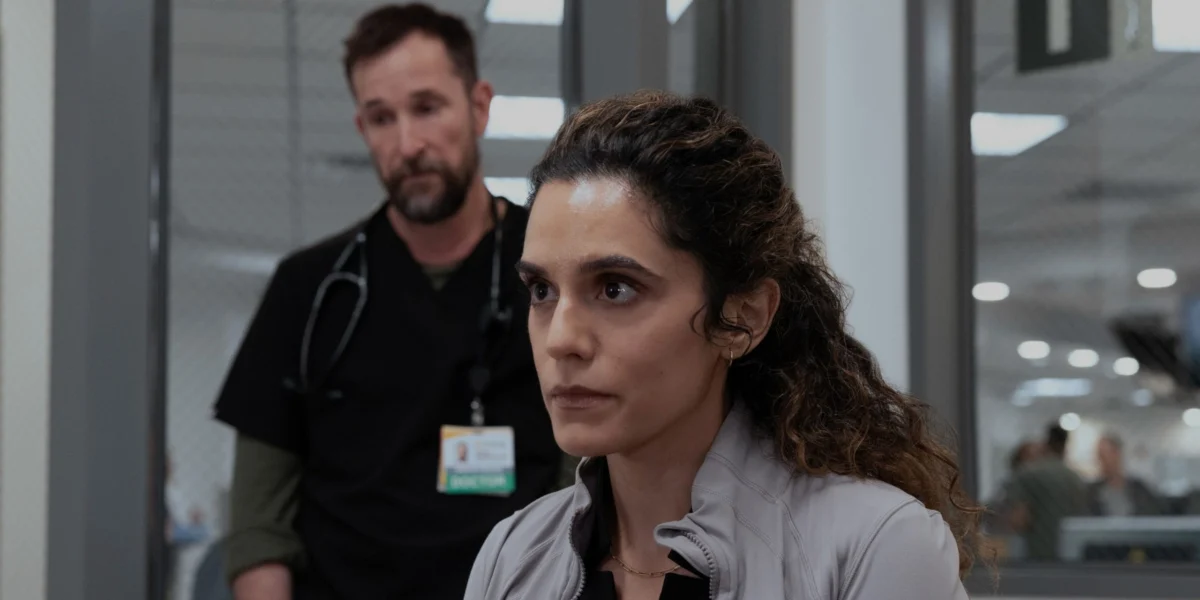
The American medical drama series, The Pitt, has once again captured the attention of critics and audiences alike with its compelling second season. Created by R. Scott Gemmill and executive-produced by industry veterans John Wells and Noah Wyle, the show continues its distinctive narrative format, immersing viewers in the high-stakes environment of the fictional Pittsburgh Trauma Medical Center. Each season unfolds over a single, intense 12-hour shift, meticulously chronicling the challenges faced by its dedicated emergency department staff. This unique real-time approach, with each episode representing approximately one hour of the shift, has become a hallmark of the series, lauded for its immersive quality and ability to amplify the pressure and emotional toll on the characters.
A Glimpse into the Season’s Core
The Pitt‘s second season delves deeper into the complex interplay between professional duty and personal struggles that define the lives of its medical professionals. The series stars a talented ensemble cast, including Noah Wyle, Tracy Ifeachor, Patrick Ball, Katherine LaNasa, Supriya Ganesh, Fiona Dourif, Taylor Dearden, Isa Briones, Gerran Howell, Shabana Azeez, and Sepideh Moafi. They portray a team grappling with persistent issues of staff shortages and underfunding, realities that often exacerbate the already demanding nature of emergency medicine. Beyond the clinical crises, the characters navigate their own personal lives, adding layers of human vulnerability to the gripping medical narratives.
The critical reception for The Pitt has been overwhelmingly positive, with praise consistently directed towards the stellar performances, sharp writing, innovative direction, and the series’ unflinching commitment to realism. This dedication to authenticity has resonated not only with viewers but also with the medical community itself. Healthcare professionals have lauded the show for its accurate portrayal of the daily realities and immense stressors faced by medical staff, particularly in the challenging post-pandemic era. This commendation underscores the series’ success in bridging the gap between fictional storytelling and the lived experiences of those on the front lines of healthcare.
Accolades and Recognition
The inaugural season of The Pitt garnered significant industry recognition, setting a high bar for its subsequent installments. The series was a major contender at the 77th Primetime Emmy Awards, where it secured five prestigious awards. These included the coveted Outstanding Drama Series award, recognizing the overall excellence of the production. The Outstanding Casting award highlighted the show’s success in assembling a remarkable ensemble. Furthermore, lead actors Noah Wyle and Katherine LaNasa, along with recurring guest star Shawn Hatosy, received acting Emmys for their powerful performances, solidifying the cast’s talent and the show’s narrative strength.
Beyond the Emmy victories, The Pitt was also acknowledged by the American Film Institute (AFI), which listed it among the 10 best television programs of 2025. This distinction places the series among the most impactful and culturally relevant television of the year. Adding to its impressive list of accolades, the show triumphed at the 83rd Golden Globe Awards, taking home the award for Best Television Series – Drama. These awards collectively attest to The Pitt‘s significant impact on the television landscape and its ability to deliver a high-quality, resonant viewing experience.
Behind the Scenes: Insights from the Creators
The depth and authenticity of The Pitt are undoubtedly a product of the dedication of its creative team and the individuals who bring its stories to life. As the second season garners widespread attention, insights from those involved offer a deeper appreciation for the show’s production. Ema Sasic engaged in a conversation with Sepideh Moafi, an integral member of the cast, exploring her experiences and contributions to the series. Simultaneously, Daniel Howat spoke with Johanna Coelho, the cinematographer whose visual storytelling plays a crucial role in establishing the show’s intense atmosphere and grounded realism.
These discussions, available in both video and audio formats, provide an intimate look at the creative process and the personal investment of the talent behind The Pitt. Their willingness to share their work and experiences underscores the collaborative spirit that drives the series’ success. The interviews offer valuable perspectives on the challenges and rewards of portraying the complexities of emergency medicine and the human stories that unfold within its walls.
A Look at the Production and its Impact
The Pitt‘s unique real-time format, while ambitious, is a deliberate choice to heighten the sense of urgency and immediacy inherent in emergency medicine. By compressing the narrative into a single 12-hour shift, the series forces both characters and viewers to confront critical decisions and their immediate consequences. This narrative structure, coupled with meticulous attention to medical accuracy, has contributed significantly to the show’s critical acclaim and its ability to connect with a broad audience.

The series’ creators have consistently emphasized their commitment to portraying the human element of healthcare. While the medical emergencies are often dramatic, the show equally focuses on the emotional resilience, dedication, and the personal sacrifices of the healthcare professionals. This balance between the clinical and the personal is a key factor in its success, allowing viewers to form deep connections with the characters and understand the immense pressure they operate under.
The Post-Pandemic Healthcare Landscape
The inclusion of the post-pandemic world as a backdrop for The Pitt adds a layer of contemporary relevance and urgency. The series directly addresses the lingering effects of the global health crisis on healthcare systems, including burnout among staff, ongoing resource challenges, and the emotional toll of prolonged high-stress environments. This contextualization allows The Pitt to serve not only as entertainment but also as a poignant reflection of the current state of healthcare, resonating deeply with audiences who have witnessed or experienced these challenges firsthand.
The show’s realistic portrayal of these issues can be seen as a form of public service, raising awareness and fostering empathy for the healthcare workers who continue to serve under demanding conditions. By depicting the systemic challenges alongside individual triumphs and struggles, The Pitt contributes to a broader societal understanding of the critical role and the immense pressures faced by medical professionals.
Supporting Data and Broader Implications
The challenges depicted in The Pitt are not merely fictional constructs; they reflect verifiable trends and statistics within the healthcare industry. For instance, the issue of staff shortages is a well-documented crisis. Reports from organizations like the Association of American Medical Colleges (AAMC) have projected significant physician shortages in the coming years, particularly in specialties like emergency medicine. A 2023 AAMC report projected a shortage of between 37,800 and 124,000 physicians by 2034. This ongoing challenge directly impacts the workload and stress levels of existing medical staff, a reality that The Pitt effectively brings to the screen.
Furthermore, the underfunding of healthcare systems is another critical issue that the series highlights. Data from various governmental and non-profit health organizations consistently point to the strain on hospital budgets, particularly in public and non-profit institutions. This financial pressure often leads to reduced staffing, outdated equipment, and limited resources, all of which contribute to the challenging work environment depicted in the show. The series’ narrative choices to focus on these systemic issues, alongside individual patient care, provide a realistic and impactful commentary on the state of healthcare.
The series’ success and critical acclaim suggest a growing audience appetite for authentic and thought-provoking medical dramas. The commitment to realism and the exploration of the human cost of healthcare challenges have evidently struck a chord. The accolades received by The Pitt indicate a broader cultural appreciation for narratives that not only entertain but also inform and provoke reflection on important societal issues.
Looking Ahead: Awards Consideration and Streaming Availability
As The Pitt continues to be celebrated, it is also positioned for further recognition. The series is currently under consideration for this year’s Emmy Awards, a testament to its enduring quality and impact. For viewers eager to experience the gripping narratives and compelling performances, the second season of The Pitt is now available to stream on HBO Max. This accessibility allows a wide audience to engage with the series and understand why it has garnered such significant praise from both critics and the medical community.
The success of The Pitt can be attributed to its multifaceted approach: a strong creative vision, a talented cast and crew, a commitment to authenticity, and a narrative format that amplifies the inherent drama of emergency medicine. As the series progresses, it continues to set a benchmark for medical dramas, offering a powerful and moving portrayal of the individuals who dedicate their lives to saving others, even as they navigate their own profound challenges. The ongoing engagement with its audience and the critical accolades it has received solidify The Pitt‘s position as a significant and impactful television series.
The Next Best Picture Podcast and its Contributors
The insights provided by Ema Sasic and Daniel Howat are part of a broader initiative by The Next Best Picture Podcast, a platform dedicated to in-depth discussions and analysis of film and television. Their work, supported by the Evergreen Podcasts Network, offers listeners and readers valuable perspectives on the entertainment industry. The podcast encourages audience engagement through subscriptions on various platforms, reviews on Apple Podcasts, and support via Patreon, which offers exclusive content for patrons. This ecosystem of content creation and audience interaction further amplifies the reach and impact of shows like The Pitt. The collaborative efforts of critics and creators, facilitated by platforms like Next Best Picture, play a vital role in shaping the discourse around quality television and its cultural significance.