


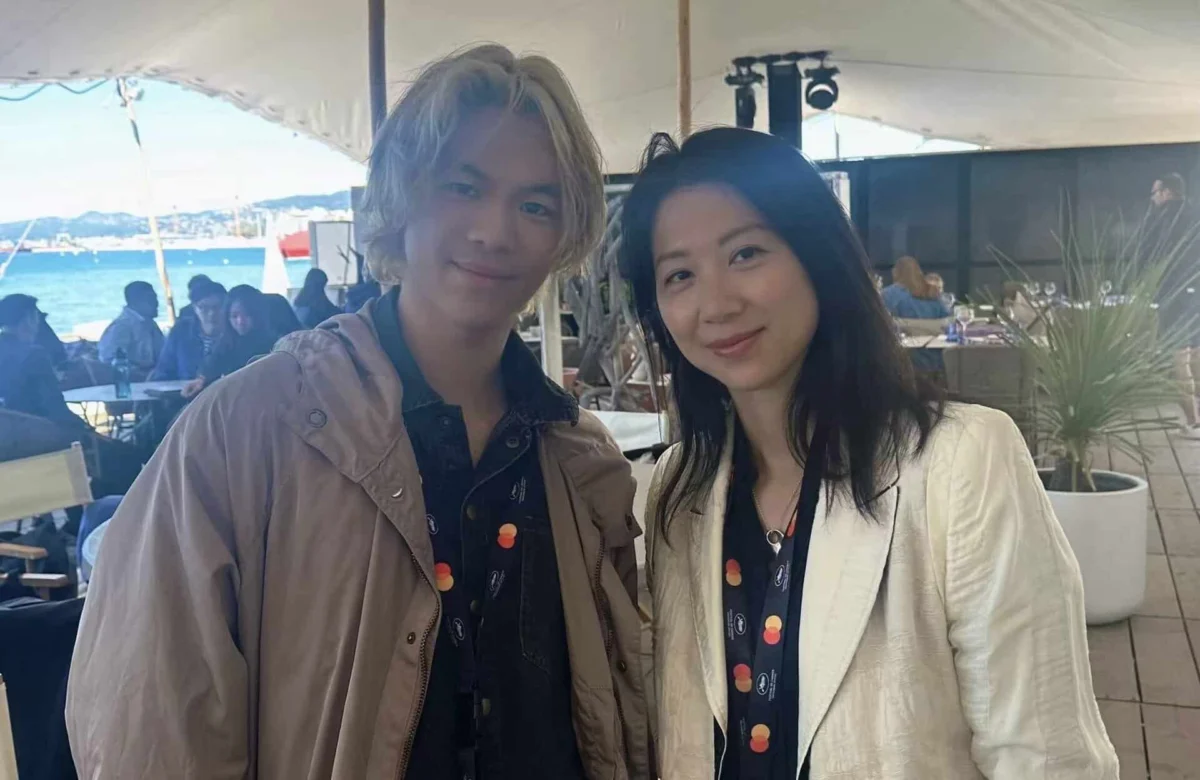
Chinese director Zou Jing’s feature directorial debut, "A Girl Unknown," has made a significant splash on the international cinematic stage, premiering at the prestigious Cannes Film Festival this year. This marks a pivotal moment for Jing, following the critical acclaim of her 2021 short film, "Lili Alone," which garnered the Leitz Cine Discovery Prize at La Semaine de la Critique. The transition from short to feature filmmaking, particularly with a project as nuanced and ambitious as "A Girl Unknown," underscores Jing’s growing prominence as a significant voice in contemporary Chinese cinema.
The film intricately weaves the narrative of a young woman navigating a life marked by fluidity and reinvention, adopting three distinct names across the families that shape her formative years. Set against the backdrop of southern China, the story unfolds from the 1990s onwards, offering a poignant exploration of shifting social landscapes, evolving family structures, and the profound impact of regional identities and linguistic experiences. This multi-faceted approach allows Jing to delve into the complexities of personal destiny as it intertwines with broader historical and societal transformations.
A Journey Through Shifting Identities and Landscapes
The narrative trajectory of "A Girl Unknown" is defined by the protagonist’s movement between three distinct households, each contributing to her evolving sense of self. Young actress Cao Ruofan delivers a compelling performance as the character in her childhood under the name "Lin Juan," embodying an innocence and vivacity that serves as a tender anchor. As the protagonist matures, Li Gengxi steps into the role, portraying the older iterations of the character as "Wang Juan" and "Wu Lian." Gengxi’s portrayal masterfully captures the emotional turbulence of adolescence and the challenges of navigating fractured family relationships.
The genesis of "A Girl Unknown" is rooted in Zou Jing’s personal experiences and extensive research. Jing, who previously worked in television documentaries and commercial advertising, honed her storytelling abilities through dedicated screenwriting workshops. The script for "A Girl Unknown" underwent a rigorous three-year development process, a testament to Jing’s meticulous approach. The film also achieved a significant milestone prior to its Cannes premiere, becoming the first Chinese-language project to secure the Cannes Critics’ Week Next Step Award, an accolade that foreshadowed its critical reception.
The film’s success was further solidified by its reception at Cannes, where it garnered three prestigious awards: the Fondation GAN Distribution Prize, the FIPRESCI International Critics Prize, and the Audience Award from Le Rail d’Or. These accolades not only highlight the film’s artistic merit but also firmly establish Zou Jing as one of the most promising new filmmakers emerging from China.
The Interplay of Personal Destiny and Societal Change
In an exclusive interview, Zou Jing elaborated on the intricate connection between her protagonist’s personal journey and the broader historical and social currents of China. "At the beginning, I honestly wasn’t thinking on such a grand scale," Jing revealed. "To a large degree, the film started from my personal experience. I grew up in the mountains of southern China, so the village in the opening sequence comes directly from my own memories. It is a very beautiful and poetic landscape in the south. When we were writing about the first family, many of the details were actually projections of my memories."
Jing emphasized that the exploration of family structures and societal shifts was a natural outgrowth of character development rather than a pre-meditated thematic focus. "I wasn’t initially trying to design family structures – if there are any – factories, or even urbanisation as abstract concepts. Everything began from lived experience."
The second family presented a significant opportunity for character exploration, particularly with the introduction of a second mother who stands in stark contrast to the first. "The second family also started from the character herself. I was very drawn to the complexity of the girl’s second mother, who is completely different from the first one. She is well-educated, elegant, with refined taste and dignity. Even after experiencing deep trauma, she still insists on living with grace." Jing’s approach to character creation is deeply rooted in her desire to portray individuals with agency and depth, regardless of their circumstances. "In many ways, all three families began with one question: ‘What kind of person do I want to portray?’ The second mother was the character I admired most, and from there I gradually built the world around her. I would be curious about what kind of city she would live in and what sort of environment would shape her life."
This character-driven approach was complemented by extensive social research. Jing noted that the specific events depicted in the film were more prevalent in certain regions of southern China. "Although the film is not a documentary, I always wanted the emotional and social reality to feel truthful. That’s why we ultimately chose these particular locations."
The linguistic dimension of the protagonist’s journey is a critical element, reflecting the social and geographical shifts she experiences. "I also wanted the girl to speak different dialects as she moved between different environments. She begins by speaking Hakka and later has to adapt to a completely new linguistic and social environment. The reason she gets bullied at school is probably due to the linguistic disparity. Back in the 1980s and 1990s, people still spoke dialects regularly – unlike today, when schools mostly use Mandarin. So language shifts themselves could create very deep psychological impacts."
The third family, situated in Hunan, also draws from a foundation of realism. Jing explained the geographical and social proximity of Guangdong and Hunan, noting the significant migration of Hunanese people to Guangdong for work. "The third family is from Hunan, and that was also based on realism. Guangdong and Hunan are geographically close, and indeed, many Hunanese people live and work in Guangdong. If something like this really happened, it had to feel believable. For example, I would never have a child suddenly transferred from a very distant province to Guangdong, because that simply wouldn’t feel logically grounded in reality."
Jing acknowledged that while audiences might not consciously register every detail, such as the shift in dialect, the underlying geographical and social logic was paramount for her. The depiction of factory work also reflects a specific historical context. "The factory setting as an example. It’s true that during the 1990s and early 2000s, many young girls dropped out of school to work in factories because labour demand was enormous at the time." She reiterated her primary focus: "A great deal of social research sits behind these character experiences. But I never intended to emphasize ‘historical transformation’ itself. What I always wanted to foreground was the girl’s personal emotional experience rather than history as an abstract force."
The Significance of a Name: Identity and Belonging
The film’s Chinese title, "A Nameless Girl," presents a thematic paradox, as the protagonist is, in fact, given three distinct names throughout her life. This apparent contradiction speaks to the deeper exploration of identity and the search for belonging. Jing articulated the profound significance of names in her protagonist’s life: "I think names are extremely important to her. For people like us, who grew up in relatively stable environments, names may not carry the same weight. Nowadays, many people even have English names; they function almost like labels. But for someone who constantly moves between different families and doesn’t even know where she truly comes from, a name becomes identity itself."
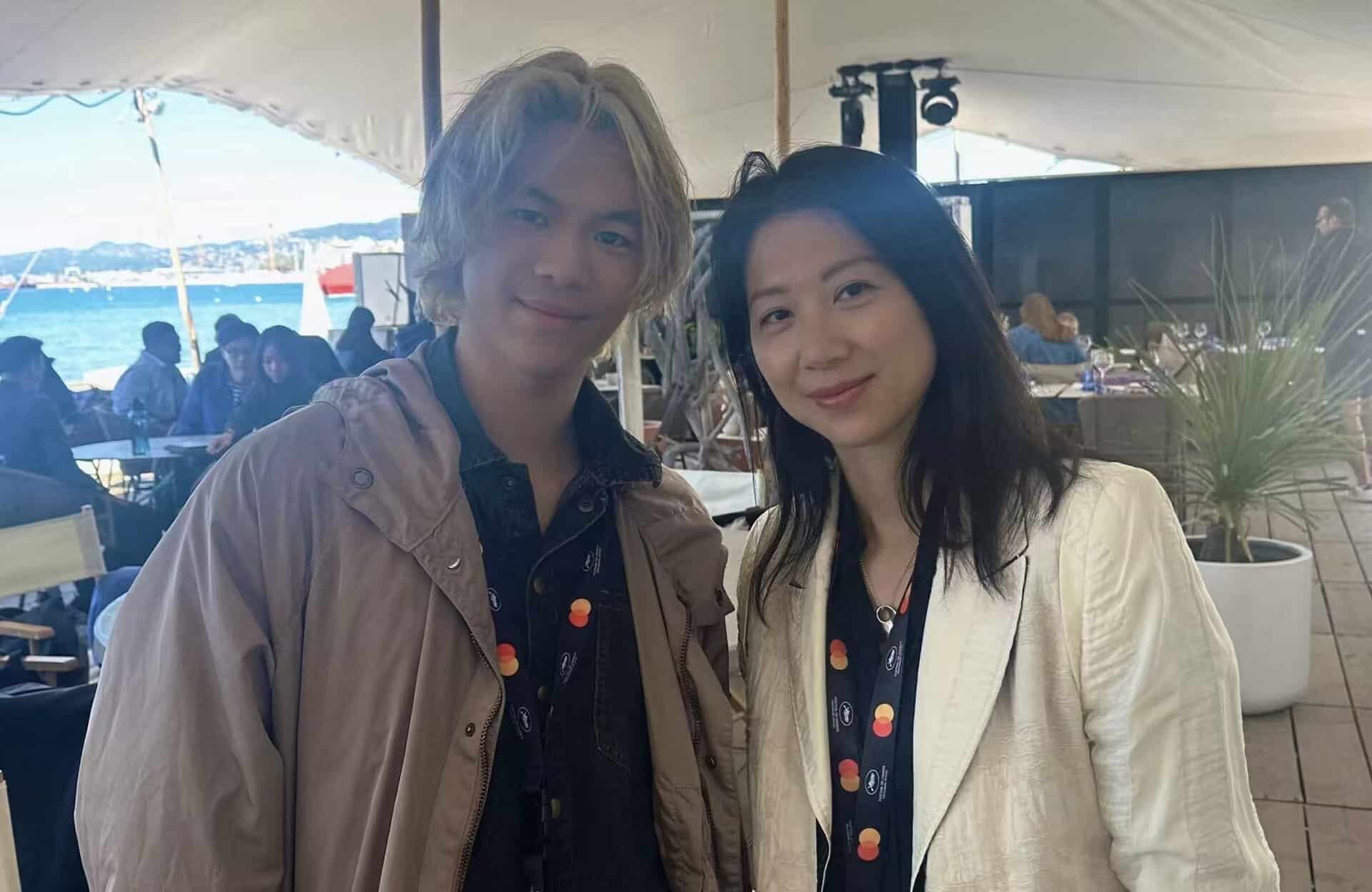
She further illustrated this point by referencing an online discussion about the experience of being abandoned by biological parents. "Someone described the immense shock of being renamed after entering a second family. That kind of emotional impact is difficult for people without similar experiences to truly understand. We may empathize, but it’s very hard to completely place ourselves in their position."
Visually, the film communicates this internal struggle through a psychological lens rather than overt symbolism. "I think it operates more on a psychological level," Jing explained. "A name represents her relationship to the family that gives it to her. When she becomes ‘Wang Juan,’ she has entered the second family. Later, in the third family, she changes to ‘Wu Lian,’ the name written on her birth certificate. But these names don’t carry the same emotional weight. In fact, it depends on whether she has truly formed a connection with the family attached to the name."
When asked if this could be interpreted as her never truly finding a name that belongs to her, Jing offered a more optimistic perspective: "I don’t see it that literally. For me, it feels more like a beginning. Even if she hasn’t fully found the answer yet, she has at least found her own position in the world." This suggests that the film’s conclusion, while perhaps not definitive, represents a step towards self-discovery and empowerment.
Exploring Female Resilience on the Margins
The thematic through-line from "Lili Alone" to "A Girl Unknown" reveals Zou Jing’s consistent interest in characters who exist on the periphery of society, particularly women. However, Jing clarified that her focus extends beyond gender. "I think what interests me is people living within difficult situations – not necessarily women. The girl in ‘Lili Alone’ makes choices within hardship, and the same is true in ‘A Girl Unknown.’ It just so happens that I chose female perspectives for both stories."
What truly captivates Jing is the human capacity for resilience. "Actually, the refusal to surrender in a predicament is what interests me most. Recently, I watched the Korean film ‘The World of Love,’ and one thing in particular resonated strongly with me: why must traumatized women always be positioned as victims?"
Jing sees a similar spirit of defiance in "A Girl Unknown." "I think ‘A Girl Unknown’ contains something similar. Although the stories are completely different, both share a kind of stubborn refusal to give in. Especially the scene where Li Gengxi dances – I love that scene very much. The smile on her face represents her entire attitude toward life." This sentiment highlights the film’s emphasis on inner strength and the enduring human spirit in the face of adversity.
International Collaboration and Artistic Synergy
The production of "A Girl Unknown" involved a significant international collaboration, particularly with French partners, for which Jing expressed deep satisfaction. "I think emotions have no national borders. At first, I assumed this was a very specifically Chinese story, but later I realized the French team connected with it deeply as well."
The post-production process, including color grading, music composition, and sound design, was largely undertaken in France. Jing lauded the expertise and collaborative spirit of her French counterparts. "We completed much of the post-production in France… The French collaborators were incredibly talented and gave us enormous trust and support."
The positive reception at the Cannes premiere further reinforced the universality of the film’s themes. "At the Cannes premiere, I also felt that French audiences had almost no difficulty understanding the emotional core of the story. I think that ultimately comes from people loving the story itself." This suggests that while the film is deeply rooted in Chinese context, its exploration of universal human experiences resonates globally.
A Profound Connection with Li Gengxi
The collaboration with actress Li Gengxi was a cornerstone of "A Girl Unknown," and Jing spoke highly of their working relationship. "So much. She’s someone who shines very brightly – not just as an actress, but also as an individual. There was a natural understanding between us without words."
Jing was particularly drawn to Gengxi’s personal qualities, which mirrored the resilience she sought to portray in the character. "Gengxi herself also has a complicated personal background. She’s very strong-willed, unyielding, and resilient. She has that same refusal to surrender that I’m appealed to. Over the course of working together, we gradually became very close friends." This deep personal connection likely contributed to the authenticity and emotional depth of Gengxi’s performance, further enriching the film’s impact.
Broader Implications and Future Prospects
The success of "A Girl Unknown" at Cannes, coupled with its critical awards, positions Zou Jing as a director with a distinct vision and the potential to influence contemporary cinema. The film’s ability to resonate with international audiences underscores the growing global appreciation for diverse storytelling and nuanced explorations of human experience. As China’s cinematic output continues to gain international recognition, films like "A Girl Unknown" serve as important cultural ambassadors, offering profound insights into the complexities of Chinese society and the universal themes of identity, resilience, and belonging. The film’s journey from development to international acclaim is a testament to Zou Jing’s artistic dedication and her promising future in the global film landscape.