
An Acceptance Speech Turned Indictment at the BAFTA TV Awards
The Royal Festival Hall at the Southbank Centre in London, typically a venue for celebrating television excellence, became a platform for a potent political statement during the BAFTA TV Awards. As "Gaza: Doctors Under Attack" was honored with the Current Affairs BAFTA, its creators seized the opportunity to address a global audience, directly challenging both a foreign government and their own national broadcaster.
Ramita Navai, the documentary’s reporter, began by articulating the profound significance of the award to the team, before launching into a detailed condemnation of the situation in Gaza. "This award means so much to us," Navai stated, her voice clear and resolute. "Israel has killed over 47,000 children and women in Gaza so far. Israel has targeted every single one of Gaza’s hospitals. It’s killed over 1,700 Palestinian doctors and health care workers. It has imprisoned over 400 in what the UN now calls a ‘medicide.’" Her statistics, drawn directly from the film’s investigation, painted a stark picture of the humanitarian catastrophe unfolding in the region. Navai then directly implicated the BBC, asserting, "These are the findings of our investigation that the BBC paid for but refuses to show. But we refuse to be silenced and censored." The accusation resonated with a palpable tension in the hall, echoing long-standing criticisms regarding media coverage of the Israeli-Palestinian conflict.
Following Navai, Ben De Pear, the program’s executive producer and a former Channel 4 News editor, extended the dedication of the award to the two journalists on the ground "who made this film for us." He highlighted the immense dangers faced by local reporters, adding, "They did so amongst the killing spree that killed over 250 of their colleagues, journalists in Gaza." De Pear then concluded with a pointed, direct question aimed squarely at the BBC, which was scheduled to air the BAFTA TV Awards ceremony with a delay later that Sunday evening. Looking directly into the camera, he challenged, "Finally, just a question to the BBC. Given you dropped our film, will you drop us from the BAFTAs screening later tonight?" This bold inquiry underscored the team’s determination to ensure their message, and the controversy surrounding the documentary, could not be easily edited out or ignored.
The Journey of ‘Gaza: Doctors Under Attack’: From BBC to Channel 4
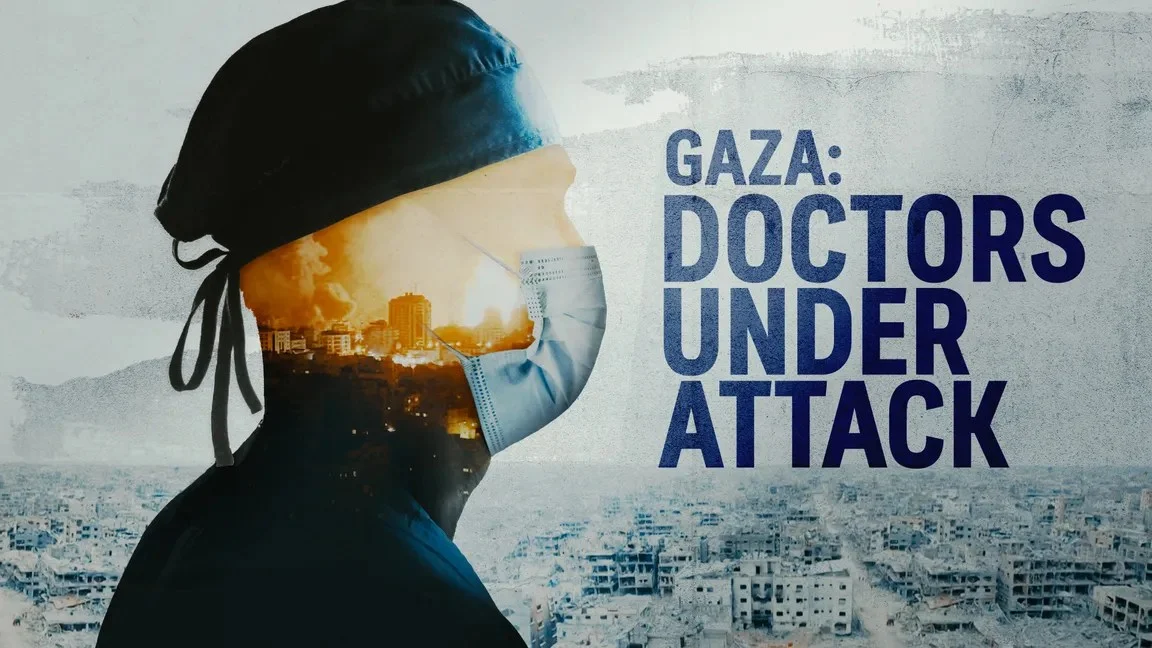
The documentary "Gaza: Doctors Under Attack" delves into the devastating impact of the conflict on Gaza’s healthcare system and its dedicated medical professionals. Commissioned originally by the BBC, the film was intended to offer an unflinching look at the challenges faced by doctors and healthcare workers amidst intense hostilities. The BBC’s decision to shelve the film, reportedly due to "impartiality concerns," emerged as a significant point of contention. While the BBC has a strict editorial policy mandating impartiality, particularly in sensitive geopolitical reporting, the filmmakers and many observers viewed the decision as an act of self-censorship or undue caution.
Following the BBC’s withdrawal, the documentary found a new home at Channel 4, a commercial public service broadcaster known for its more provocative and editorially independent stance. Channel 4 aired the film, bringing its critical findings and harrowing testimonies to the British public. The documentary’s broadcast on Channel 4 subsequently garnered significant attention and critical acclaim, setting the stage for its BAFTA nomination and eventual win. The journey of the film itself, from being commissioned and then dropped by one major broadcaster only to be embraced and awarded by another, became a powerful narrative illustrating the complex landscape of media ethics and political pressures in contemporary journalism.
The BBC’s Stance on Impartiality and Editorial Decisions
The BBC’s editorial guidelines on impartiality are among the most stringent in the world, reflecting its status as a publicly funded broadcaster with a mandate to serve all segments of the British public. These guidelines require reporting to be fair, accurate, and balanced, particularly on matters of political or public controversy. In the context of the Israeli-Palestinian conflict, the BBC has historically faced scrutiny from all sides, with accusations of bias emanating from both pro-Palestinian and pro-Israeli camps.
The decision to shelve "Gaza: Doctors Under Attack" was reportedly rooted in concerns that the documentary, as presented, might not have met these rigorous impartiality standards. While the specific details of the internal editorial discussions remain confidential, such decisions typically involve assessing the balance of perspectives, the contextualization of events, and the potential for the program to be perceived as advocating a particular viewpoint. Critics of the BBC’s decision, however, argue that demanding "impartiality" to the extent of shelving a film documenting verifiable human rights abuses and the destruction of civilian infrastructure can inadvertently lead to a form of false equivalence, where the actions of a state actor and the experiences of a besieged population are presented as equally valid perspectives without adequate differentiation. This incident has reignited a broader debate within the UK media landscape about whether strict adherence to impartiality can, at times, hinder the reporting of critical truths, especially in situations of extreme power imbalance.
The Gaza Crisis: A Humanitarian and Medical Catastrophe
The context for "Gaza: Doctors Under Attack" is the ongoing and intensifying humanitarian crisis in the Gaza Strip. The region has been subjected to repeated military operations, leading to widespread destruction of infrastructure, including critical healthcare facilities. Navai’s statistics – 47,000 children and women killed, every hospital targeted, 1,700 Palestinian doctors and healthcare workers killed, and 400 imprisoned – underscore the scale of the devastation. These figures, while specific to the documentary’s investigation, align with reports from numerous international organizations, including the United Nations, Doctors Without Borders (MSF), and the World Health Organization (WHO), which have consistently highlighted the catastrophic impact on civilian life and medical services.
The UN’s use of the term "medicide" to describe the systematic destruction of Gaza’s healthcare system points to a deliberate and comprehensive targeting that goes beyond incidental damage. This includes direct attacks on hospitals, ambulances, and medical personnel, as well as blockades that restrict the entry of essential medical supplies, fuel, and humanitarian aid. The conditions under which healthcare workers operate are often described as apocalyptic, with doctors performing surgeries without anesthesia, in unsanitary conditions, and under constant threat to their own lives and families. The documentary aimed to bring these realities to the forefront, providing a human face to the statistics of suffering.
Journalism Under Fire: The Perilous Landscape for Reporters in Gaza
Ben De Pear’s dedication of the award to the local journalists who made the film, and his mention of over 250 colleagues killed, highlights another critical aspect of the Gaza conflict: the extreme danger faced by journalists. According to organizations like the Committee to Protect Journalists (CPJ), the number of journalists and media workers killed in Gaza since October 2023 is unprecedented in modern conflict. These casualties include Palestinian, Israeli, and international journalists, many killed while on duty, documenting events, or simply caught in the crossfire.
The targeting of media offices, the killing of family members of journalists, and the inability to operate safely have severely hampered independent reporting from Gaza. Local journalists often work without the protective gear or logistical support available to international correspondents, yet they are the primary source of information from within the besieged territory. Their stories, often shared at immense personal risk, are crucial for informing the world about the realities on the ground. The BAFTA team’s acknowledgment of their contribution serves as a powerful reminder of the indispensable, yet often deadly, role played by these frontline reporters.
Industry Reactions and Broader Implications
The BAFTA acceptance speech has ignited a significant debate within the UK media industry and beyond. While an immediate official response from the BBC was not forthcoming at the time of the awards, the corporation was expected to address the pointed questions raised by Navai and De Pear. Any response would likely reiterate their commitment to impartiality and defend their editorial processes, while also acknowledging the humanitarian crisis in Gaza.
Channel 4, having aired the documentary, is likely to stand by its decision, emphasizing its commitment to challenging journalism and providing a platform for important, albeit sensitive, stories. The incident also prompts a wider discussion on journalistic ethics, press freedom, and the pressure faced by media organizations when reporting on conflicts where public opinion is deeply divided. Media watchdogs and advocacy groups are likely to weigh in, with some supporting the filmmakers’ critique of the BBC and others defending the BBC’s right to uphold its editorial standards.
Beyond the immediate controversy, the BAFTA win and the subsequent speech carry broader implications. It underscores the power of awards ceremonies as platforms for social and political commentary, transforming moments of celebration into acts of protest. It also amplifies the message of "Gaza: Doctors Under Attack," potentially drawing new audiences and further scrutiny to the plight of healthcare workers and civilians in Gaza. Furthermore, it places renewed pressure on public broadcasters globally to navigate the delicate balance between comprehensive, truthful reporting and the imperative of impartiality in an increasingly polarized world. The question posed by De Pear to the BBC—whether they would edit out the controversial segment from their delayed broadcast—serves as a potent symbol of this ongoing tension, inviting the public to scrutinize the very mechanisms of media presentation and control.
The BAFTA TV Awards: A Platform for Protest
The BAFTA TV Awards, hosted by comedian Greg Davies, typically celebrates the pinnacle of British television achievement across various genres, from drama like Netflix’s "Adolescence" (which led nominations with 11) to comedies and current affairs. However, throughout history, such high-profile events have frequently been used by artists and creators to voice political opinions and draw attention to pressing social issues. The "Gaza: Doctors Under Attack" team’s intervention is a notable example of this tradition, leveraging the immense visibility of the ceremony to ensure their message reached beyond industry insiders to a broader national and international audience. The incident ensures that the 2026 BAFTA TV Awards will be remembered not only for its celebration of television but also for becoming an unexpected battleground in the ongoing struggle for journalistic integrity and humanitarian advocacy. The reverberations of this powerful speech are likely to continue shaping conversations about media responsibility and accountability for some time to come.