


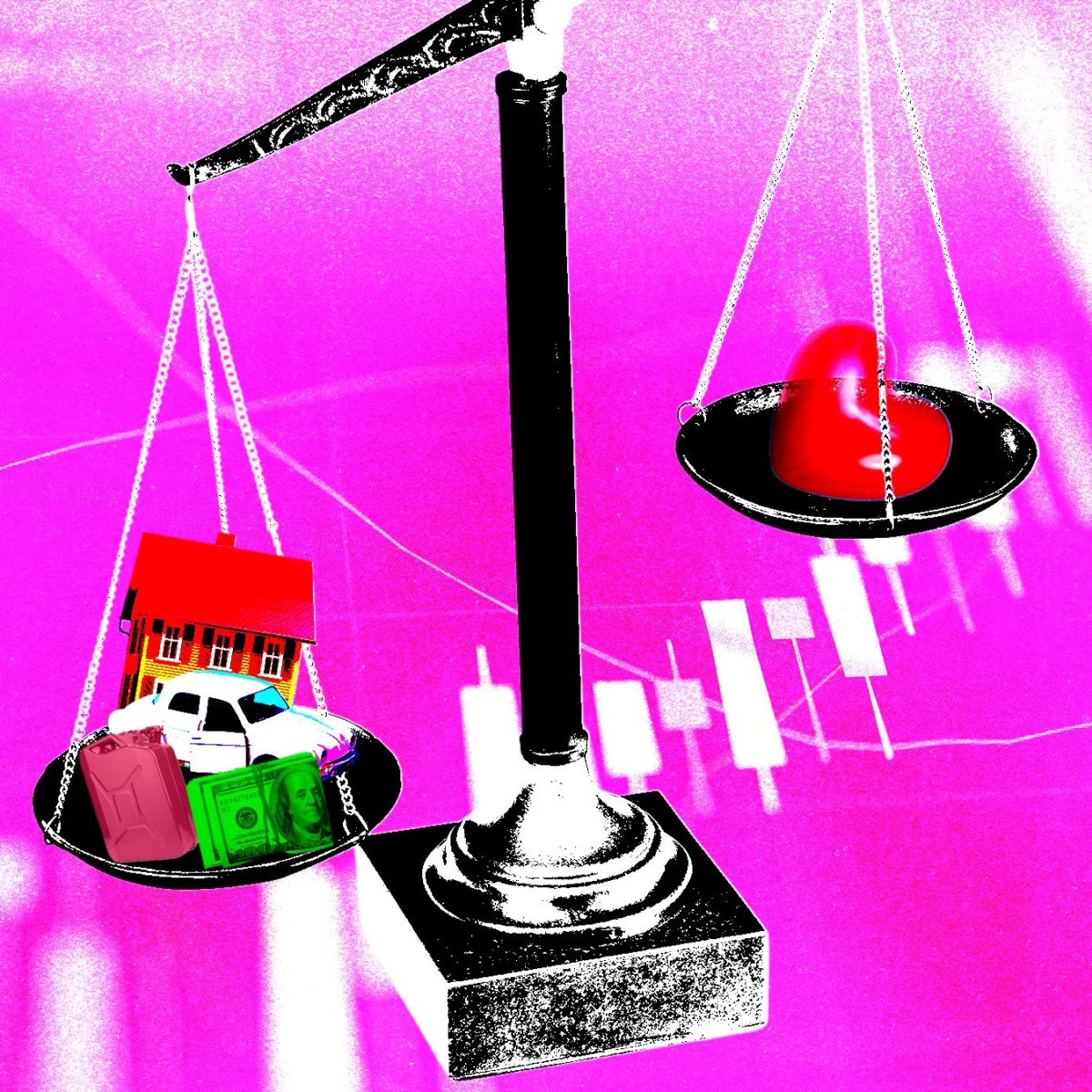
The landscape of modern romance, once dominated by the digital convenience of swiping and algorithmic matching, has hit a formidable structural barrier: the cost of participation. While the early 2020s were defined by "app fatigue" and a growing disillusionment with the gamification of love, the primary obstacle in 2026 has shifted from technology to economics. Recent financial data and social trends indicate that dating is rapidly becoming a luxury good, accessible primarily to those with significant discretionary income, while the average single person is increasingly being priced out of the romantic market.
This phenomenon, colloquially termed "date-flation," reflects a broader economic reality where the costs of social engagement—dining, entertainment, transportation, and grooming—have outpaced wage growth for the median worker. According to a comprehensive survey published in April 2026 by the financial services firm JG Wentworth, a staggering 86 percent of American singles report that financial concerns have directly led them to delay dating or exit the dating pool entirely. This shift represents a fundamental change in social behavior, where the pursuit of human connection is no longer viewed as a spontaneous emotional endeavor but as a high-stakes budgetary line item.
The Quantitative Rise of Date-flation
The financial barriers to entry for a single date have reached historic highs. The BMO Real Financial Progress Index recently reported that the average "all-in" cost of a single date in the United States has surged to $189. This figure, which includes dining, drinks, transportation, and incidental costs, represents a 12.5 percent increase from the previous year—a rate of inflation that significantly exceeds the general Consumer Price Index (CPI).
The impact of these costs is not distributed evenly across the population. Research conducted by Louis Jadot and Morning Consult highlights a growing class divide in romantic accessibility. Among individuals earning less than $50,000 per year, 33 percent have ceased dating entirely due to costs. In contrast, only 15 percent of those earning over $100,000 have taken a similar hiatus. This data suggests that the "dating gap" is widening, creating a social environment where financial stability is a prerequisite for companionship.
Financial analyst Farnoosh Torabi, host of the "So Money" podcast, notes that this economic pressure is forcing a level of intentionality that borders on exclusion. "Connection is no longer something people pursue spontaneously; it’s something they have to budget for, justify, and sometimes opt out of entirely," Torabi observed. While intentionality can lead to more meaningful interactions, it also risks making the dating pool more homogeneous and less equitable.
Chronology of the Romantic Recession
To understand the current crisis, it is necessary to trace the trajectory of the dating market over the last decade. The mid-2010s were characterized by the "Golden Age" of dating apps, where low barriers to entry and a high volume of users created a sense of romantic abundance. However, by the early 2020s, the business models of these platforms shifted toward a "pay-to-win" structure, implementing premium subscriptions and micro-transactions that monetized user visibility.
By 2024, the "loneliness epidemic" became a recognized public health crisis, with studies from the National Institutes of Health (NIH) suggesting that increased time on dating apps contributed to higher rates of depression and anxiety, particularly among men. In 2025, a brief resurgence of in-person dating events occurred as users sought to bypass digital burnout. Ticketing platform Eventbrite reported a significant uptick in "singles mixers" and activity-based dating events during this period.
However, the momentum of this "analog revival" was blunted by the economic realities of 2026. As the cost of third-space environments—bars, cafes, and event spaces—rose, the financial burden of meeting in person became prohibitive. The result is the current "Romantic Recession," where even those who wish to avoid apps find themselves unable to afford the alternative.
The Masculine Exit and Social Media Discourse
The economic squeeze has triggered a notable demographic shift, with men across generations—from Gen Z to Gen X—increasingly opting out of the dating process. This trend is heavily documented across social media platforms, where users share the logistical and financial frustrations of modern courtship.
On TikTok, users like @eddieeye71, a single father, have garnered significant attention for documenting their decision to stop dating to regain control over their personal finances. Another user, @Imjustln, highlighted the compounding costs of fuel and evening entertainment, noting that a single date night can easily exceed $100 when factoring in a 45-minute commute. For many, the "Return on Investment" (ROI) of dating—given the low probability of a first date leading to a long-term partnership—has become statistically and financially unviable.
This sentiment has fostered a culture of "romantic minimalism," where individuals prioritize financial solvency and self-care over the high-cost gamble of the dating market. For some, this is a temporary survival strategy; for others, it is a permanent reassessment of the value of traditional dating.
The Rise of "Dating Up" and the Seeking Phenomenon
As traditional dating becomes more difficult, alternative models of relationship-building have moved from the fringes of society into the mainstream. "Seeking," a platform formerly associated with "sugar dating" but recently rebranded as a site for "hypergamous" or upscale dating, has seen its active user base grow to over 1 million monthly users.
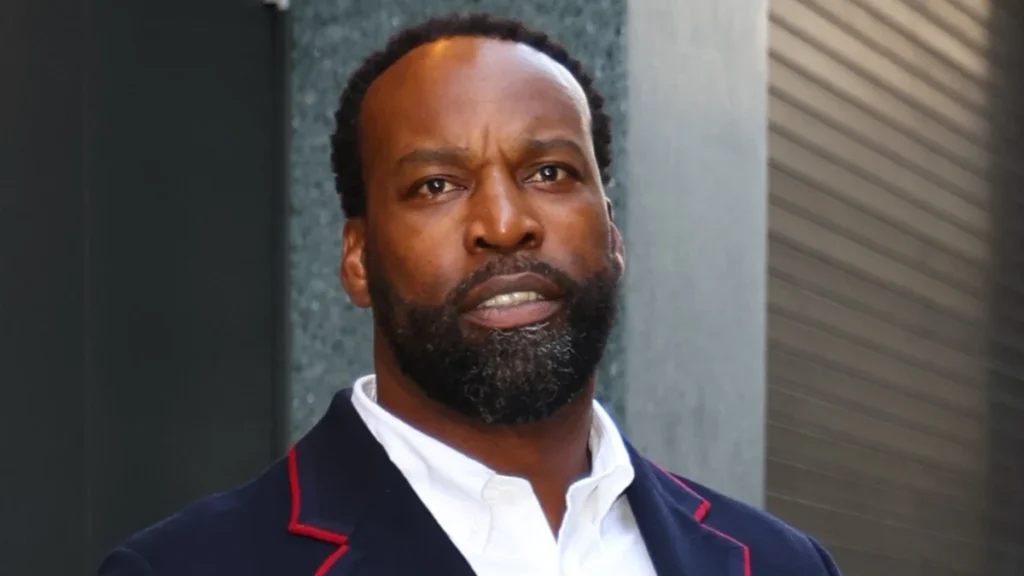
The platform’s co-CEO, Brandon Wade, argues that financial security is an essential component of a healthy relationship. "Until we have achieved a level of financial security to provide, how do we love?" Wade posits. "You’re not loving and giving from a place of abundance. You’re giving from a place of lack." This philosophy suggests that individuals should abstain from dating until they reach a specific economic threshold, a stance that reinforces the notion of romance as a luxury.
This trend was thrust into the national spotlight in early 2026 following an investigation involving Julia Varvaro, a deputy assistant secretary at the U.S. Department of Homeland Security. Reports alleged that Varvaro maintained a profile on Seeking under a pseudonym. The ensuing controversy, which involved claims by an ex-partner regarding $40,000 in gifts and expenses, sparked a national conversation about the intersection of power, gender, and transactional romance.
Wade defended the arrangement, characterizing the backlash as a manifestation of "double standards and misogyny." He questioned why men spending money is viewed as generosity while women receiving it is labeled as transactional. Regardless of the ethical debate, the Varvaro case illustrates how the economic pressures of 2026 are driving individuals toward relationships where financial support is an explicit, rather than implicit, component.
Implications for Public Policy and Social Cohesion
The "commodification of intimacy" carries significant long-term implications for society. When a fundamental human need—connection—is gated by income, the resulting social stratification can lead to increased isolation and a decline in household formation.
- Demographic Impact: The delay in dating is directly correlated with a delay in marriage and childbearing. If the "entry cost" of a relationship remains high, birth rates in urban centers are expected to continue their downward trend.
- The Loneliness Gap: There is a growing risk of a "loneliness gap," where the wealthy have access to social networks and companionship, while the working class faces increased social isolation.
- Mental Health: The NIH has already linked dating app usage to anxiety; adding financial stress to the equation creates a dual burden on the mental health of single adults.
Analysts suggest that without a correction in the cost of "third spaces" or a shift toward lower-cost social norms, the trend of dating as a luxury will likely persist. Some community organizers have begun advocating for "de-commodified dating"—activities that take place in public parks, libraries, or community centers—to lower the barrier to entry. However, as Farnoosh Torabi points out, the performative nature of modern romance remains a hurdle. "We’ve created an expectation that romance has to look expensive to count," she says.
As 2026 progresses, the divide in the dating market serves as a microcosm of the broader American economy. For the affluent, romance remains a vibrant, if expensive, pursuit. For the rest, the cost of a "swipe" has become a price they are increasingly unwilling, or unable, to pay. The evolution of the dating landscape from a digital playground to a gated community reflects a society where even the most personal of connections are subject to the cold logic of the market.