




Exactly sixty years after the inaugural broadcast of "Ultraman" graced Japanese television screens on July 17, 1966, esteemed director and special-effects filmmaker Takeshi Yagi graced the stage at the Fantasia International Film Festival in Montreal. His appearance marked a significant moment, offering a profound reflection on the profound cultural metamorphosis that the iconic hero and his accompanying genre have inspired, not only in Japan but across the global landscape of popular culture. The festival, a renowned platform for showcasing diverse and groundbreaking cinema, provided the perfect backdrop for this milestone commemoration.
The July 17th event at Fantasia served as the international premiere of "The Origin of Ultraman," a compelling documentary produced by Tsuburaya Productions. This film meticulously delves into the genesis of the beloved red-and-silver giant and scrutinizes its enduring and far-reaching influence. Overseen by the critically acclaimed director Hirokazu Koreeda, the documentary weaves together poignant recollections and insightful observations from surviving members of the original production team. It also features contributions from a constellation of international filmmakers and creators, including luminaries such as Hideaki Anno, Hideo Kojima, Guillermo del Toro, and Nicolas Winding Refn, underscoring Ultraman’s global appeal and impact.
Yagi’s presence at the festival was particularly resonant. Earlier in the afternoon, Nicolas Winding Refn, who had captivated audiences with a masterclass, personally introduced Yagi. This introduction served as a powerful bridge, connecting the documentary’s international celebration of Ultraman with the firsthand perspective of a director whose own career has been inextricably linked to the franchise. Yagi’s participation offered a unique lens through which to understand the phenomenon, moving beyond a simple historical recounting to explore its deeper societal and imaginative consequences.
The Catalyst for a National Shift: Ultraman’s Impact on Japanese Childhood
Rather than delivering a conventional historical overview of "Ultraman’s" production, Takeshi Yagi structured his presentation around a central, thought-provoking question: What truly happened to Japan in the wake of "Ultraman’s" debut on July 17, 1966? His answer resided in the collective experience of the nation’s children. Yagi posited that across diverse socioeconomic strata and geographic locations, children found a shared touchstone in the weekly 30-minute spectacle. The following day, playgrounds and classrooms across Japan transformed into imaginative battlegrounds. Children donned the mantles of the Science Patrol, their drawings depicting monstrous adversaries and heroic clashes. They gazed skyward, their young minds captivated by the possibility of what lay beyond the familiar clouds.
Yagi’s argument extended beyond mere popularity. He distinguished "Ultraman" from other fleetingly successful television programs. While many shows achieve transient fame and are subsequently relegated to the annals of forgotten media, "Ultraman," he contended, embedded itself within the fabric of family memories, childhood games, and the collective imagination of multiple generations. "I don’t believe Ultraman simply became popular," Yagi stated, articulating a core tenet of his perspective. "It became part of childhood, part of family memories, part of our imagination, and eventually part of our collective imagination." This profound integration into the cultural consciousness, he asserted, was the true measure of its success.
Tokusatsu: More Than Special Effects, a Philosophy of Storytelling
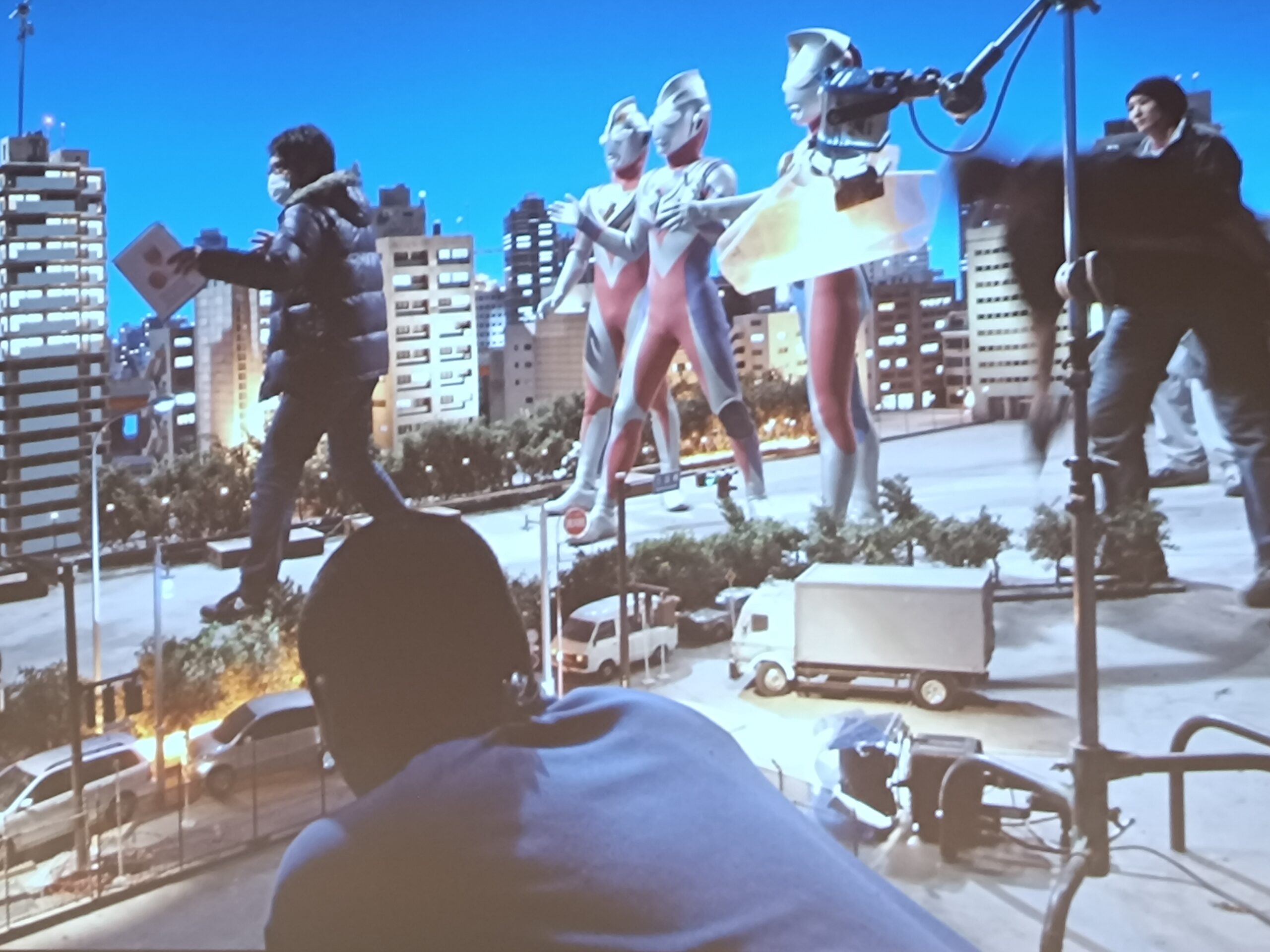
Yagi skillfully connected "Ultraman’s" impact to the rich Japanese tradition of tokusatsu. While often translated as "special effects," Yagi elucidated that the term encompasses a far broader conceptual framework. Tokusatsu, in his view, represents a distinct method of storytelling, one that possesses the extraordinary ability to imbue dreams, fears, and abstract possibilities with tangible, physical form. It is a cinematic language that makes the seemingly impossible appear remarkably real.
The groundwork for this genre had been laid by iconic films like "Godzilla," which introduced audiences to the potent visual language of Japanese monster cinema. However, "Ultraman" brought this grand spectacle into the domestic sphere with unprecedented scale and accessibility. Each week, viewers were presented with a towering, 40-meter silver giant, engaged in colossal kaiju battles, amidst meticulously crafted miniature cityscapes. These elaborate visual effects, presented in vibrant color, were delivered directly into Japanese living rooms through ordinary television schedules. Yagi characterized this as a genuine cinematic revolution, democratizing a form of spectacle previously confined to theatrical releases. For children, tokusatsu became a portal, a space where ordinary individuals could transcend limitations to become extraordinary heroes, and where fantastical worlds felt within reach.
The Enduring Appeal: A Vision Through Children’s Eyes
Yagi suggested that the franchise’s remarkable longevity could not be solely attributed to its monsters, iconic costumes, memorable music, or groundbreaking effects. The true, underlying strength of "Ultraman," he argued, lay in its profound ability to perceive and portray the world through the unadulterated lens of children. This was not merely a strategic decision to cater to its primary audience; rather, it reflected a fundamental perspective that consistently looked towards the future, embodying the aspirations and potential inherent in youth.
Yagi’s personal journey with "Ultraman" further illustrated this enduring connection. Although he was born in 1967, after the initial broadcast of "Ultra Operation No. 1," he encountered the hero through later reruns, experiencing what he described as the "same dream." He recounted a poignant childhood memory of walking along the seashore with his father. When asked about what lay beyond the horizon, his father spoke of distant lands and a world far vaster than they could currently perceive. While the precise words may have faded, the indelible impression of another world, another future, and another realm of possibility beyond the visible landscape remained. Years later, Yagi recognized this same sense of hopeful anticipation, this quiet conviction that a brighter tomorrow awaited beyond the constraints of the present, mirrored in the narrative of "Ultraman."
A Legacy of Creation: Yagi’s Directorial Journey with the Ultra Series
This profound childhood fascination eventually blossomed into a distinguished professional career within the "Ultra Series." Takeshi Yagi joined Tsuburaya Productions in the mid-1990s, commencing his tenure as an assistant director on seminal productions such as "Ultraman Tiga." His directorial debut arrived in 1996 with an episode of "Moon Spiral." Subsequently, Yagi distinguished himself as both a director and special-effects director across a multitude of "Ultra" productions. His extensive credits include "Ultraman Gaia," "Ultraman Cosmos," "Ultra Q: Dark Fantasy," "Ultraman Nexus," and "Ultraman Mebius." He also served as series producer for "Ultraman Max" and as the main director and series organizer for "Ultraseven X." In 2008, Yagi transitioned to a freelance filmmaking career, continuing to contribute his unique vision to the genre.
One of Yagi’s most significant contributions to the franchise was the 2008 feature film, "Superior 8 Ultraman Brothers." This ambitious project brought together heroes from both the Showa and Heisei eras of the "Ultra Series." The film’s narrative arc begins with children witnessing the original "Ultraman" broadcast on July 17, 1966, and then follows them into adulthood, charting the gradual fading of their youthful aspirations. Yagi deliberately chose this specific date, emphasizing it as "the day the imagination of Japan’s childhood changed forever." The film was conceived not as a mere act of nostalgic recreation but as a deliberate effort to transmit the enduring dream that Yagi and his generation had inherited.
The Evolving Myth: Passing the Torch Across Generations
This continuous process of inheritance and reinterpretation, Yagi suggested, is the fundamental reason for "Ultraman’s" enduring six-decade legacy. No single generation holds exclusive ownership of the character. Instead, each generation encounters the hero through its own unique cultural context and subsequently reshapes his meaning for the next. This dynamic evolution ensures that "Ultraman" remains relevant and inspiring.
Yagi concluded his address by underscoring the importance of viewing the 60th anniversary not solely as an exercise in nostalgia. He stressed that the creators behind "Ultraman" have consistently strived for innovation, never content with merely replicating past successes. Their ongoing quest has been to discover new images, narratives, and ideas capable of igniting the imaginations of children who have yet to discover the iconic hero.
The Fantasia presentation culminated by bringing the audience back to the very genesis of the franchise. A screening of "Ultra Operation No. 1," the episode first broadcast on July 17, 1966, offered a direct link to the series’ origins. In Yagi’s compelling narrative, experiencing this broadcast six decades later transcended a simple revisiting of Japanese television history. It presented an opportunity to momentarily inhabit the perspective of the children whose imaginations were irrevocably transformed, and to contemplate the boundless futures that "Ultraman" continues to inspire. The enduring power of this cinematic icon, as articulated by Yagi, lies not in its past glories, but in its continuous capacity to shape and propel the dreams of generations to come.