The Television Academy’s Board of Governors has officially decided to move five award categories from the Primetime Emmy Awards telecast to the Creative Arts Emmy Awards ceremony, a move that has ignited significant discussion within the television industry. The affected categories include Outstanding Writing for a Variety Series, Outstanding Supporting Actor in a Limited or Anthology Series or Movie, Outstanding Supporting Actress in a Limited or Anthology Series or Movie, Outstanding Directing for a Limited Series or Anthology or Movie, and Outstanding Writing for a Limited Series or Anthology or Movie. This decision marks the latest in a series of efforts by the Academy to streamline the lengthy Primetime Emmy Awards telecast, a perennial challenge that has led to past controversies and adjustments.
Historical Context of Emmy Telecast Adjustments
The television awards landscape is no stranger to the complexities of broadcasting a comprehensive awards ceremony within a commercially viable timeframe. The stated rationale behind the Academy’s decision is to shorten the Primetime Emmy Awards broadcast, which has historically struggled with pacing and viewer engagement due to its extensive duration. This is not the first instance where the Academy has implemented measures to control the length of the ceremony. Last year, a controversial rule was introduced, threatening to withhold prize money from charities if winners exceeded their allotted acceptance speech time. While intended to expedite the proceedings, the rule drew criticism for penalizing charitable organizations.
The practice of removing categories from the main broadcast is also not unprecedented within major awards ceremonies. In 2022, the Academy of Motion Picture Arts and Sciences faced backlash when it announced that eight technical categories at the Oscars would not be televised live. These included Documentary (Short Subject), Film Editing, Makeup and Hairstyling, Music (Original Score), Production Design, Short Film (Animated), Short Film (Live Action), and Sound. While public outcry and subsequent pressure led to the reinstatement of these categories in subsequent ceremonies, the initial decision highlighted the ongoing tension between honoring all craft achievements and maintaining a broadcast that appeals to a broader audience. The current Emmy decision mirrors this pattern, raising questions about the perceived value of certain craft and performance awards in the context of a televised event.
Analysis of the Demoted Categories
The selection of these five specific categories has drawn particular scrutiny. While TV Academy chair Cris Abrego stated that the decision was not concentrated on a single discipline or peer group but rather a "small number of categories across the performances, writing, and directing," a clear pattern emerges. Four of the five relegated categories are directly tied to the Limited or Anthology Series genre. This means that out of a potential multitude of awards for this increasingly popular and critically acclaimed format, only three will be presented during the main Primetime Emmy Awards telecast: Outstanding Limited or Anthology Series, Outstanding Lead Actor in a Limited or Anthology Series or Movie, and Outstanding Lead Actress in a Limited or Anthology Series or Movie.
This significant reduction in the visibility of Limited Series awards has led to concerns that the Academy may be devaluing the genre, potentially due to a perception that this year’s offerings may not have generated the same level of broad cultural impact or unanimous critical acclaim as past breakout hits. While the article acknowledges that this year might not have featured a miniseries with the singular breakout success of titles like "Adolescence," "Baby Reindeer," or "The Queen’s Gambit" – shows that combined significant viewership with widespread critical adoration – it argues that this does not diminish the importance of the awards for the genre. Many of the year’s most lauded television productions have indeed been limited series, and their creators and performers deserve to have their achievements recognized on the main stage. The implication is that this move might be perceived as an oversight, a suggestion that fewer viewers would notice or care about these awards being moved.
Potential Impact on Esteemed Talent and Landmark Achievements
The decision to move these categories has tangible implications for recognizing significant talent and potentially historic moments in television. The article highlights several examples of esteemed actors and creators whose potential Emmy wins would now be relegated to the less-viewed Creative Arts ceremony. This includes legendary performers such as Julianne Nicholson and Jennifer Coolidge, whose potential wins for their roles in "Mare of Easttown" and "The White Lotus," respectively, would be presented away from the primetime spotlight.
Furthermore, the move would prevent viewers from witnessing groundbreaking achievements on the main telecast. For instance, Lee Sung Jin, the creator of the critically acclaimed series "Beef," could be denied the opportunity to accept Emmy awards for both writing and directing his series live. Similarly, Michaela Coel’s potential Emmy win for writing "I May Destroy You" – a show that garnered significant critical praise and was the sole Emmy win for the series – would also be presented during the Creative Arts ceremony. The article also points to the potential of Owen Cooper becoming the youngest-ever acting Emmy winner for "Adolescence," a moment that would now be absent from the primetime broadcast.
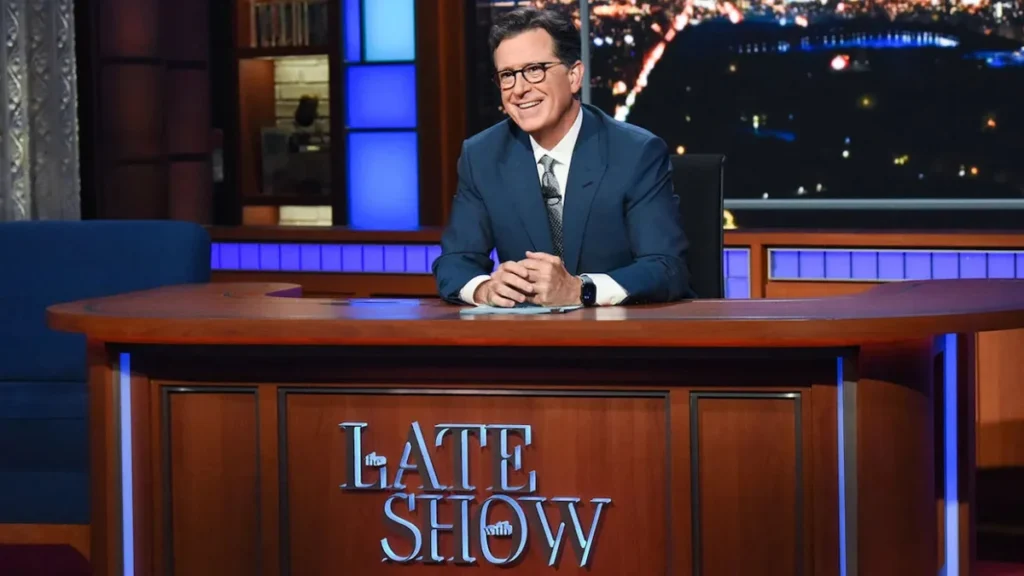
The article also speculates on other exciting potential wins that could be missed by the primetime audience. Linda Cardellini, known for her acclaimed roles in "Mad Men" and "Dead to Me," could win her first Emmy for "DTF St. Louis." Similarly, David Harbour, a fan favorite for his portrayal of Jim Hopper in "Stranger Things," might also be recognized at the Creative Arts ceremony. The possibility of Lee Sung Jin making history as the first Asian individual to win directing Emmys twice for "Beef’s" second season, and the writers of "The Late Show with Stephen Colbert" potentially winning their first Emmy for their scripting, are also highlighted as moments that would now be absent from the main broadcast.
The Value of Acceptance Speeches and Viewer Engagement
The article argues that the core appeal of awards ceremonies like the Primetime Emmys lies not solely in the comedic bits or celebrity banter, but fundamentally in celebrating the talent and hard work behind beloved television shows. The acceptance speeches, often emotional and deeply personal, are seen as integral to the experience, offering a glimpse into the dedication and passion of the individuals being honored. By removing categories, the Academy risks diminishing the significance of these moments for both the winners and their fans.
The argument is made that if the primary objective is to shorten the broadcast and create more memorable moments, it is counterintuitive to exclude speeches that are inherently memorable and deeply meaningful to those involved. These acceptance speeches represent a culmination of years of effort and creative expression, and their relegation to a less-watched ceremony could be perceived as a slight to the craft and dedication they represent. The author expresses hope that this decision will be reversed, drawing a parallel to the Academy’s earlier decision to walk back the announcement of nominees for nine craft categories a week after the main nominations were released in 2026, suggesting that public and industry pressure can lead to policy changes.
Broader Implications for the Television Industry
The Academy’s decision to shift these five categories has broader implications for the television industry, particularly concerning the recognition of diverse creative contributions and the evolving nature of television production. The increasing prevalence of limited series as a vehicle for ambitious storytelling means that this genre is no longer a niche segment but a significant driver of critical acclaim and audience engagement. The disproportionate impact on limited series awards raises questions about how the Academy prioritifies different forms of television excellence in its televised ceremonies.
The move could also influence how creative teams approach their work, potentially impacting the perceived prestige of awards presented outside the main telecast. While the Creative Arts Emmys are a vital part of the Academy’s recognition process, their lower viewership can lead to a diminished sense of accomplishment for winners and a reduced awareness of the breadth of talent in the industry among the general public. This could, in turn, affect how studios and networks promote their nominated programs.
The decision also underscores the ongoing challenge for awards bodies to balance the demands of broadcast partners, advertiser interests, and the desire to comprehensively honor all aspects of a given craft. As television production continues to expand in scope and complexity, the pressure to condense awards ceremonies will likely persist, leading to continued debate and potential adjustments in the future. The Television Academy’s latest move is a significant development in this ongoing conversation, prompting a re-evaluation of what constitutes a truly celebratory and inclusive awards broadcast in the modern era of television.