The highly anticipated Canadian sci-fi comedy short film, Seed, directed by Cameron Macgowan, officially debuted online on July 17, 2026, marking its transition from a successful international film festival circuit to global accessibility via YouTube. This quirky, six-minute cinematic offering, a unique blend of live-action and 2D animation, has garnered significant attention for its inventive premise, distinct visual style, and a dialogue-free narrative that resonates with audiences possessing a curious and adventurous taste in film. Its online release now allows a broader audience to experience the imaginative world Macgowan has crafted, further solidifying the short film’s role as a vital component of contemporary independent cinema.
A Glimpse into "Trash Planet": Plot and Visuals
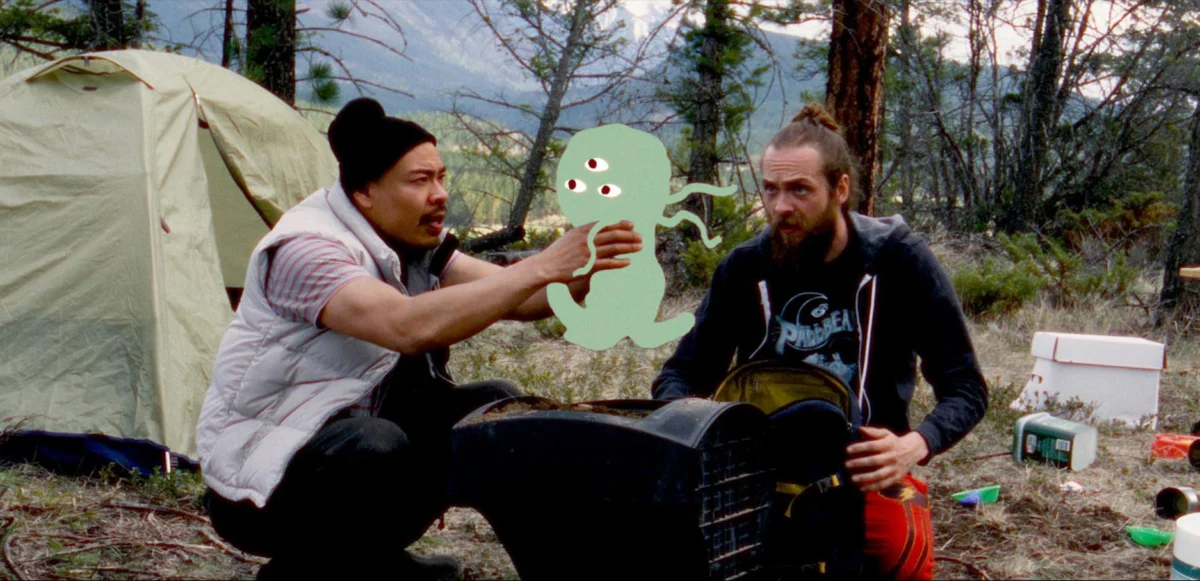
Seed transports viewers to a desolate, dystopian landscape known only as "Trash Planet," where two feral men, portrayed by Roger LeBlanc and Mike Tan, eke out a meager existence. Their daily routine revolves around the arduous task of foraging for essential food and supplies amidst the planet’s detritus. The film’s central conflict and comedic heart emerge when these two protagonists stumble upon an extraordinary discovery: a humanoid plant creature. This unexpected encounter fundamentally alters their simple, survival-driven lives, setting off a chain of events that is both humorous and surprisingly poignant. The narrative, deliberately minimalist and entirely devoid of spoken dialogue, relies heavily on visual storytelling, character expressions, and the dynamic interplay between the live-action actors and the animated creature. This choice not only enhances the film’s universal appeal, transcending language barriers, but also pays homage to the silent comedy era, a declared inspiration for Macgowan. The visual aesthetic of "Trash Planet" itself is a character, meticulously designed to convey a sense of decay and resourcefulness, underscoring the harsh realities faced by its inhabitants before their peculiar discovery.
The Visionary Behind "Seed": Cameron Macgowan’s Influences and Craft
Cameron Macgowan, the Calgary, Alberta-based Canadian filmmaker, serves as both the writer and director of Seed. Macgowan’s creative vision for the short film is deeply rooted in a diverse array of cinematic and artistic influences, which he openly shared in a statement. "The film was inspired by my love of silent comedy, retro nature documentaries & films which feature human actors performing with animated characters like Who Framed Roger Rabbit?", Macgowan explained. This confluence of inspirations is vividly evident throughout Seed. The physical comedy and expressive performances of LeBlanc and Tan echo the golden age of silent film, while the creature design and its interaction with the environment subtly nod to the educational yet often quirky tone of vintage nature documentaries. Most notably, the seamless integration of live-action footage with vibrant 2D animation for the humanoid plant creature recalls groundbreaking hybrid films, demonstrating a sophisticated technical and artistic ambition. Macgowan’s previous work includes the horror-comedy feature Red Letter Day (2019), showcasing his versatility across genre boundaries and a clear penchant for blending humor with unexpected elements. His role as lead programmer at the Calgary Underground Film Festival further underscores his deep engagement with and understanding of independent and genre cinema, undoubtedly influencing his distinctive approach to filmmaking.

From Festival Circuit to Global Audience: A Journey of Recognition
The journey of Seed from conception to its global online release is a testament to the enduring power and increasing visibility of short films within the international cinematic landscape. The film initially premiered at the prestigious 2025 Calgary International Film Festival in its hometown, an important launchpad for Canadian independent productions. This premiere was met with considerable positive reception, setting the stage for a robust festival tour that subsequently saw Seed screened at several highly regarded festivals worldwide. Notable appearances included Cinequest, a festival renowned for its innovative programming and support for emerging talent; the Boston Underground Film Festival, which champions edgy and unconventional cinema; and Fantaspoa, Latin America’s largest genre film festival in Brazil, indicating the film’s broad appeal across diverse audiences and genre enthusiasts.
This extensive festival run not only provided Seed with critical exposure and validation but also built anticipation for its eventual wider release. The strategic decision to make the film available online via YouTube on July 17, 2026, represents a modern distribution model increasingly adopted by independent filmmakers. This move democratizes access, allowing Seed to reach millions of potential viewers globally who might not have had the opportunity to attend its festival screenings. The positive buzz generated during its festival circuit is expected to translate into significant online viewership, leveraging the digital platform’s reach to amplify the film’s impact and introduce Macgowan’s distinctive style to an even broader international audience.
The Art of Blending: Live-Action, 2D Animation, and Silent Comedy
One of Seed‘s most compelling aspects is its masterful integration of live-action filmmaking with traditional 2D animation. This hybrid approach is not merely a stylistic choice but a fundamental element of its storytelling, allowing for the creation of a truly unique and memorable creature that interacts convincingly within the live-action environment. Historically, the fusion of animation and live-action has been a complex endeavor, evolving from early pioneers like Winsor McCay’s Gertie the Dinosaur to the sophisticated techniques seen in films like Who Framed Roger Rabbit? (1988), which Macgowan specifically cited as an inspiration. Seed demonstrates a contemporary understanding of this challenging art form, with Jarett Sitter credited for the animation, bringing the humanoid plant creature to life with a distinct character and believable presence.
The choice to make Seed a dialogue-free film further elevates its artistic merit. In an era often dominated by exposition and intricate dialogue, Macgowan’s commitment to visual storytelling is a bold and refreshing move. This approach forces both the filmmakers and the audience to engage more deeply with non-verbal cues – the actors’ physical comedy, their facial expressions, the creature’s subtle movements, and the detailed production design. This narrative technique harks back to the foundational principles of cinema, emphasizing universal themes and emotions that transcend cultural and linguistic barriers, making Seed an accessible and engaging experience for a truly global audience. The "kookiness" noted by early reviewers is largely derived from this unique blend, creating a fantastical yet believable world where silent reactions speak volumes.

Production Insights: Crafting a Unique Sci-Fi Comedy
The creation of Seed was a collaborative effort, brought to fruition by Awkward Silencio Productions, Macgowan’s Calgary-based production company. The film benefited from a dedicated and talented crew, whose contributions were instrumental in realizing Macgowan’s vision. Heather Campbell served as a producer, while Cameron Macgowan himself, alongside Rhett Miller, took on executive producer roles, ensuring the project’s creative and logistical integrity. Rhett Miller also contributed significantly as the cinematographer, responsible for capturing the desolate beauty of "Trash Planet" and the nuanced performances of the lead actors. His work played a crucial role in establishing the film’s distinct visual tone, balancing the comedic elements with the underlying sci-fi aesthetic.
The film’s atmospheric quality is further enhanced by the original score composed by Kyle Thomas, which likely plays a critical role in guiding the audience’s emotional journey in the absence of dialogue. The music would have to convey humor, tension, wonder, and the overall mood, becoming an essential narrative component. As previously mentioned, Jarett Sitter’s animation work on the humanoid plant creature is a cornerstone of the film’s unique appeal, requiring meticulous attention to detail to ensure seamless integration with the live-action elements. This collaborative spirit, typical of independent filmmaking, allowed Seed to achieve a high level of artistic quality and technical execution, despite the inherent challenges of short film production. The detailed credits provided by the production, including a tip from Cameron himself on the online debut, underscore the professional yet intimate nature of its creation.
The Broader Canvas: Short Films in the Digital Age
The online release of Seed on platforms like YouTube highlights a significant trend in contemporary cinema: the burgeoning importance and accessibility of short films. Once primarily seen as calling cards for emerging directors or niche festival content, short films are increasingly finding massive audiences online. Platforms such as YouTube and Vimeo have transformed the distribution landscape, offering filmmakers direct access to a global audience without the traditional gatekeepers of theatrical distribution or television broadcasting. This shift has democratized film consumption, allowing innovative and experimental works like Seed to gain traction and critical acclaim purely based on their artistic merit.
For emerging talents like Cameron Macgowan, short films serve as crucial proving grounds. They allow filmmakers to experiment with complex visual effects, unique narrative structures, and genre blending on a smaller scale, often with more creative freedom than larger feature productions. A successful short film can attract the attention of industry professionals, producers, and financiers, potentially opening doors to feature-length projects. The positive reception of Seed on the festival circuit, followed by its strategic online release, exemplifies how short films can build a filmmaker’s reputation and create a loyal fanbase, demonstrating a viable pathway from independent creation to broader recognition. This digital ecosystem fosters a vibrant community of creators and viewers, enriching the overall cinematic landscape with diverse voices and innovative storytelling.

Implications for Independent Filmmaking and Future Prospects
The success of Seed, from its acclaimed festival run to its anticipated online virality, carries significant implications for independent filmmaking, particularly within the sci-fi and comedy genres. It reinforces the idea that compelling storytelling, creative vision, and technical execution can thrive outside the mainstream studio system. For Cameron Macgowan, Seed undoubtedly strengthens his position as a versatile and innovative director. His ability to craft a highly engaging, visually distinctive, and critically praised short film across multiple genres suggests a promising trajectory for his career. The blend of humor, science fiction, and a unique visual style positions him as a filmmaker capable of delivering both entertainment and artistic depth.
The detailed background available on Macgowan’s official website for Awkward Silencio Productions and his involvement with the Calgary Underground Film Festival further illustrates his deep commitment to the independent film community. This engagement not only provides him with a network of collaborators and resources but also keeps him attuned to emerging trends and innovative storytelling approaches. As Seed garners more views and discussions online, it will likely serve as a powerful portfolio piece, attracting opportunities for future projects, potentially including feature-length expansions of its unique universe or new ventures in similar genre-bending territory. The online accessibility of Seed also means that film students, aspiring animators, and fellow independent filmmakers can study its craft and learn from its creative choices, contributing to a broader ecosystem of shared knowledge and inspiration within the global filmmaking community. The widespread appreciation for Seed‘s "wonderfully creative" elements underscores its potential to inspire a new generation of filmmakers to explore unconventional narratives and hybrid visual techniques.