
The release of the highly anticipated sequel to the 2006 cult classic The Devil Wears Prada has signaled a significant moment for both the global box office and the cultural zeitgeist. Arriving nearly two decades after the original film redefined the "fashion-career" subgenre, the sequel reunites audiences with Andy Sachs (Anne Hathaway), Emily Charlton (Emily Blunt), and the indomitable Miranda Priestly (Meryl Streep). The film’s debut was marked by a staggering $234 million global opening weekend, a testament to the enduring legacy of the intellectual property and the star power of its lead ensemble. While the original film focused on the personal costs of individual ambition within the high-stakes environment of Runway magazine, the sequel shifts its lens toward the systemic collapse of the traditional media industry and the encroaching influence of the technology sector.
The Evolution of a Cultural Powerhouse: A Brief Chronology
The journey of The Devil Wears Prada from a roman à clef novel to a multi-billion-dollar franchise spans over twenty years. Lauren Weisberger’s original novel, published in 2003, drew heavily from her experience as an assistant to Vogue editor-in-chief Anna Wintour. The 2006 film adaptation, directed by David Frankel, became a commercial and critical juggernaut, grossing over $326 million worldwide and earning Meryl Streep an Academy Award nomination.
In the intervening years, the film’s status grew through streaming and social media, where Miranda Priestly’s "cerulean" monologue and Emily Charlton’s dry wit became staples of internet culture. Discussions of a sequel persisted for years, often hampered by the high demand for its now-A-list cast. Production finally moved forward under the premise of addressing the contemporary media landscape. The sequel meets the characters in a vastly different world than the one they occupied in 2006. Andy Sachs, once a fledgling assistant, is now an established investigative reporter who returns to Runway to lead its features department, while Emily has ascended to a senior role at Dior.
Narrative Focus: The Death of the September Issue
The central conflict of the sequel revolves around the survival of Elias-Clarke, the fictional parent company of Runway, which serves as a transparent proxy for real-world media conglomerates like Condé Nast. The film depicts a media industry in the throes of an existential crisis. The iconic "September Issue," once a massive tome of advertising and editorial influence, is described in the film as being "as thin as a napkin."
This narrative choice mirrors real-world trends. According to industry data, print advertising revenue for consumer magazines has seen a steady decline of approximately 7% to 10% annually over the last decade. The film introduces a new antagonist in the form of a tech billionaire played by B.J. Novak, the son of the deceased Elias-Clarke CEO. His character represents the shift from substantive editorial content to "repackaged" digital output, prioritizing consolidation and algorithmic efficiency over the "soul" of journalism. This thematic pivot transforms the movie from a simple fashion fantasy into a commentary on the "gutting" of the creative industries.
Casting and Performance: The Return of the Original Ensemble
The success of the sequel relies heavily on the return of the original cast, whose careers have expanded significantly since 2006. Anne Hathaway, now an Academy Award winner, portrays a version of Andy Sachs who must reconcile her journalistic integrity with the reality of a failing industry. Critics have noted that while the character has aged 20 years in the narrative, the film maintains the aspirational, "untouched by time" aesthetic typical of high-budget Hollywood productions.
Meryl Streep returns as Miranda Priestly, though the character is approached with a level of "love and understanding" that reflects the audience’s shift from viewing her as a villain to an icon of professional excellence. Stanley Tucci’s Nigel also returns, providing the necessary continuity for the film’s stylistic elements. The inclusion of new cast members, such as Patrick Brammall as Andy’s love interest and Lucy Liu as a potential "savior" for the magazine, adds new dynamics to the established formula.
Economic Impact and Production Values
The production of the sequel spared no expense, utilizing 4K cinematography and extensive location shooting in New York, Milan, and Lake Como. The film functions as both a narrative feature and a high-end marketing vehicle. It features a Lady Gaga music video integrated into the structure and cameos from global figures including Donatella Versace, Law Roach, Tina Brown, and Kara Swisher.

This "commercialized" approach is backed by significant product placement and brand partnerships. Recognizable brands such as United Airlines, Diet Coke, and various luxury fashion houses are woven into the fabric of the film. This mirrors the real-world reliance of the fashion and media industries on corporate sponsorship. The film’s visual language frequently employs dizzying aerial shots of Manhattan, reinforcing the "New York or nowhere" mythos that has historically driven the appeal of the franchise.
Industry Implications: Journalism vs. Content Creation
The dialogue in the film highlights the tension between traditional journalism and modern "content creation." When Andy Sachs laments the "sucking of the soul out of everything," she is articulating a sentiment felt by many in the professional writing community. The film addresses the "affordability crisis" of New York City and the difficulty of maintaining a "fabulous life" in a creative field during a period of extreme economic consolidation.
Data from the Bureau of Labor Statistics indicates that newsroom employment in the United States dropped by 26% between 2008 and 2020. The sequel uses Andy’s $350,000 book deal and her high-end Cobble Hill condo as symbols of a "nouveau riche" status that is increasingly rare for actual journalists, highlighting the gap between Hollywood’s portrayal of the industry and its material reality.
Official Responses and Market Reception
While official statements from the production studio emphasize the film as a "celebration of the characters’ evolution," industry analysts see it as a strategic move to capitalize on established IP in an uncertain theatrical market. The PG-13 rating and the high-gloss production values were designed to appeal to both the original millennial audience and a younger generation that discovered the first film via TikTok and streaming platforms.
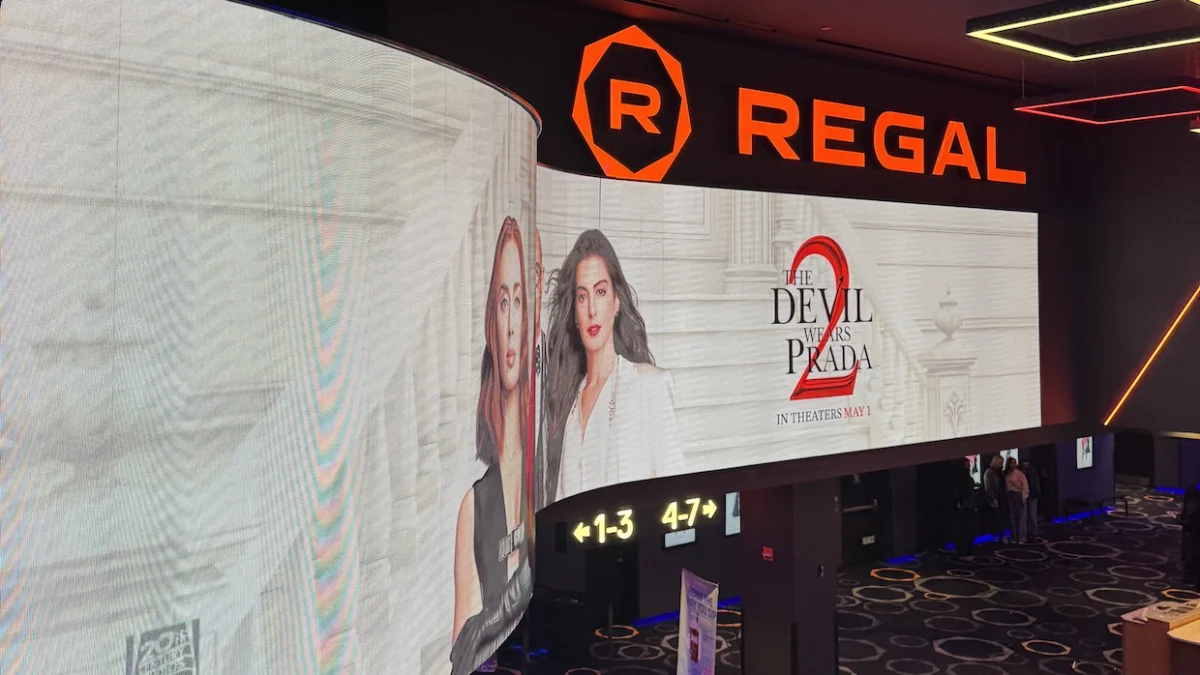
Marketing for the film leaned heavily into nostalgia, utilizing the "Regal Premium Experience" and immersive audio technology to enhance the "glamour" of the fashion sequences. Early audience data suggests that the film performed particularly well in urban markets, where the romanticization of the New York media scene remains a potent draw.
The Broader Impact on the "Career Film" Genre
The Devil Wears Prada 2 represents a shift in how Hollywood treats the "career film." In the early 2000s, films like 13 Going on 30 and the original Devil Wears Prada focused on the "reinvention" of the self through professional success. In the 2020s, the sequel suggests that professional success is no longer a matter of individual grit, but of navigating the whims of tech billionaires and corporate mergers.
The film concludes on a note that blends fantasy with a grim recognition of the current state of media. While the "glitz" remains a primary selling point, the underlying message acknowledges that "work won’t love you back." This realization serves as the emotional core of the sequel, providing a bittersweet reflection for an audience that grew up viewing the original film as a blueprint for adulthood.
As the film continues its theatrical run, its performance will likely influence how studios approach other legacy sequels. The combination of high-fashion escapism and contemporary industry critique has proven to be a lucrative formula, even as the "husk of a journalism industry" it depicts continues to struggle in the real world. For many, the film is a reminder that while beautiful things—and beautiful films—remain intoxicating, the structures that support their creation are more fragile than ever.