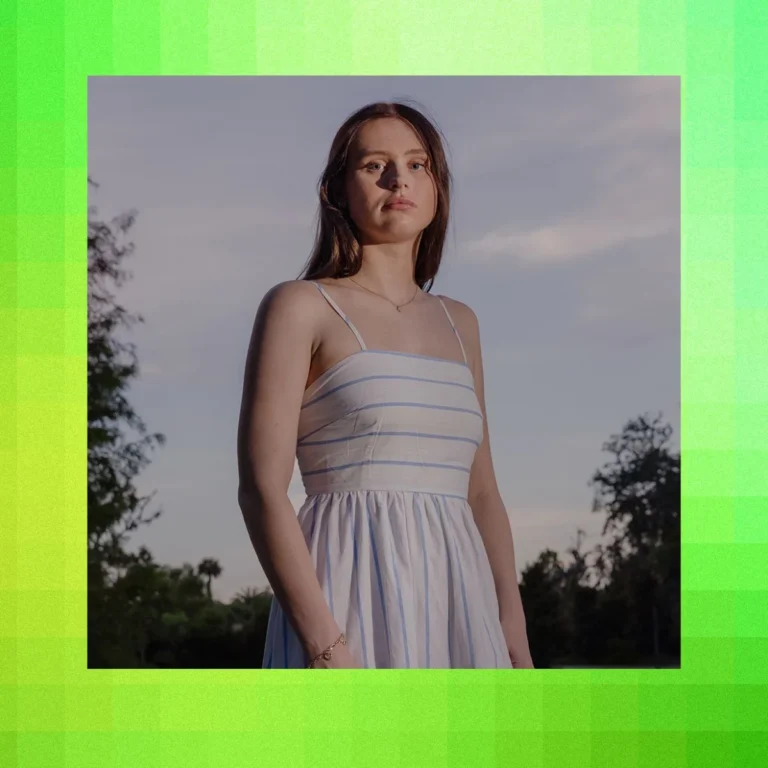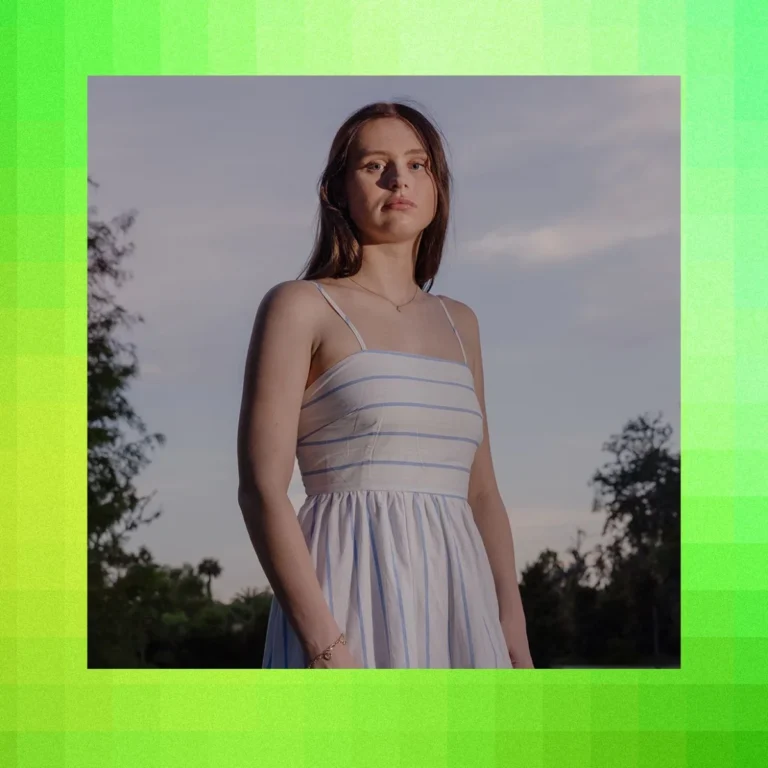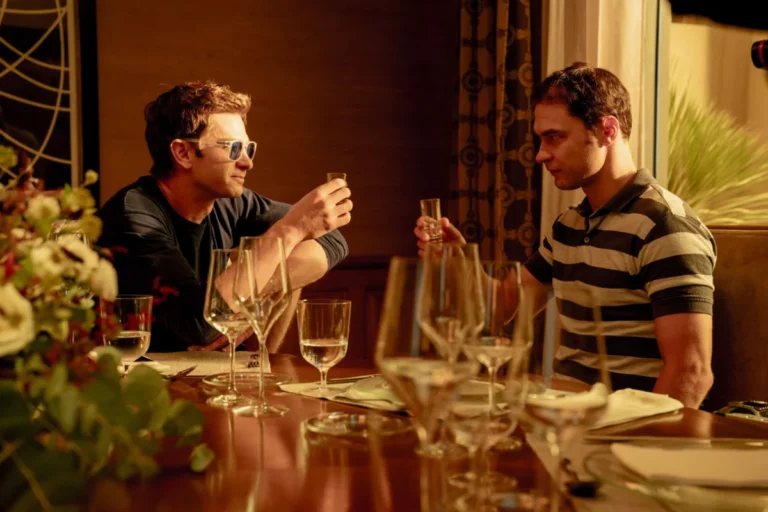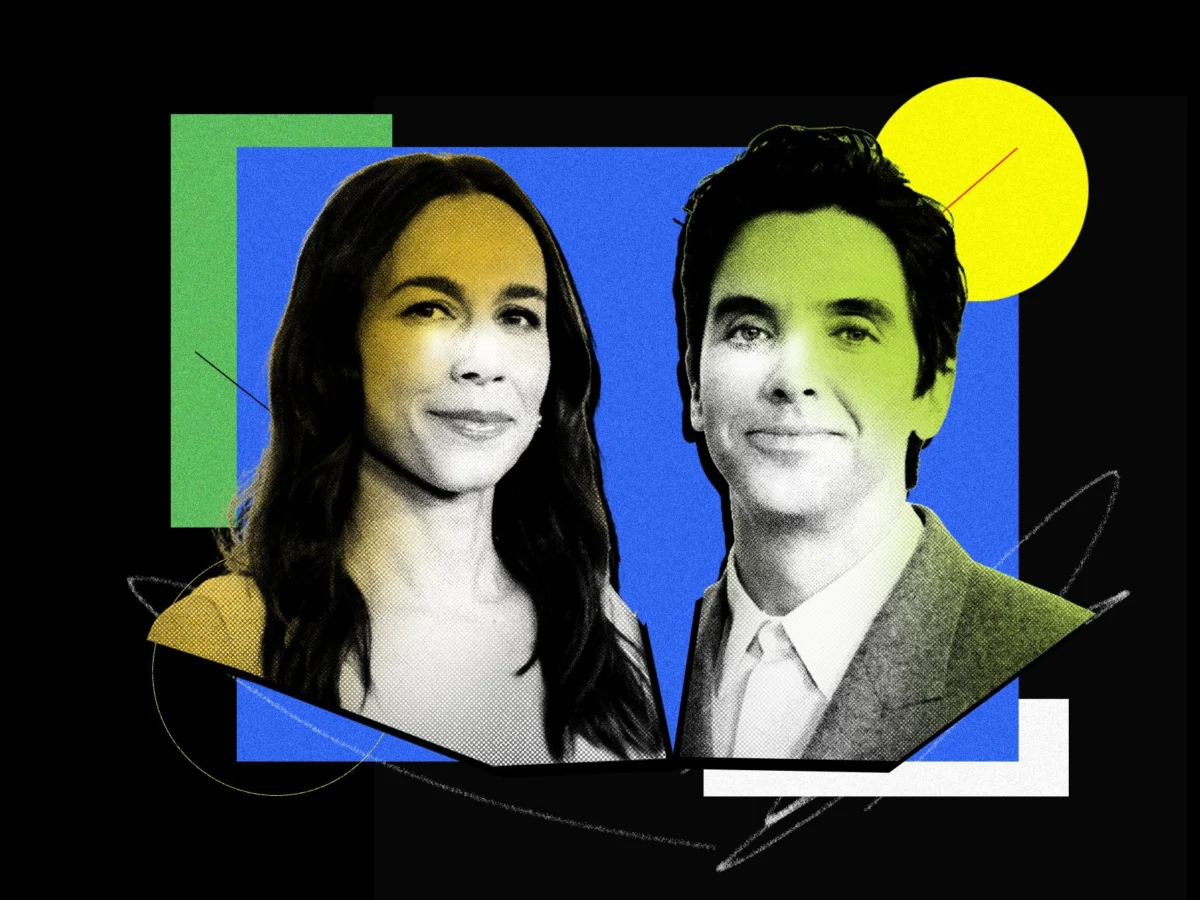
The critically acclaimed HBO Max series Hacks has long served as a poignant mirror for the internal machinations of the entertainment industry, tracing the evolution of comedy through the eyes of legendary stand-up Deborah Vance and her millennial writing partner, Ava Daniels. However, as the series approaches its conclusion, the conversation surrounding the show has shifted from the generational divide to a more existential concern: the encroachment of artificial intelligence on human creativity. In a series of recent public statements and a comprehensive dialogue with industry analysts, cocreators Paul W. Downs and Lucia Aniello have emerged as some of the most vocal critics of AI integration in the arts, framing the technology not as a tool for innovation, but as a direct threat to the emotional labor that defines comedy.
The creators’ stance mirrors a broader sentiment currently vibrating through Hollywood’s creative guilds. This resistance is not merely theoretical; it is rooted in the labor disputes that defined the 2023 Writers Guild of America (WGA) and SAG-AFTRA strikes, where AI protections were a central pillar of negotiations. For Downs and Aniello, the resistance is personal and professional, reflecting a career built on the "tough, tiring, absolutely-no-shortcuts" approach to storytelling that they believe AI is incapable of replicating.
The Chronology of Hacks and the Evolution of Industry Critique
Hacks debuted in May 2021, a time when the streaming landscape was undergoing rapid expansion and the "content wars" were at their peak. Developed by the trio of Downs, Aniello, and Jen Statsky—all veterans of the seminal comedy Broad City—the show was immediate in its success, garnering multiple Emmy Awards for its sharp writing and the powerhouse performance of Jean Smart.
Over the course of its run, the series has systematically tackled the structural barriers of the industry. Season 1 focused on the ageism and sexism inherent in the Las Vegas residency circuit; Season 2 explored the vulnerability of the road and the process of "killing your darlings" to find a new comedic voice. By Seasons 3 and 4, the narrative shifted toward the complexities of late-night television, corporate censorship, and the consequences of media consolidation.
This chronological progression has coincided with real-world shifts in the media landscape. The 2022 merger of WarnerMedia and Discovery Inc. to form Warner Bros. Discovery led to significant changes in content strategy, including the high-profile cancellation of nearly-completed projects for tax write-offs and the removal of library titles from streaming platforms. These events found their way into the subtext of Hacks, specifically through plotlines involving "deleted" legacies and the fragility of digital archives.
The Existential Threat of Artificial Intelligence in Creative Spaces
The most recent point of contention for the Hacks creative team is the rise of Large Language Models (LLMs) and their application in writers’ rooms. Lucia Aniello has characterized the use of AI in creative contexts as "insulting" and "deeply offensive," arguing that the technology is being forced upon the creative world to minimize the value of human talent and reduce overhead costs for major studios.
The creators argue that comedy, in particular, relies on the "friction" of human experience—failure, embarrassment, and emotional resonance—that an algorithm cannot experience. "Trying to take the work and the struggle and the friction out of the creative process makes it not art," Downs noted. This perspective aligns with recent data from the creative sector; a 2024 survey by the CVL Economics group found that nearly 62% of film and television workers believe AI will lead to significant job displacement within the next three years.
Furthermore, Aniello pointed toward the phenomenon of "AI slop," where the internet is increasingly populated by low-quality, synthetically generated content. From a creative standpoint, she described AI as a system that merely "reheats everybody else’s nachos," scraping existing human thoughts to generate a derivative product. This critique highlights a growing concern among intellectual property experts regarding the "circular" nature of AI training, where models eventually begin training on AI-generated data, leading to a degradation of quality and original thought.
Media Consolidation and the Loss of Creative Autonomy
Beyond the technological threats, Hacks has delved into the chilling effects of media consolidation. The show’s fourth season ended with a dramatic confrontation involving a late-night host’s contract and the realization that a single corporate executive could effectively "delete" a performer’s career.
In the real world, this reflects the shrinking number of gatekeepers in Hollywood. Following the acquisition of various networks by conglomerates like Warner Bros. Discovery and the proposed Paramount-Skydance merger, creators find themselves with fewer outlets for their work. This consolidation has led to:
- Content Erasure: Titles being removed from platforms to avoid paying residuals or to claim tax benefits.
- Reduced Negotiating Power: Writers and showrunners having fewer competitive bidders for new projects.
- Censorship Risks: Larger corporate entities being more risk-averse to "truth-to-power" comedy that might offend shareholders or political figures.
The Hacks creators noted the prescience of their writing, particularly regarding late-night television. The show depicted a host facing censorship just months before real-world late-night figures like Stephen Colbert and Jimmy Kimmel faced increased scrutiny and regulatory "investigations" over political satire.
The Legal Reality of Entertainment Contracts: Non-Competes and Florida Law
A significant plot point in the recent seasons of Hacks involved the enforceability of non-compete clauses and exclusivity agreements. In the show, Deborah Vance is sidelined for 18 months due to a restrictive contract governed by Florida law.
This narrative choice was grounded in rigorous legal research. The writers’ room consulted with legal experts to ensure the "restraining order" on Vance’s performance was plausible. Historically, Florida has been a "pro-employer" state regarding non-compete agreements, making it a fertile ground for the kind of "deal with the devil" Deborah Vance signed.
However, the real-world legal landscape is currently in flux. In April 2024, the U.S. Federal Trade Commission (FTC) issued a final rule banning most post-employment non-compete clauses nationwide, arguing they stifle competition and suppress wages. While this rule faces significant legal challenges from business groups, it mirrors the very struggle depicted in Hacks: the fight for a creative professional to own their labor and their voice regardless of corporate mandates.
The Digital Shift: From Late-Night TV to Social Media Clips
As traditional linear television viewership declines, Hacks has also adapted its promotional strategy to mirror modern consumption habits. Paul W. Downs observed that while appearing on legacy programs like The Tonight Show remains a prestigious milestone, digital-first segments like "Subway Takes" or viral TikTok clips often garner equivalent or superior engagement.
Data from Nielsen suggests that younger demographics (Gen Z and Millennials) are significantly more likely to consume "late-night" content through social media aggregators than by watching a full broadcast. This shift has changed the nature of "stardom." The Hacks cast, including Jean Smart and Hannah Einbinder, has maintained a high profile through "parasocial" social media engagement—authentic, casual interactions that foster a sense of community among fans.
This digital transition is a double-edged sword. While it allows creators to bypass traditional gatekeepers, it also feeds into the same social media algorithms that the creators admit they find "scary" and "unpredictable." Downs expressed a desire for a return to traditional journalism and the "arts section," suggesting that the deletion of social media might actually revitalize public appreciation for long-form creative work and deep-dive reporting.
Implications for the Future of the Industry
The journey of Hacks from a niche comedy to a cultural touchstone reflects the broader anxieties of the 2020s. The creators’ refusal to engage with AI, their critique of corporate consolidation, and their focus on the "sanctity of the work" serve as a manifesto for the human-centric future of entertainment.
As the series concludes, the industry stands at a crossroads. The success of Hacks—built on specific, human, and often painful interactions—serves as a data point for studios: audiences still crave the "spark" of human collaboration that cannot be synthesized. Whether the industry at large will heed the warnings of Downs and Aniello remains to be seen, but their work ensures that the conversation regarding the value of the human artist remains at the forefront of the digital age.
In the final analysis, the legacy of Hacks may not just be its jokes or its awards, but its role as a steadfast defender of the creative soul in an era of increasing automation. By centering the relationship between two flawed, brilliant women, Downs, Aniello, and Statsky have proven that the most effective "algorithm" for success is still a well-told, human story.