
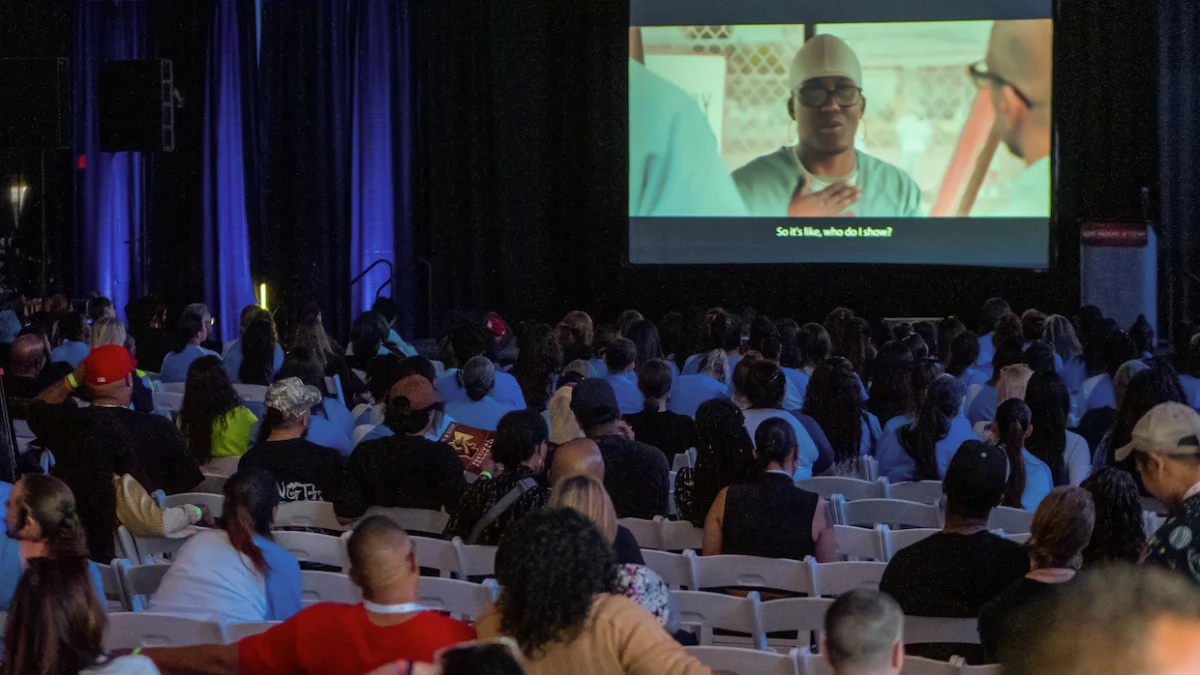
The San Quentin Film Festival (SQFF), an organization dedicated to bridging the gap between the incarcerated community and the global film industry, recently marked a historic milestone by hosting its first-ever event outside the walls of the San Quentin Rehabilitation Center. The expansion took the festival to the Central California Women’s Facility (CCWF) in Chowchilla, the state’s largest correctional institution for women. This landmark event facilitated a unique convergence of 300 incarcerated women, high-profile Hollywood filmmakers, and formerly incarcerated artists to celebrate the power of storytelling as a tool for rehabilitation and successful societal reentry.
The program at CCWF represented a significant evolution for the festival, which was founded to showcase the creative output of those living behind bars while providing them with professional networking opportunities. By bringing a curated selection of award-winning films and industry heavyweights to Chowchilla, the SQFF sought to address the specific needs and narratives of incarcerated women, a demographic often overlooked in broader discussions regarding criminal justice reform and rehabilitative arts.
Institutional Collaboration and Event Logistics
The execution of a film festival within a high-security environment requires extensive coordination between festival organizers and correctional leadership. The CCWF event was the result of months of planning involving the SQFF’s "inside" and "outside" teams. Key figures in this collaboration included Jesse Vasquez, the executive director of the Pollen Initiative and a formerly incarcerated journalist, and Cori Thomas, a playwright and SQFF co-founder whose industry connections—forged through years of work at the Tribeca Film Festival—have been instrumental in the festival’s growth.
Support from the California Department of Corrections and Rehabilitation (CDCR) was essential to the event’s success. CCWF Warden Anissa De La Cruz and Public Information Officer Lt. Monique Williams facilitated the logistics, ensuring that the necessary security protocols were balanced with the festival’s goal of creating an authentic cinematic experience. The event featured a makeshift "red carpet" set against the backdrop of the facility’s security infrastructure, symbolizing the intersection of the "free world" and the carceral system.
The Award-Winning Shorts Program: Case Study of Oscars Return
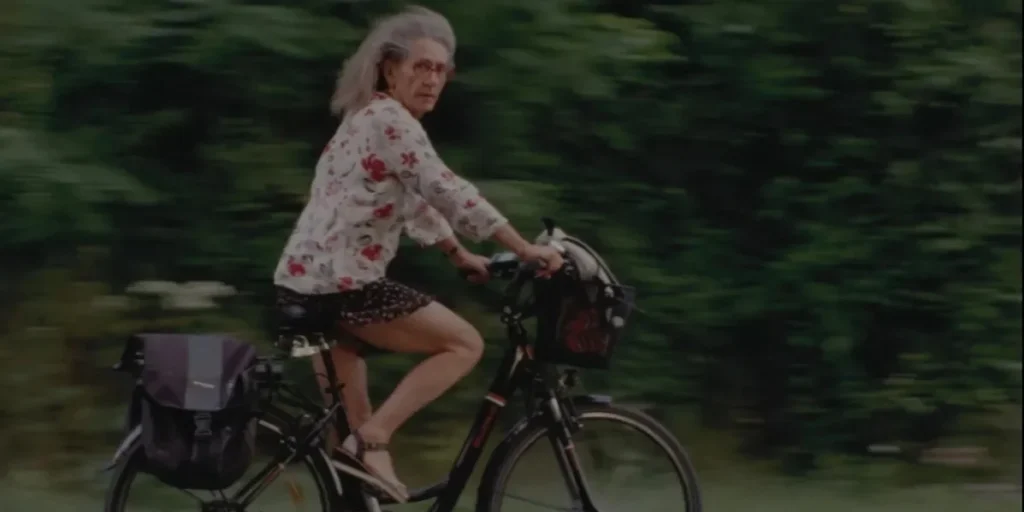
A centerpiece of the festival was the screening of the award-winning documentary short Oscar’s Return. Directed by a filmmaker involved in the reentry space, the film had previously secured the Jury Award for Best Documentary Short at the 2025 San Quentin Film Festival. The documentary follows the journey of Oscar, a man who served 25 years on a life sentence that began when he was a juvenile.
The narrative focuses on Oscar’s transition back into society in Los Angeles, a process he describes as feeling like an "immigrant in his own city." A central theme of the film is Oscar’s work with dog training, a skill he utilizes to rebuild trust with the world around him. The screening at CCWF was particularly resonant, as the facility hosts its own dog training program. During a post-screening Q&A, incarcerated audience members noted that the film provided a tangible sense of hope for their own post-parole employment prospects. One attendee shared that the dogs she trained while incarcerated were often adopted by families who continued to send her updates, highlighting the lasting emotional impact of such programs.
Industry Participation and Mentorship Panels
The SQFF is distinguished by its ability to bring esteemed industry professionals into the prison environment to serve as jurors, moderators, and panelists. The CCWF event featured a "Women in Film" panel that included Dee Rees, the Academy Award-nominated director of Mudbound. The panel was moderated by Lakisa “Kiki” Crowder, a member of the CCWF Journalism Guild, demonstrating the festival’s commitment to giving incarcerated individuals leadership roles in the programming.
Other notable attendees and jurors included:
- Christina Oh: Academy Award-nominated producer of Minari.
- W. Kamau Bell: Emmy-winning host and director, who moderated film discussions.
- Christine Swanson: Award-winning writer and director.
- Amy Vincent: Renowned cinematographer known for her work on Song Sung Blue and Eve’s Bayou.
The presence of these professionals serves a dual purpose. For the incarcerated participants, it validates their creative efforts and provides a rare opportunity for professional feedback. For the industry guests, it offers a firsthand look at the human potential within the prison system, potentially influencing how stories of incarceration are told in mainstream media.

The Pitch Competitions: Developing Narrative Agency
Beyond screenings, the festival included a screenplay and documentary pitch competition open exclusively to incarcerated writers. This component of the SQFF is designed to foster narrative agency, allowing participants to develop their own stories rather than being the subjects of others’ films.
The winner of the Narrative Pitch Competition at CCWF was Krysten Webber. Her success in the competition underscored the high caliber of work being produced within the facility. According to festival organizers, the jury evaluated the pitches based on the same professional standards used in the outside film industry. The competition highlights a growing movement toward "Arts in Corrections," which posits that creative engagement can significantly reduce recidivism by improving communication skills, emotional intelligence, and self-worth.
Contextualizing the Central California Womens Facility
The choice of CCWF as the festival’s first satellite location is significant. Located in Chowchilla, the facility has a complex history. The land was originally inhabited by the Yokuts people, who referred to themselves as chaushila, meaning "brave." Before becoming a correctional site in 1990, the area was primarily agricultural.
Today, CCWF is a focal point for discussions on the unique challenges faced by incarcerated women, including higher rates of past trauma and the strain of being separated from children and families. Arts programs like the SQFF provide a vital outlet for processing these experiences. The festival’s presence at CCWF acknowledges the importance of gender-responsive programming in the rehabilitative process.
Data and Analysis: The Impact of Arts on Rehabilitation
The expansion of the San Quentin Film Festival aligns with broader trends in California’s correctional philosophy, which has increasingly moved toward a "rehabilitation first" model. Data from various studies on prison arts programs support the festival’s mission. According to a report by the California Arts Council:
- Recidivism Reduction: Inmates who participate in intensive arts programs are significantly less likely to return to prison within three years of release compared to the general population.
- Behavioral Improvements: Participation in creative writing and filmmaking programs is linked to a reduction in disciplinary infractions within the facility.
- Community Building: Arts programs foster a "culture of care" and mutual respect among inmates, which can mitigate the dehumanizing effects of the carceral environment.
The SQFF also addresses the "reentry cliff"—the period immediately following release when formerly incarcerated individuals struggle to find community and employment. By involving organizations like API RISE (an organization working at the intersection of immigration and incarceration), the festival connects participants with support networks that extend beyond the prison gates.
Broader Implications for the Film Industry and Public Safety
The San Quentin Film Festival at CCWF serves as a case study for how the film industry can engage with social justice in a direct and impactful way. By treating the work of incarcerated filmmakers with professional seriousness, the festival challenges the "banished class" stigma often associated with those in the justice system.
As the festival concludes its inaugural event at the women’s facility, the focus shifts to the long-term sustainability of these creative pathways. The "mission to ensure public safety and successful reentry," as stated on the facility’s walls, is bolstered by programs that treat incarcerated individuals as contributors to culture rather than just subjects of surveillance.
The transition from the "red carpet" back to the daily routine of prison life remains a stark reality for the participants. However, the success of the pitch competitions and the spirited engagement of the audience suggest that the seeds of a new creative community have been sown. For the 300 women in blue who attended, the festival was more than a distraction; it was a validation of their voices and a reminder that their stories have value in the world outside the razor wire.
The SQFF continues to advocate for the principle that "the work is the work," regardless of where it is created. As the festival looks toward future iterations, the integration of women’s voices from CCWF is expected to remain a permanent and vital component of its mission to transform the narrative of incarceration through the lens of cinema.