


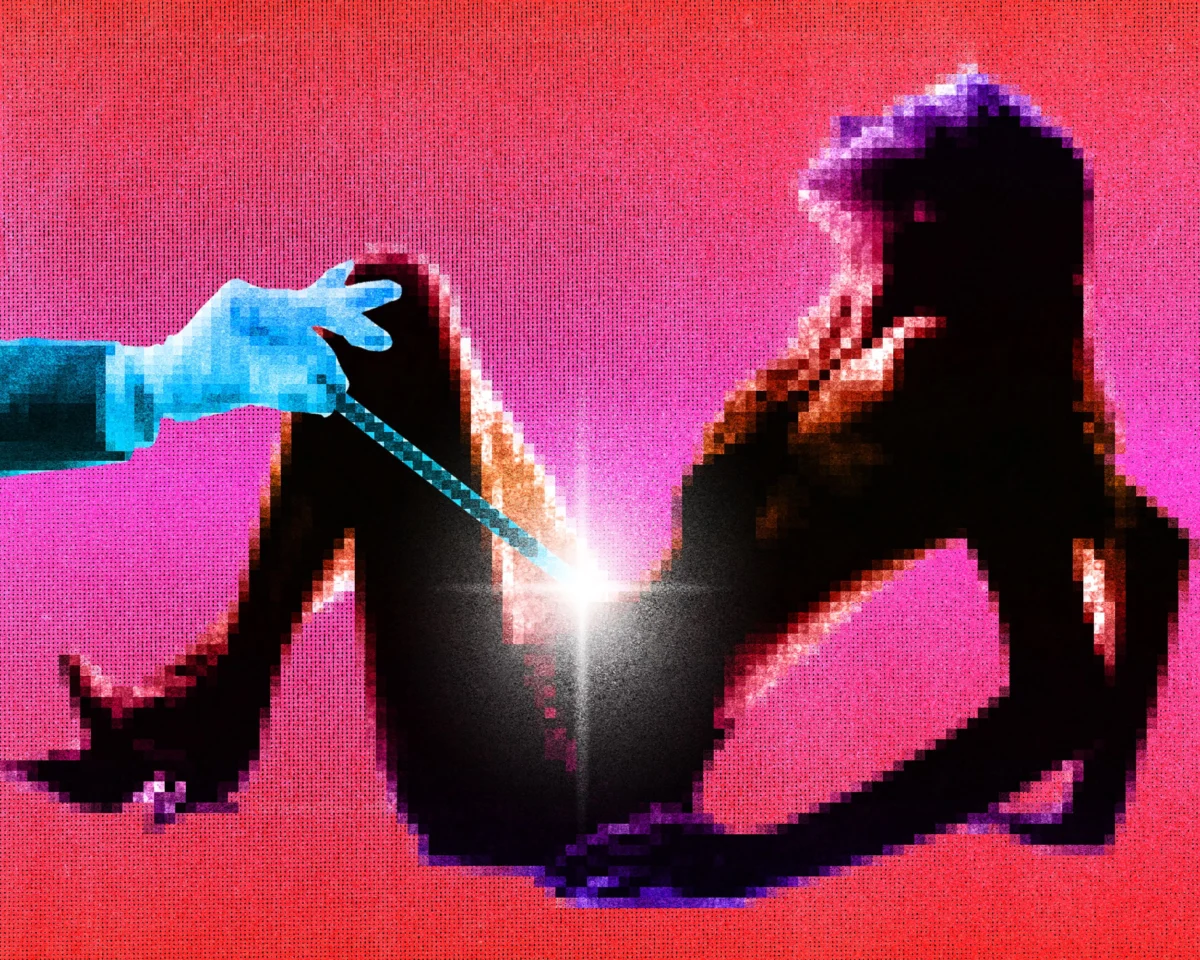
The digital landscape is currently witnessing a sophisticated and highly organized proliferation of synthetic nonconsensual intimate imagery (NCII), a phenomenon often referred to as "nudification." While the technology to generate deepfakes has existed for several years, new research indicates that the production of these images has evolved into a collaborative, community-driven process. On platforms such as 4chan, anonymous users have established a rigid social hierarchy centered on the systematic dehumanization of women, utilizing generative artificial intelligence to strip individuals of their clothing and dignity without consent. This ecosystem, characterized by a symbiotic relationship between those who request the imagery and the "wizards" who create it, represents a significant escalation in the scope and scale of online gender-based violence.
The Architecture of the Nudification Ecosystem
At the heart of this digital underworld is the /r/ board on 4chan, a hub specifically dedicated to "adult requests." Unlike traditional pornography, the content here is predominantly bespoke, created at the behest of users who provide original, non-sexual photographs of specific women. These photographs are often mundane: vacation snapshots, professional headshots, or social media posts. The process begins when an anonymous user "summons a wizard"—a term used within the community to describe individuals with the technical proficiency to manipulate images using AI tools.
The requests are frequently accompanied by specific instructions regarding the victim’s body type, the sexual acts they should be depicted performing, or the fetishes they should fulfill. In one documented instance, a user posted a photo of a woman in a European city, requesting she be rendered with specific physical attributes while retaining her jacket. Within hours, a "wizard" fulfilled the request, producing a deepfake that maintained the original setting and pose but exposed the woman’s breasts. The interaction concluded with expressions of gratitude and praise, highlighting the social currency exchanged within these forums.
The term "wizard" itself carries deep-seated cultural baggage. Within the broader "incel" (involuntary celibate) subculture, a wizard traditionally refers to a man who remains a virgin past the age of 30. On 4chan, the term has been reclaimed as a title of prestige, denoting power over the digital likenesses of women. This linguistic shift reflects a power dynamic where men who feel socially or sexually marginalized seek to exert control through technological exploitation.
The ISD Report: Methodology and Key Findings
A recent investigative paper published by the Institute for Strategic Dialogue (ISD) provides a comprehensive look into this shadowy industry. Authored by Leonie Oehmig, a researcher and policy associate based in Berlin, the report titled "High-Risk Small Platforms: Understanding Synthetic Non-Consensual Intimate Imagery and Community Norms on 4chan" analyzes thousands of posts from a three-month period between early December 2025 and March 2026.
Oehmig’s research identifies a clear "script" followed by these communities. The process is not merely transactional but deeply social. The "wizards" are treated with a level of sycophancy, often addressed as "sir" or "master." This adulation serves as a primary motivator for the creators, who are incentivized by the "miracle worker" status they achieve within the group. The study found that this hierarchy reflects a broader "urge for power and control," a psychological driver consistent with traditional forms of sexual abuse.
Furthermore, the ISD research reveals that 4chan serves as an "origin point." Once an image is created on the public-facing board, it is rapidly disseminated to more private and less regulated platforms, such as Telegram and Discord. This migration makes it nearly impossible for victims to track or remove the content once it has entered the digital bloodstream. The ISD is expected to release further data indicating that over 100,000 posts related to nudification were identified across various platforms in just a ninety-day window, suggesting the problem is far more pervasive than previously estimated.
From Celebrities to the "Girl Next Door"
While high-profile cases involving celebrities often dominate the news cycle, the ISD report emphasizes that the majority of targets are private individuals. Requesters frequently provide links to the Instagram or Facebook accounts of coworkers, classmates, friends, and even family members. In many cases, the "test subjects" have no idea their likenesses are being harvested for these purposes.
The motivations for these requests vary. Some users claim the images are for personal "entertainment," while others explicitly state their intent to cause harm. One post reviewed by researchers detailed a plan to "leak" a deepfake into a woman’s group chat as a form of revenge, specifically timed to coincide with a period of personal instability in her life. This "weaponization" of AI-generated content transforms digital images into tools of psychological warfare, capable of ruining reputations and destroying personal relationships.
The case of German actor and TV personality Collien Fernandes serves as a high-profile example of the systemic nature of this abuse. Fernandes, who has been targeted by deepfake pornography for years, recently made headlines by accusing her ex-husband of being involved in the dissemination of the material. While the allegations have been denied by legal counsel, the case underscores a chilling reality: the perpetrators are often people close to the victims.
The Proliferation of Nudification Technology
The rapid advancement of generative AI has lowered the barrier to entry for producing NCII. Previously, creating a convincing deepfake required significant computing power and technical expertise. Today, "nudification apps" and specialized AI models have streamlined the process, allowing even those with minimal technical skills to generate realistic imagery.
These tools are often monetized. While 4chan itself is an anonymous image board that does not host financial transactions, "wizards" frequently direct interested parties to encrypted messaging apps to negotiate fees. The commercialization of deepfake abuse creates a financial incentive for the continued harassment of women, turning digital violence into a profitable enterprise.
The technology also allows for "challenges," where requesters dare wizards to handle difficult images or create transformation videos. This gamification of abuse encourages creators to hone their skills and pushes the boundaries of what is technologically possible, leading to increasingly realistic and damaging content.
Chronology of the Deepfake Crisis
- 2017: The term "deepfake" first emerges on Reddit, primarily used to swap celebrity faces into pornographic videos.
- 2019-2021: The first "DeepNude" apps appear, utilizing Generative Adversarial Networks (GANs) to undress women in photos. Despite being shut down by developers, the code is leaked and replicated.
- 2023-2024: The explosion of accessible generative AI (Stable Diffusion, Midjourney) provides the infrastructure for high-quality, rapid image manipulation.
- Late 2025: The ISD begins its targeted monitoring of 4chan’s /r/ board, noticing a surge in collaborative "wizard" culture.
- March 2026: The ISD publishes its findings, highlighting the move toward "bespoke" abuse targeting private citizens and the monetization of the practice.
Legal Challenges and Policy Implications
The current legal framework in many jurisdictions is ill-equipped to handle the nuances of synthetic NCII. Because the images are "synthetic"—meaning they are not actual photographs of the victim’s body—prosecutors often struggle to apply existing child pornography or nonconsensual pornography (revenge porn) laws.
In the United States, several states have passed laws specifically targeting deepfake pornography, and federal legislation like the DEFIANCE Act has been proposed to provide victims with a civil cause of action. However, the anonymous nature of platforms like 4chan and the use of encrypted messaging apps create significant hurdles for law enforcement.
Leonie Oehmig and other advocates argue that the responsibility must also lie with the platforms. While major social media companies have implemented filters to prevent the generation or sharing of NCII, smaller "high-risk" platforms often ignore these issues under the guise of free speech. The ISD report suggests that without international cooperation and stricter regulation of AI tool developers, the "cultural rot" of digital dehumanization will continue to spread.
Analysis: The Normalization of Digital Cruelty
The findings of the ISD report point to a disturbing trend: the normalization of digital violence. By framing the creation of NCII as a "miracle" or a "challenge," these communities distance themselves from the reality of the harm they cause. The victims are reduced to "test subjects," stripped of their humanity before they are stripped of their clothes.
This systematic abuse is not an isolated phenomenon but is deeply rooted in a broader culture of misogyny that thrives in anonymous online spaces. The bond created between the requester and the creator reinforces a shared worldview where women are objects to be manipulated for male gratification or spite. As the technology continues to evolve, the potential for this "digital alchemy" to cause real-world devastation grows.
The transition of deepfake abuse from a fringe activity to a systematic, collaborative, and potentially lucrative industry represents a major challenge for the 21st century. It requires a multifaceted response involving technological safeguards, robust legal protections, and a fundamental shift in how society addresses the intersection of gender, power, and technology. Without intervention, the "wizards" of the digital underworld will continue to operate with impunity, leaving a trail of exploited victims in their wake.