


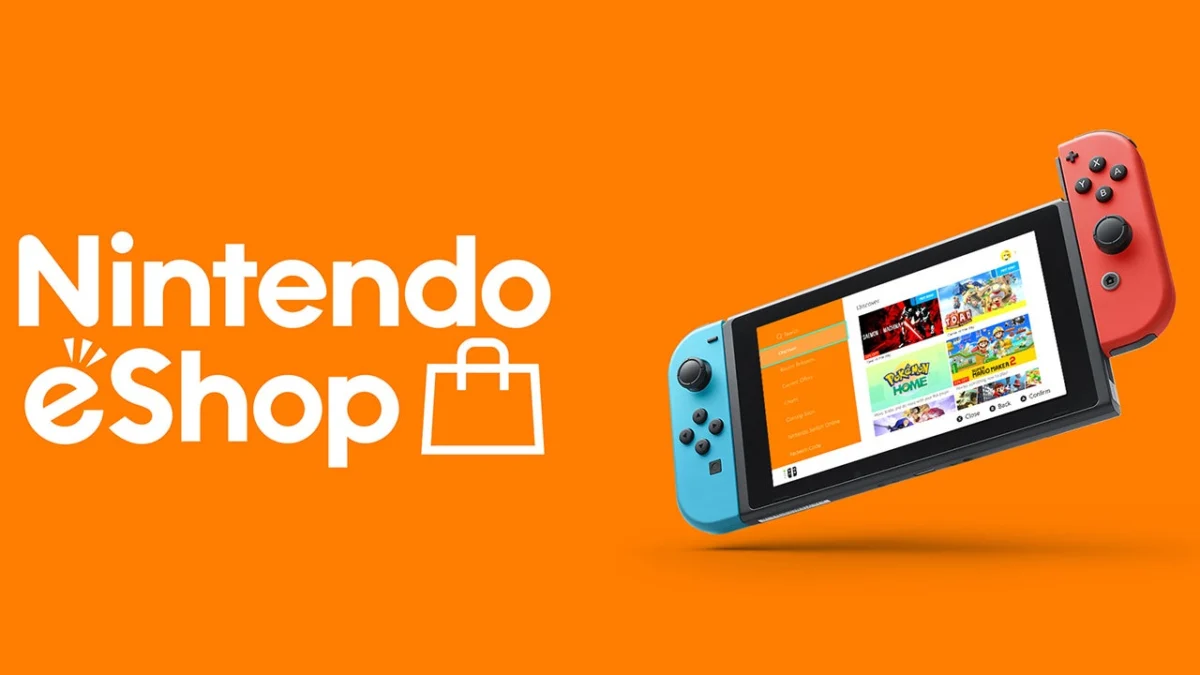
Nintendo has officially deployed system update Ver. 22.5.0 for the original Nintendo Switch family of systems, introducing a comprehensive reconstruction of the Nintendo eShop that fundamentally alters how users interact with the digital storefront. This update, which applies to the standard Nintendo Switch, the Nintendo Switch Lite, and the Nintendo Switch OLED model, marks one of the most significant functional improvements to the console’s software environment since its launch in 2017. While the gaming industry has largely shifted its focus toward the high-performance capabilities of the recently released Switch 2, Nintendo’s decision to overhaul the legacy hardware’s digital infrastructure signals a long-term commitment to maintaining the original platform’s massive active user base, which is currently approaching the 20-million-unit sales mark for the current fiscal period.
The centerpiece of Ver. 22.5.0 is the transition of the Nintendo eShop from a web-based "wrapper" application to a localized, native app environment. For years, the original eShop was criticized for its sluggish performance, characterized by significant input lag, slow-loading assets, and frequent stuttering while scrolling through extensive sales lists. By implementing a local app architecture—mirrored after the streamlined interface found on the Switch 2—Nintendo has effectively eliminated the bottlenecks associated with the previous browser-dependent system. Users now report a "near-instantaneous" response time when navigating categories, viewing game pages, and processing transactions.
Technical Architecture and UI Enhancements
The technical shift from a web-oriented storefront to a native application allows the Nintendo Switch hardware to allocate resources more efficiently. Previously, the eShop functioned essentially as a specialized web browser window, which struggled to manage the thousands of thumbnails and metadata entries required for a library that now exceeds 11,000 titles. The new native application utilizes the console’s onboard processing power to cache assets more effectively, resulting in fluid vertical and horizontal scrolling.
In addition to the performance gains, the update introduces aesthetic parity with the console’s system-level settings. The eShop now natively supports the "Basic Dark" theme, a feature long requested by the community. If a user has their console set to Dark Mode, the eShop will automatically adopt a matching high-contrast dark aesthetic, reducing eye strain during night-time browsing and offering a more cohesive visual experience. This update also brings "general system stability improvements," a standard inclusion in Nintendo patches that, in this instance, appears to address memory management issues that occasionally led to eShop crashes during prolonged browsing sessions.
Enhanced Security and Parental Controls
Beyond performance, Ver. 22.5.0 introduces critical quality-of-life improvements regarding security and financial transactions. The update adds the ability for users to set up a four-digit PIN code specifically for eShop access and the use of saved payment methods. Prior to this, users were required to either enter their full Nintendo Account password for every purchase—a cumbersome process on a virtual keyboard—or leave the storefront entirely open, which posed a security risk in households with children.
The new PIN system strikes a balance between convenience and security. It allows primary account holders to quickly authorize purchases while preventing unauthorized "accidental" buys by younger family members. This feature aligns the original Switch’s security protocols with modern digital storefront standards seen on competing platforms and mobile devices. Industry analysts suggest that by reducing the "friction" of the purchase process—making it faster to browse and easier to securely pay—Nintendo may see a measurable uptick in digital software attachments among the original Switch’s 140 million+ lifetime users.
Historical Context and the Evolution of the eShop
To understand the significance of this update, one must look at the chronology of Nintendo’s digital evolution. The original Nintendo Switch eShop was designed at a time when the digital library was a fraction of its current size. In 2017, the storefront was praised for its minimalism, but as the "indie revolution" brought thousands of titles to the platform, the HTML5-based infrastructure began to buckle under the weight of the content.
Between 2018 and 2024, the eShop became a point of contention for the "Nindie" community. Developers frequently expressed concerns that their games were being buried because the storefront was too slow for users to browse deep into the "Great Deals" or "New Releases" sections. While Nintendo introduced search filters and a "Wishlist" function, the underlying performance issues remained. The release of the Switch 2 in the summer of 2026 introduced a high-speed, native storefront that highlighted just how dated the original Switch’s experience had become. System Update 22.5.0 finally bridges that gap, ensuring that the transition between the two generations of hardware feels seamless for users who still operate both devices.
Market Data and Strategic Implications
The timing of this update is particularly noteworthy given the current hardware landscape. According to recent sales forecasts for the fiscal year ending March 2027, the original Nintendo Switch continues to move significant volume, bolstered by its lower price point and an expansive library of evergreen titles. With production ramping up to meet a target of nearly 20 million units for the fiscal year, the original Switch is far from a "legacy" product in the traditional sense; it remains a primary revenue driver for Nintendo’s software division.
Data from market research firms indicates that digital sales now account for over 50% of Nintendo’s total software revenue. By optimizing the eShop, Nintendo is directly investing in its most profitable sales channel. A faster interface reduces "bounce rates"—the frequency with which a user leaves a store without making a purchase due to frustration or slow load times. For a platform with a library as vast as the Switch’s, discoverability is tied directly to performance. If a user can scroll through 200 discounted games in 30 seconds rather than three minutes, the probability of a transaction increases exponentially.
Industry and Community Reactions
The response from the gaming community has been overwhelmingly positive. Daniel Vuckovic, a prominent figure in the Nintendo reporting space, shared side-by-side comparisons on social media demonstrating the "night and day" difference in load times. Community forums such as Reddit and Famitsu have seen a surge in user reports confirming that the "stutter" that had plagued the eShop for over half a decade has been effectively resolved.
Third-party developers have also voiced quiet approval. "A faster storefront means more eyes on more games," noted one independent publisher during a recent industry panel. "When the store is slow, people only buy what’s on the front page. When the store is fast, they explore. Exploration is the lifeblood of the indie scene on Switch."
Future Outlook: The Dual-Platform Strategy
As Nintendo moves further into the 2027 fiscal year, the strategy appears to be one of "coexistence" rather than "replacement." By backporting the software efficiencies of the Switch 2’s digital environment to the original Switch, Nintendo is ensuring that the older hardware remains a viable, premium-feeling device for several more years. This is particularly important for the Nintendo Switch Lite, which remains a popular entry-level handheld for younger demographics and emerging markets.
The Ver. 22.5.0 update serves as a rare example of a console manufacturer providing a major "under-the-hood" overhaul to a device that is technically in the twilight of its primary lifecycle. It reaffirms Nintendo’s unique position in the market: maintaining a massive, loyal install base by refining the user experience even as the next generation of hardware takes center stage. For the millions of users who still rely on the original Switch for their daily gaming, the "new" eShop is not just a patch—it is a significant upgrade that makes the console feel modern once again.
As the digital landscape continues to evolve, the ability to quickly and securely access content will remain the most critical component of hardware longevity. With this update, Nintendo has secured the original Switch’s relevance for the foreseeable future, ensuring that the "Red and Blue" (and OLED) consoles remain a cornerstone of the gaming ecosystem well into the late 2020s.