
Long before the advent of modern Hollywood blockbusters and their interconnected cinematic universes, Japanese film studios were pioneers in the art of the extended franchise. This approach, far from being limited to specific genres, proved remarkably versatile, finding success in yakuza epics, samurai tales, lighthearted buddy comedies, narratives centered on the everyday salaryman, and even family-friendly holiday releases. The episodic nature of manga, a rich source of inspiration, lent itself particularly well to this serial storytelling. While many productions opted for the strategy of reusing popular actors in different roles across various installments – a technique seen in series like "Stray Cat Rock" or "Code Between Brothers" – a significant number of films chose to follow the same characters through multiple adventures, with the same actors embodying their roles across numerous features. This article explores cinematic series where actors have reprised the same character in five or more films, encompassing theatrical releases, direct-to-video productions (V-Cinema), and even television specials, presented in alphabetical order.
Abashiri Prison: A Decades-Long Incarceration
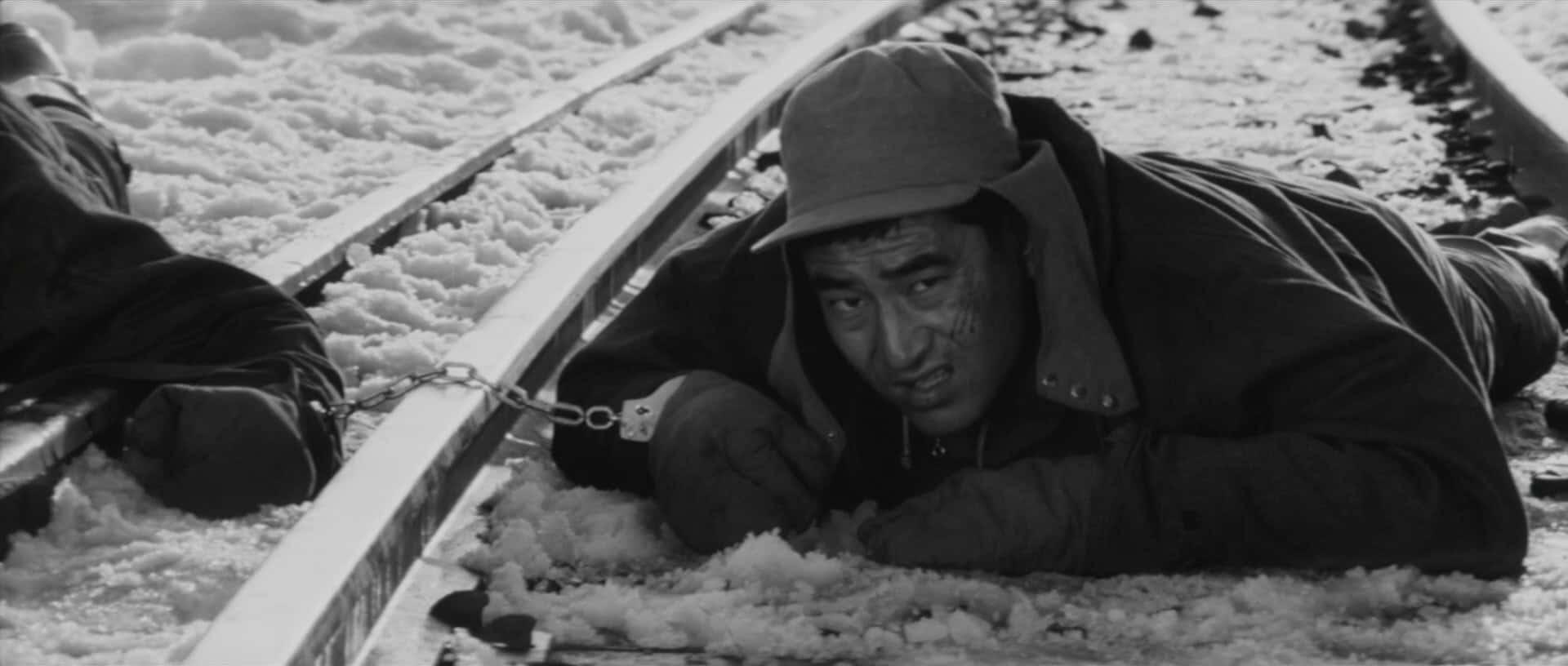
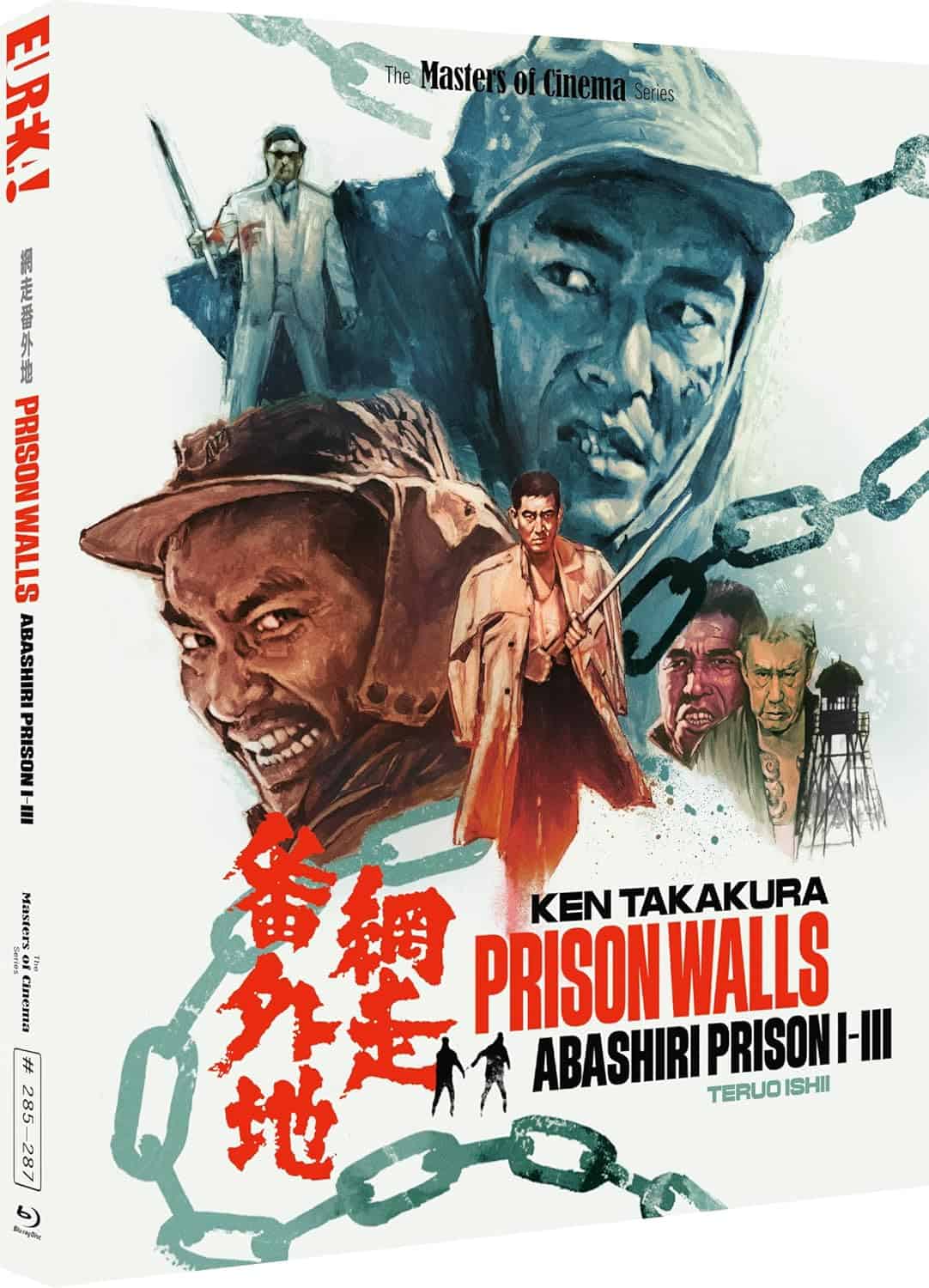
The sprawling and infamous Abashiri Prison served as the backdrop for the enduring "Abashiri Prison" film series. Kicking off in 1965 with Teruo Ishii’s directorial debut, "Abashiri Prison," the franchise starred the legendary Ken Takakura as Shinichi Tachibana. Inspired by the novel of the same name by Hajime Ito, the initial film spawned an astonishing 17 sequels. The first ten of these installments saw Ishii return to the director’s chair, with Takakura consistently portraying Tachibana over a three-year period. The subsequent seven films, released over the following five years, were helmed by different directors but featured Takakura’s return, this time stepping into the role of Suehiro Katsuji. This extended run highlights a commitment to a singular star carrying the narrative weight of the series, a testament to Takakura’s immense popularity and acting prowess. The series’ longevity, spanning over a decade and multiple directorial changes, underscores its significant cultural impact and its ability to resonate with audiences through the continuous presence of its central performer.
Battles Without Honour and Humanity: Redefining the Yakuza Genre
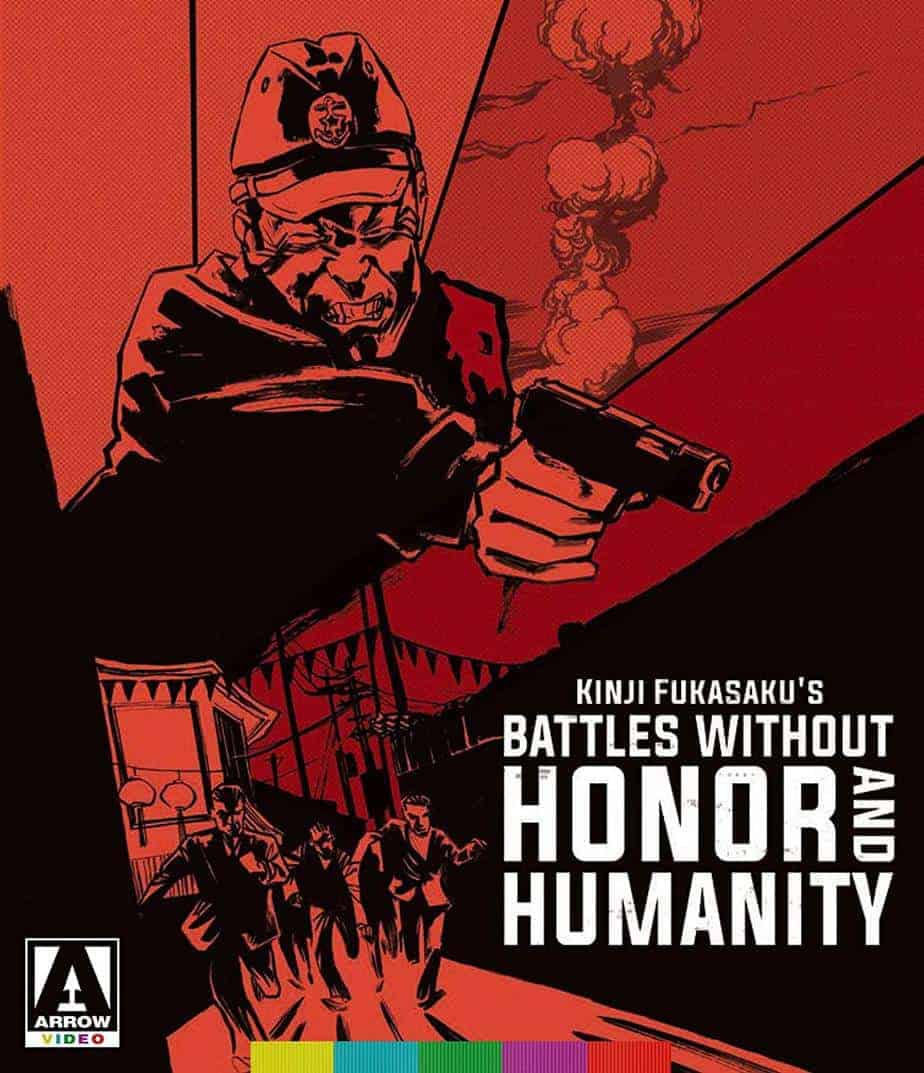
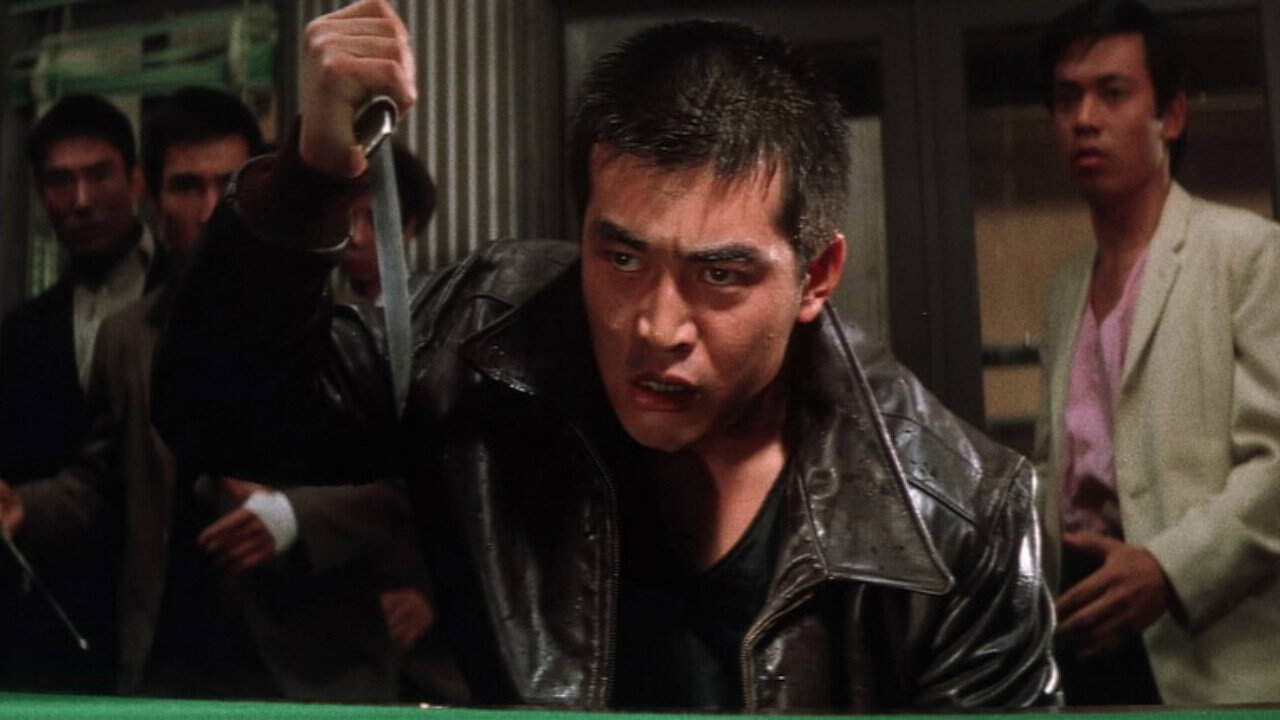
Kinji Fukasaku’s seminal "Battles Without Honour and Humanity" saga is a cornerstone of Japanese cinema, renowned for its unflinching portrayal of the yakuza underworld. While the series features numerous actors reprising roles and sometimes even portraying multiple characters, the constant thread through the original five films is Bunta Sugawara’s indelible performance as Shozo Hirono. Hirono is a fictionalized representation of the real-life ex-yakuza Kozo Mino, whose writings served as the basis for the series. This groundbreaking franchise irrevocably altered the landscape of gangster films. It transitioned the genre away from the idealized "ninkyo" (chivalrous) films, which emphasized themes of loyalty and brotherhood, towards the gritty, violent, and hyper-realistic "jitsuroku" (true accounts) style. The critical and commercial success of these films, released between 1973 and 1974, cemented the jitsuroku subgenre and established Sugawara as a leading figure in portraying the complexities and brutality of organized crime. The rapid production schedule, with five films released in just over a year, speaks to the immense demand and the filmmakers’ ability to capture the zeitgeist of post-war Japan’s social and criminal undercurrents.
Bayside Shakedown: From Television to Cinematic Phenomenon
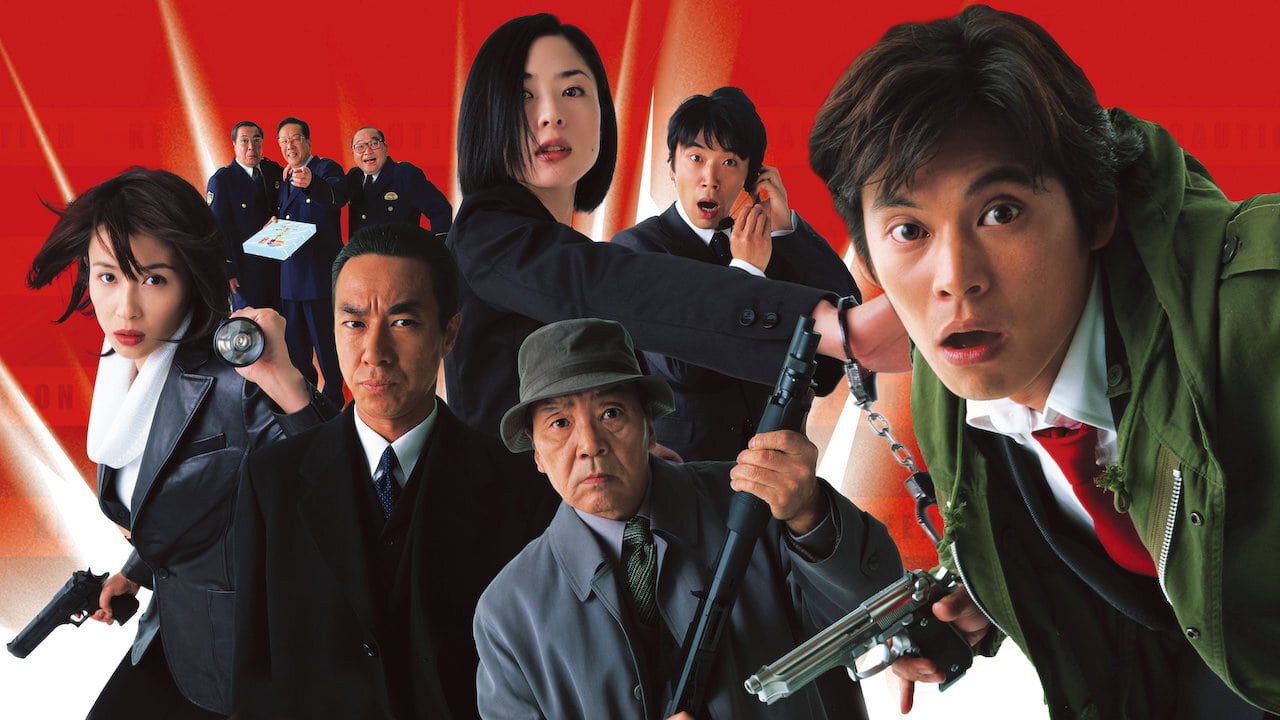
The "Bayside Shakedown" franchise originated as an 11-episode police detective comedy-drama television series that proved so successful it led to three TV specials before making the leap to the big screen with four theatrical releases. The universe further expanded with an additional TV special movie, two theatrical spin-offs, a TV spin-off special, and even a stage play. A key element contributing to the series’ enduring appeal has been the consistent presence of its beloved original cast. Yuji Oda led the charge as the young detective Shunsaku Aoshima in the TV specials and theatrical films. Alongside him, a core ensemble of recurring cast members became synonymous with the franchise: Toshiro Yanagiba as the fan-favorite Shinji Muroi, Eri Fukatsu as Sumire Onda, Chosuke Ikariya as Heihachiro Waku, Miki Mizuno as Yukino Kashiwagi, and Yusuke Santamaria as Masayoshi Mashita. This ensemble continuity, stretching across multiple mediums and over several years, fostered a deep connection with the audience, making the characters feel like familiar friends navigating the often chaotic world of Tokyo’s police force. The series’ ability to blend humor, drama, and realistic police procedural elements contributed to its massive popularity in Japan.
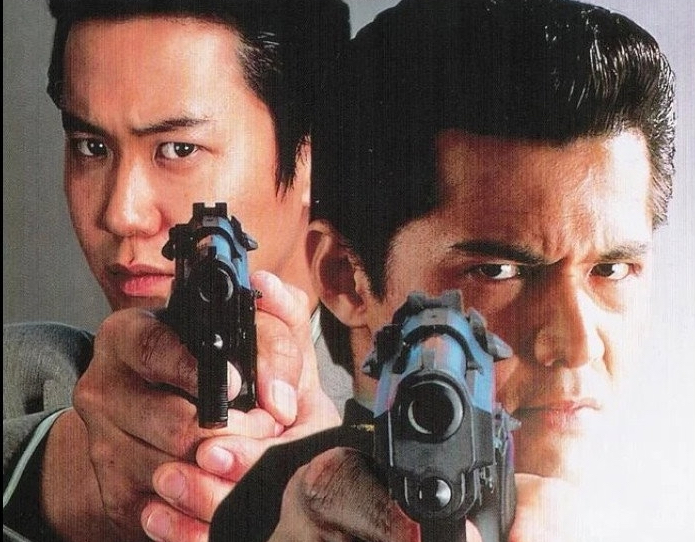
Jingi and King of Minami: The V-Cinema Powerhouses of Riki Takeuchi
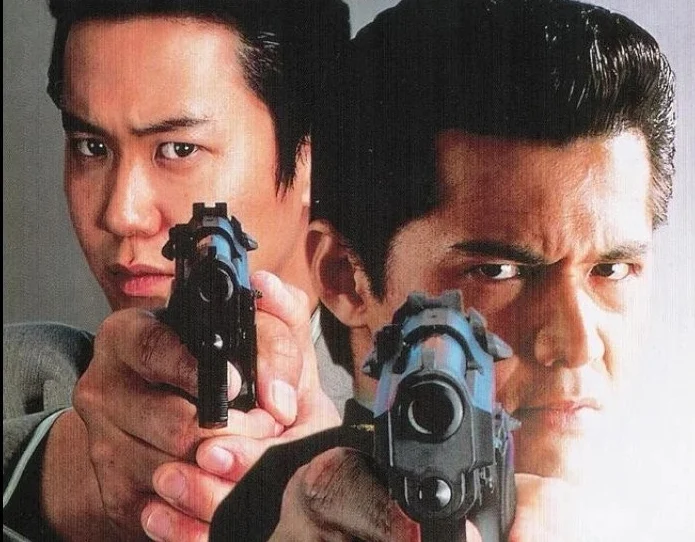
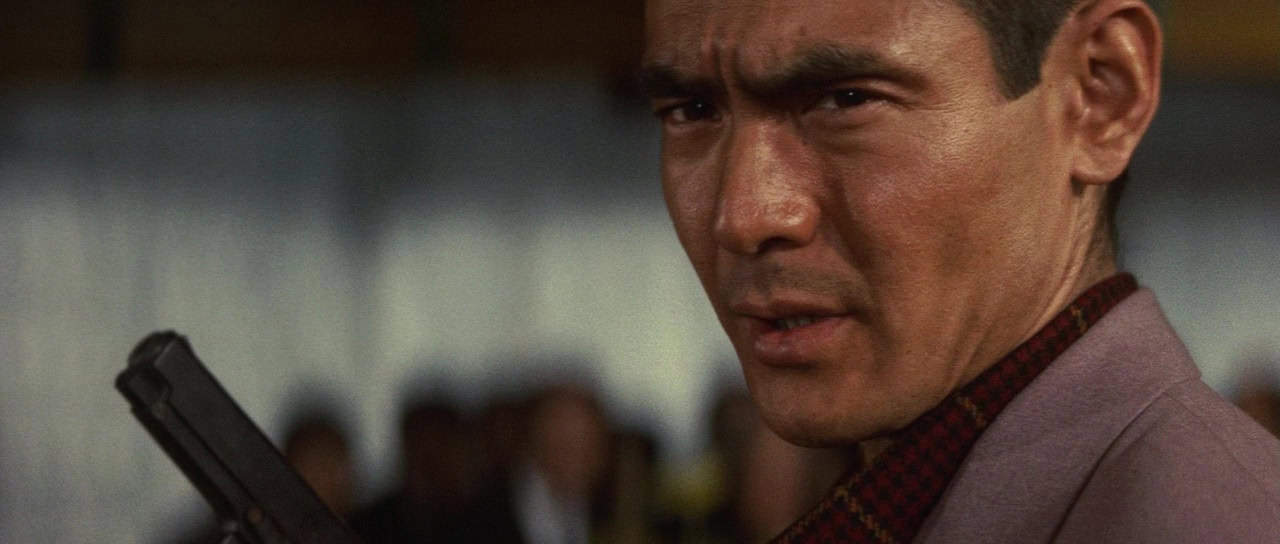
While detailed information in English remains scarce due to limited international releases, the "Jingi" series warrants significant mention for its prolific output and its role in defining the career of V-Cinema icon Riki Takeuchi. This extensive yakuza film series, estimated to comprise around 57 movies, began with a less-than-stellar theatrical release before finding its true home in the direct-to-video market. The core of the "Jingi" narrative features Riki Takeuchi as gang boss Hitoshi Kamibayashi and Toshihiko Sakakibara as Yoshiro Yazaki, engaged in constant battles against rival gangs and other adversaries.
Running parallel in its impact and scale is the "King of Minami" (Minami no Teio) series, also a V-Cinema staple. This franchise is based on one of the longest-running manga series, which has amassed over 178 volumes since its inception in 1992. Consequently, its film adaptation has become one of the longest-running series in cinematic history. Starring Riki Takeuchi as Ginjiro Manda, a shrewd loan shark deeply embedded within Osaka’s yakuza circles, the series experienced modest performance in its initial theatrical releases but achieved substantial popularity in the direct-to-video realm. It ultimately amassed a staggering 60 films, many of which were directed by Sadaaki Haginiwa. The sheer volume of films in both "Jingi" and "King of Minami" underscores the significant market for these gritty, character-driven crime dramas within Japan, and Riki Takeuchi’s consistent presence cemented him as a leading man in this specific sector of the film industry.
Lone Wolf and Cub: An Iconic Father-Son Duo
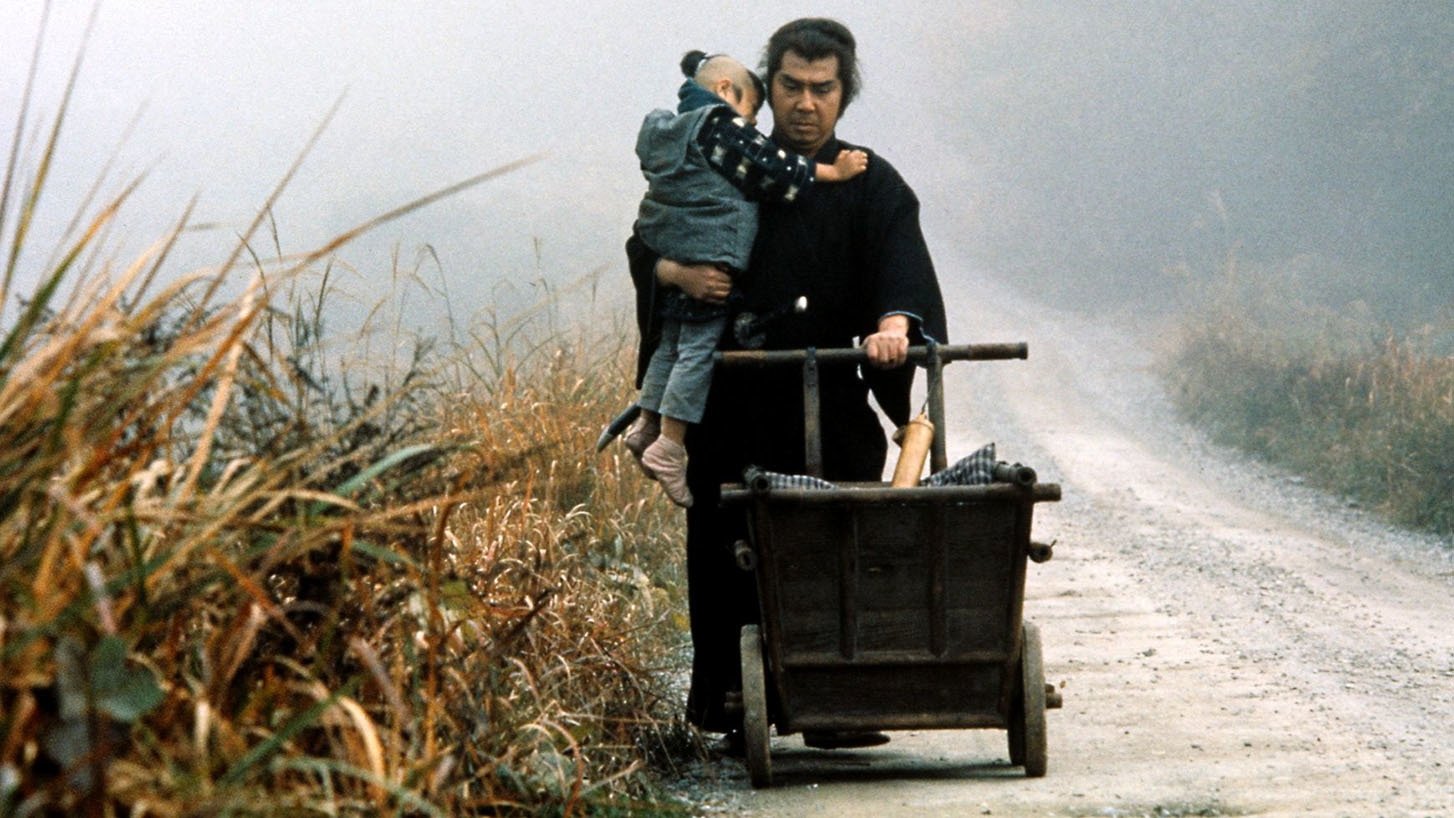
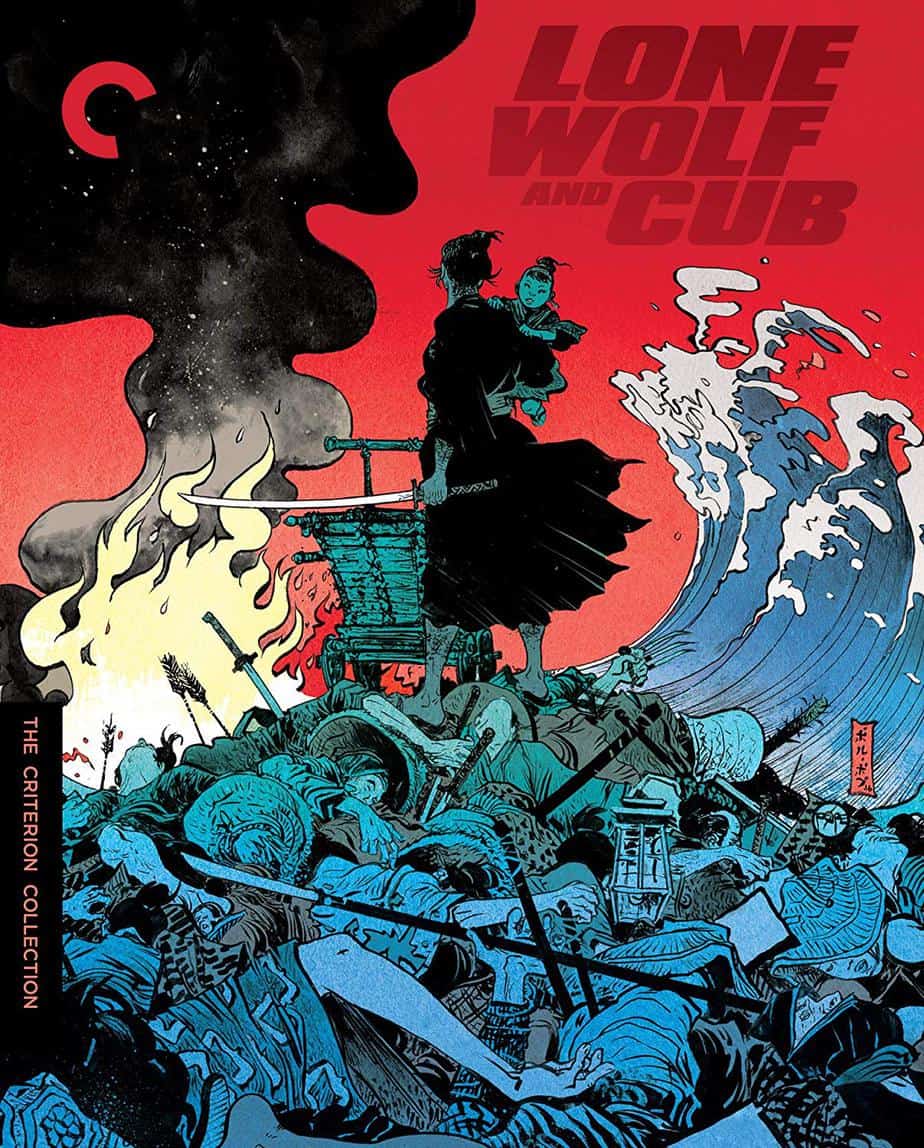
One of the most influential manga series ever created, Kazuo Koike’s "Lone Wolf and Cub," was a natural fit for live-action adaptation. Toho greenlit a feature film in 1972, helmed by Kenji Misumi, the visionary director who had previously launched the "Zatoichi" series. The film starred Tomisaburo Wakayama, elder brother of "Zatoichi" actor Shintaro Katsu, as the stoic warrior Ogami Itto, and the young Akihito Tomikawa as his son, Daigoro. The immense box-office success of the initial film immediately paved the way for sequels, resulting in one of Japan’s most memorable and iconic action film series. Wakayama’s portrayal of Ogami Itto is widely considered his signature role, capturing the essence of a disgraced executioner who travels Japan as an assassin to support his son and seek vengeance. The six films released between 1972 and 1974, all starring Wakayama and Tomikawa, established a powerful father-son dynamic that resonated deeply with audiences and influenced countless action narratives that followed.
Nihon Toitsu: The Ongoing Saga of Unification
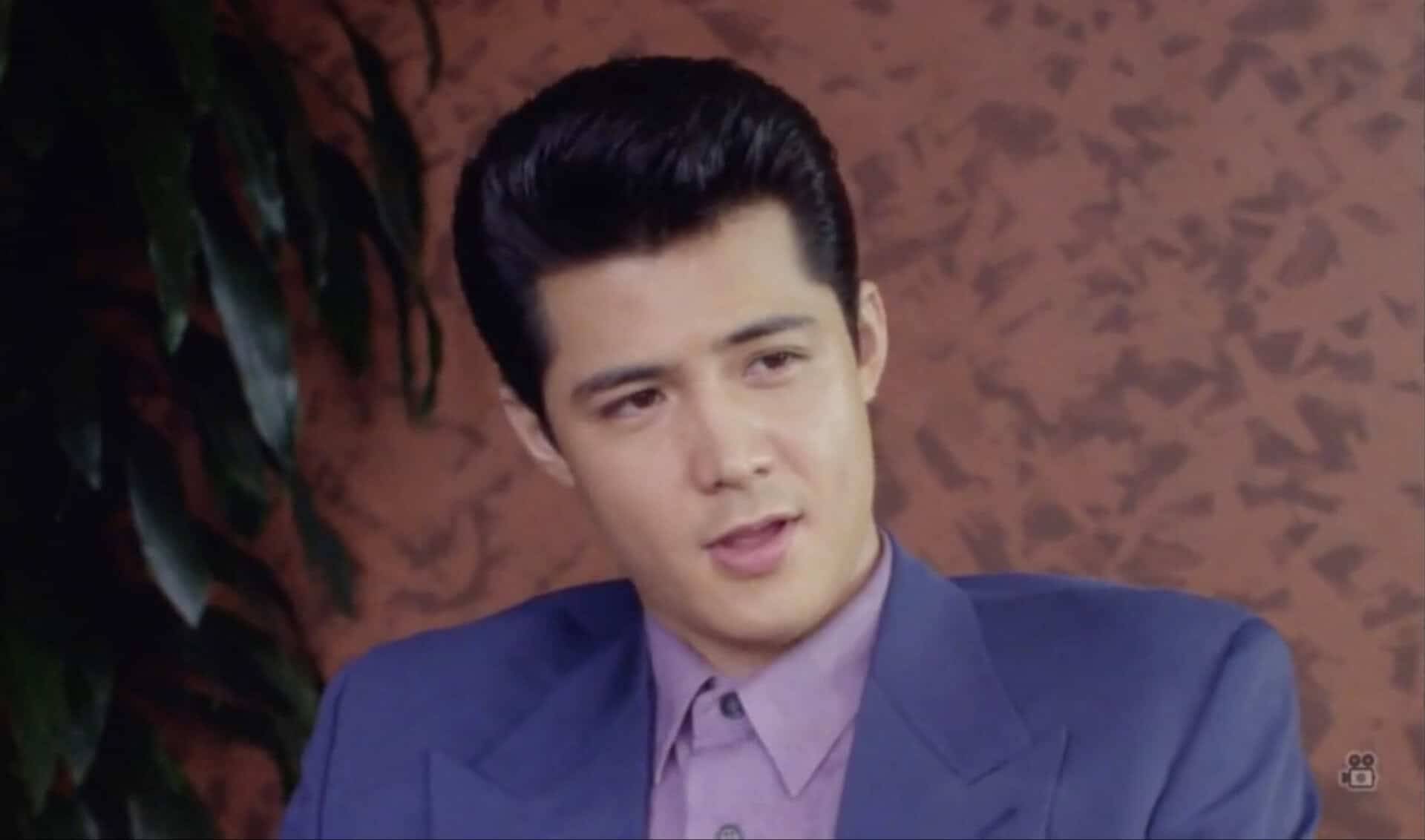
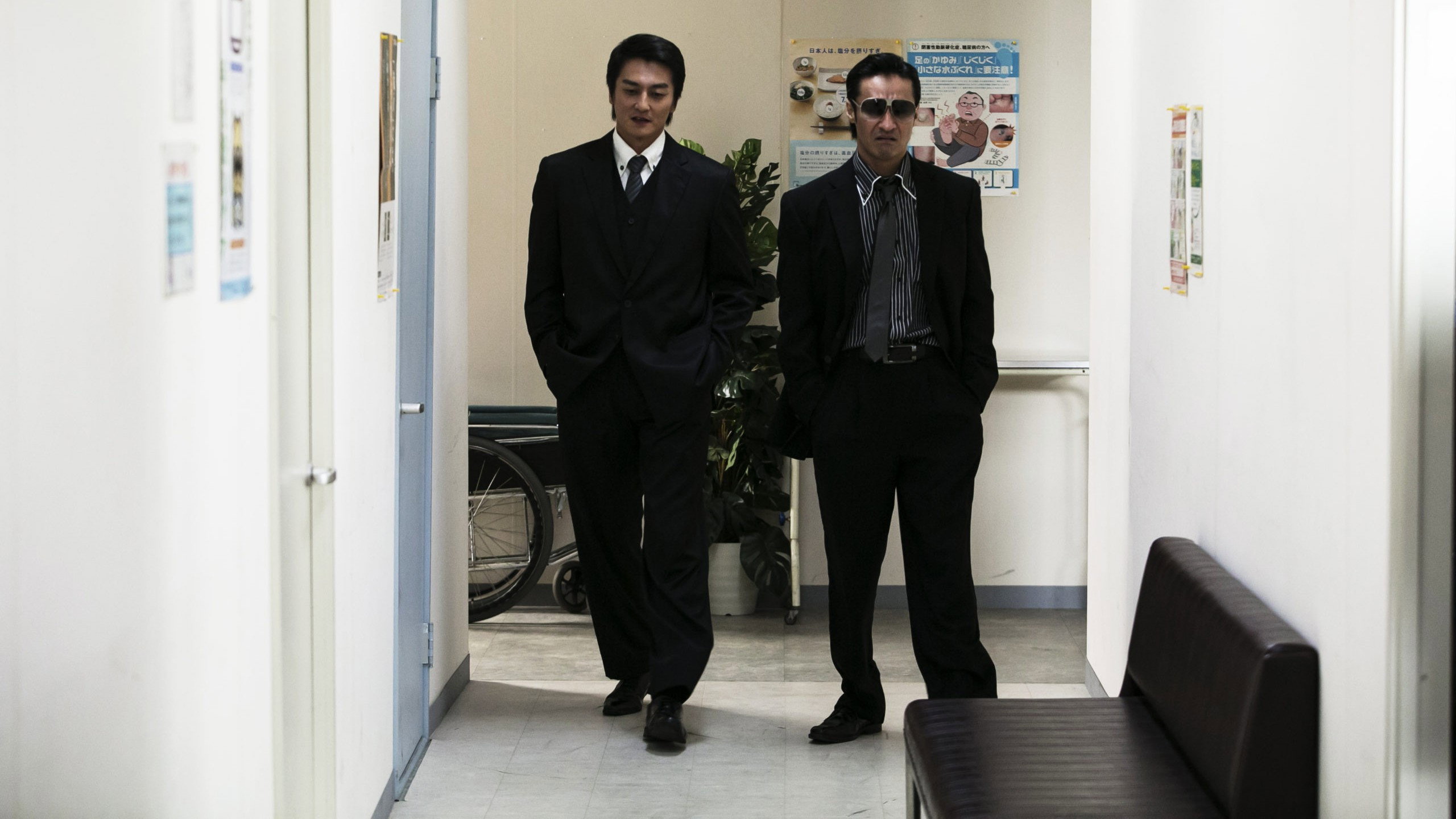
The "Nihon Toitsu" (also known as "Unification of Japan") series stands as a titan of V-Cinema, arguably the longest-running yakuza film franchise and remarkably, still ongoing. With approximately 75 films in its core lineup and numerous theatrical spin-offs, TV series, and character-focused entries, the saga commenced in 2013, with the latest installments being released annually. The narrative centers on Kenji Himuro and Yuto Tamura, two ambitious delinquents from Yokohama who ascend through the ranks of Kobe’s Kyowakai gang, striving for dominance within the yakuza and ultimately aiming for the unification of Japan’s underworld. Yasukaze Motomiya and Hitoshi Ozawa embody Himuro and Tamura, respectively, throughout the series. Their palpable chemistry, fueled by their genuine friendship off-screen, is frequently cited as a significant strength of the franchise, lending an authentic dynamic to their on-screen partnership. The series’ continued production and its consistent casting highlight the enduring appeal of its central characters and its deep roots within the V-Cinema market.
Tora-san: The Man Who Couldn’t Stay Put
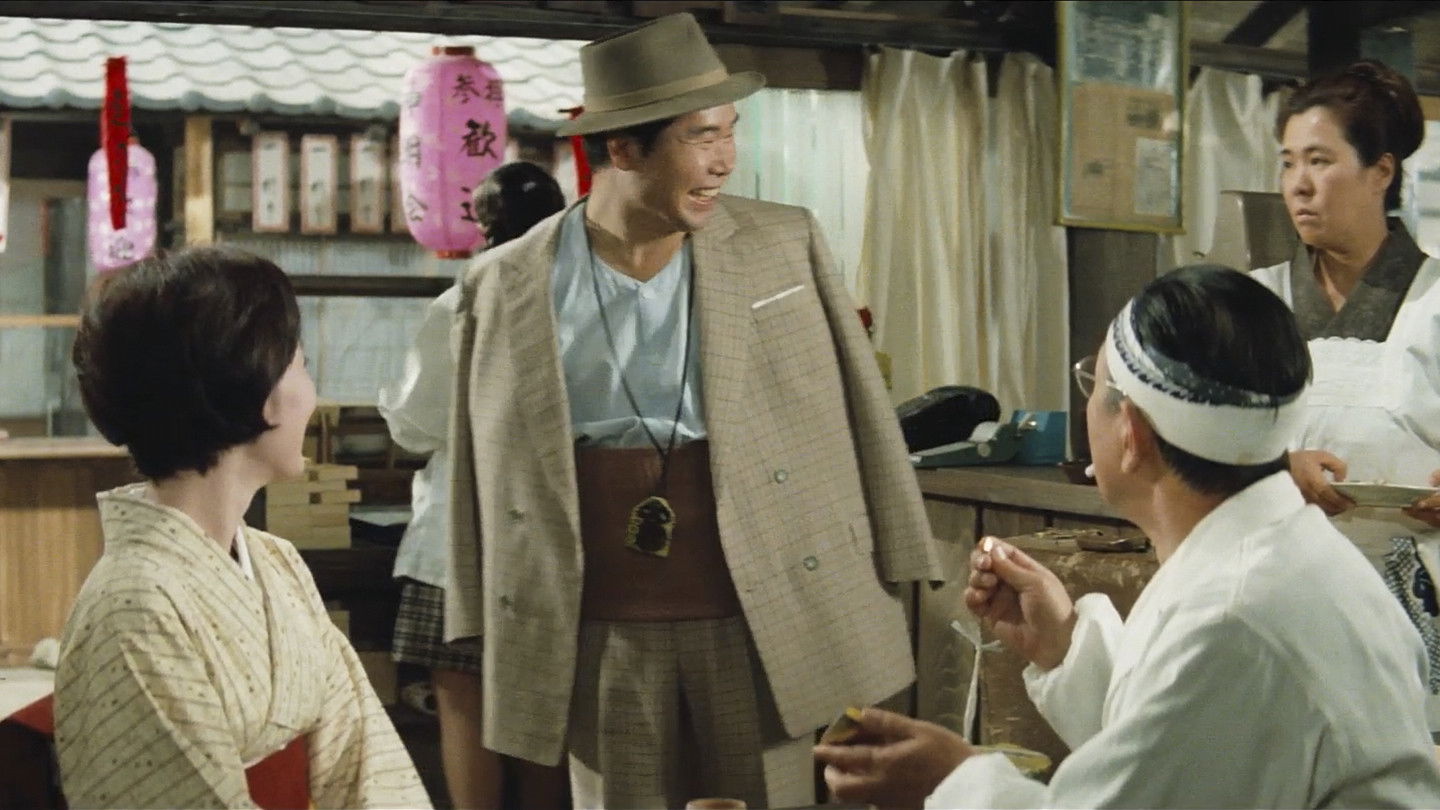
Following a brief but popular television drama, Shochiku greenlit "Otoko Wa Tsurai Yo" (It’s Tough Being a Man), a feature film that would ultimately launch one of the most beloved and longest-running film series in cinematic history. Yoji Yamada wrote and directed, with Kiyoshi Atsumi reprising his role as Torajiro Kuruma, affectionately known as Tora-san. This single feature film initiated a series that would span 48 theatrical releases during Atsumi’s lifetime, with two additional films released posthumously. This remarkable achievement makes the Tora-san series the longest-running theatrically released film series of all time. Shochiku’s ambitious strategy of releasing two films annually – one for summer and one for the New Year holiday – sustained the series’ momentum until the 1990s, after which it scaled back to one release per year. While the narrative structure consistently introduced a new romantic interest for Tora-san, a core group of characters and their actors remained constants, including Chieko Baisho as his sister Sakura and Gin Maeda as her husband Hiroshi. This blend of episodic romance and consistent character relationships created a comforting and familiar viewing experience for audiences across generations.
Outlaw Gangster VIP: Bridging Eras of Yakuza Cinema
Based on the autobiographical accounts of real-life ex-yakuza Goro Fujita, "Outlaw Gangster VIP" starred Nikkatsu’s leading man Tetsuya Watari as a portrayal of Fujita himself. The film is widely considered a crucial bridge between the chivalrous "ninkyo eiga" and the later, more brutal "jitsuroku eiga," paving the way for franchises like Kinji Fukasaku’s "Battles Without Honour and Humanity," which was also inspired by the writings of a former yakuza. Nikkatsu, recognizing the film’s potential, immediately commissioned sequels. Five of the six "Outlaw" films, all featuring Watari as Goro Fujita, were released in 1968 alone. Chieko Matsubara also played a significant role, returning as the female lead in all entries, though portraying different characters in each. This rapid production cycle and the film’s thematic evolution marked a significant shift in the portrayal of yakuza characters, moving towards a grittier and more morally ambiguous representation.
Red Peony Gambler: A Star-Making Turn for Junko Fuji
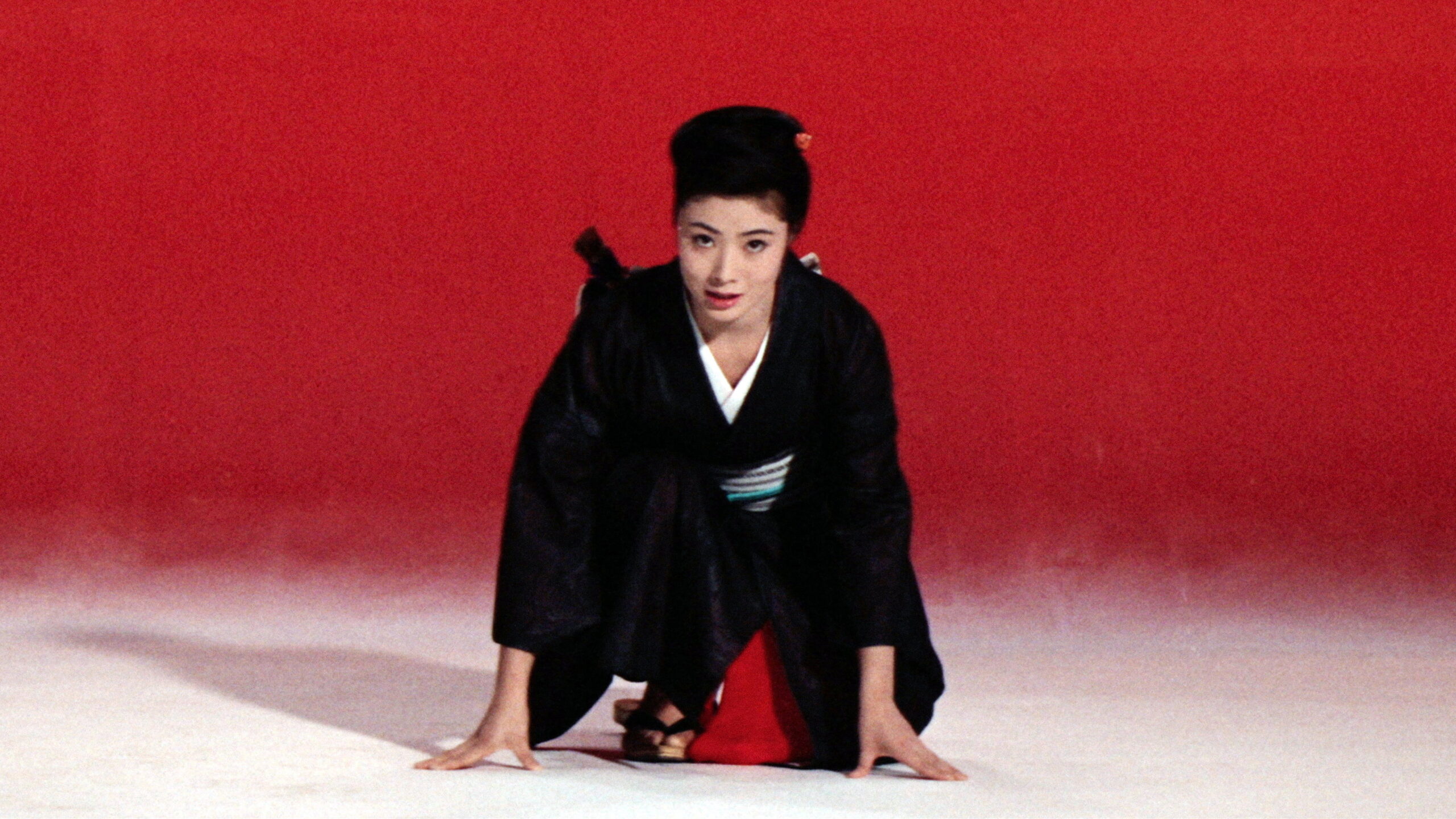
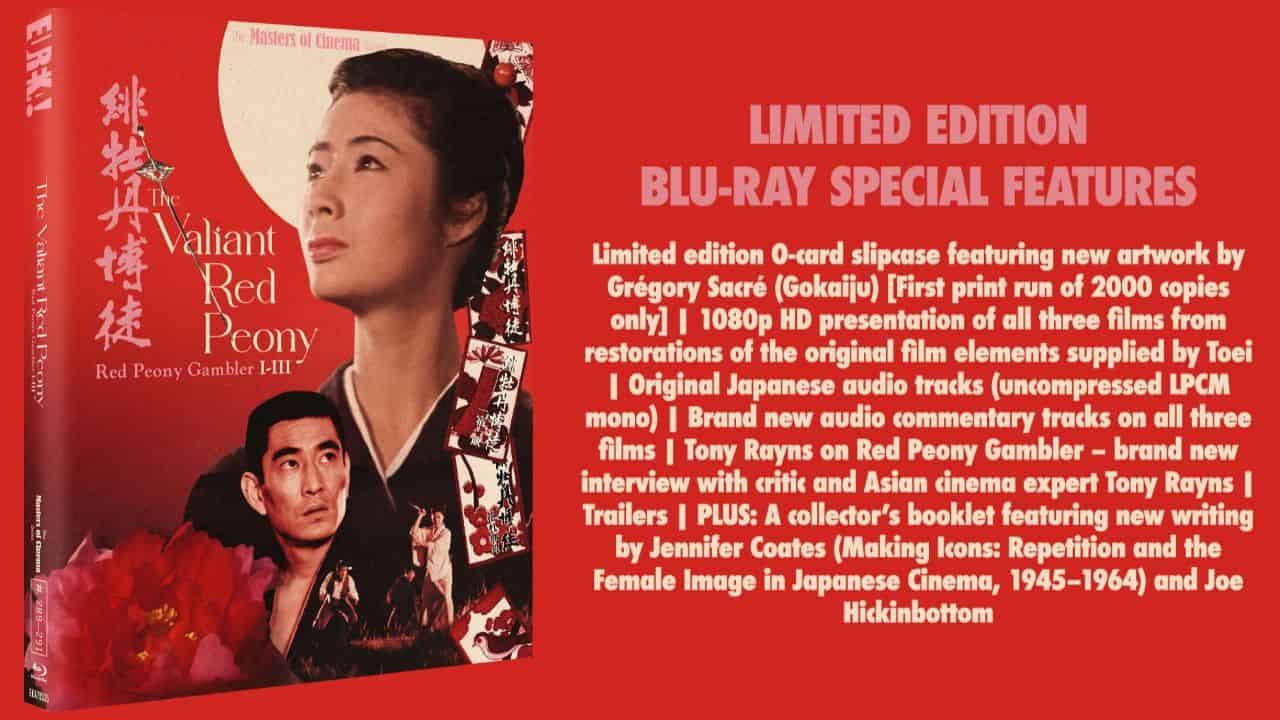
Conceptualized as a direct competitor to Daiei Studio’s "Woman Gambler" series, the 1968 film "Red Peony Gambler" marked actress Junko Fuji’s first leading role. Despite having already appeared in nearly 50 Toei productions, this film propelled her to superstardom. Toei’s confidence in the film’s success was so profound that sequels were commissioned even before the original’s release. According to screenwriter Norifumi Suzuki, who later directed the second installment, the script for the immediate sequel was already 70% complete prior to the first film’s premiere. The series ultimately comprised eight entries, helmed by directors such as Suzuki, Tai Kato, Kosaku Yamashita, Buichi Saito, and Shigehiro Ozawa. Throughout these films, Fuji consistently portrayed Oryu the Red Peony, a formidable female gambler carving out her niche in the male-dominated yakuza world. The series’ popularity also spawned a short-lived duology spin-off featuring Tomisaburo Wakayama’s recurring character, demonstrating the franchise’s broad appeal and its ability to generate related content.
Rurouni Kenshin: A Manga Masterpiece on Screen
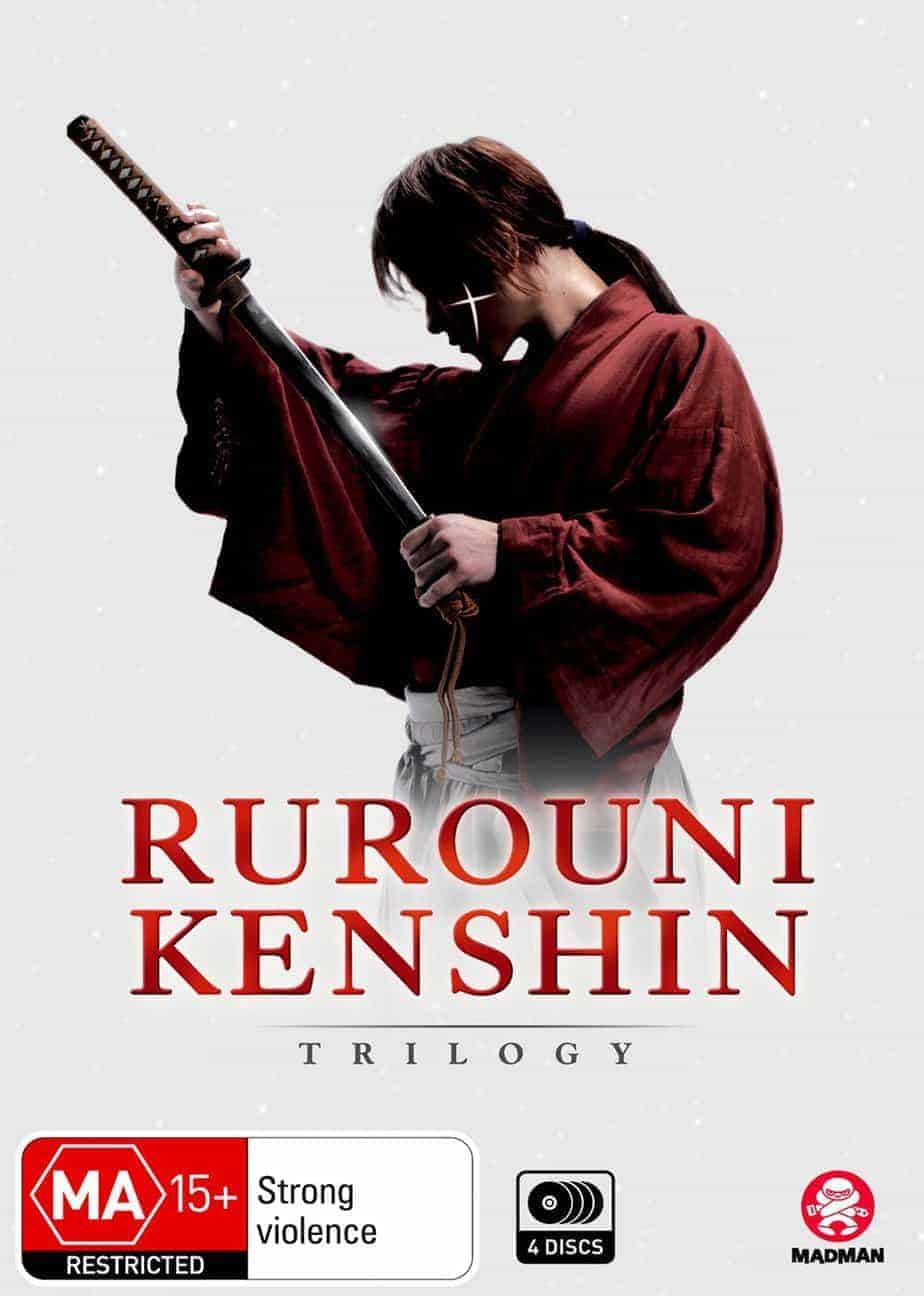
Nobuhiro Watsuki’s immensely popular chanbara manga, "Rurouni Kenshin," which had previously received an anime adaptation in the late 1990s, was brought to the big screen in 2012 by director Keishi Otomo. Takeru Satoh took on the iconic role of Himura Kenshin, the wandering ronin marked by a distinctive cross-shaped scar on his cheek. Always envisioned as a potential series, the initial 2012 film was followed by two immediate sequels over the subsequent two years. As fans believed the story had concluded, Warner Bros. Japan later announced two more films, which were released in 2021, providing a fitting conclusion to Kenshin’s saga within this cinematic iteration. While a number of actors reprised their roles across four of the five films, the final installment served as a prequel. Consequently, only Takeru Satoh as Kenshin and Yosuke Eguchi as Saito Hajime appear in all five entries, showcasing a remarkable consistency in the central performances that anchored the series’ narrative arc.
Shura Ga Yuku: A Heisei-Era Yakuza Epic
Another significant V-Cinema adaptation of a manga, the "Shura Ga Yuku" series, produced 13 films between 1995 and 2000. The series starred Show Aikawa as Hongo Ryuichi, an ambitious yakuza who eschewed traditional loyalty to a single gang, instead prioritizing ruthless advancement to reshape the underworld. His primary antagonist was Masaharu Ino, portrayed by Nagare Hagiwara, an equally ambitious and ruthless gangster. The intense rivalry between these two characters formed the narrative core of all 13 films. Marketed during its era as the "Heisei-era Battles Without Honour and Humanity," the "Shura Ga Yuku" entries are notable for their interconnectedness; they function best as a continuous narrative rather than stand-alone features, a quality mirrored in the committed performances of Aikawa and Hagiwara. This serialized storytelling approach fostered a deep engagement with the characters’ evolving conflict and ambition.
Sleepy Eyes of Death: The Enigmatic Nemuri Kyoshiro
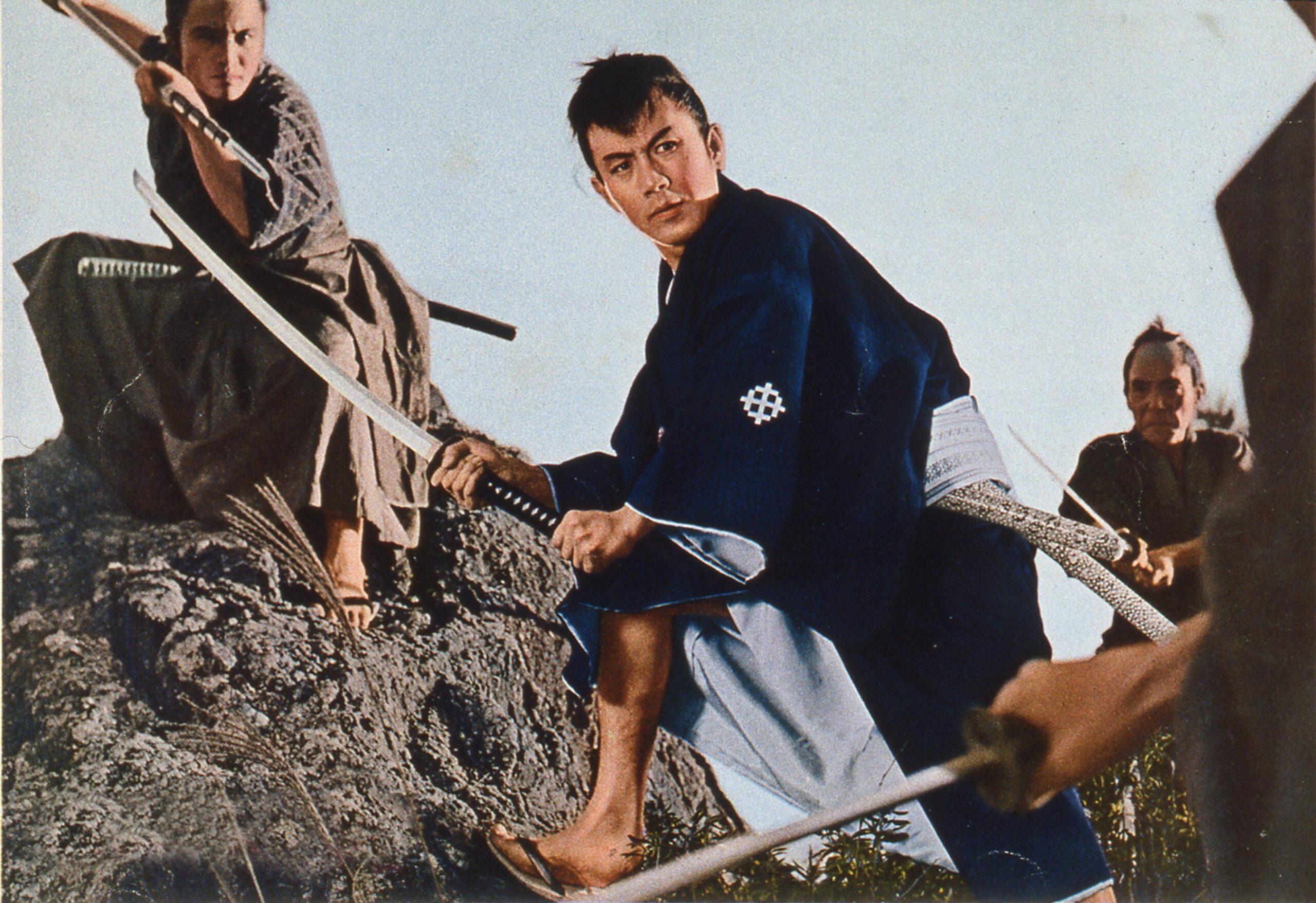
In the 1960s, Daiei Studio was a prolific producer of film series. Building on the success of the "Zatoichi" franchise, which began in 1962, the studio launched another significant series the following year. Based on Renzaburo Shibata’s novel series, "Sleepy Eyes of Death: The Chinese Jade," directed by Tokuzo Tanaka, introduced audiences to Raizo Ichikawa as the titular Nemuri Kyoshiro. Kyoshiro was depicted as a detached, enigmatic anti-hero possessing formidable sword skills. Ichikawa reprised this role in 11 subsequent films, bringing the total to 12 features starring him as Kyoshiro. Two additional films in the series featured Hiroki Matsukata taking over the role. The "Sleepy Eyes of Death" series, characterized by its stylish visuals and Ichikawa’s compelling performance, became a significant success for Daiei and cemented Kyoshiro as a memorable character in Japanese cinema.
Suit Yourself or Shoot Yourself: Kurosawa’s Early V-Cinema Work
Prior to his acclaimed period following films like "Cure," Kiyoshi Kurosawa dedicated a couple of years to producing six V-Cinema releases in the "Suit Yourself or Shoot Yourself" series. The films focused on two low-level yakuza, Fuji Fujita and Kosaku Yoshiyuki, navigating a series of low-stakes predicaments. The series embraced a blend of comedy, buddy movie dynamics, melodrama, and slapstick. While the specific plotlines varied across the six productions, the overarching narrative consistently centered on the developing friendship between Show Aikawa’s Fuji Fujita and Koyo Maeda’s Kosaku Yoshiyuki. This focus on the evolving camaraderie between the two leads provided a consistent emotional anchor amidst the episodic adventures and established Kurosawa’s early aptitude for character-driven narratives, even within the direct-to-video market.
Truck Yaro: The Rolling Road of Friendship and Romance
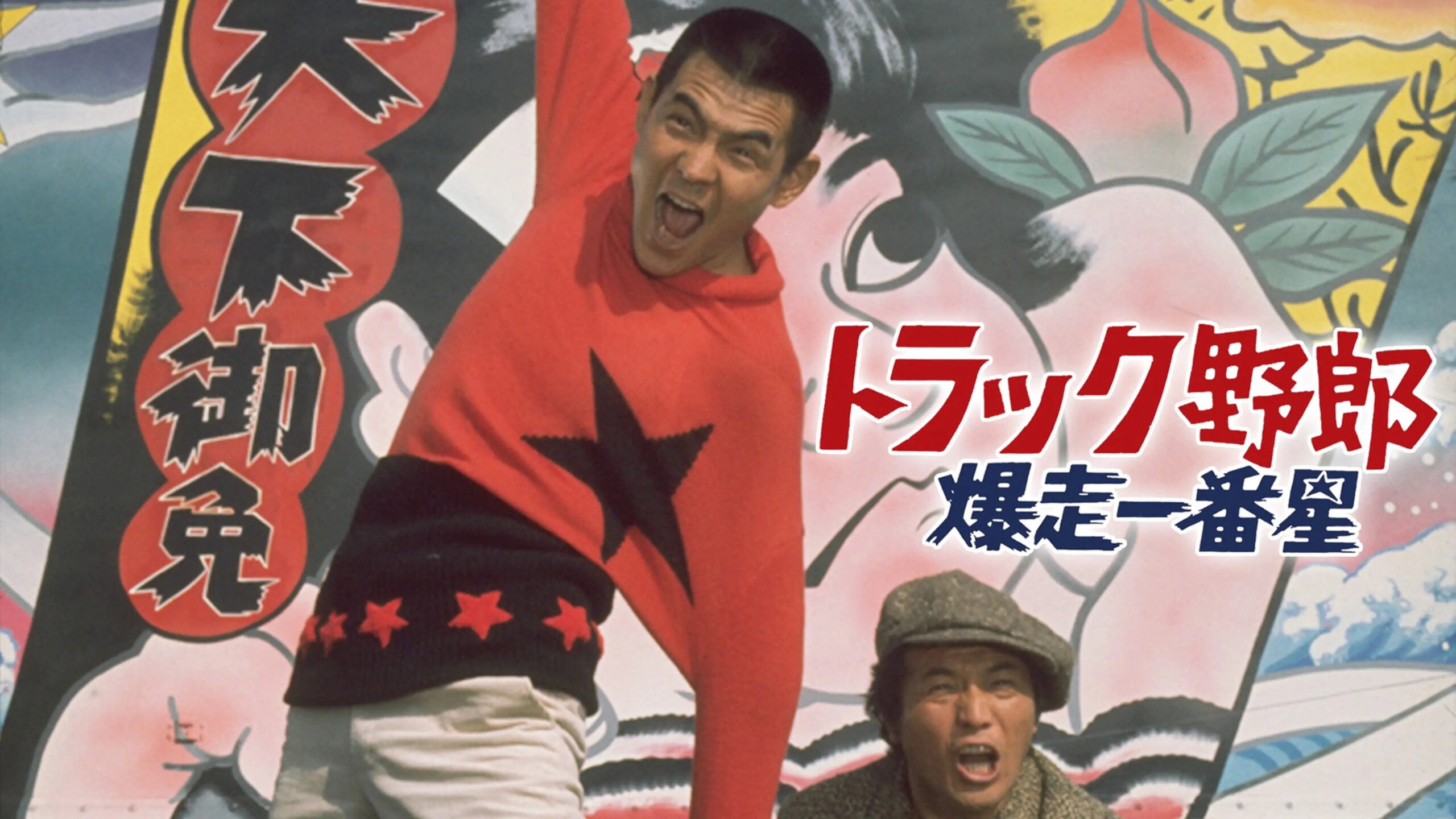
Norifumi Suzuki’s action-comedy "Truck Yaro" series commenced with "Truck Rascals: No One Can Stop Me" in 1975. Over a span of five years, the franchise delivered ten films. Bunta Sugawara and Kinya Aikawa starred as Momojiro Hoshi and Kinzo Matsushita, respectively – two truck drivers whose adventures formed the heart of the series. Similar to the Tora-san films, Momojiro found himself falling for a new "Madonna" in each installment. Invariably, both drivers would race against time to help these women reunite with their true loves. The series was a vibrant showcase of Toei regulars making cameo appearances, including Tomisaburo Wakayama, Kunie Tanaka, Takuzo Kawatani, and Sonny Chiba. The only other actors to feature in all ten films alongside Sugawara and Aikawa were Masumi Harukawa, who played Jonathan’s wife Kimie. The "Truck Yaro" series offered a lighthearted and entertaining glimpse into the lives of long-haul truckers, blending humor, action, and a touch of romance.
Tsuribaka Nisshi: The Enduring Appeal of Fishing and Friendship
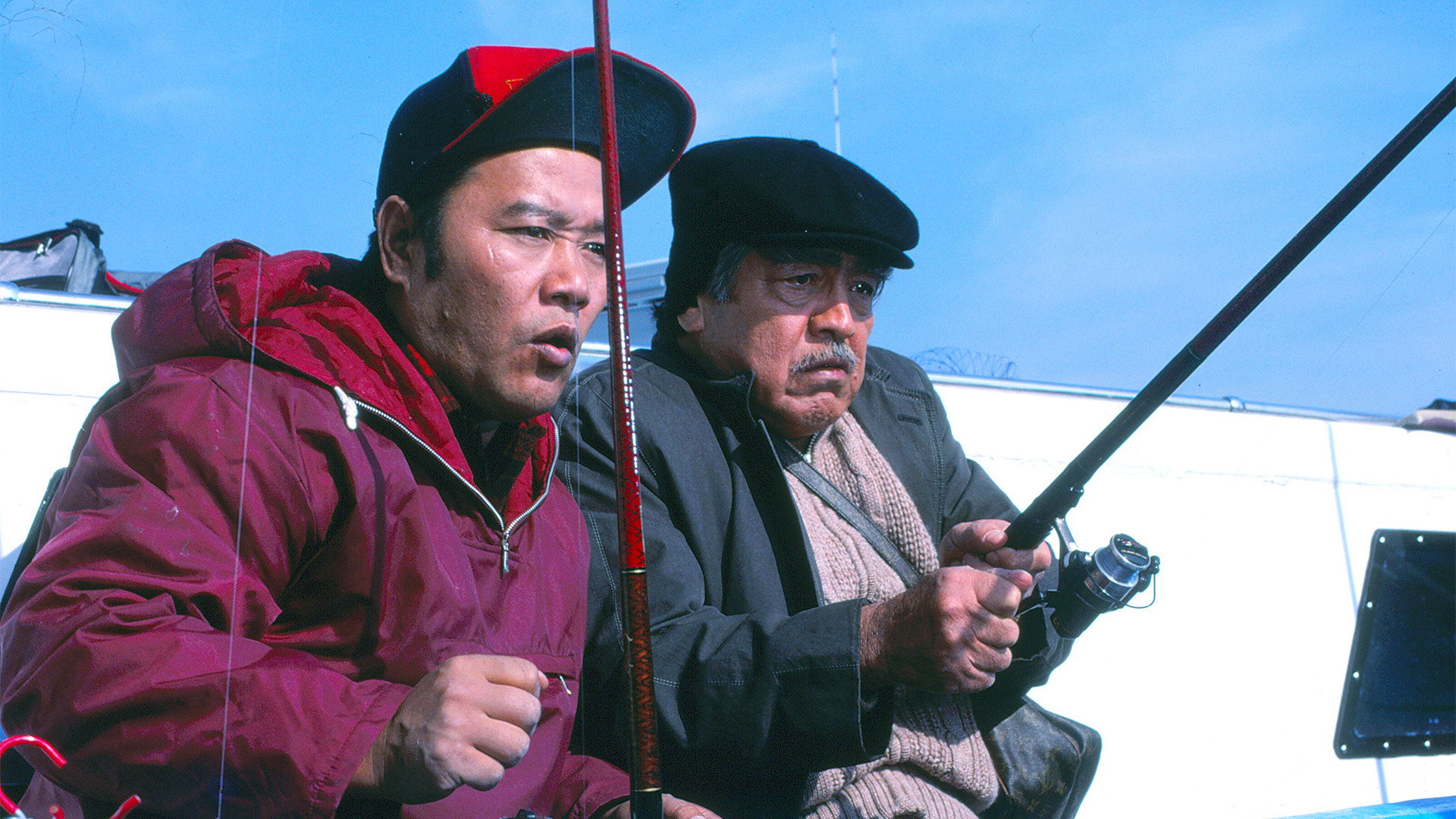
The "Tsuribaka Nisshi" (literally, "Fishing Fool’s Diary," also known internationally as "Free and Easy") series began in 1988 with its eponymous feature film. Starring Toshiyuki Nishida as Densuke Hamasaki, a salaryman with an ardent passion for fishing, the series achieved immense success with both audiences and critics in Japan. The narrative primarily revolved around the burgeoning friendship between Hamasaki and Ichinosuke Suzuki, a man Hamasaki meets while fishing, who is revealed to be the president of the company where Hamasaki works. Played by Rentaro Mikuni, Su-san’s dual identity added an intriguing dynamic to their bond. The series resonated deeply with Japanese audiences due to its gentle social satire, its focus on workplace dynamics, and its exploration of fishing and travel. Each film was set in different locales across Japan, offering a picturesque backdrop to the evolving relationship. Despite its significant popularity and critical acclaim in Japan, with frequent accolades from the Japanese Academy, the series remains largely unknown in the Western world, even after running for over two decades and encompassing 20 films. Both Nishida and Mikuni reprised their roles in all entries. Eri Ishida played Michiko Hamasaki, Hama-chan’s wife, in seven films before Miyoko Asada took over the role for the remainder of the series, showcasing the consistent casting that contributed to the series’ stability.
Wicked Priest: A Priest with a Penchant for Trouble
Much like Shintaro Katsu’s "Hanzo the Razor" series, Tomisaburo Wakayama found his own popular character with a morally ambiguous edge in "Wicked Priest." Wakayama portrayed a man of the cloth who harbored a penchant for alcohol, gambling, and women, while possessing an uncanny ability to confront wrongdoers. Set in the early 20th century, the success of the initial "Wicked Priest" film quickly led to sequels. A total of five films were released within two years, featuring Wakayama’s Shinkai battling corrupt monks, yakuza, and other adversaries with his formidable skills. This fun, albeit short-lived, series allowed Wakayama to showcase his charismatic screen presence in a unique role. Intriguingly, while Shinkai appeared in five adventures, his co-star Bunta Sugawara, who played the wayward priest Ryutatsu, actually received a spin-off between the fifth and sixth entries, making him the actor with more appearances as a character within the broader franchise than Wakayama himself.
Woman Gambler: Daiei’s Answer to the Female Gambler Phenomenon
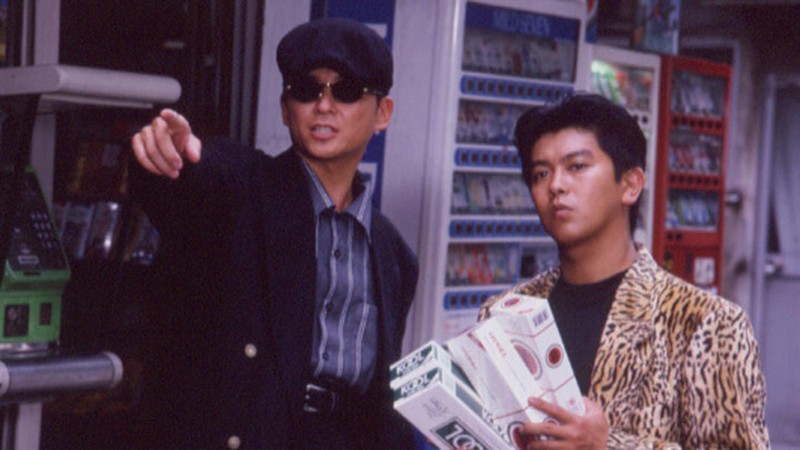
Before Oryu the Red Peony captivated audiences, Daiei Studio introduced Ogin, their own formidable female gambler, in the 1966 film "A Woman Gambler." Similar to "Zatoichi," "Sleepy Eyes of Death," and "Lone Wolf and Cub," the "Woman Gambler" series followed Ogin, a skilled and prolific gambler portrayed by Kyoko Enami. Ogin’s narrative typically involved her wandering from village to village, aiding those in need and restoring peace before moving on to her next adventure. The series’ immense popularity resulted in Daiei producing 17 films within a mere six-year span, solidifying Enami as a bona fide Daiei superstar and Ogin as the defining role of her career. This rapid production schedule and consistent character portrayal made "Woman Gambler" a significant franchise for Daiei Studio.
Yakuza Deka: Sonny Chiba’s Pre-Street Fighter Action
Before achieving international fame with his "Street Fighter" trilogy, Sonny Chiba portrayed Shiro Hayata in the "Yakuza Deka" series. In these films, Hayata, an undercover police officer, infiltrates the yakuza, outmaneuvering them not only with his investigative skills but also with his formidable karate prowess. Functioning as a precursor to the trilogy that would catapult Chiba onto the global stage, "Yakuza Deka" spanned five entries released over two years. The series can be essentially described as a James Bond-esque narrative, with Hayata relying on his fists and kicks rather than advanced gadgets. Ryohei Uchida also featured in all five productions, notably playing a different character in each installment, further highlighting the episodic nature of the series while maintaining a core ensemble presence.
Zatoichi: The Blind Swordsman’s Unrivaled Reign
Arguably the most celebrated series on this list, Daiei’s "The Tale of Zatoichi," directed by Kenji Misumi and starring Shintaro Katsu as the titular blind masseur, initiated what would become the longest-running action film series in cinematic history. Zatoichi, a wandering blind masseur with legendary, lightning-fast swordsmanship, became an instant cultural icon upon his debut. The original series spawned 25 films within 11 years, with a final installment released much later in 1989, all featuring the magnetic Katsu in the lead role. The consistent portrayal by Katsu, coupled with the character’s compelling blend of vulnerability and deadly skill, created an enduring appeal that resonated across generations and cemented Zatoichi’s status as a legendary figure in Japanese cinema. The sheer volume and consistent quality of the Zatoichi films underscore the power of a well-developed character and a consistent performance to sustain a massive cinematic franchise.