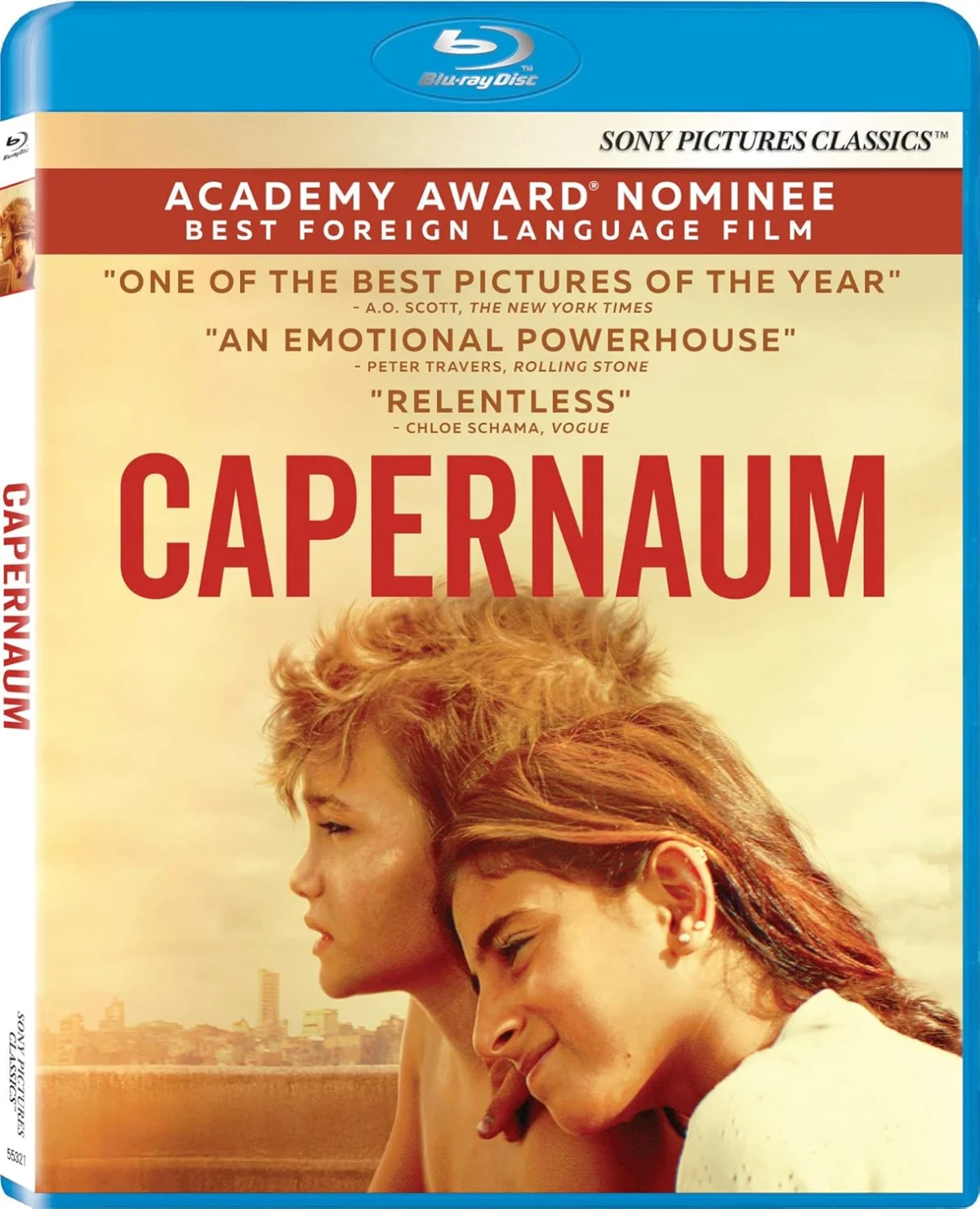
Nadine Labaki’s searing cinematic portrayal of childhood hardship, "Capernaum," emerged from the prestigious 2018 Cannes Film Festival not merely as a competition entry but as a global phenomenon. Garnering the Jury Prize and an unprecedented fifteen-minute standing ovation, the film transcended its initial accolades to become a powerful testament to resilience in the face of systemic neglect. Its subsequent journey saw it achieve critical and commercial success, securing nominations for prestigious awards including the Academy Award for Best Foreign Language Film, the Golden Globes, BAFTAs, and Césars, while also clinching the directing prize at the Asia Pacific Screen Awards. The film’s commercial trajectory was equally remarkable, grossing over $68 million worldwide against a modest $4 million budget, a significant portion of which was driven by an unexpected and robust performance in the Chinese market, cementing its status as the highest-grossing Arabic and Middle Eastern production in cinematic history. This extraordinary reach for a socially conscious drama from the region underscores its profound impact and the universal resonance of its narrative.
The Genesis of a Masterpiece: Cannes and Beyond
The 2018 Cannes Film Festival served as the crucible for "Capernaum’s" ascent. Premiering in competition, the film immediately captivated audiences and critics alike with its unflinching depiction of poverty, exploitation, and the desperate struggle for survival in the informal settlements of Beirut. The film’s narrative, framed by a courtroom drama where a young boy sues his parents for the crime of bringing him into existence, offered a potent hook that resonated deeply. The subsequent standing ovation at its premiere was not just a mark of appreciation but a visceral reaction to the film’s emotional intensity and its powerful social commentary. This initial triumph at Cannes set the stage for a remarkable awards season run, amplifying its message to a global audience.
The film’s journey through the awards circuit further solidified its critical acclaim. The Academy Award nomination for Best Foreign Language Film placed it amongst the year’s most impactful international works, while recognition from the Golden Globes, BAFTAs, and Césars highlighted its cross-cultural appeal and artistic merit. The directing prize at the Asia Pacific Screen Awards specifically acknowledged Labaki’s masterful command of storytelling and her ability to elicit raw, authentic performances.
A Narrative Forged in Adversity
"Capernaum" unfolds within the labyrinthine slums of Beirut, introducing audiences to Zain, a twelve-year-old boy who finds himself at the center of a legal battle against his own parents. His audacious lawsuit, accusing them of the fundamental offense of giving him life, serves as the narrative’s compelling anchor, prompting a retrospective exploration of his arduous existence. The film meticulously traces Zain’s journey from a young boy burdened with the responsibility of caring for numerous younger siblings to a young man navigating a world rife with exploitation. He endures the daily grind of running errands for a predatory landlord and witnesses firsthand the devastating consequences of poverty when his eleven-year-old sister is married off for a paltry sum, essentially traded for livestock.
This unbearable reality propels Zain to flee his home, a decision that leads him into an unlikely alliance with Rahil, an undocumented Ethiopian cleaner. Within this precarious new environment, Zain becomes the primary caregiver for Rahil’s infant son, a profound responsibility that further deepens his understanding of vulnerability and interdependence. The narrative is densely packed with such impactful incidents, yet it maintains a remarkable coherence, with the courtroom framing consistently weaving a thread of hope through the pervasive hardship. This structural choice not only provides a narrative arc but also underscores the enduring spirit of individuals striving for justice and a better future, even when faced with seemingly insurmountable odds.
Nadine Labaki’s Vision: A Blend of Fury and Tenderness
Director Nadine Labaki navigates the complex terrain of "Capernaum" with a rare and potent blend of righteous anger and profound tenderness. She employs a directorial approach that positions the camera as an intimate observer, almost a witness to Zain’s plight. The filmmaking is characterized by a restless, handheld immediacy, drawing the viewer into the bustling markets, impoverished shanties, and narrow back alleys of Beirut. This immersive technique blurs the lines between social realism and melodrama, allowing the film to delve deeply into emotional truths without succumbing to sentimentality or pity.
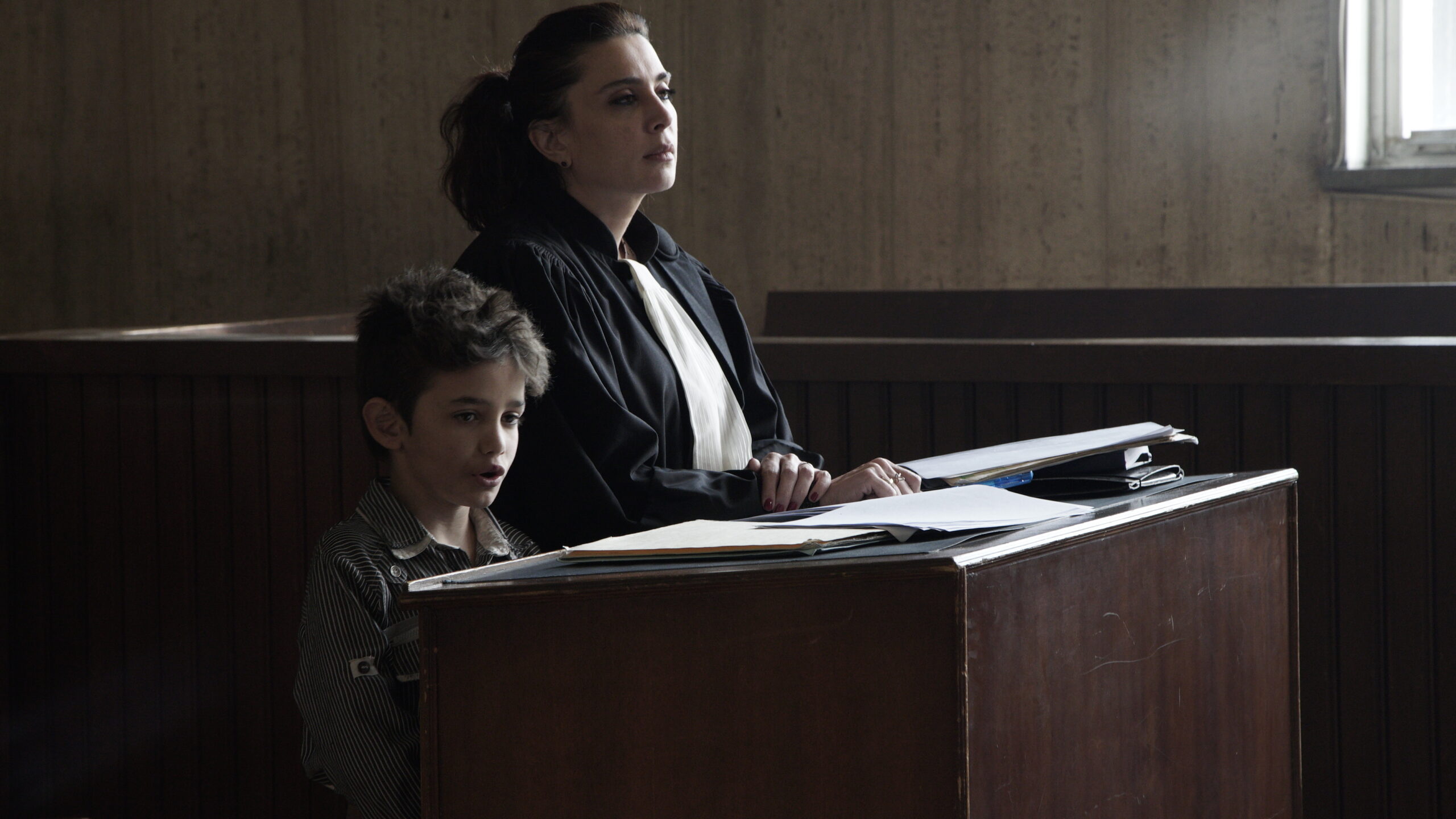
Labaki’s central message is stark and unequivocal: children bear the brunt of adult failures, systemic neglect, and the arbitrary impositions of borders. She powerfully illustrates that a child without legal documentation is effectively a child without a future, stripped of basic rights and opportunities. Despite its two-hour runtime, the film maintains a brisk pace, propelled forward by Zain’s relentless daily battles for survival. A significant contributing factor to the film’s authenticity is Labaki’s deliberate casting of non-professional actors drawn from communities whose lived experiences closely mirror the narrative. This crucial decision imbues the production with an undeniable documentary weight, lending a visceral truth to the characters and their struggles. Labaki herself takes on a deliberately understated role as the boy’s lawyer, allowing the authentic voices of her protagonists to take center stage.
Performances That Transcend Acting
The performances in "Capernaum" possess an authenticity that no amount of technical polish could replicate. At the heart of the film is Zain Al Rafeea, a Syrian refugee living in Beirut at the time of filming, who delivers an astonishingly mature and compelling performance. He commands the screen with a wary, watchful intelligence, conveying a profound sense of grief that feels deeply lived rather than merely acted. His portrayal is a testament to the resilience of the human spirit, even in the direst circumstances.
Complementing Al Rafeea’s central performance is Yordanos Shiferaw, who imbues Rahil with a compelling blend of warmth and quiet desperation. Her portrayal captures the complex emotional landscape of a mother navigating precarious legal and social standing. The infant Yonas, played by Boluwatife Treasure Bankole, adds another layer of profound realism, delivering reactions so natural that several scenes feel as if they were lifted directly from everyday life. Kawthar Al Haddad and Fadi Kamel Youssef, portraying Zain’s parents, skillfully avoid simplistic villainization. They present the characters not as inherently cruel, but as individuals ground down by poverty and desperation, their actions a consequence of their overwhelming circumstances rather than malice.
Visual Storytelling and Technical Prowess
The cinematography by Christopher Aoun is a remarkable achievement, capturing a sun-bleached, chaotic beauty within the impoverished landscapes of Beirut without ever romanticizing the destitution. His frames are densely packed with detail, meticulously drawing the viewer’s perspective to the child’s eye level, fostering an intimate and empathetic connection with Zain’s world. The editing, a collaborative effort between Konstantin Bock and Laure Gardette, is a masterful feat of narrative sculpting. Labaki reportedly amassed approximately five hundred hours of footage, from which Bock and Gardette painstakingly carved a taut, coherent, and emotionally resonant whole. The musical score, composed by Khaled Mouzanar, subtly underscores the drama, adding depth to the sorrow while allowing the powerful imagery to carry the primary emotional weight. The score’s gentle rise beneath the narrative threads a delicate balance, enhancing the emotional impact without overwhelming the raw authenticity of the performances and visuals.
A Demanding Yet Essential Cinematic Experience
"Capernaum" is undeniably a demanding watch, an experience that is both deeply harrowing and profoundly rewarding. The film refuses to shy away from the grim realities of human trafficking, child marriage, and the precarious existence of the undocumented, compelling its audience to confront these difficult issues alongside its characters. While some viewers might find the accumulation of misery relentless, the underlying anger feels earned rather than gratuitous, and the pervasive sense of humanity never diminishes.
This is a sobering, beautifully realized piece of cinema that leaves an indelible mark long after the credits roll. It serves as a potent reminder of the immense burdens carried by the most vulnerable members of society. For individuals drawn to socially engaged storytelling that possesses genuine emotional force, "Capernaum" stands as essential viewing, offering a critical lens on global inequality and a deeply humanistic exploration of survival and hope. The film’s success has also sparked broader conversations about the representation of marginalized communities in cinema and the ethical considerations of storytelling in documentary-influenced narratives. Its critical and commercial triumph has undoubtedly opened doors for future socially conscious films from the Middle East to reach a wider international audience, further diversifying the global cinematic landscape. The ongoing impact of "Capernaum" can be seen not only in its continued critical discourse but also in its influence on filmmakers and audiences who are increasingly seeking out stories that challenge perceptions and advocate for empathy.