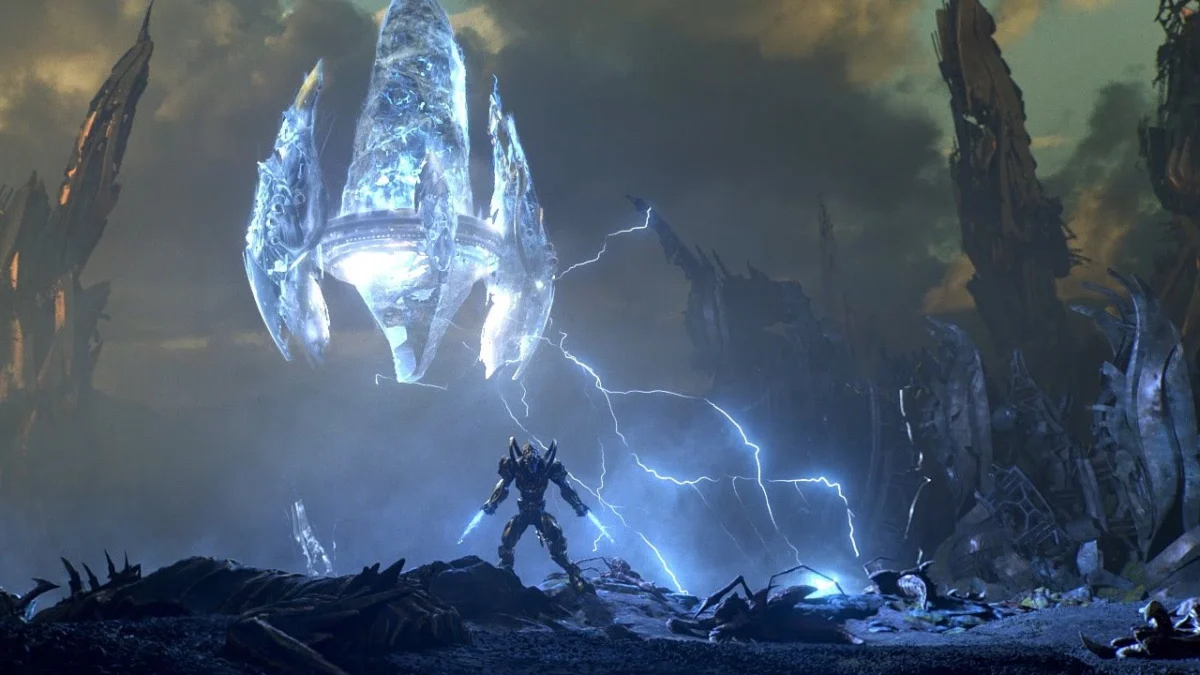
Blizzard Entertainment has stunned the global real-time strategy (RTS) community with the release of StarCraft 2 Update 5.0.16 on the Public Test Realm (PTR), a patch so transformative that players and analysts have begun referring to it as the "StarCraft 2.5" or even "StarCraft 3" update. For a game that officially ceased active content development in October 2020, this latest iteration represents the most significant structural shift in the title’s history since the launch of the Legacy of the Void expansion in 2015. By fundamentally altering the starting worker count and redesigning the Protoss Warpgate mechanic, Blizzard is attempting to pivot the game away from the hyper-accelerated pace of the last decade toward a more methodical, strategically diverse mid-game experience.
The update comes at a pivotal moment for the franchise. Following Microsoft’s acquisition of Activision Blizzard, interest in the StarCraft intellectual property has seen a resurgence, underscored by the recent addition of the StarCraft: Remastered and StarCraft 2: Campaign Collection to the Xbox PC Game Pass library. While the community had grown accustomed to minor numerical balance tweaks handled largely by a community-led balance council, Update 5.0.16 signals a much more hands-on approach from the developers, targeting the very bedrock of the game’s economic and competitive flow.
Reversing the Legacy of the Void Economic Model
The most jarring change introduced in the 5.0.16 PTR is the reduction of starting workers from 12 to eight. To understand the gravity of this change, one must look back to the 2015 release of Legacy of the Void. At that time, Blizzard increased the starting worker count from six (the standard in Wings of Liberty and Heart of the Swarm) to 12. The goal was to eliminate the "dead air" of the first few minutes of a match and force players to expand to new bases more quickly.
While this succeeded in making the game faster and more spectator-friendly for esports, it also compressed the window for early-game harassment and specialized "build orders." By reverting the count to eight, Blizzard is seeking a middle ground between the slow burn of the original StarCraft: Brood War and the breakneck speed of modern StarCraft 2. According to the official patch notes, the intent is to "extend the early and mid-game experience," allowing players to remain competitive on a smaller number of bases for a longer duration.
This economic shift is supported by a complete rebalancing of resource nodes. In the current live version of the game, mineral patches are split between "high-yield" and "low-yield" quantities to encourage constant expansion. The PTR update adjusts these totals, increasing the longevity of the primary base while slightly reducing the explosive growth potential of early third and fourth bases. Vespene geysers have also been tweaked to ensure that gas-heavy tech paths remain viable even with a smaller initial worker force.
The Protoss Warpgate Redesign and Strategic Diversity
For the Protoss race, Update 5.0.16 is nothing short of a revolution. The Warpgate mechanic, which allows Protoss players to transform their production structures to instantly warp in units anywhere they have a power field (provided by Pylons or Warp Prisms), has been a point of contention for balance since 2010. Critics argued it gave Protoss too much offensive mobility while making their defensive "defender’s advantage" too strong.
The PTR notes detail a "largely redesigned" Warpgate system. While the specific numerical data is still being analyzed by high-level players, the core of the change appears to penalize "proxy" warp-ins (offensive warp-ins near an opponent’s base) while rewarding defensive play. This change is intended to address long-standing complaints in the professional scene regarding the volatility of Protoss versus Terran (PvT) and Protoss versus Zerg (PvZ) matchups.
By decoupling the Protoss’s ability to instantly reinforce an offensive line from their basic production, Blizzard is forcing a return to more traditional RTS logistics. This requires Protoss players to rely more on stationary production or more calculated Warp Prism usage, effectively "re-learning" the race’s fundamental rhythm.
Impact on the Professional Esports Circuit
The timing of this patch has sent shockwaves through the professional esports community. StarCraft 2 remains a staple of the ESL Pro Tour and continues to hold a prestigious spot in South Korea’s GSL (Global StarCraft II League). For professional players, who spend thousands of hours perfecting "build orders" timed down to the second, the move from 12 to eight workers renders nearly a decade of institutional knowledge obsolete.
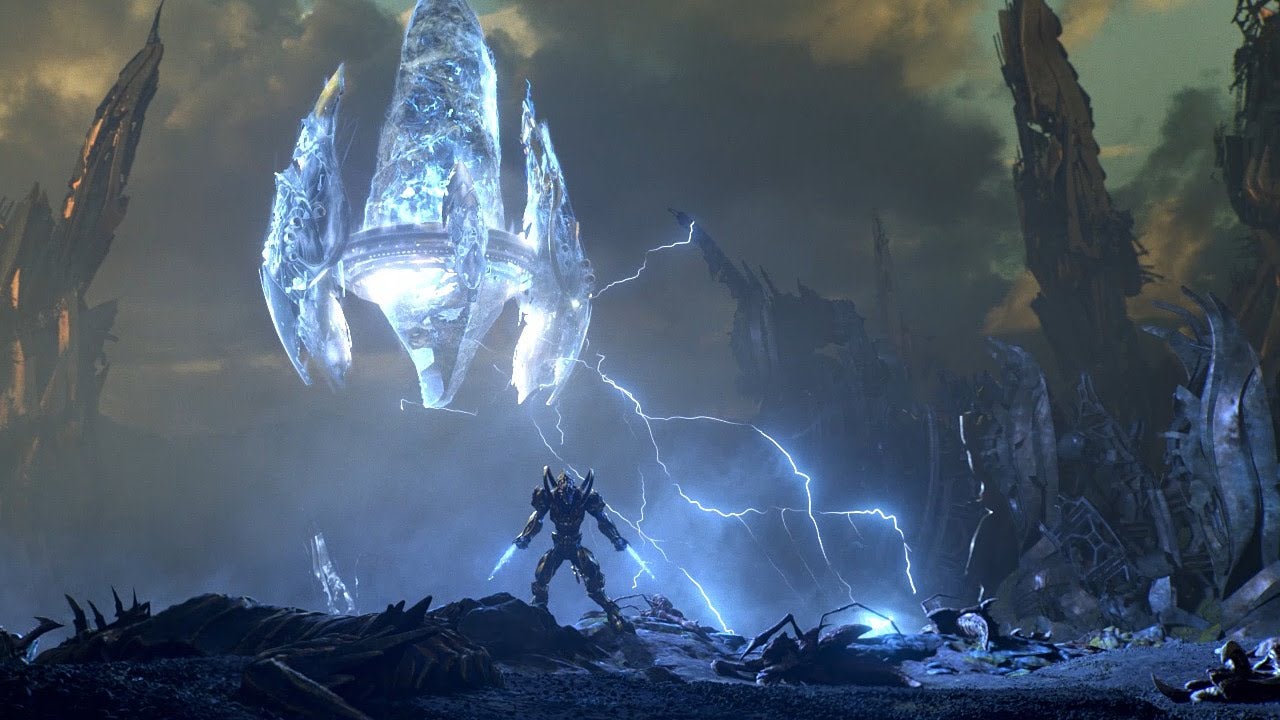
Prominent community figures and professional players have taken to social media and Reddit to express a mix of anxiety and excitement. "There I go relearning all my build orders from scratch," noted one veteran player on the StarCraft subreddit, reflecting a sentiment shared by many. However, the broader consensus among analysts is that the change is healthy for the game’s longevity. By slowing down the early game, Blizzard is creating more "branching paths" for strategy, potentially making the game less about who can execute a pre-determined script the fastest and more about reactive, tactical decision-making.
The PTR serves as a testing ground to ensure these changes do not inadvertently break certain matchups. Historical data suggests that even minor changes to worker counts can have massive ripple effects; for instance, a Terran "Reaper" or a Zerg "Zergling" rush becomes significantly more dangerous when the defender has fewer workers to pull for defense in the opening seconds.
Chronology of StarCraft 2 Development Milestones
To appreciate the scale of Update 5.0.16, one must look at the timeline of the game’s post-launch support:
- July 2010: StarCraft 2: Wings of Liberty launches with a six-worker start.
- March 2013: Heart of the Swarm expansion introduces new units but maintains the economic pace.
- November 2015: Legacy of the Void launches, increasing starting workers to 12 and drastically reducing resource counts per patch to force expansion.
- November 2017: StarCraft 2 transitions to a Free-to-Play model, significantly boosting the player base.
- October 2020: Blizzard announces the end of paid content (Co-op commanders, War Chests) and shifts to "maintenance mode" focused on balance.
- 2021–2023: A community balance council of pro players and map makers takes over the majority of balance responsibilities with Blizzard’s oversight.
- November 2024: Update 5.0.16 hits the PTR, signaling a major direct intervention by Blizzard developers.
The Broader Future of the StarCraft Intellectual Property
The sudden surge in StarCraft 2 development coincides with persistent rumors regarding the future of the franchise as a whole. Industry insiders have recently suggested that Blizzard may be looking beyond the RTS genre to keep the IP alive. Reports have surfaced indicating a partnership with Nexon to develop a mobile or multi-platform title, while other leaks suggest a revival of the long-dormant StarCraft shooter concept.
Dan Hay, the former executive producer of the Far Cry series at Ubisoft, is reportedly leading a project at Blizzard that many believe to be a StarCraft-themed shooter. This would follow in the footsteps of the ill-fated StarCraft: Ghost, which was famously canceled in the mid-2000s. The release of a massive "meta-shifting" patch for StarCraft 2 may be a strategic move to re-engage the core fanbase and clean up the competitive landscape before a major franchise announcement.
Furthermore, the integration with Xbox Game Pass has introduced a new generation of players to the Koprulu Sector. By making the game more accessible through a slower early-game pace, Blizzard may be attempting to lower the "barrier to entry" for newcomers who found the 12-worker Legacy of the Void meta too punishing and frantic.
Technical Analysis and Implications
From a technical standpoint, Update 5.0.16 also includes a suite of "quality of life" improvements and bug fixes that have plagued the game since its last major engine update. The patch notes mention optimizations for map loading and minor UI adjustments that bring the client more in line with modern standards.
The analysis of the unit-specific changes—ranging from Terran Hellion adjustments to Zerg Infestor tweaks—suggests a philosophy of "counter-play." Blizzard appears to be moving away from "death ball" compositions (where a player wins by simply amassing one giant, unkillable army) in favor of rewarding multi-prong harassment and map control.
As the patch progresses through the PTR, the StarCraft 2 community remains on high alert. If these changes are fully implemented into the live servers, 2025 will mark the beginning of a new era for the game. While it may not be the StarCraft 3 that fans have been dreaming of, the sheer scale of the 5.0.16 update proves that Blizzard still views its legendary RTS as a living, breathing entity capable of evolution. Whether this leads to a competitive renaissance or a period of chaotic instability remains to be seen, but for the first time in years, the future of StarCraft 2 is anything but predictable.