

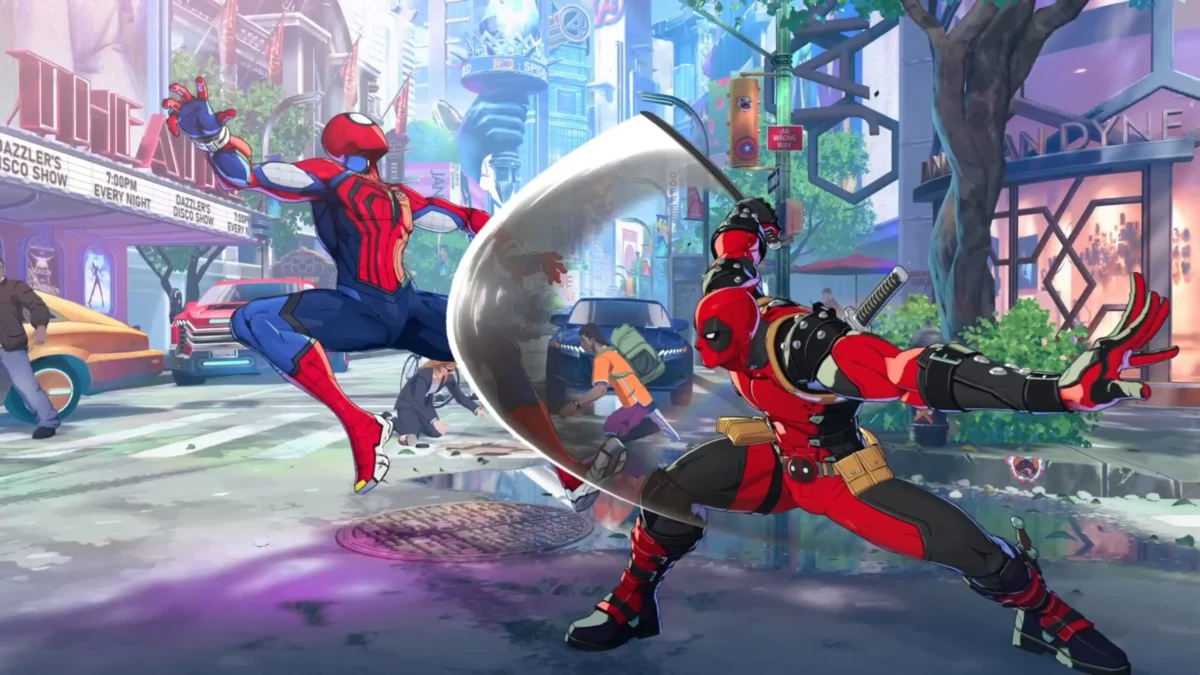
The competitive fighting game landscape, already crowded with high-profile releases, has shifted its focus toward the long-term support strategy for Arc System Works’ latest title, Marvel Tokon: Fighting Souls. Following the game’s successful launch on PlayStation 5 and PC, the developer has officially pulled back the curtain on its comprehensive Year 1 downloadable content (DLC) roadmap. This rollout, characterized by a mix of high-demand fan favorites and unique narrative-driven variants, signals a strategic effort to maintain player engagement well into 2027. The announcement, bolstered by exclusive promotional artwork from acclaimed Marvel artist Peach Momoko, confirms that the roster will expand significantly over the coming months, beginning with a controversial yet highly anticipated iteration of one of Marvel’s most recognizable mutants.
The Year 1 Roster: A Chronological Breakdown
The expansion schedule is designed to sustain a consistent cadence of content, ensuring that the meta-game remains fluid and players have continuous incentives to return to the title. The announced schedule is as follows:
- Phoenix Cyclops: November 2, 2026. This character will launch alongside a suite of cosmetic options, including "Classic" and "Legacy" costume packs, providing players with immediate aesthetic customization alongside gameplay updates.
- Thor (Jane Foster): Winter 2027. This addition marks a significant shift in the game’s power dynamics, bringing the Mjolnir-wielding hero into the fray during the peak of the winter gaming season.
- Venom: Spring 2027. Beyond just a character addition, the developers have confirmed the inclusion of a new "Klyntar" themed stage, expanding the game’s environmental variety.
- Jubilee: Summer 2027. The final announced entry for the first year of support, rounding out the roster with her signature pyrotechnic abilities.
These characters are bundled under the "Year One Characters & Stage Pass," a strategic move by Arc System Works to incentivize bundle purchases while maintaining an à la carte option for consumers who prefer to curate their specific roster additions.
The Creative Philosophy Behind Phoenix Cyclops
The selection of Phoenix Cyclops as the inaugural post-launch fighter has garnered significant attention from the fighting game community. Unlike a standard version of the character, this iteration represents a deliberate creative divergence. In a detailed breakdown provided via the PlayStation Blog, producer Takeshi Yamanaka shed light on the developmental rationale. According to Yamanaka, the studio aimed to transcend the limitations of traditional character archetypes by leaning into a narrative-heavy interpretation.
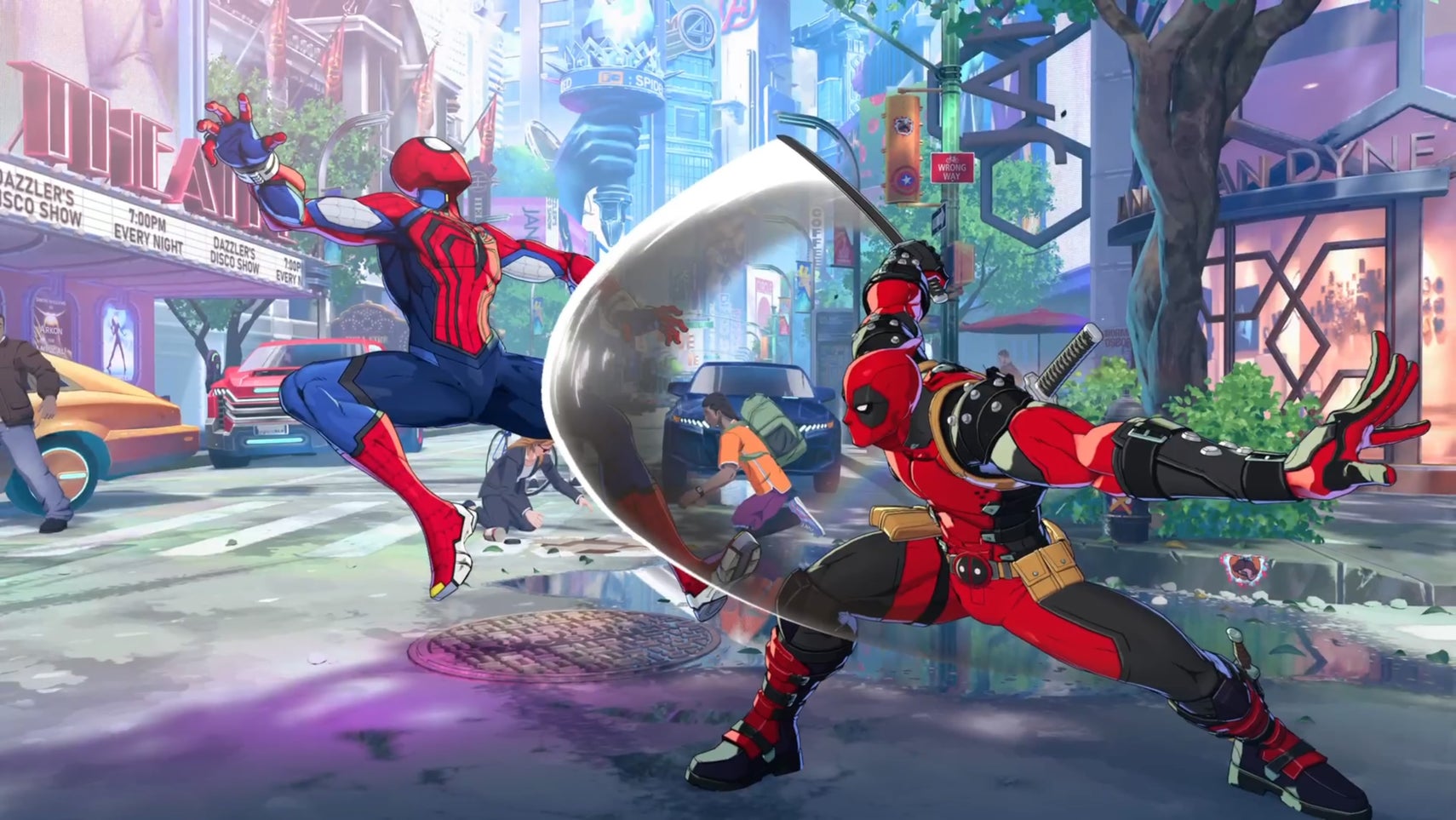
"During those discussions, our narrative team proposed the idea of using the Phoenix version of Cyclops," Yamanaka stated. "We felt this interpretation would allow us to create fresher visuals and a more exciting fighting style while offering something unexpected for players."
This decision highlights a broader trend in modern fighting game development: the shift away from simply "re-skinning" existing heroes in favor of creating entirely new move-sets and visual identities based on specific comic book story arcs. The development team noted that the decision to exclude Cyclops from the base game was a calculated risk. By allowing the team more time to iterate on his "Dark Phoenix" gameplay mechanics and unique visual effects, Arc System Works aimed to ensure that the first DLC character felt like a premium addition rather than a rushed post-launch afterthought. This approach reflects the high standards set by Arc System Works in titles like Guilty Gear Strive and Dragon Ball FighterZ, where mechanical depth is often prioritized over volume.
Strategic Implications and Market Positioning
The decision to map out an entire year of content is a standard industry practice, but for Marvel Tokon: Fighting Souls, the stakes are elevated. As a licensed title, the game must navigate the complexities of managing iconic IP while competing with established esports giants. The inclusion of Peach Momoko, whose distinct artistic style has become a staple of modern Marvel comic covers, serves as a bridge between the comic book enthusiast demographic and the gaming audience. By aligning the game’s visual identity with high-end comic art, the developers are reinforcing the title’s authenticity.
From an analytical perspective, the 2027 timeline indicates a long-term commitment to the game’s life cycle. By pacing the releases from November 2026 through the summer of 2027, the developer is effectively creating a "seasonal" structure that mirrors the competitive calendar. This prevents the "content drought" that often plagues fighting games post-launch, keeping the game present in the minds of streamers, tournament organizers, and casual players alike.
Furthermore, the introduction of a new stage alongside Venom suggests that the developers are looking to expand the game’s "thematic world-building." In competitive gaming, stage design is often as critical as character balance, as it affects spatial awareness and environmental interactions. Integrating a Klyntar-themed stage provides a narrative backdrop that enhances the immersion for fans of the symbiote lore.

Reactions and Competitive Outlook
While it is too early to quantify the community’s reaction to the full roster, initial sentiment regarding the inclusion of Jane Foster’s Thor and Jubilee has been largely positive. Both characters offer diverse playstyles—Thor representing high-impact, heavy-hitting combat and Jubilee providing agility and projectile-based control—that complement the base roster’s existing mechanics.
Industry observers note that the success of these characters will depend heavily on their balance relative to the day-one roster. Arc System Works has historically excelled at managing complex systems, but the introduction of "Dark Phoenix" mechanics for Cyclops presents a unique challenge. If these mechanics prove too dominant, it could lead to a skewed competitive meta; however, if implemented correctly, they offer the potential for the most technically deep character in the game.
Contextual Background of Marvel Tokon
Marvel Tokon: Fighting Souls arrived at a time when the Marvel gaming universe is experiencing a renaissance. With various studios tackling different genres, Arc System Works had the daunting task of carving out a niche that felt distinct from previous Marvel vs. Capcom entries. By focusing on a "Fighting Souls" mechanic, the game emphasizes the emotional and narrative stakes of the combatants, rather than just raw power levels.
The reveal of this roadmap comes at a critical juncture for the title. Now that the initial review period has passed and the player base has stabilized, the transition into the "Live Service" phase is vital. The transparent nature of the Year 1 roadmap—outlining specific dates and character identities—demonstrates a level of maturity in the developer’s communication strategy. It provides stakeholders and consumers with a clear expectation of the product’s value proposition.
Conclusion
As Marvel Tokon: Fighting Souls moves into its post-launch phase, the success of the Year 1 DLC will likely dictate the longevity of the game’s competitive scene. By prioritizing creative interpretations like Phoenix Cyclops and promising a consistent stream of diverse characters, Arc System Works is signaling a robust plan for growth. For a game that hinges on the charisma and power of Marvel’s pantheon, the upcoming months will serve as the true test of whether the title can sustain its momentum and solidify its place in the pantheon of elite fighting games. With the first milestone arriving on November 2, players and critics alike will be watching closely to see if the reality of the game matches the ambition of its roadmap.