A Decades-Long Journey to Production
The development of Ray Gunn is a testament to the endurance of creative ideas within the animation industry. Brad Bird, an Academy Award-winning director known for his meticulous world-building and narrative depth, conceived the concept for the private detective story long before it became a viable studio project. Throughout his tenure at Pixar and subsequently through his partnership with Skydance Animation, the project remained a peripheral passion, frequently shelved in favor of more immediate commercial mandates.
The film’s eventual greenlight marks a strategic pivot for Skydance Animation. Under the leadership of former Pixar creative heavyweights, the studio has sought to establish a distinct visual identity to compete with industry titans. Ray Gunn represents their most ambitious attempt to date to marry mature storytelling sensibilities with the technological capabilities of contemporary 3D animation. The film, which features a screenplay co-written by Bird and Matthew Robbins, underwent several iterations before arriving at the current narrative structure, which balances a hardboiled detective aesthetic with the demands of a PG-rated audience.
The Narrative Landscape of Metropia
The setting of the film, Metropia, acts as a character in its own right. It is a dense, high-contrast metropolis that captures the architectural spirit of 1939 while integrating high-concept science fiction elements. The city is defined by its social stratification, where aliens are systematically relegated to the periphery of a human-centric, AI-surveilled society.
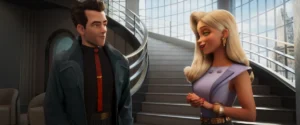
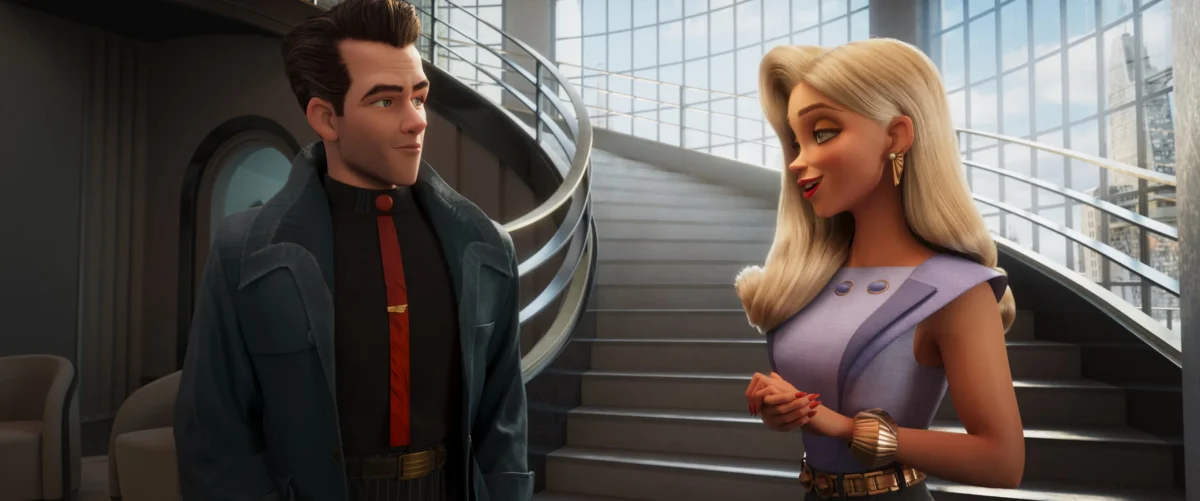
The protagonist, Raymond "Ray" Gunn, voiced by Sam Rockwell, is an ex-police officer turned freelance private investigator. His character archetype is rooted firmly in the traditions of the Golden Age of Hollywood, specifically the cynical yet morally centered detectives popularized by Humphrey Bogart. Gunn operates in the city’s grimier districts, struggling with the financial burden of his profession and his loyalty to his partner, Eye-Ra Kadok, a cyclopean, tripod-legged character voiced by Tom Waits.
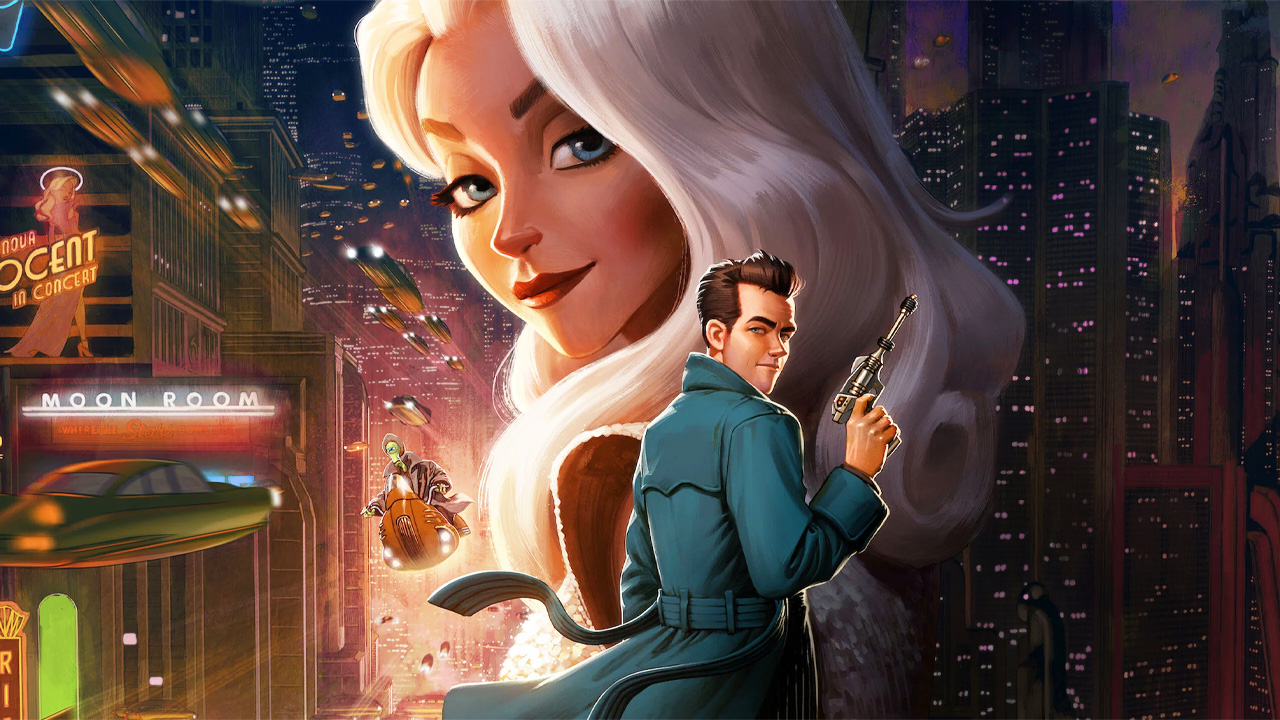
The inciting incident involves a commission from Arnold Dom, played by Bobby Cannavale, who suspects his wife, the mega-star songstress Venus Nova (Scarlett Johansson), of infidelity. As Gunn delves into the case, the narrative expands into a complex web of corporate corruption and murder. The involvement of the label executive Barry, voiced by Alan Tudyk, and various alien crime syndicates, including the slug-like boss Signor Ferrari (Matt Berry), elevates the stakes from a routine domestic dispute to a systemic mystery.
Technical Execution and Aesthetic Prowess
From a technical standpoint, the film marks a significant departure from Skydance Animation’s previous output. Lead character designers Tony Fucile, Teddy Newton, and Devonn Wilson were tasked with creating a visual language that feels both grounded and otherworldly. The aesthetic relies heavily on "noir" lighting—high-contrast chiaroscuro, long shadows, and dramatic silhouettes—which are traditionally difficult to render in a 3D animated environment without sacrificing clarity.
The score, composed by Michael Giacchino, serves as the auditory anchor for the film’s atmosphere. Drawing inspiration from jazz-heavy, swinging soundtracks of the 1940s, the music underscores the tension of the detective sequences and the high-energy movements of the city’s futuristic transit systems.
Despite these achievements, the film displays the typical limitations of modern studio-led animation. While the central characters and primary environments are rendered with high fidelity, secondary elements, such as background crowd shots and peripheral characters, exhibit a lack of polish that occasionally disrupts the immersion. These inconsistencies suggest that while the project received significant creative leeway, it was still subject to the budget and schedule constraints inherent in large-scale studio filmmaking.
Thematic Ambition and Industry Commentary
Ray Gunn attempts to navigate complex sociopolitical themes, most notably xenophobia and the exploitative nature of the entertainment industry. The tension between the alien population and human society serves as an allegory for real-world discrimination, though critics note that the implementation remains surface-level. The film establishes these themes as a core element of the world-building, yet it stops short of providing a cohesive resolution or a deep exploration of the systemic issues presented.
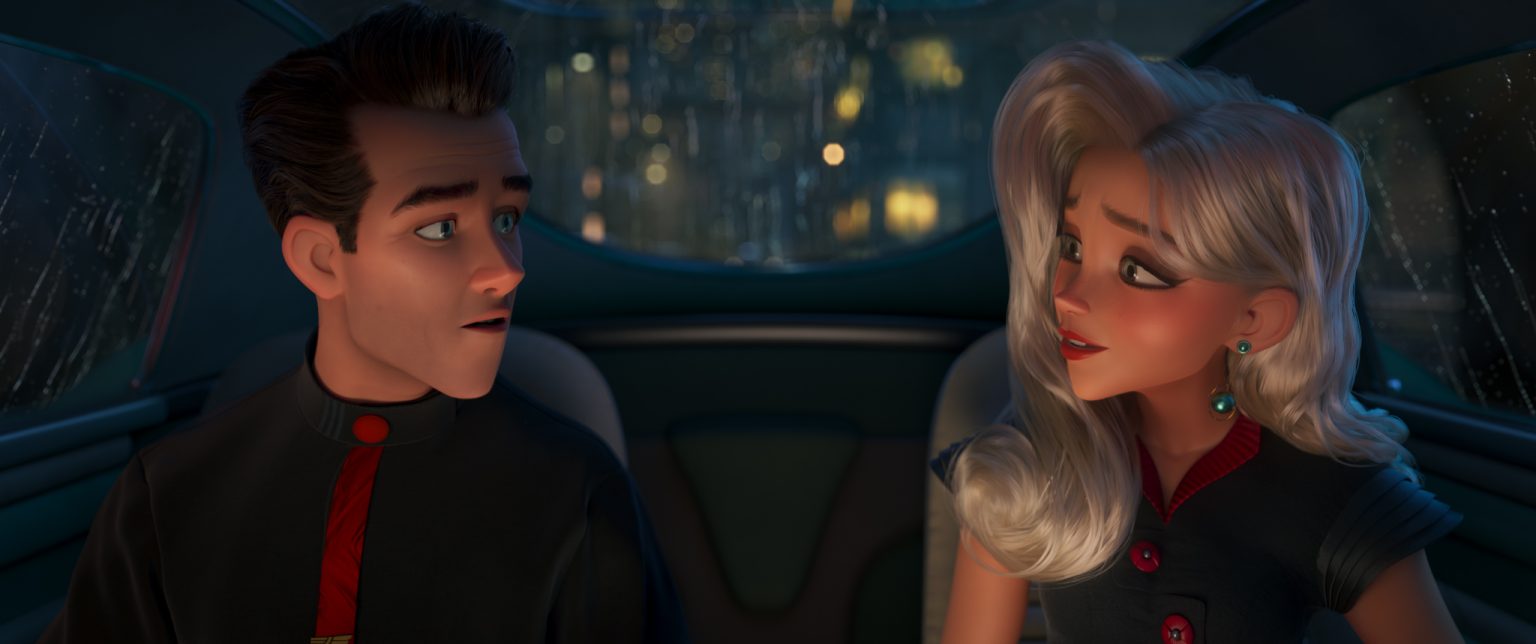
Similarly, the critique of the music industry—as seen through the lens of Venus Nova’s career—is presented with modern sensibilities, touching upon the intersection of artist autonomy and corporate profit. However, the requirement to maintain a family-friendly tone often forces the narrative to pull its punches. By choosing to frame these issues through a metaphorical lens rather than a direct one, the film effectively acts as an introduction to noir tropes for younger audiences while remaining somewhat constrained in its ability to offer a biting, mature critique.
Comparative Analysis and Market Positioning
In the landscape of modern animation, Ray Gunn occupies a unique niche. It is frequently compared to Who Framed Roger Rabbit, the last significant animated film to successfully blend hardboiled noir with fantasy elements. By opting for a style that pays homage to The Maltese Falcon and Chinatown, Bird is signaling a shift toward cinephile-focused animation.
The film’s influence is visually apparent in its wardrobe choices and dialogue pacing, which lean heavily into the vernacular of the 1940s. While some industry analysts have pointed to the film’s similarity to Incredibles 2 in terms of polish and scope, others suggest that Ray Gunn is fundamentally more experimental. It is an "art-house" film disguised as a mainstream blockbuster, a balancing act that is difficult to sustain.
Implications for Future Productions
The release of Ray Gunn on December 18, 2026, via Netflix, represents a major milestone for the platform’s animated content library. As streaming services continue to consolidate their intellectual property, original projects that carry the "prestige" of established directors like Brad Bird are critical for retaining subscriber interest.
The production of this film serves as a case study for the industry regarding the viability of "mature" genre animation. If Ray Gunn performs well with both critics and the target demographic, it could pave the way for a broader expansion of animation styles, potentially encouraging studios to move away from the standardized "Disney-at-home" aesthetic that has dominated the market for the last decade.
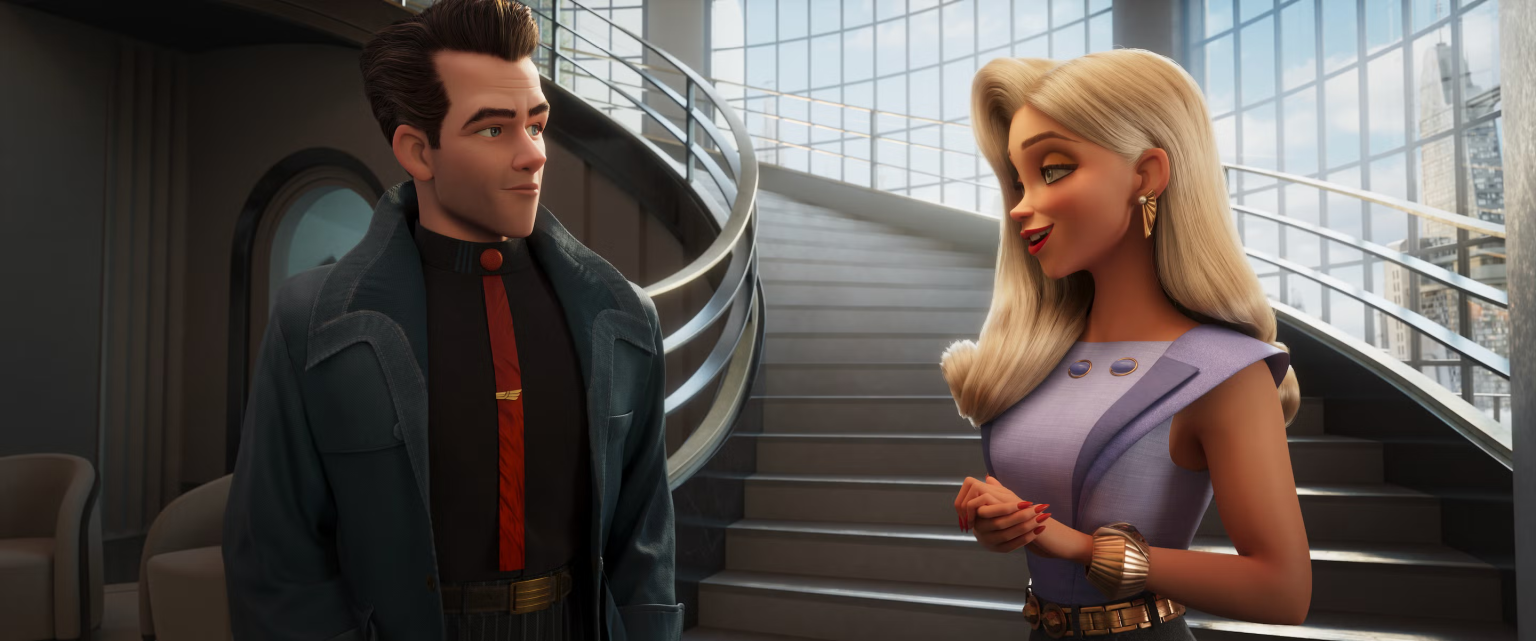
However, the film also highlights the inherent tension between creative vision and corporate oversight. The visible "safety" with which the film handles its darker themes suggests that studios remain hesitant to push the boundaries of PG-rated content, even when the director’s pedigree is as significant as Bird’s. The result is a highly entertaining, visually impressive work that nonetheless leaves viewers speculating about the potential of a "director’s cut" or a more uninhibited iteration of the same concept.
Final Summary of Industry Reception
As the premiere date approaches, the industry expectation is that Ray Gunn will be viewed primarily as a triumph of style and atmosphere. The collaborative effort between Bird, Skydance, and Netflix demonstrates a commitment to high-quality, genre-diverse animation. While it may not reach the subversive heights of some of Bird’s earlier work, it succeeds as an entry point for younger viewers into the tropes of noir cinema.
The film will likely be analyzed for years to come as a "what-if" scenario in the director’s filmography—a project that, while technically masterful and narratively coherent, was perhaps prevented from reaching its full, provocative potential by the rigid structures of the modern entertainment machine. Nevertheless, it stands as a significant contribution to the genre and a definitive statement on the capabilities of the current animation landscape.