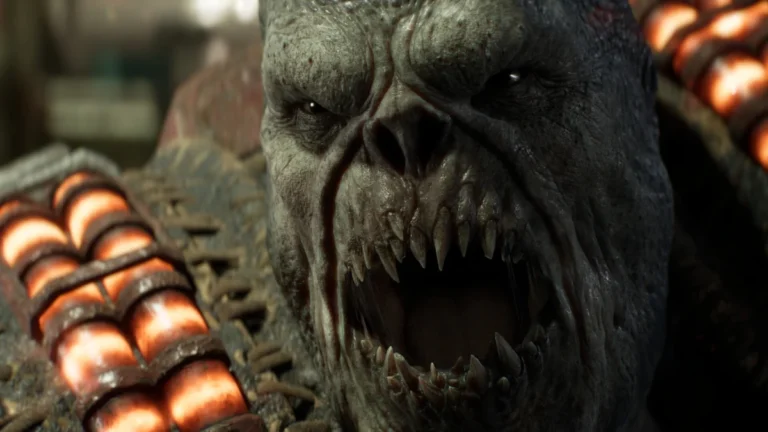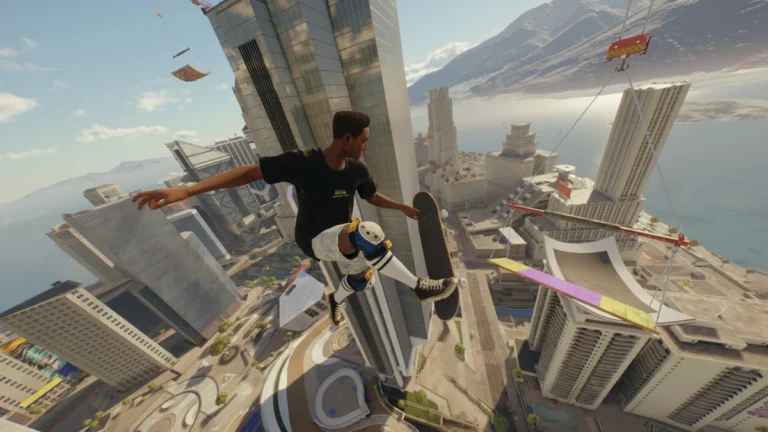




The highly anticipated launch of Grand Theft Auto 6, arguably the most scrutinized video game project in history, faces a significant security crisis as a malicious actor known as CyberLeek has issued a public ultimatum. Following the unauthorized dissemination of 25 minutes of sensitive development footage earlier this week, the leaker has threatened to distribute a complete, playable build of the game—spanning the entire story mode from start to finish—should their associated cryptocurrency reach a market capitalization of $30 million.
This escalation represents a dramatic shift in the ongoing struggle between Rockstar Games and unauthorized data distributors. The latest leak, which reportedly includes explicit character models and developer menu interactions, has intensified the pressure on both Rockstar Games and its parent company, Take-Two Interactive.
A Chronology of the Breach
The history of Grand Theft Auto 6 leaks is one defined by persistent, high-profile security compromises. The saga began in earnest in September 2022, when a massive cache of internal development footage surfaced on gaming forums, revealing early-stage environments, combat mechanics, and character interactions. At that time, the gaming community was stunned by the scale of the breach, which Rockstar later confirmed to be the result of a network intrusion.
Following a period of relative silence from the primary antagonists, the emergence of CyberLeek this week marks a secondary, more aggressive phase. The recent footage is distinct from the 2022 breach; it appears to show more polished, albeit unfinished, assets. By overlaying a unique emblem on the footage, the leaker has attempted to solidify their brand identity, transforming what was once a clandestine data theft into a publicized extortion attempt.
The Anatomy of the Extortion
The ultimatum issued by CyberLeek is unprecedented in the annals of video game leaks. By tying the release of the full game build to the performance of a cryptocurrency, the perpetrator is attempting to weaponize market speculation for financial gain. The leaker has explicitly stated that the build contains the entirety of the narrative arc, including end-game sequences.
To prove the legitimacy of their claims, the actor has challenged the public to request specific scenes or narrative elements, which they promise to provide as evidence. The leaker’s demands toward Take-Two Interactive are equally provocative: they have called for a public apology and the distribution of physical disks, framing these as the only conditions under which the full build will be withheld. Industry analysts note that such demands are largely performative, designed to force a response from a corporate entity that is legally bound to avoid negotiating with extortionists.
Rockstar Games and Take-Two Interactive’s Response
Rockstar Games has maintained a consistent stance regarding these breaches. In official statements issued following previous leaks, the developer described the situation as "heartbreaking," emphasizing that the unauthorized exposure of work-in-progress content is fundamentally detrimental to the creative process. The company has expressed profound disappointment that the public is viewing the project through a lens that does not reflect the intended final product.
Take-Two Interactive has taken a more litigious path. The parent company has actively pursued legal avenues to identify the perpetrators, including filing motions to subpoena Discord and other platforms used to host or discuss the leaked material. By seeking to unmask those responsible, Take-Two is attempting to establish a legal precedent that will deter future breaches. However, the decentralized nature of the internet and the anonymity afforded by encrypted communication platforms continue to present significant hurdles for corporate legal teams.
The Broader Impact on Software Development
The implications of the CyberLeek situation extend far beyond the immediate shock of a leaked game. The incident highlights the vulnerability of large-scale, multi-year development cycles. Grand Theft Auto 6, with its massive budget and hundreds of staff members, represents a significant target for hackers looking to gain notoriety or financial leverage.

Industry experts argue that these leaks fundamentally alter the "hype cycle" of a game. Traditionally, developers control the flow of information, using curated trailers and screenshots to build excitement. When unauthorized content is released, it forces a company to change its marketing strategy, potentially leading to a "bunker mentality" where information becomes even more tightly guarded. This can slow down internal communication and negatively impact the morale of developers who see their unfinished work subjected to public ridicule or premature criticism.
Furthermore, there is a technical concern regarding the spread of these "builds." If a playable version of the game were to reach the public, it could lead to widespread spoilers, damaging the commercial performance of the narrative-heavy title. It also risks the exposure of proprietary code, engine architecture, and server-side logic that could be exploited by third parties to create illicit mods or cheat software.
Security Trends in the Gaming Sector
The gaming industry has seen a marked increase in cyber-attacks over the past decade. From the massive Sony PlayStation Network breach in 2011 to recent incidents involving Capcom and CD Projekt Red, the value of intellectual property has made game developers prime targets. The shift toward remote work, accelerated by the global pandemic, has further complicated security protocols, as corporate networks are accessed by employees from various locations and devices.
Data security professionals suggest that the industry must move toward a "Zero Trust" model, where internal access is strictly segmented. However, implementing such protocols in a creative environment—which often requires high levels of collaboration and the transfer of massive assets—is a significant logistical challenge. The CyberLeek incident serves as a stark reminder that even the most well-funded companies are susceptible to social engineering and targeted network exploitation.
The Future of Grand Theft Auto 6
Despite the chaos, the official release of Grand Theft Auto 6 remains scheduled for November 19, on PlayStation 5 and Xbox Series X/S. Rockstar Games has demonstrated resilience in the past, often emerging from periods of intense scrutiny to deliver industry-defining products. The history of the Grand Theft Auto series is one of massive commercial success, with Grand Theft Auto V holding the record for the fastest-selling entertainment product in history.
The current leaks, while disruptive, are unlikely to derail the long-term prospects of the game. For the vast majority of consumers, the allure of the finished, polished product far outweighs the curiosity of seeing early, fragmented builds. The challenge for Rockstar will be to maintain its creative vision while navigating the legal and security minefield created by bad actors.
Conclusion: A Test of Corporate Resolve
As the market cap of the leaker’s cryptocurrency fluctuates, the gaming community remains in a state of high alert. The threat of a full-game leak remains a looming possibility, yet the consensus among legal and security experts is that yielding to such demands would only invite further extortion.
Take-Two Interactive and Rockstar Games are currently involved in a high-stakes game of cat-and-mouse. Whether the leaker is, as some observers suggest, bluffing to inflate the value of their digital assets, or whether they possess the resources to carry out their threat, remains to be seen. What is certain is that the events of this week have once again brought the issues of digital security, intellectual property protection, and the ethics of internet discourse to the forefront of the global entertainment conversation.
As the release date draws closer, the focus will likely shift back to the official marketing efforts, but the shadow cast by CyberLeek will remain a defining feature of the lead-up to what is expected to be one of the most successful game launches of the decade. The industry will be watching closely, not just for the game, but for how one of the world’s largest publishers manages to defend its most valuable asset in an increasingly hostile digital landscape.