


The landscape of modern interactive entertainment continues to evolve through a mix of high-fidelity blockbusters, narrative-driven RPGs, and the resurgence of classic titles via modern technological porting. As of October 10th, the industry focus remains squarely on the intersection of franchise legacy and experimental delivery methods. This week’s developments center on the enduring popularity of the Gears of War franchise, the narrative depth of contemporary vampire-themed RPGs, and the ongoing fascination with browser-based legacy gaming.
Gears of War: E-Day and the Evolution of Horde Mode
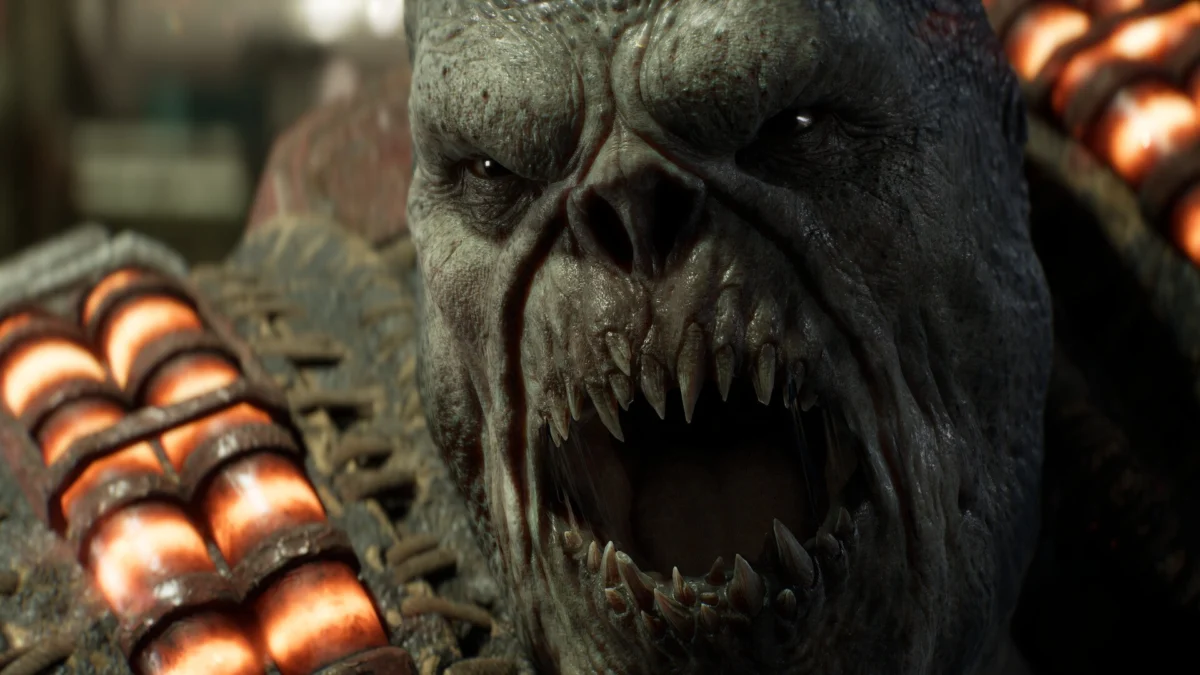
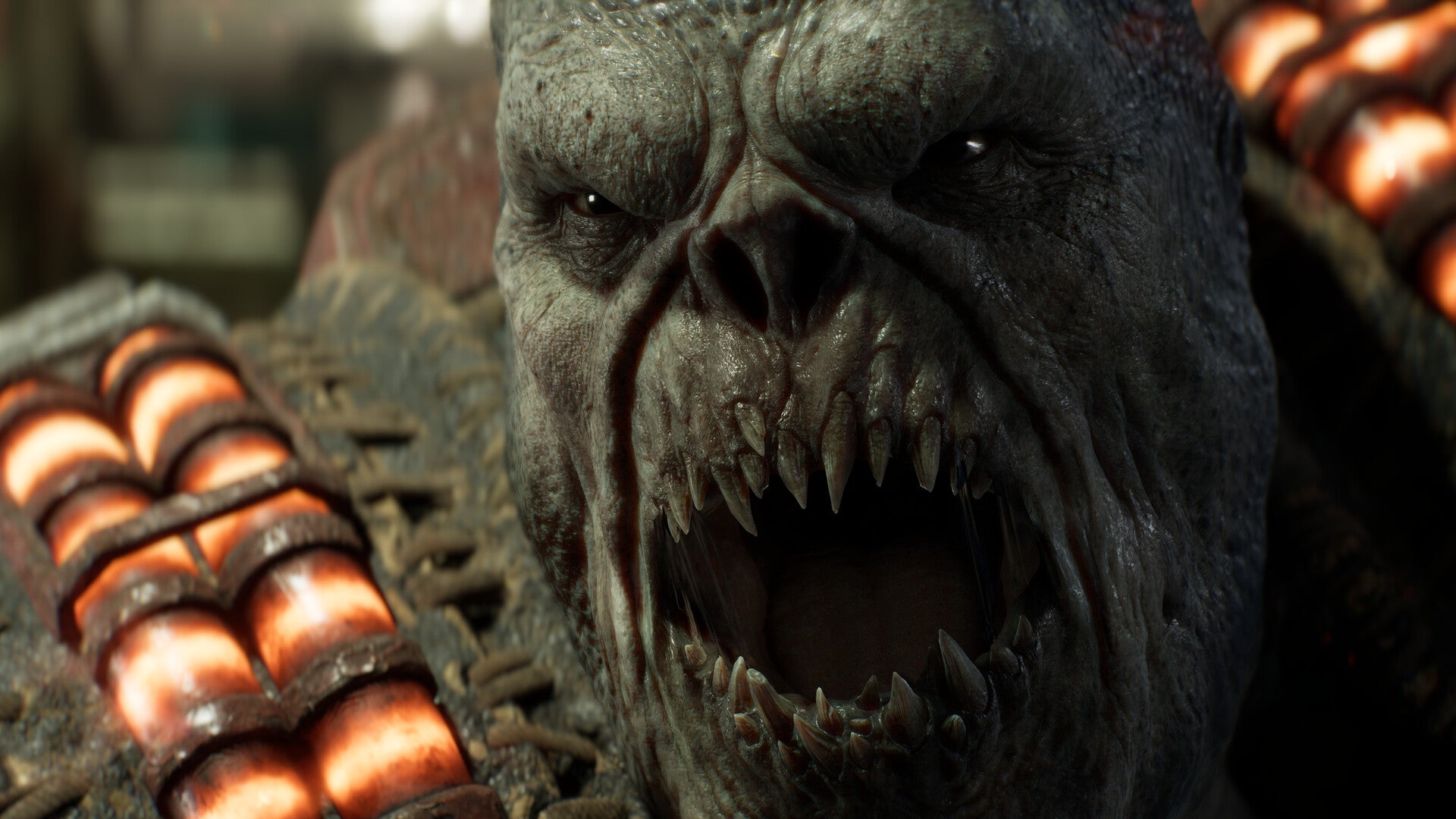
The anticipation surrounding Gears of War: E-Day on the Xbox Series X marks a significant pivot for The Coalition. By returning to the franchise’s origins—specifically the chaotic "Emergence Day" that defined the series’ initial lore—the developer is leveraging long-standing player sentiment while introducing modernized mechanics. Central to this resurgence is the refinement of the Horde Siege mode.
Historically, Gears of War pioneered the wave-based survival genre. However, the iteration seen in E-Day represents a departure from the linear, constrained combat arenas of the early 2000s. Contemporary analysis of the title’s mechanics highlights an emphasis on open-ended map design and "emergent gameplay," where cross-squad interplay dictates the flow of battle. Data from playtesting sessions suggests that this shift toward environmental complexity significantly increases replayability, effectively bridging the gap between the franchise’s arcade-style roots and the demand for deeper, systemic engagement. Industry observers note that by focusing on cooperative synergy, The Coalition is effectively positioning the title as a cornerstone of the Xbox ecosystem’s long-term service model, aiming to sustain engagement well beyond the initial launch window.
Narrative Depth in The Blood of Dawnwalker
The Blood of Dawnwalker has emerged as a focal point for critics and players alike, particularly for its approach to branching narrative structures. On the PlayStation 5, the game offers a dense, character-driven experience centered on the high-stakes ultimatum of saving one’s family from the antagonist Brencis.
The structural success of The Blood of Dawnwalker lies in its commitment to "environmental storytelling." Rather than relying solely on scripted cutscenes, the game rewards players who investigate the periphery of its world. A key example of this is the character Xanthe, a complex figure whose backstory is entirely optional yet integral to the game’s broader thematic exploration of morality. By allowing players to strike deals with morally ambiguous NPCs, the game forces a tangible interaction with its lore. This design choice highlights a broader industry trend toward "consequence-driven exploration," where the player’s agency in dialogue and discovery directly impacts the emotional resonance of the finale. The game’s ability to weave "heartfelt" stakes into a "twisted" vampire setting underscores the sophisticated writing standards currently being adopted by mid-to-large-scale RPG developers.
The Technological Resurgence of Quake 3 Arena
The recent reappearance of Quake 3 Arena—specifically via browser-based emulation—serves as a case study in the longevity of engine architecture. While the original release of Quake 3 in 1999 set the gold standard for competitive arena shooters, its current accessibility via web browsers is facilitated by modern compilation techniques.
The recent iteration, recompiled with the assistance of artificial intelligence, demonstrates that the core "game loop" of the title remains as compelling today as it was twenty-five years ago. During tests conducted this week, the sheer density of players on single maps highlighted the chaos that originally defined the franchise. From a technical standpoint, the ability to run such resource-intensive software within a browser environment speaks to the efficiency of modern WebAssembly and related web technologies.
The broader implication here is the preservation of gaming history. As the industry grapples with the loss of older titles due to hardware obsolescence, browser-based recompilation offers a viable path for the preservation of competitive multiplayer experiences. The fact that such a title continues to generate high levels of engagement—despite the lack of modern graphical fidelity—is a testament to the balance of map design and movement mechanics that define classic arena shooters.
Chronology and Industry Context
The events of this week are part of a wider industry timeline that has seen a renewed focus on both "Prestige Legacy" titles and "Emergent Narrative" experiences.
- 1999: Quake 3 Arena launches, setting the standard for 3D arena shooters.
- 2006: The original Gears of War launches, popularizing the cover-shooter mechanic and cooperative Horde modes.
- Early 2024: The industry sees a 15% increase in "legacy port" investment as developers look to stabilize revenue through established IP.
- October 2024: The convergence of E-Day’s tactical expansion and the narrative depth of titles like The Blood of Dawnwalker highlights a two-pronged strategy: improving established mechanics while deepening thematic content.
Broader Impact and Implications
The current state of gaming, as illustrated by these three distinct examples, points to a maturation of player expectations. There is a distinct move away from simplistic gameplay loops toward experiences that offer either high-level tactical depth or profound narrative consequence.
The success of Horde Siege in Gears of War suggests that developers are listening to the demand for "popcorn-style" engagement—moments of high intensity that do not require an exhaustive time investment, yet offer enough systemic complexity to remain fresh. Conversely, the deep-dive approach taken by players in The Blood of Dawnwalker proves that there is a significant, highly engaged audience for games that demand thorough exploration and investment in non-linear storytelling.
Finally, the browser-based accessibility of Quake 3 serves as a reminder that the "floor" for quality in the gaming industry is higher than ever. Titles that mastered their fundamental design—movement, weapon balance, and map flow—do not lose their relevance. Instead, they become the bedrock upon which modern AI-assisted porting can build, ensuring that even as technology advances, the seminal experiences of the past remain accessible.
As we look toward the remainder of the quarter, the industry is poised to continue this trend of "Refined Nostalgia." Developers are increasingly finding that the most effective way to engage a modern audience is to pair the high-fidelity graphical capabilities of the current generation with the proven, timeless design principles of the previous three decades. Whether through the lens of a tactical cover-shooter, an intricate vampire RPG, or a high-speed arena classic, the goal remains the same: to create an environment where the player feels both challenged by the systems and invested in the outcome. As the archival data from our ongoing "What We’ve Been Playing" series continues to show, the diversity of titles currently being played reflects a healthy, multi-faceted ecosystem that refuses to rely on a single genre to drive growth.