


The streaming landscape continues to shift toward genre-specific content, with Tubi announcing a significant expansion of its partnership with prolific horror author R.L. Stine. The platform confirmed this week that it is developing a live-action feature film adaptation of Stine’s 1989 seminal novel, The Babysitter. The film, slated for a 2027 release, represents a strategic pivot for the streamer as it moves beyond anthology-based adaptations into more expansive narrative territory based on Stine’s classic literary catalog.
The announcement was made in the lead-up to New York Comic Con, coinciding with the October 9 release of the streamer’s latest project, Pumpkinhead 2. The event featured key stakeholders, including Stine himself, Tubi’s Chief Content Officer Adam Lewinson, filmmaker Jem Garrard, and television personality Jimbo, highlighting the streamer’s commitment to high-profile genre collaborations.
A Legacy of Suspense: From Page to Screen
First published in 1989, The Babysitter stands as one of the most recognizable works in the Young Adult horror genre. The novel introduced readers to Jenny, a 16-year-old protagonist whose ambition to attend a prestigious writing program leads her into a precarious professional situation. The narrative, which centers on the psychological and physical dangers of babysitting, became a blueprint for 1990s slasher-adjacent fiction.
The original book’s success spawned three sequels: The Babysitter II (1991), The Babysitter III (1993), and The Babysitter IV (1995). These works were instrumental in cementing Stine’s reputation as the preeminent voice in children’s and YA horror. While the first installment focused on the immediate threat to Jenny, the sequels explored the lingering trauma of the events and expanded the scope of the horror, with the third book shifting the perspective to Jenny’s cousin, Debra.
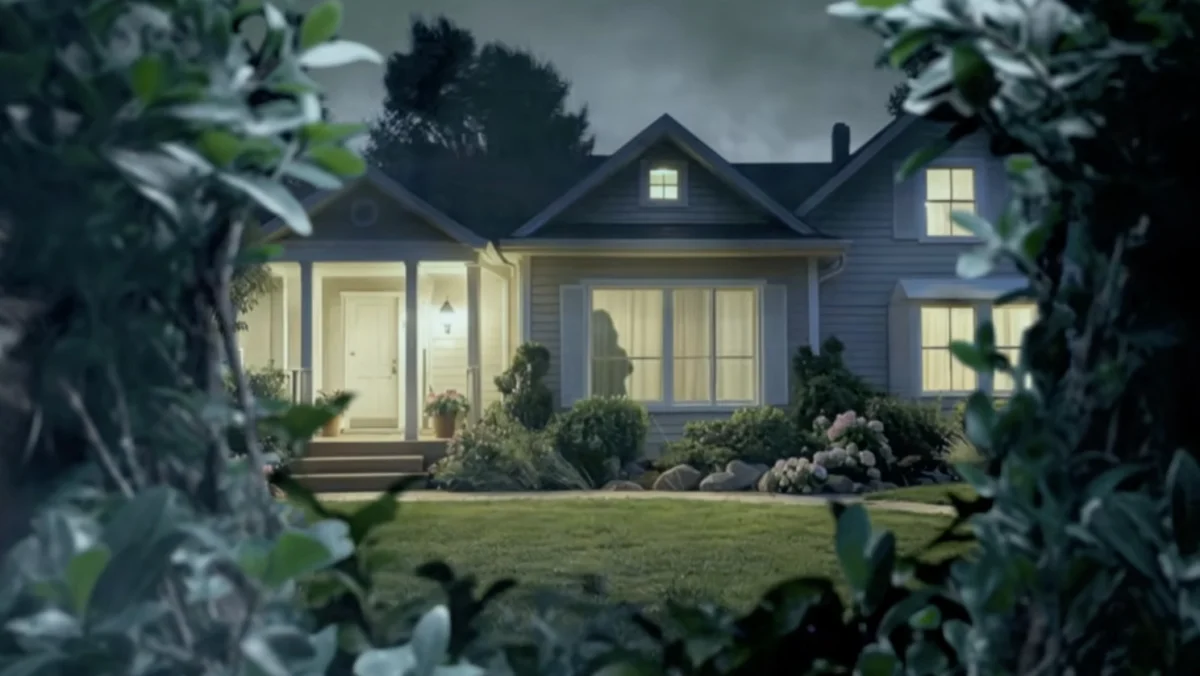
The upcoming film adaptation will reintroduce this narrative to a contemporary audience. The plot follows Jenny as she accepts a babysitting gig to fund her academic pursuits, even as reports of a local prowler begin to dominate community discussions. As the narrative progresses, the atmospheric tension rises, with Jenny receiving threatening phone calls that mirror the suspenseful tropes that made the original book a bestseller.
Production and Creative Leadership
The project is currently in early development, with Blue Ice serving as the lead production house. Jem Garrard, a frequent collaborator with the platform, has been tapped to write and executive produce the film. Directorial duties will be handled by Trevor Calverley, an industry veteran with extensive experience in cinematography and directing.
The production team is robust, featuring executive producers Lance Samuels, Joan Waricha, Jane Stine, and Garrard. The production unit includes Dan Bernard, Yvonne Bernard, Tebogo Maila, Darren Cameron, and Adam Friedlander. By assembling this team, Tubi is signaling its intent to treat the material with a level of production value that distinguishes it from standard direct-to-streaming fare.
"R.L. Stine has an incredible ability to tell stories that are scary, fun and endlessly entertaining, and that combination continues to connect with Tubi viewers," said Adam Lewinson, Tubi’s Chief Content Officer. "With The Babysitter, one of R.L. Stine’s most iconic novels, we’re delivering a fresh, fun thrill ride for longtime fans and a whole new generation."
Strategic Shifts in Tubi’s Content Strategy
The Babysitter is a departure from previous Tubi-Stine collaborations, which primarily drew from the Nightmare Hour and Haunting Hour anthologies. By selecting a standalone novel series, Tubi is moving toward "franchise building" rather than episodic or anthology-style storytelling.
This shift is part of a broader data-driven content strategy. Tubi has observed that its viewers show high engagement rates with horror content that leans into nostalgic properties. By mining the late 1980s and early 1990s bibliography of Stine, the streamer is effectively bridging the gap between adult audiences who grew up reading these novels and younger viewers who consume short-form horror content on social media.
In addition to The Babysitter, the streamer has greenlit Afraid of Clowns, which is also scheduled for 2027. This project, based on a short story from The Nightmare Hour, will be written and directed by Jem Garrard. The cast includes Frankie Honey, Ava Ferrer, Azriel Dalman, Joe Moore, and RuPaul’s Drag Race All Stars winner Jimbo. The film centers on a mysterious clown troupe led by a figure known as Ringmaster Rollo and explores themes of childhood disappearance and suburban paranoia.
Market Context and Implications for Streaming Horror
The streaming industry has faced mounting pressure to differentiate its offerings in an increasingly saturated market. Horror has proven to be a particularly resilient vertical. According to recent industry analytics, horror films consistently rank among the top genres for "completer rates"—a metric that measures the percentage of viewers who finish a film once they begin it.
Tubi’s investment in these titles serves two purposes: increasing the library’s prestige and securing a loyal, recurring audience. By positioning Stine as the cornerstone of its horror catalog, Tubi is creating a "branded" experience similar to how other platforms use established IP to drive subscriptions.
Furthermore, the integration of high-profile, non-traditional talent—such as drag performer Jimbo—into these productions suggests a move toward cross-platform appeal. By blending traditional horror, nostalgic YA literature, and modern pop-culture figures, Tubi is positioning its horror slate as a destination for diverse demographics.
Looking Ahead: The 2027 Horizon
The 2027 slate, which now includes both The Babysitter and Afraid of Clowns, suggests that the streamer is looking toward a multi-year content roadmap. This deliberate pacing allows for extended marketing windows, which are essential for building anticipation around long-form projects.
The decision to lean into the Redhaven-style universe—a recurring thematic setting in the streamer’s Stine adaptations—provides a connective tissue between disparate films. As seen with the teaser for Afraid of Clowns included in the recent Pumpkinhead 2 release, Tubi is cultivating a "cinematic universe" feel that encourages viewers to engage with the entire catalog rather than viewing films in isolation.
The success of these upcoming projects will likely determine the extent of future investments in the R.L. Stine back catalog. With dozens of novels available for adaptation, the current strategy could evolve into a long-running series of features that solidify Tubi’s reputation as the primary streaming home for accessible, high-quality horror content.
As production begins, the industry will be watching closely to see how these adaptations handle the transition from the page to the screen. For now, the combination of Stine’s proven storytelling techniques and a clear, focused production strategy places the streamer in a strong position to capture the attention of both longtime fans and a new, digital-native audience. Whether these films can achieve the same cultural impact as the source material remains to be seen, but the intent to honor the original tone while modernizing the delivery is clear. With the release of Pumpkinhead 2 already in the rearview mirror and the development of these next titles well underway, Tubi’s commitment to the genre is not merely a passing phase but a foundational pillar of its long-term growth strategy.