

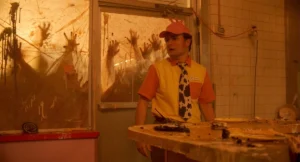
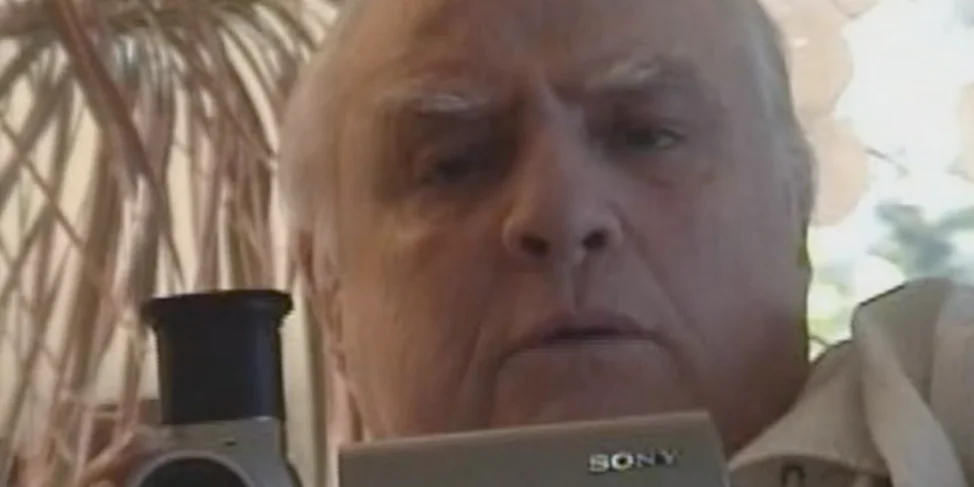
The tumultuous journey of artistic creation within the monolithic structure of Hollywood is a narrative as enduring as cinema itself. For filmmaker Tony Kaye, this narrative reached a fever pitch during the production of his critically acclaimed 1998 directorial debut, "American History X." Now, with his documentary "Humpty Dumpty X," Kaye offers an unvarnished, often darkly humorous, and deeply personal account of the battles fought not on set, but in the post-production and distribution phases that followed, threatening to shatter his vision and reputation. This 74-minute film provides an unprecedented, decade-spanning window into the clash between an artist’s unwavering vision and the commercial imperatives of the studio system.
The saga of "American History X" has long been etched into Hollywood lore, a cautionary tale of creative friction. However, "Humpty Dumpty X" transcends mere historical documentation. It stands as a rare instance where the original filmmaker himself turns the lens on his own creative process and its painful dissection. While parallels can be drawn to Francis Ford Coppola’s introspective documentary "Hearts of Darkness: A Filmmaker’s Apocalypse," which chronicled the chaotic production of "Apocalypse Now," Kaye’s endeavor takes a distinctly different path. Instead of focusing on the on-set pandemonium, "Humpty Dumpty X" delves into the nearly 30 years of post-production and distribution struggles, interspersed with contemporary footage of Kaye reflecting on the fiercely combative process. This unique approach, utilizing a vast archive of personal footage, transforms the documentary into a potent video essay and autobiography.
The Genesis of Conflict: "American History X" and Its Troubled Birth
"American History X" emerged as a powerful and searing examination of racism and neo-Nazism in America, propelled by a raw and visceral performance from Edward Norton as Derek Vinyard. Upon its release, the film garnered critical acclaim for its unflinching portrayal of societal ills and its complex exploration of redemption. However, the path to the silver screen was anything but smooth. Reports from the time indicated significant creative disagreements between Kaye and New Line Cinema, the studio behind the film. These disputes reportedly centered on editorial control, with Kaye advocating for a specific cut that he believed best represented his artistic intent, while the studio sought a more commercially palatable version.
The tensions reportedly escalated to a point where Kaye took extreme measures to distance himself from the final product he felt was compromised. He allegedly attempted to have his name removed from the film, even going so far as to credit himself as "Derek Vinyard" in a protest against the studio’s perceived manipulation of his work. This level of artistic defiance was, and remains, an extraordinary event in mainstream filmmaking, underscoring the depth of Kaye’s conviction and the intensity of his creative conflict.
"Humpty Dumpty X": A Chronicle of Post-Production Warfare
"Humpty Dumpty X" is not a typical documentary; it is a deeply personal excavation. Kaye, serving as both director and writer, employs a kinetic and provocative style that seamlessly bridges the gap between his narrative filmmaking and his documentary work. The film is a testament to his enduring directorial signature, characterized by a raw energy and an uncompromising approach to subject matter. This stylistic consistency is arguably the documentary’s most compelling feature. While many narrative filmmakers find their distinctive flair diluted when transitioning to documentary, Kaye’s personality and artistic sensibilities shine through.
The older footage, imbued with the chaos and intensity of the original disputes, is expertly interwoven with Kaye’s contemporary reflections. This juxtaposition creates a powerful sense of immediacy and allows the audience to witness the evolution of Kaye’s perspective over nearly three decades. The documentary functions as a visual diary, a raw and unfiltered chronicle of a filmmaker’s fight for his artistic integrity. While some of the newer, more polished talking-head segments occasionally feel slightly incongruous with the gritty aesthetic of the archival material, Kaye masterfully employs text, music, and his own narration to infuse the story with vitality and convey the profound frustrations he experienced.
Unflinching Transparency and Artistic Integrity
A truly admirable quality of "Humpty Dumpty X" is Kaye’s profound transparency. He exhibits no reticence in portraying himself in a less-than-flattering light, admitting to his own difficult nature or, perhaps, simply being unaware of how his actions might be perceived. This absence of a filter lends a raw, almost vérité-like authenticity to the saga of bringing "American History X" to completion. The process of creating "Humpty Dumpty X" itself, and its final form, exude a deeply personal and reflective quality that commands respect.
"American History X" marked Kaye’s baptism by fire in the Hollywood system. The archival footage and the stories he has meticulously preserved offer a fascinating glimpse into a system that has, arguably, produced similar conflicts for countless other artists. Kaye’s unwavering insistence on maintaining his artistic vision, and the ensuing challenges he faced from producers, executives, and other studio gatekeepers, resonate deeply with anyone who has ever dared to create art. The fundamental desire to protect one’s work from compromise and to retain authorship over a labor of passion is a universal experience for creators. The threat of having one’s name removed from a project to which immense effort and soul have been dedicated is a stark reality of navigating the commercial landscape of artistic endeavor.
The Limitations of a Singular Focus
Despite the compelling personal narrative and the broader implications for artistic freedom, "Humpty Dumpty X" grapples with certain limitations stemming from its intensely focused approach. The film, while an intimate autobiography and a video essay, sometimes feels repetitive in its exploration of the central conflict. The back-and-forth exchanges between Kaye and various studio representatives, while initially engaging, can lose their impact over repeated viewings. The film’s relatively short running time of 74 minutes acknowledges this potential for narrative fatigue, yet the subject matter holds the potential for a more expansive examination of the studio system’s impact on artistic expression.
The concluding segment of the documentary, which presents a textual rundown of Kaye’s subsequent directorial work, feels somewhat disconnected from the preceding visual narrative. Without the accompanying footage of phone calls and meetings that characterized the earlier parts of the film, these later career highlights appear more as appended information rather than integral components of the story. The decision to anchor the film so heavily in archival footage from the post-production phase, while providing a unique perspective, may have inadvertently limited its capacity to offer a more substantial or far-reaching statement. While Kaye’s distinctive style injects energy and keeps the viewing experience engaging, the reliance on a series of disparate archival clips occasionally renders the narrative less cohesive than it could be, preventing it from achieving a truly lasting impact.
Broader Implications and Artistic Resistance
The singular quality of Kaye’s documentary makes it an enjoyable and accessible watch, particularly for those with an interest in the intricate workings of the studio filmmaking process. Fans of "American History X" will undoubtedly find fascination in the insider details and the gossip surrounding the film’s production, including insights into the dynamics with its star, Edward Norton. Kaye’s intense demeanor and his confrontational approach to conflict make him a compelling and captivating subject for a documentary. However, one might ponder whether a slightly more detached perspective, a moment of reflection or a broader analytical lens, could have elevated "Humpty Dumpty X" into a more essential and universally resonant text.
The film serves as a powerful, albeit personal, testament to the ongoing struggle for artistic autonomy within a commercial industry. It highlights the inherent tension between creative ambition and the economic realities that often dictate the final shape of cinematic works. Kaye’s experience with "American History X" and its subsequent protracted post-production became a defining moment in his career, shaping his approach to future projects and solidifying his reputation as a filmmaker who refuses to compromise his artistic vision. The documentary, therefore, is not merely a recounting of past grievances; it is a statement on the enduring challenges faced by artists in a system that often prioritizes profit margins over creative integrity.
The broader implications of Kaye’s struggle extend beyond his personal narrative. They touch upon fundamental questions about authorship, ownership, and the very definition of a filmmaker’s control over their creation. In an era where independent filmmaking continues to face significant financial hurdles and major studios consolidate power, the battles waged by filmmakers like Tony Kaye remain critically relevant. "Humpty Dumpty X" offers a valuable case study, illustrating the personal cost of artistic defiance and the potential for individual perseverance to illuminate the often-opaque machinations of the film industry. While the film may not offer definitive solutions to these complex issues, it powerfully articulates the artist’s perspective, providing a vital counterpoint to the prevailing commercial narrative. The enduring legacy of "American History X" is now inextricably linked to the story of its making, a story that "Humpty Dumpty X" bravely and unflinchingly brings to light.