
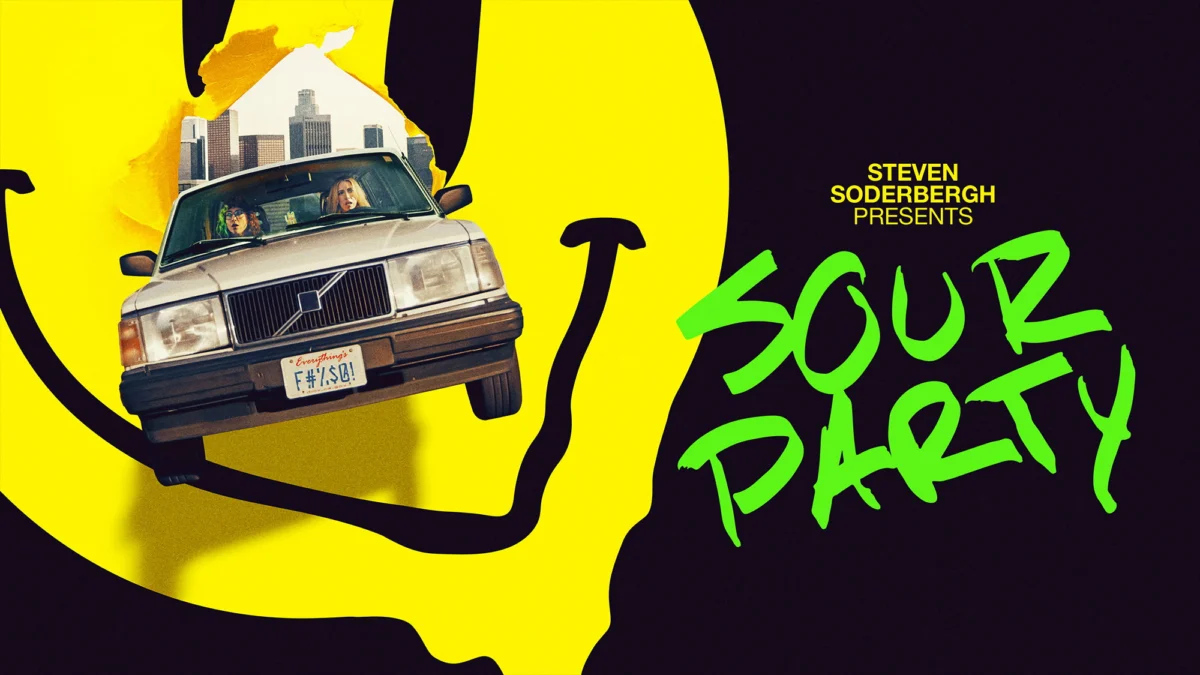
Starboard Entertainment has officially unveiled a new trailer for the independent comedy film Sour Party, directed by the filmmaking duo known as "The Drextons," comprised of Amanda Drexton and Michael A. Drexton. This marks their feature directorial debut, a project that first garnered attention at film festivals in 2023 and is now slated for a direct-to-VOD release on July 24, 2026. The film’s journey to a wider audience has been significantly bolstered by the unexpected endorsement of acclaimed director Steven Soderbergh, who is "presenting" the picture, lending substantial credibility and visibility to the micro-budget production.
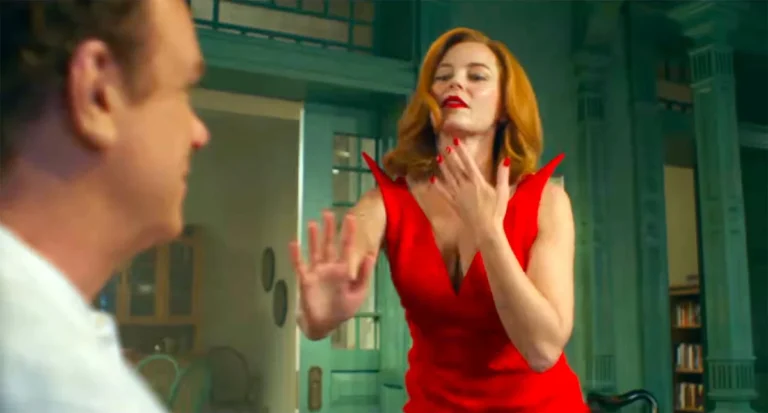
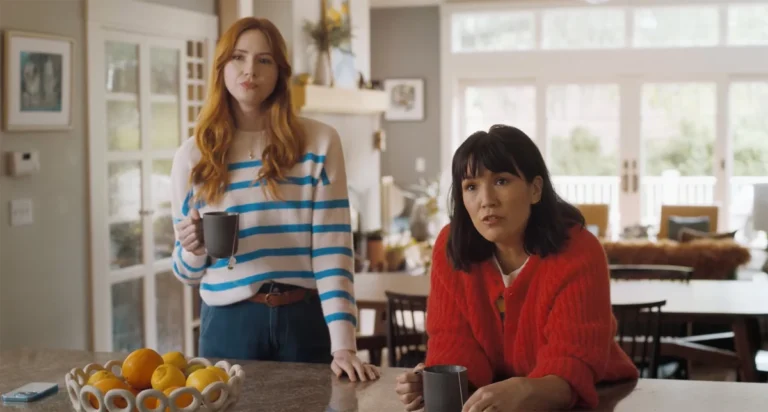
The announcement of a new trailer, distributed on June 18, 2026, through YouTube, reignites interest in Sour Party, which follows the misadventures of Gwen and James, two financially struggling 30-somethings. Portrayed by Samantha Westervelt and Amanda Drexton, respectively, the characters embark on a desperate quest to collect money from a motley assortment of low-lives and failed artists. Their objective: to secure a suitable gift for Gwen’s sister’s baby shower, adhering to the demands of a registry. The premise, described as "wacky, weird, raucous fun," evokes comparisons to a style of "stoner comedies" that have become less prevalent in contemporary cinema.
The Genesis of Sour Party: A Phoenix from the Ashes
The Drextons’ journey to Sour Party is a testament to resilience and independent spirit. As articulated by the filmmakers themselves, the project was "conceived from the ashes of one of our biggest filmmaking disasters." This candid admission highlights the often-unseen struggles and setbacks inherent in independent filmmaking. Rather than succumbing to a previous failure, the duo channeled their experiences into a narrative that explores themes of failure and the profound strength of female friendship. This origin story resonates with Soderbergh’s philosophy, who champions artists who "creat[e] their own opportunity instead of waiting for one to present itself."

Filmed entirely in Los Angeles on a micro-budget, Sour Party is described by its creators as a "love letter to the city," underscoring the intrinsic connection between the film’s setting and its narrative soul. The production relied heavily on the "generous help of so many talented friends and collaborators," including co-story writer and co-star Samantha Westervelt and production designer Lauren Argo. This collaborative ethos, often a hallmark of successful micro-budget projects, allowed the Drextons to overcome financial constraints and realize their creative vision, a practice that Soderbergh himself has often employed throughout his varied career.
Steven Soderbergh’s Endorsement: A Catalyst for Indie Cinema
The involvement of Steven Soderbergh as a presenter for Sour Party is a significant development for the film and for independent cinema at large. Soderbergh, an Academy Award-winning director known for films such as Traffic, Erin Brockovich, and Ocean’s Eleven, has a long-standing history of supporting innovative and unconventional filmmaking. His career trajectory, from his breakthrough independent film Sex, Lies, and Videotape (1989) to his more recent experimental projects and advocacy for new distribution models, positions him as a credible and influential voice in the industry.
Soderbergh’s statement regarding Sour Party offers insight into his motivation: "Sour Party is my favorite kind of indie film success story: a group of artists creating their own opportunity instead of waiting for one to present itself. That kind of indomitable spirit infuses every aspect of this movie, and I also believe the world needs more comedies!" This endorsement is more than just a name-drop; it’s a validation of the film’s artistic integrity and the tenacious spirit of its creators. For many independent filmmakers, securing such a prominent advocate can be a game-changer, elevating a film from obscurity to widespread attention. His public backing helps cut through the noise of an oversaturated market, signaling to potential viewers and industry professionals that Sour Party is a project worth noting. This act of "presenting" a film is a strategic move, leveraging an established brand to provide a launchpad for emerging talent, a practice Soderbergh has engaged in with other projects, often through his own production and distribution ventures.
The Drextons: A New Voice in Independent Comedy

Amanda Drexton and Michael A. Drexton, collectively "The Drextons," bring a unique perspective to their feature debut. While Sour Party is their first full-length film, their creative partnership has been honed through previous short film projects. Their dual roles as writers, directors, and producers on Sour Party underscore their comprehensive involvement and singular vision for the project. Amanda Drexton also takes on a starring role as James, further embedding their personal investment in the narrative.
Their collaborative approach extends beyond their partnership, as evidenced by their acknowledgment of co-story writer and co-star Samantha Westervelt. This collaborative spirit, often essential in micro-budget productions, allows for a synergy of ideas and a pooling of resources that might otherwise be unavailable. The Drextons’ ability to translate a deeply personal experience of "failure" into a comedic exploration of friendship and perseverance speaks to their potential as storytellers capable of finding humor in adversity. Their "love letter to the city" of Los Angeles also suggests a keen observational eye for local culture and character, which often serves as a rich backdrop for independent narratives.
Notable Cast Members Elevate the Ensemble
The cast of Sour Party features a blend of established names and emerging talents, further enhancing its appeal. Samantha Westervelt and Amanda Drexton lead the film as Gwen and James, anchoring the narrative with their portrayal of flawed but relatable characters. Their chemistry is crucial for a buddy comedy, particularly one focused on the bonds of female friendship.
The inclusion of actors like Corey Feldman and Reggie Watts adds a layer of intrigue and draws additional attention to the film. Corey Feldman, a prominent child actor from the 1980s known for iconic films such as The Goonies, Stand by Me, and The Lost Boys, has navigated a complex career path. His participation in an indie project like Sour Party highlights the diverse roles he continues to undertake and his willingness to engage with independent cinema. His presence is likely to evoke nostalgia for some audiences while also demonstrating the film’s potential to attract a broad viewership.

Reggie Watts, a musician, comedian, and actor renowned for his improvisational skills, unique vocal performances, and genre-bending artistry, brings a distinctive comedic sensibility to the ensemble. Watts’s unconventional style and ability to blend humor with musicality could contribute significantly to the film’s "wacky, weird, raucous fun" aesthetic. His presence suggests a willingness on the part of the filmmakers to embrace experimental and avant-garde comedic elements, aligning with the film’s independent spirit. Douglas Bennett rounds out the notable cast, contributing to the diverse array of "checkered characters" Gwen and James encounter. The combination of these performers promises a dynamic and unpredictable comedic experience.
Festival Circuit and Distribution Strategy
Sour Party began its journey through the film festival circuit in 2023, a common and crucial step for independent films seeking exposure and distribution. Its premiere at the Chattanooga Film Festival is notable, as this festival is known for showcasing a diverse range of independent features, documentaries, and genre films, often with a focus on emerging talent. Following its debut, the film also screened at the Sydney Underground Film Festival, an event celebrated for its daring and unconventional programming. These festival appearances provided vital early buzz and validation for the film, allowing it to be seen by critics, industry professionals, and enthusiastic audiences.
The gap between its 2023 festival run and its 2026 VOD release highlights the often-challenging road to securing distribution for independent films. Even with positive festival reception, finding a distributor willing to invest in a theatrical release can be difficult, particularly for micro-budget comedies. The eventual partnership with Starboard Entertainment for a direct-to-VOD release on July 24, 2026, represents a pragmatic and increasingly common strategy in the contemporary film landscape. VOD platforms offer independent films a direct pathway to audiences, bypassing the prohibitive costs and logistical complexities of traditional theatrical distribution. This model allows films like Sour Party to reach a global audience, making it accessible to viewers who might not have access to limited theatrical runs. The VOD release also aligns with Soderbergh’s interest in exploring alternative distribution methods, having himself experimented with direct-to-streaming releases and same-day theatrical and VOD launches in the past.
Broader Implications for Micro-Budget Filmmaking

The narrative of Sour Party—from its humble origins and "disaster" genesis to its festival recognition and Soderbergh-backed VOD release—offers several significant implications for the broader micro-budget filmmaking community. Firstly, it underscores the power of perseverance and self-reliance. The Drextons’ decision to create their own opportunity, rather than waiting for external validation, exemplifies the entrepreneurial spirit essential for independent artists. This approach serves as an encouraging model for other aspiring filmmakers facing similar resource limitations.
Secondly, the film’s success in attracting a high-profile "presenter" like Steven Soderbergh demonstrates the potential for quality and unique vision to cut through the noise. Soderbergh’s endorsement is not merely an act of charity but a recognition of the film’s artistic merit and the filmmakers’ talent. This can inspire a renewed focus on creative originality and distinct storytelling within the independent sector, as filmmakers realize that exceptional work can indeed attract influential allies.
Thirdly, the VOD distribution strategy for Sour Party reflects the evolving landscape of film exhibition. In an era where streaming platforms dominate content consumption, VOD offers a viable and often preferable route for independent films. It democratizes access for both creators and audiences, allowing a wider array of voices to be heard without the traditional gatekeepers of major studios. This trend empowers filmmakers to retain more creative control and potentially higher revenue shares, fostering a more sustainable ecosystem for independent cinema. The film’s category as an "Indie" and "To Watch" further solidifies its position within this dynamic and often experimental segment of the film industry.
In conclusion, Sour Party is more than just a chaotic comedy; it is a testament to the enduring spirit of independent filmmaking. With its unique premise, dedicated creative team, eclectic cast, and the significant backing of Steven Soderbergh, the film is poised to capture the attention of audiences seeking genuine, unvarnished comedic entertainment. Its journey from a personal "disaster" to a celebrated VOD release underscores the resilience, creativity, and collaborative spirit that continue to drive innovation in the world of cinema. As it prepares for its July 24, 2026, release, Sour Party stands as a compelling example of what can be achieved when artists create their own opportunities and find champions for their vision.