


Epic Games has officially unveiled the roadmap for its next-generation development platform, Unreal Engine 6 (UE6), signaling a transformative shift in how digital assets and player identities function across the gaming landscape. During the latest State of Unreal broadcast, company leadership detailed a vision where the boundaries between individual titles blur, allowing for unprecedented interoperability. The centerpiece of this strategy is the introduction of a "shared economy" for digital assets, starting with the ability for players to move their Fortnite cosmetics into other Unreal Engine-powered games and vice versa. This move represents a significant evolution from traditional closed-loop ecosystems toward a more interconnected "metaverse" framework that prioritizes portable player value and cross-platform synergy.
The Foundation of a Shared Economy
Development team lead Marcus Wassmer introduced the concept of asset portability as a core pillar of the Unreal Engine 6 architecture. According to Wassmer, the objective is to move away from the "siloed" nature of modern gaming, where purchases and progress are locked within a single software environment. Epic Games intends to make content and code portable across different games and engine versions, effectively creating a standardized language for digital items.
Wassmer cited Metcalfe’s Law—a principle stating that the value of a telecommunications network is proportional to the square of the number of connected users of the system—as the theoretical backbone of this initiative. By connecting the social graphs and digital inventories of disparate games, Epic aims to create a "positive-sum dynamic" where the value of a player’s investment increases as the ecosystem expands.
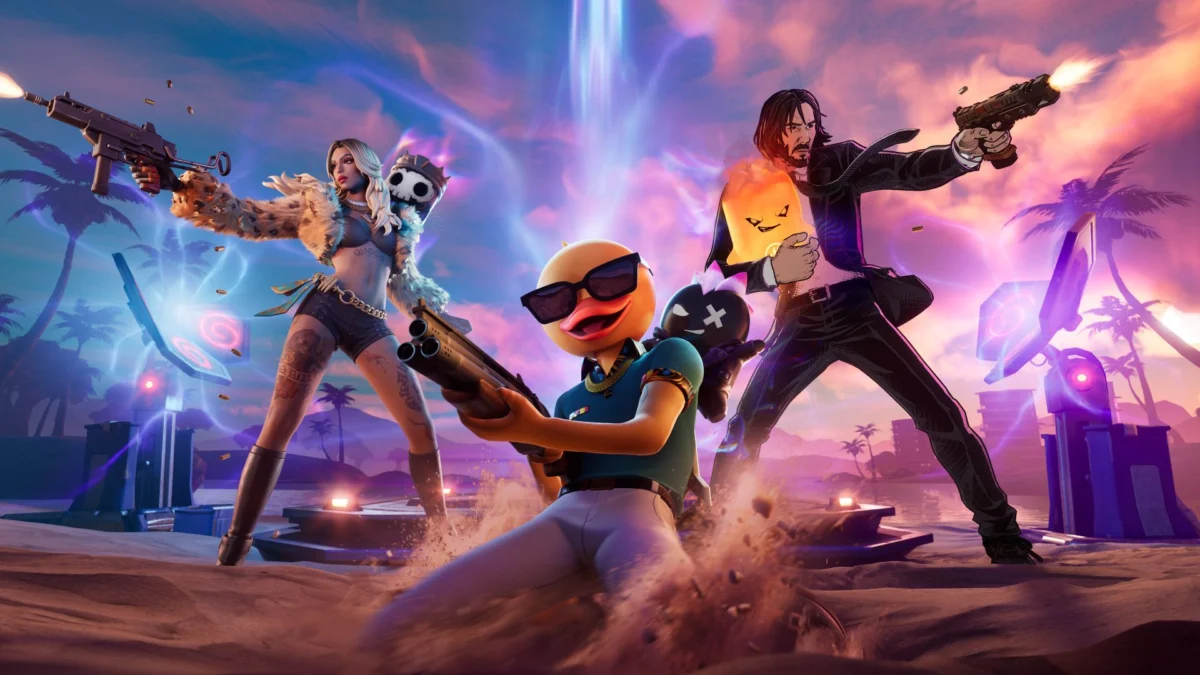
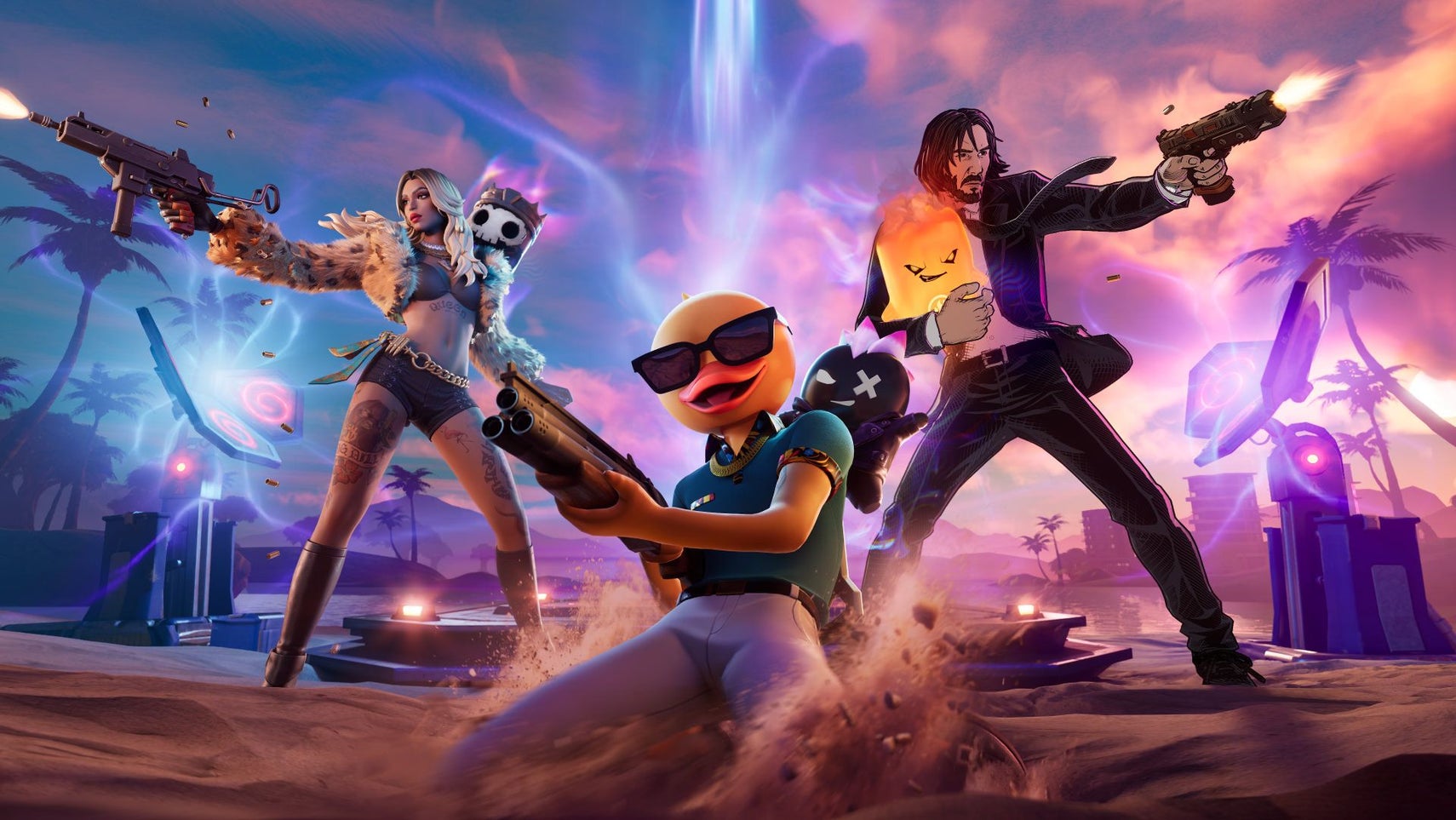
The first practical application of this technology will involve Fortnite’s vast library of cosmetic items. Epic Games plans to migrate the base system for these cosmetics to an open UE6 module. This transition will provide developers with the tools to allow Fortnite outfits to appear in their own original games, while also enabling them to create unique assets that can be utilized within the Fortnite environment. This "proof point of portability" is intended to demonstrate that complex, mature systems can function at scale across different intellectual properties and technical frameworks.
Technical Innovations and Massive Scalability
Beyond asset portability, Unreal Engine 6 is being engineered to handle player counts that far exceed current industry standards. While contemporary multiplayer titles, including Fortnite, typically cap at around 100 players per session to maintain performance and networking stability, Epic Games CEO Tim Sweeney suggested that UE6 will aim for much higher thresholds. Sweeney referenced a future where games could theoretically support thousands, tens of thousands, or even millions of players within a single, persistent environment.
This leap in concurrency requires a fundamental rethinking of server-side architecture and networking code. UE6 is expected to utilize advanced "smart assets"—functional digital objects that carry their own logic and functionality across different games. This ensures that an item does not just look the same in a different engine environment but behaves consistently, maintaining its interactive properties regardless of the host game’s specific mechanics.
The engine will also emphasize platform-agnostic development. A priority for the UE6 development cycle is ensuring that games can operate across mobile, console, and PC platforms without requiring developers to perform extensive manual optimization or code alterations for each version. This "write once, deploy everywhere" philosophy is intended to lower the barrier to entry for cross-platform play and reduce the technical debt often associated with multi-platform releases.
Integration of Generative AI and Large Language Models
In a parallel announcement, Epic Games revealed that Unreal Engine 6 will feature deep integration with generative artificial intelligence and Large Language Models (LLMs). This technology has already begun to roll out in the form of Unreal Engine update 5.8, which serves as a bridge to the next-generation platform.
The integration of LLMs is designed to streamline the development process, allowing creators to use natural language processing to assist with coding, scene building, and asset management. Epic envisions AI as a tool to empower smaller teams to produce AAA-quality content by automating repetitive tasks and providing intelligent suggestions during the creative process. However, the company maintained that these tools are intended to augment, rather than replace, human creativity. Wassmer emphasized that the "Unreal Engine family"—the developers and filmmakers using the tool—remains the primary driver of innovation in the industry.
Chronology and Development Timeline
The transition to Unreal Engine 6 will be a multi-year process, characterized by a gradual rollout and extensive testing phases.
- Late 2024 – Early 2027: Unreal Engine 5 will continue to receive incremental updates (such as the recent 5.8 version) that introduce foundational UE6 technologies, including initial AI tools and modular code structures.
- Late 2027 (Projected): Early access testing for Unreal Engine 6 is scheduled to begin. Epic Games noted that this date is flexible, emphasizing a "2027-ish" window to ensure the stability of the new architecture.
- 2028 – 2029: A full commercial release of Unreal Engine 6 is expected to follow 12 to 18 months after the start of the early access period. During this time, Epic will work closely with lead partners to refine the "shared economy" features and scalability tools.
Analysis of Implications for the Gaming Industry
The shift toward portable assets and a shared economy carries profound implications for the business models of both independent and major game publishers. Currently, the "walled garden" approach allows platforms and publishers to retain total control over their monetization streams. By advocating for a shared economy, Epic Games is challenging the industry to adopt a more open standard that could potentially diminish the exclusivity of digital storefronts.
For developers, the ability to tap into the Fortnite ecosystem offers a significant marketing advantage. A new indie game that allows players to use their existing Fortnite skins may see higher initial engagement and lower friction for user acquisition. Conversely, for Epic Games, this strategy reinforces Fortnite’s position not just as a game, but as a central hub for digital identity. If a player’s skins are usable across dozens of other titles, the perceived value of those skins increases, encouraging further spending within Epic’s ecosystem.
However, the technical and legal hurdles remain substantial. Interoperability requires a standardized approach to "rigging" (the internal skeleton of a 3D model) and "texturing" (the surface detail). Different games have different art styles and physical rules; a character model that looks natural in Fortnite’s stylized world might appear out of place in a photorealistic simulation. Furthermore, licensing agreements for third-party characters (such as those from Disney, Marvel, or DC) are currently negotiated for specific games. Expanding those rights to allow those characters to appear in any Unreal Engine 6 title would require a massive overhaul of intellectual property law and contract negotiation in the digital age.

Official Responses and Strategic Vision
The announcement has generated significant discussion among industry stakeholders. While some developers have expressed excitement about the potential for reduced development times and increased player reach, others remain cautious about the influence Epic Games could wield as the gatekeeper of this shared economy.
Tim Sweeney has long been a vocal advocate for an "open metaverse," and Unreal Engine 6 appears to be the technical manifestation of that philosophy. In recent years, Epic has engaged in high-profile legal battles with Apple and Google over platform fees and monopolistic practices. The move toward UE6 suggests that Epic is attempting to build its own decentralized platform that operates independently of traditional hardware-bound ecosystems.
"UE6 is going to change a lot about how games are made," Wassmer concluded during the broadcast. The company’s focus on "portable player value" suggests a future where a gamer’s identity is no longer tied to a single console or a single title, but is a persistent digital presence that travels with them across the entire Unreal Engine ecosystem.
Conclusion and Future Outlook
As the industry moves toward the late 2020s, the success of Unreal Engine 6 will likely depend on the willingness of other major publishers to participate in Epic’s vision. If successful, UE6 could standardize the "smart asset" framework, making the dream of a truly interconnected digital world a technical reality. For now, the gaming community awaits the first "proof point" in Fortnite, which will serve as the litmus test for whether the games industry is ready to embrace a shared economy or if it will remain a collection of disconnected islands.
With its emphasis on massive player counts, AI-driven development, and cross-game portability, Unreal Engine 6 is positioning itself as more than just a graphics engine; it is aiming to be the operating system for the next era of interactive entertainment. Development will continue over the next several years, with the industry keeping a close watch on the "2027-ish" early access window.