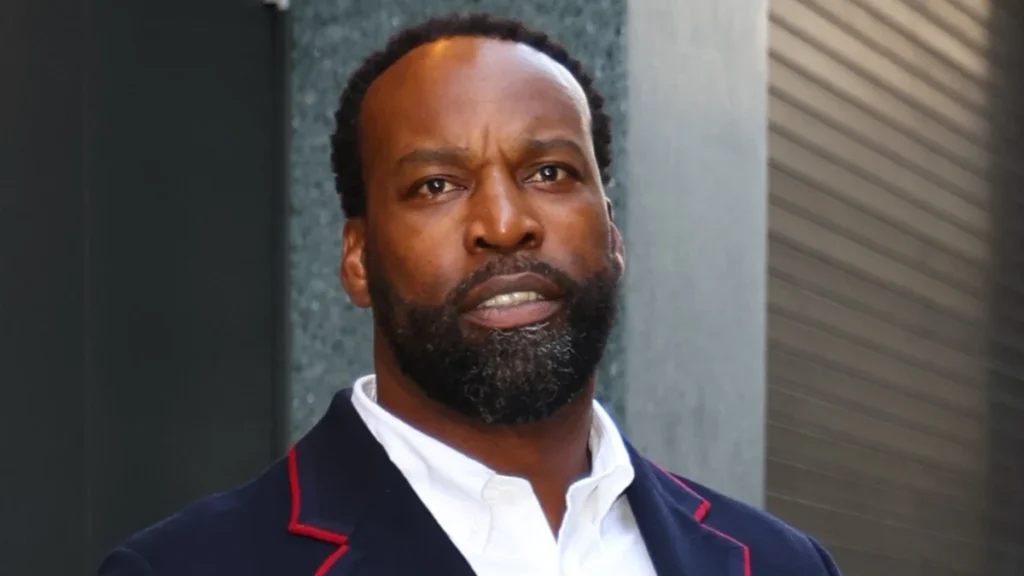



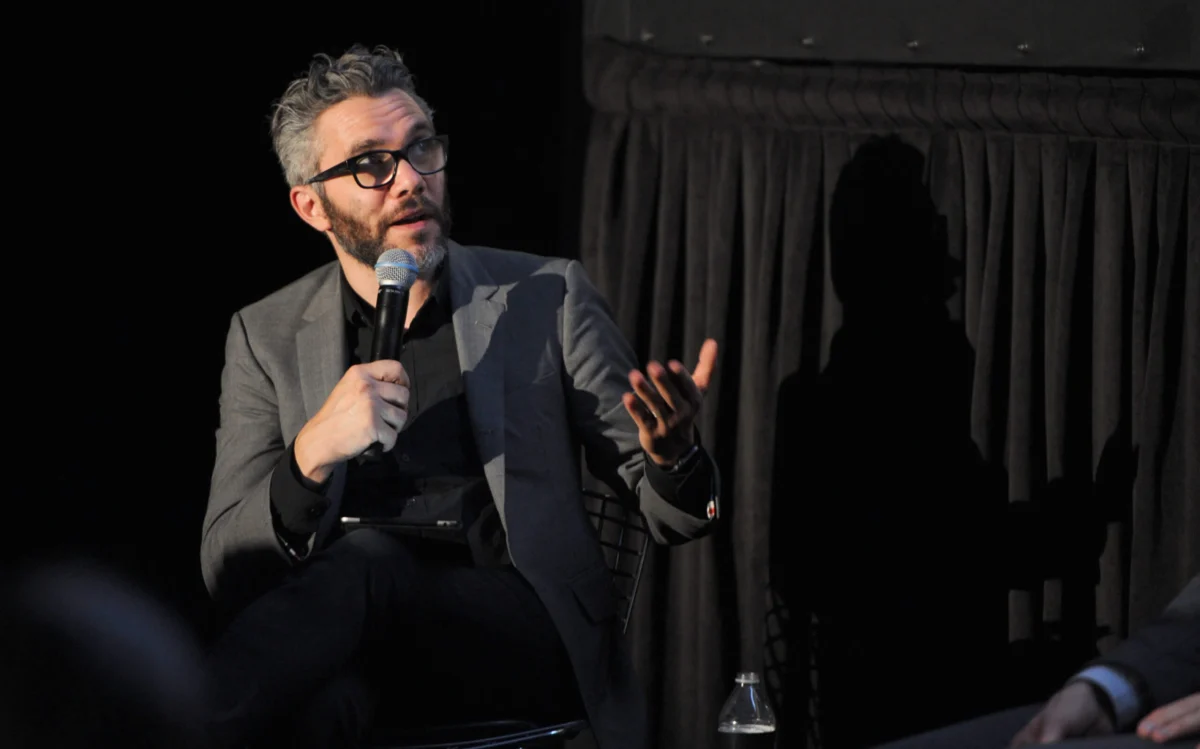
CBS News has officially named Nick Bilton as the new executive producer of "60 Minutes," marking a significant leadership transition for the longest-running and highest-rated news program in American television history. Bilton, a veteran technology journalist and documentary filmmaker, succeeds Tanya Simon, a 30-year veteran of the program who had served as executive producer since 2019. The appointment comes at a pivotal moment for the broadcast, which has maintained its position as the number-one rated news program for 52 consecutive years, but now faces a shifting media landscape and internal questions regarding its editorial direction.
The selection of Bilton represents a departure from traditional network news succession plans. Unlike his predecessors, Bilton does not come from a background in broadcast news management. Instead, his career has been defined by his work as a technology columnist for The New York Times and his recent success in the documentary space, producing and directing high-profile projects for HBO and Netflix. This unconventional choice reflects a broader strategic pivot by CBS News and its parent company, Paramount Skydance, to modernize legacy brands in an era of digital disruption.
The Strategic Vision of Bari Weiss and Nick Bilton
The hiring of Bilton was spearheaded by Bari Weiss, the editor-in-chief of CBS News. According to Bilton, the two first established a connection in Los Angeles through social circles before collaborating on documentary projects, including "Unknown: Killer Robots" and "Biggest Heist Ever." This professional relationship has now culminated in Bilton taking the helm of the network’s most prestigious news asset.
In a phone interview following the announcement, Bilton addressed the skepticism surrounding his lack of traditional newsroom management experience. He emphasized that his primary goal is to protect the show’s legacy while preparing it for a future where traditional broadcast models are increasingly under threat. Bilton’s perspective is rooted in his background as a technology analyst, drawing parallels between the current state of television and previous industry upheavals.
"It’s still the No. 1 news broadcast in America. But history tells you disruption doesn’t happen immediately when new technology comes along—it’s usually a few years later," Bilton said. He cited the fall of Nokia and the peak of print newspaper sales in the late 1990s as cautionary tales for legacy media. "We’re on the precipice of this happening to broadcast TV. What was the best year of sales for Nokia? It was 2008, one year after the iPhone came out. Blogs came out in 1997-98. The New York Times had its best year of sales in 1999."
While Bilton has declined to provide specific details regarding a "complete overhaul," he indicated that his plan for the show would be revealed to the staff in the coming weeks. He maintained that his vision involves maintaining the program’s core mission of accountability while evolving its storytelling methods to reach a broader, digitally native audience.
Internal Friction and Political Implications
Bilton’s arrival coincides with a period of significant unrest within the CBS News organization. Much of this tension stems from the recent merger between Skydance Media and Paramount Global, which placed David Ellison at the helm of a massive media empire that includes CBS, Paramount Pictures, and the Paramount+ streaming service.
The merger has brought about a series of high-profile departures and programming changes that have left some staff members uneasy. Longtime "60 Minutes" correspondent Anderson Cooper recently announced his departure from the show, and earlier this month, CBS aired the final episode of "The Late Show With Stephen Colbert" after the network declined to renew the contract for the 11-season veteran.
Furthermore, the newsroom has been grappling with the fallout of a $16 million legal settlement involving a lawsuit filed by Donald Trump. The former president sued the network in 2024, alleging that "60 Minutes" deceptively edited an interview with his political opponent, Kamala Harris, to present her in a more favorable light. The decision by Paramount leadership to settle the lawsuit rather than fight it in court was met with frustration by several veteran journalists, including longtime correspondent Scott Pelley, who viewed the settlement as a concession that undermined the program’s editorial independence.
Skeptics within the newsroom have raised concerns that recent leadership changes are politically motivated, intended to align the network more closely with a regulatory environment favorable to future business interests. David Ellison is currently exploring a merger between Paramount and Warner Bros. Discovery, a massive consolidation that would require stringent regulatory approval from the federal government.
Bilton has pushed back against these claims, asserting that his appointment is based on merit and a commitment to rigorous journalism. "I will prove it with the work," Bilton stated. "I’m dedicated to holding people in power to account."
A Chronology of Change at CBS News
The transition to Nick Bilton’s leadership is the latest chapter in a multi-year transformation of the network. To understand the current climate, one must look at the timeline of events leading to this week’s announcement:
- September 2016: Nick Bilton makes his mark in the Los Angeles media scene, speaking at the premiere of "Berlin Station," signaling his move from print journalism to television and film production.
- 2019: Tanya Simon is named Executive Producer of "60 Minutes," continuing a three-decade career at the program.
- 2023: Negotiations for the merger of Skydance Media and Paramount Global intensify, eventually leading to a finalized deal that reshapes the corporate hierarchy.
- Late 2024: Donald Trump files a lawsuit against "60 Minutes" over the Kamala Harris interview.
- Early 2025: Paramount Skydance settles the Trump lawsuit for $16 million. Internal dissent grows as veteran staffers express concern over editorial interference.
- June 2025: Scott Pelley and other staff members publicly and privately voice their discontent with the direction of the news division. Anderson Cooper announces his exit from the program.
- July 2025: CBS cancels "The Late Show With Stephen Colbert."
- Current: Nick Bilton is appointed Executive Producer, replacing Tanya Simon.
Analyzing the Data: Ratings vs. Revenue
Despite the internal turmoil, "60 Minutes" remains a financial and cultural powerhouse. According to Nielsen data, the program’s ratings have actually increased by 9% over the past year. This growth is an anomaly in an industry where most linear television programs are experiencing double-digit declines in viewership.
The program’s success is built on a foundation of 52 consecutive seasons as the top-rated news broadcast. However, the business model of CBS is increasingly reliant on streaming and diversified content. The 9% ratings bump, while impressive, may represent a "peak" similar to the one Bilton described regarding Nokia and The New York Times.
For Paramount Skydance, the challenge is to monetize the "60 Minutes" brand across multiple platforms. Bilton’s experience with HBO and Netflix suggests a move toward high-budget, documentary-style investigative pieces that can live on Paramount+ long after their initial Sunday night broadcast. This "long-tail" content strategy is essential for a company looking to justify a potential merger with Warner Bros. Discovery.
Broader Implications for Broadcast Journalism
The appointment of a technology expert to lead the nation’s premier investigative news program signals a fundamental shift in how networks view the role of the executive producer. In the past, the EP was the "editor-in-chief" of the broadcast, a person who had climbed the ranks of the newsroom. In the new era, the EP is increasingly viewed as a "product manager" or a "creative director" capable of navigating technological shifts.
Industry analysts suggest that Bilton’s primary task will be to bridge the gap between the traditional "60 Minutes" audience—which skews older and more loyal to linear TV—and a younger demographic that consumes news via social media and streaming services. If Bilton succeeds, he could provide a blueprint for the survival of legacy news brands. If he fails to win over the internal staff or alienates the existing audience through "disruption," the program risks losing the prestige that has defined it since its inception in 1968.
As Bilton prepares to meet with the "60 Minutes" staff in New York, the eyes of the media industry are on CBS. The coming weeks will reveal whether Bilton’s plan is a necessary evolution or a risky departure from the journalistic standards that have made "60 Minutes" a staple of American life for over half a century. For now, Bilton remains focused on the immediate challenge: proving that his background in technology and film is exactly what a 52-year-old news program needs to survive the next decade.