
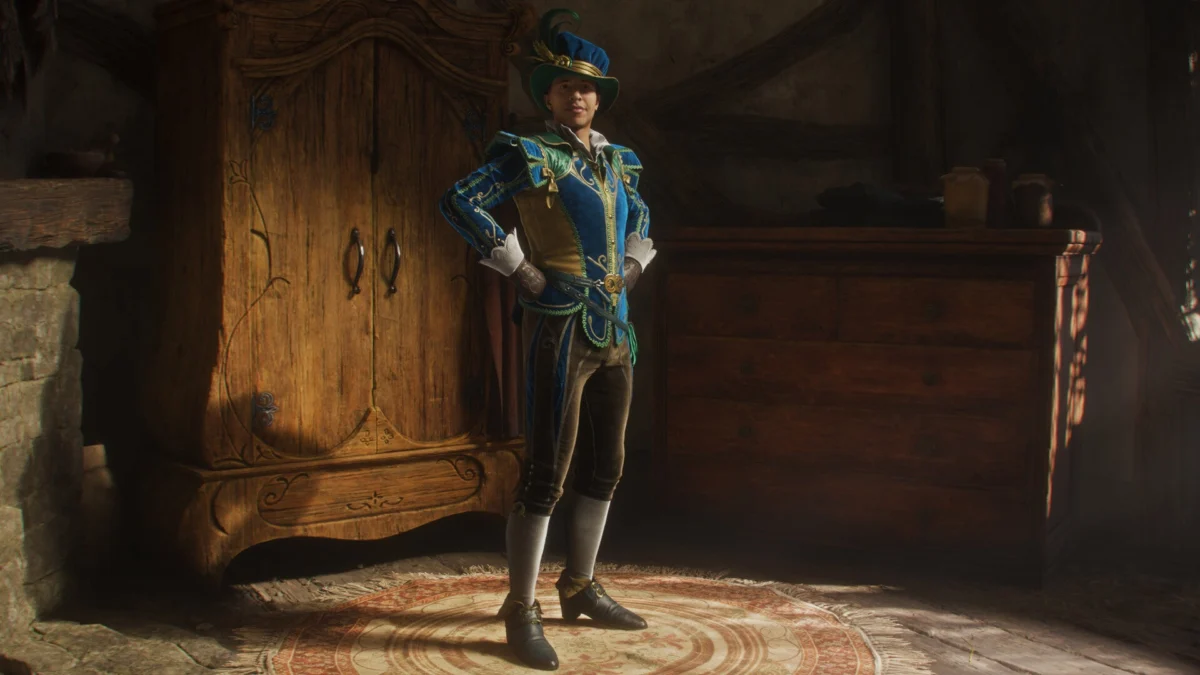
In a move that highlights the increasingly strategic nature of triple-A video game release scheduling, Microsoft’s Xbox Game Studios and developer Playground Games have officially announced that the highly anticipated reboot of the Fable franchise has been pushed back from its original late-2026 window to February 2027. The announcement, delivered via the official Xbox social media channels late Friday afternoon, marks a significant shift in the company’s software roadmap for the next two years. According to the official statement, the decision was made to ensure the fantasy role-playing game receives the "dedicated moment it deserves," avoiding a holiday season that is projected to be one of the most competitive in the history of the interactive entertainment industry.
The delay moves Fable out of the "Fall 2026" window that was previously established during the Xbox Developer Direct earlier this year. While delays are often associated with development hurdles or technical polishing, the messaging from Microsoft suggests this specific pivot is as much about market positioning as it is about software readiness. By moving to February, Fable will distance itself from a massive slate of blockbuster titles scheduled for the latter half of 2026, most notably Rockstar Games’ Grand Theft Auto VI, which is widely expected to dominate consumer spending and media coverage upon its arrival.
A Strategic Retreat from a Record-Breaking Holiday Window
The decision to move Fable appears to be a calculated response to what Microsoft describes as a "packed" year for Xbox players. In the official announcement, the company listed several high-profile titles slated for 2026 that would have competed directly with Fable for player attention and discretionary income. These include the reimagining of the franchise’s roots in Halo: Campaign Evolved, the prequel Gears of War: E-Day, and the next installment in the perennial blockbuster franchise, Call of Duty: Modern Warfare 4.
Furthermore, the 2026 calendar includes significant third-party and partner releases such as Remedy Entertainment’s Control Resonant and the recently announced Star Wars: Galactic Racer. However, the most formidable obstacle cited by analysts and hinted at by Microsoft is Grand Theft Auto VI (GTA 6). Historically, the release of a new Grand Theft Auto title creates a "black hole" effect in the retail market, where other major publishers move their release dates to avoid being overshadowed by Rockstar Games’ sales juggernaut. With GTA 6 currently slated for a mid-November 2026 launch, the "Fall 2026" window became an increasingly hazardous territory for a franchise like Fable, which is attempting to re-establish its identity after a decade-long hiatus.
The Chronology of the Fable Reboot
The journey of the Fable reboot has been one of long silences and high expectations. The project was first revealed with a cinematic teaser in July 2020 during the Xbox Games Showcase, confirming long-standing rumors that Playground Games—the studio renowned for the Forza Horizon series—had established a second team to tackle an open-world Action-RPG.
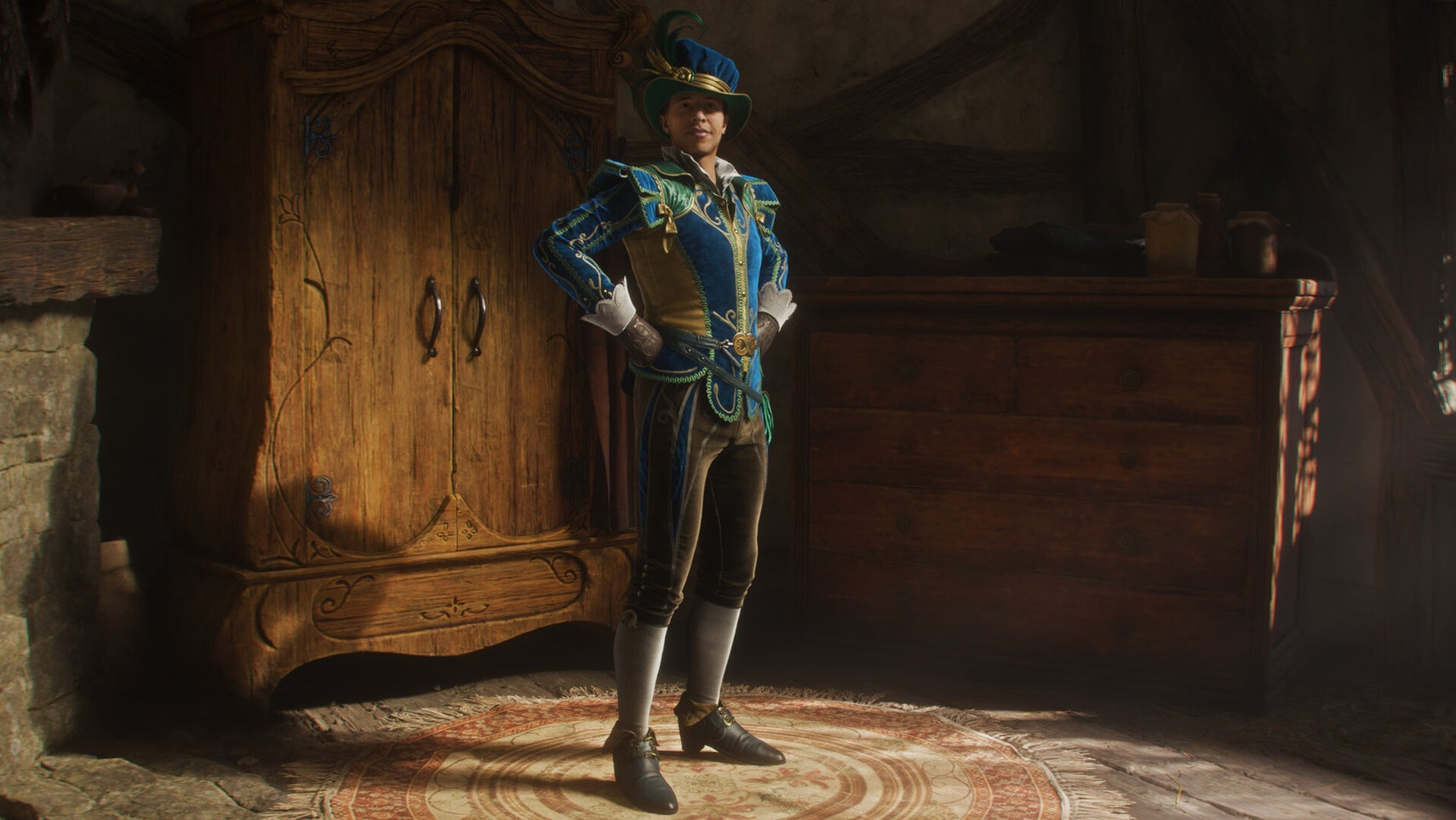
Between 2020 and 2023, news on the project was scarce, leading to speculation regarding the difficulties of transitioning a racing game engine, ForzaTech, into a toolset capable of handling complex RPG mechanics, branching dialogue, and sword-and-sorcery combat. In June 2023, a new trailer featuring actor Richard Ayoade provided the first glimpse of the game’s signature British humor and art direction, though gameplay remained under wraps.
It was not until the Xbox Developer Direct in early 2026 that Microsoft finally attached a release window to the project, promising a Fall 2026 arrival. At that time, internal reports suggested that Playground Games was confident in the timeline but remained wary of the broader industry schedule. Reports surfaced in April 2026 indicating that leadership at the studio expressed concerns about the "GTA 6 effect," though the official stance at the time remained unchanged. The move to February 2027 represents the final concession to the reality of the 2026 marketplace.
Technical Ambition and the Playground Games Transition
Playground Games’ stewardship of the Fable brand represents one of the most ambitious developer pivots in recent memory. Since its inception, the UK-based studio has been synonymous with the Forza Horizon franchise, which is lauded for its graphical fidelity and optimization. Transitioning that expertise to a narrative-driven RPG has required a massive scaling of the studio’s workforce and a fundamental re-engineering of their proprietary technology.
The use of the ForzaTech engine for an RPG is a point of significant interest for industry observers. While the engine is world-class for rendering landscapes and high-speed vehicles, building systems for character progression, inventory management, and complex AI behavior required a multi-year overhaul of the software. Sources close to the development suggest that the extra few months afforded by the move to February 2027 will be utilized for extensive QA (Quality Assurance) testing and refining the "feel" of combat, ensuring that the game meets the high bar set by the original Lionhead Studios trilogy.
Official Responses and Stakeholder Impact
The reaction from the gaming community has been a mix of disappointment and pragmatism. On social media platforms, many fans expressed frustration at another delay for a project that has been in development for over six years. However, industry analysts have largely praised the move as a necessary survival tactic.
"In the current economic climate, you cannot afford to launch a $70 flagship title in the same month as a Grand Theft Auto release," said one market analyst. "Microsoft has a massive portfolio to manage. By spreading their releases into Q1 of 2027, they ensure a steady stream of content for Xbox Game Pass subscribers while giving Fable the breathing room to dominate the conversation in February, which is traditionally a much quieter month."

Microsoft’s leadership has emphasized that this delay is not a sign of trouble, but a sign of abundance. By name-checking Halo, Gears of War, and Call of Duty in their announcement, they are signaling to shareholders that the 2026 fiscal year remains robust despite the Fable shift. The company has promised a "major new look" at Fable during the upcoming Xbox Games Showcase on June 7, where they are expected to show extended gameplay footage to reassure the public of the game’s progress.
The Broader Implications for Xbox Game Studios
The delay of Fable to 2027 has broader implications for Microsoft’s long-term strategy of "consistent blockbuster releases." For years, the criticism against Xbox was a lack of first-party "prestige" titles. With the acquisition of Bethesda and Activision Blizzard, Microsoft now finds itself in the opposite position: having too many high-profile games vying for the same windows.
This "embarrassment of riches" requires a delicate balancing act. If Microsoft releases too many games at once, they risk cannibalizing their own sales and Game Pass engagement metrics. By moving Fable to February, they are effectively kickstarting their 2027 campaign with a high-profile release, potentially following it up with other delayed or long-term projects like Everwild or State of Decay 3 later that year.
Furthermore, the delay allows Fable to avoid the inevitable comparisons and technical benchmarks that will be set by the games releasing in late 2026. If Gears of War: E-Day or GTA 6 set a new graphical standard, Playground Games now has a few additional months to ensure Fable’s visual presentation remains competitive.
Conclusion: A New Horizon for Albion
While the citizens of Albion will have to wait a few months longer to embark on their next adventure, the move to February 2027 reflects a maturing industry where release dates are no longer set in stone, but are fluid components of a larger corporate strategy. For Playground Games, the pressure is now on to deliver a product that justifies the nearly seven-year development cycle.
The upcoming June 7 showcase will be a pivotal moment for the franchise. It will be the first time the public sees the "new" Fable in its near-final form, and it will serve as the opening salvo in a marketing campaign that will now stretch well into the next year. As the industry prepares for the seismic impact of 2026’s holiday lineup, Fable’s retreat to the quiet of February may ultimately be the decision that saves the reboot from being a footnote in a year dominated by giants, allowing it instead to stand as the definitive RPG experience of early 2027.