
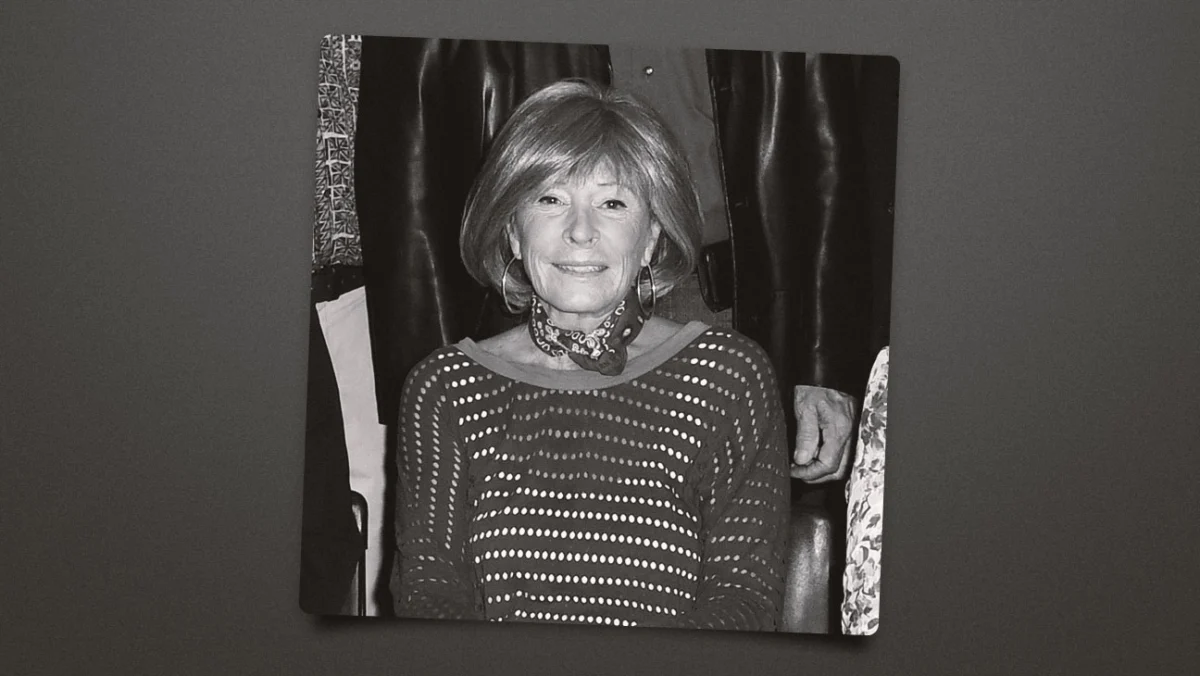
Marcia Lucas, the revered Oscar-winning film editor whose masterful work profoundly shaped cinematic masterpieces including the seminal Star Wars saga and collaborations with Martin Scorsese, passed away on Wednesday in Rancho Mirage, California, at the age of 80. Her family confirmed her death was due to cancer, marking the end of an extraordinary life dedicated to the art of storytelling through the meticulous craft of film editing. Lucas, widely recognized for her critical contributions to some of Hollywood’s most iconic films and as the former wife of director George Lucas, leaves behind an indelible legacy that underscored the editor’s pivotal, often unsung, role in a film’s ultimate success and emotional resonance.
"Marcia will be remembered as a brilliant storyteller, a trailblazer for women in film, a loving mother and grandmother, a generous host, and a loyal friend whose humor and sparkle filled every room she entered," her family’s statement read, offering a glimpse into the vibrant personality behind the industry titan. "Her influence on film is indelible, but those who knew her best will remember the way she made life feel more vivid, more beautiful, more fun, and more full of love." This poignant tribute highlights not only her professional achievements but also the profound personal impact she had on those around her, emphasizing her multifaceted identity beyond the cutting room.
Early Life and The Genesis of a Legendary Career
Born Marcia Griffin in Modesto, California, Lucas’s journey into the intricate world of film began through the highly competitive and formative Motion Picture Editors Guild apprenticeship program. This structured entry point was a common pathway for aspiring film professionals in the mid-20th century, providing hands-on experience and mentorship from seasoned veterans. It was within this demanding environment that Lucas began to hone her innate talent for rhythm, pacing, and narrative construction, skills that would later define her groundbreaking career.
A pivotal early influence in her professional development was the lauded female film editor Verna Fields, known affectionately as "Mother Cutter" within the industry. Fields, an Academy Award winner herself for Steven Spielberg’s Jaws (1975) and recognized for her work on films like Paper Moon (1973), took Lucas under her wing as an assistant editor. Fields was a groundbreaking figure in her own right, demonstrating that women could excel in the technically demanding and creatively crucial role of film editing. This mentorship not only provided Lucas with invaluable technical skills but also instilled in her a deep understanding of storytelling dynamics and the often-overlooked power of the editor to shape a film’s emotional core.
Lucas’s collaboration with George Lucas began professionally as an assistant editor on his feature directorial debut, THX 1138 (1971). This dystopian science fiction film, an expansion of George Lucas’s student short, presented a unique challenge with its experimental narrative structure and reliance on visual storytelling. Her involvement at this early stage underscored her developing ability to navigate complex cinematic visions and translate them into coherent, impactful narratives. Marcia and George Lucas married in 1969, a partnership that would, for a time, bridge both their personal and professional lives, leading to some of cinema’s most celebrated creations.
The Breakthrough with American Graffiti
The true turning point in Marcia Lucas’s career, and her first major recognition, arrived with American Graffiti (1973), George Lucas’s nostalgic ode to 1960s youth culture. Working alongside her mentor Verna Fields, Marcia Lucas was instrumental in crafting the film’s energetic, multi-threaded narrative. American Graffiti was a departure from the conventional filmmaking of its era, featuring multiple intersecting storylines and a sprawling ensemble cast, all set against a backdrop of classic rock and roll. The film’s critical and commercial success was significantly attributed to its dynamic editing, which seamlessly wove together various character arcs and maintained a brisk, engaging pace.
The film’s innovative structure and vibrant energy earned Marcia Lucas her first Academy Award nomination for Best Film Editing in 1974. Although William Reynolds ultimately took home the Oscar that year for his work on The Sting, the nomination firmly established Lucas as a rising star in the editing world. American Graffiti proved to be a watershed moment for independent filmmaking and cemented George Lucas’s reputation as a director to watch, with Marcia’s editing being a crucial component of its acclaimed distinctiveness. The film grossed over $115 million on a modest budget, becoming one of the most profitable films of its time and a cultural touchstone that inspired countless imitators.
The Star Wars Phenomenon: Shaping a Galaxy Far, Far Away
While American Graffiti showcased her talent, it was her work on Star Wars: A New Hope (1977) that would etch Marcia Lucas’s name into cinematic legend and earn her an Academy Award. The production of Star Wars was famously fraught with challenges, and George Lucas himself publicly acknowledged the difficulties he faced during the editing process. The initial assembly cut of the film was reportedly disjointed and lacked the compelling narrative drive that would later define it. It was during this critical phase that Marcia Lucas, working collaboratively with fellow editors Paul Hirsch and Richard Chew, became an indispensable force in salvaging and shaping the film into the cultural phenomenon it became.
Her contributions to Star Wars were profound and far-reaching. She is widely credited with restructuring key sequences, enhancing the emotional stakes, and injecting a crucial sense of urgency and clarity into the narrative. One of her most celebrated interventions was in the iconic climactic Death Star trench run. Early versions of this sequence reportedly lacked tension, but Lucas’s re-editing introduced a faster pace, tighter cuts, and a more pronounced rhythm that elevated it into one of cinema’s most thrilling action sequences. She understood the emotional core of the story, recognizing what needed to be emphasized for maximum impact on the audience. Her keen eye for character motivation and emotional resonance helped transform a complex space opera into a universally accessible tale of heroism and hope.
George Lucas himself has often spoken about Marcia’s critical input, notably her insistence on strengthening Luke Skywalker’s emotional journey and ensuring that the audience genuinely cared about the characters. It was her suggestion, for example, to cut away from the celebratory medal ceremony at the end of Star Wars to show Darth Vader’s ship flying away, establishing the villain’s survival and setting up the sequel, a classic example of her narrative foresight. In 1978, Marcia Lucas, alongside Hirsch and Chew, accepted the Academy Award for Best Film Editing for Star Wars, a testament to their collective and individual brilliance in crafting a cinematic landmark. The film went on to gross over $775 million worldwide in its original theatrical run, redefining blockbuster filmmaking and popular culture for generations.
Her contributions to the saga continued with Return of the Jedi (1983), the final installment of the original trilogy. By this point, her reputation as a master editor was firmly established, and her return ensured a consistent narrative and stylistic approach to the conclusion of the beloved space epic.
The "Secret Weapon" and Versatility Across Genres
Beyond her celebrated work on Star Wars, Marcia Lucas demonstrated remarkable versatility and an unshakeable commitment to the editor’s craft across a diverse range of projects. Author Dale Pollock, in his biography Skywalking: The Life and Films of George Lucas, famously dubbed Marcia Lucas her husband’s "secret weapon." This moniker captured the essence of her profound yet often behind-the-scenes influence, suggesting that her critical eye and narrative instincts were foundational to the success of his early films. She was not merely executing cuts but actively contributing to the narrative architecture and emotional impact of the films.
Her impressive resume also includes significant collaborations with another titan of American cinema, Martin Scorsese. Lucas served as editor on Scorsese’s gritty and emotionally charged Alice Doesn’t Live Here Anymore (1974), a film that earned Ellen Burstyn an Academy Award for Best Actress and featured a young Jodie Foster. This project showcased Lucas’s ability to navigate character-driven dramas with the same precision and sensitivity she applied to grand adventures.
She further contributed her talents to two of Scorsese’s most iconic films: Taxi Driver (1976) and New York, New York (1977). Taxi Driver, a dark psychological drama exploring urban alienation, demanded an editor capable of conveying internal turmoil and building suspense through meticulously crafted sequences. Lucas’s work on these films highlighted her adaptability and her capacity to shape narratives that ranged from fantastical space operas to stark, realistic character studies, proving her mastery extended far beyond a single genre or director’s vision. These films, critically acclaimed and culturally significant, further cemented her reputation as one of the industry’s most respected editors.
A Trailblazer for Women in Film
Marcia Lucas’s career trajectory and success are particularly significant in the context of women’s representation in the film industry. While editing, historically, has been one of the few behind-the-camera roles more accessible to women, reaching the upper echelons of the profession and receiving widespread recognition was still a considerable challenge in the 1970s. Her Oscar win for Star Wars and multiple nominations served as a powerful testament to her talent and broke barriers, inspiring countless aspiring female filmmakers and editors.
Her impact as a "trailblazer" resonates deeply within the industry, demonstrating that talent and vision transcend gender. She paved the way for future generations of women to pursue careers in film editing, providing a tangible example of excellence and influence in a field often dominated by male voices. Her legacy is not just about the films she cut, but also about the doors she opened and the perception she shifted regarding the capabilities of women in critical creative roles within Hollywood.
Personal Life and Enduring Legacy
Marcia Lucas’s personal life saw its share of transitions. Her marriage to George Lucas concluded in divorce in 1983, a period following the immense success and expansion of Lucasfilm. She later married and subsequently divorced artist Tom Rodrigues. Despite these personal changes, her professional legacy remained steadfast and continued to be celebrated by her peers and fans alike.
She is survived by her daughters, Amanda Lucas and Amy Soper, and her grandchildren, who carry forward the memory of a woman described as both a brilliant professional and a loving family matriarch. Her passing in Rancho Mirage, California, marks the end of an era for a figure whose contributions to cinema are immeasurable.
Marcia Lucas’s life and career serve as a powerful reminder of the indispensable role of the film editor. Often working behind the scenes, editors are the unsung architects of cinematic narratives, responsible for the rhythm, emotional impact, and ultimate coherence of a film. Lucas’s extraordinary talent for shaping raw footage into compelling stories, for finding the heart and soul of a film in the cutting room, profoundly influenced some of the most beloved movies ever made. Her legacy is woven into the very fabric of Star Wars and the broader tapestry of modern cinema, ensuring that her genius will continue to inspire and resonate for generations to come. Her work not only elevated the films she touched but also elevated the craft of editing itself, solidifying its place as a truly creative and transformative art form.